Belief and Belonging Are Good for Business
Every workplace is a gathering of people whose lives, beliefs, and experiences don't fully overlap. That gap is not the problem; ignoring it is. Organizations that lean into their differences, bringing them into honest dialogue rather than polite silence, are the ones where employees feel like they are seen, trusted, and belong.
When differences in the workplaces lead to inhospitable clashes, our workspaces become uncivil spaces where team members feel like they don’t belong. And the cost of incivility is high. Not only does it reduce productivity, amplify anxiety, and erode trust, incivility costs American businesses more than $2 billion per day in reduced productivity and absenteeism. It is getting worse too. Nearly half of workers expect workplace incivility to worsen, according to the Civility Index.
Civility is good for business. People who know one other are more engaged and productive, resistant to conflict, and likely to find work fulfilling. When people are included, visible, empowered, and connected they experience belonging and they flourish. And when teams flourish, so do their organizations.
The Civility Index also reveals a collective desire for change: “60% of U.S. workers believe it is important or very important for their company to make efforts to address civil discourse.”
It’s not just civility either: belonging is also good for business.
When employees feel included, visible, empowered, and connected, they belong—and when they belong, they flourish. And when people feel energized to bring their full selves to work, including their religious and spiritual selves, organizations thrive.
Many employees, however, don’t experience belonging in the workplace. A recent study found that 25% of workers feel like they don’t belong at work. Without a sense of belonging, employers see lower levels of job performance and job satisfaction, more sick days, and higher employee turnover rates.
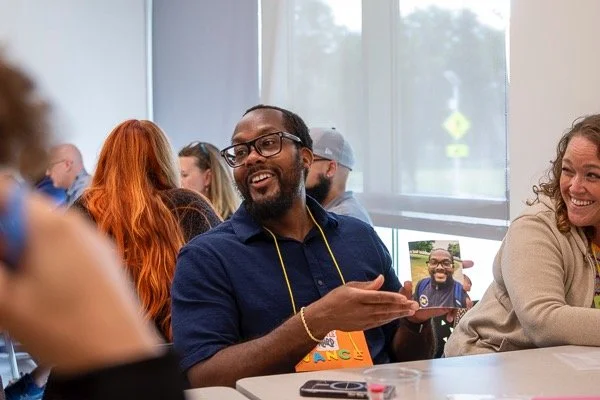
This is why we are working to create stronger workplaces. Our process involves participants responding to organizationally grounded prompts by photographing their lived experiences. In a two-to four hour seminar, the stories behind these photos anchor structured conversations that build understanding, empathy, and civility.
ServiceNow has made belonging a priority. We partnered with their Interfaith Employee Belonging Group to help translate that commitment into lived experience. Our collaboration involved workshops and a five-meeting project. Through their photos, participants celebrated the many ways their company creates belonging in the workplace. They also identified opportunities for improving workplace culture to be even more inclusive and sensitive to the needs of people from all religious, secular, and spiritual backgrounds.
We started a project with Interfaith Photovoice to foster trust among our Employee Belonging Group leadership. Our CEO always says that trust is the ultimate human currency. Interfaith Photovoice’s method and guidance gave us a frame of curiosity and respect to develop relationships using our own photos to share personal experiences. This trust creates space to bring our whole selves to work, including our faith and beliefs.
— Mariana Ciocca Alves Passos, ServiceNow
Photovoice works like a shortcut to trust. The process opens pathways for participants to quickly move into deeper conversations and relationships. Visual storytelling improves communication skills and encourages vulnerability, which are building blocks for trust. As one participant shares about their deepest motivations and concerns, others in the group will hold, in their own hands, a snapshot from that person’s life: a photo of their kid at soccer practice, their beloved grandmother on her death bed, or the time their house was graffitied with targeted hate speech—all stories we’ve encountered in our workplace workshops. These moments of vulnerability lay the soil that trust needs to sprout.
Imagine a workplace where religious and spiritual differences aren’t managed around but leaned into, where your own people identify the obstacles to belonging and lead the way toward something better. That’s what photovoice makes possible. It’s not a program done to your team. It’s a process your team does together.
See what’s possible: start a conversation today.