Cooperation through the Lenses of Muslims and Christians: Oman 2023
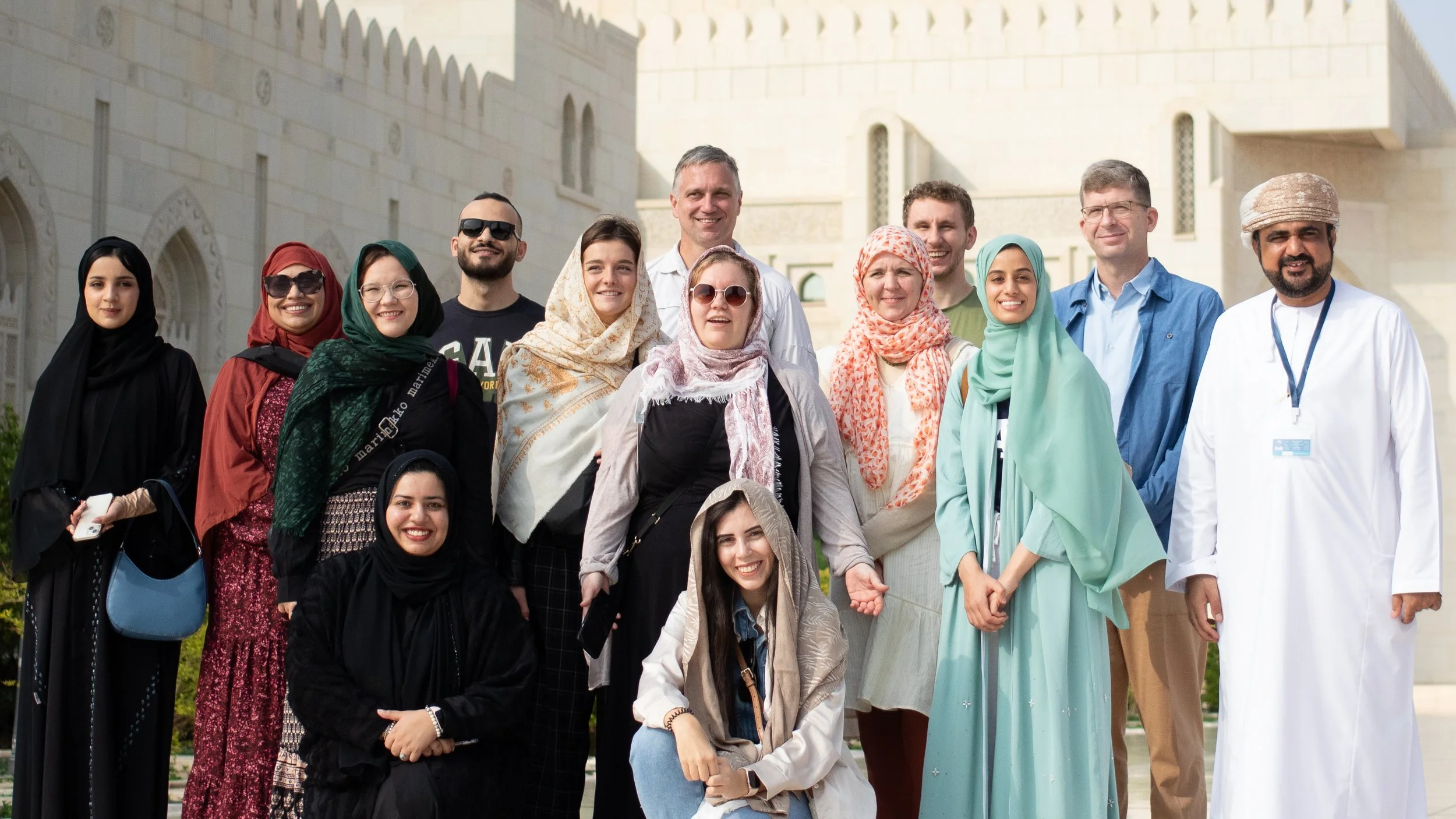
In a collaboration with the Al Amana Centre in Muscat, Oman, an international group of Muslims and Christians from America, Europe, and the Middle East built understanding and relationships through a photovoice project and additional learning experiences while in Oman. In addition to photos from their home countries, participants also composed photographs during their time in Oman. A key element the program involved visiting important Omani cultural, religious, and natural sites. In the short span of a week, these young leaders developed an extraordinary bond.
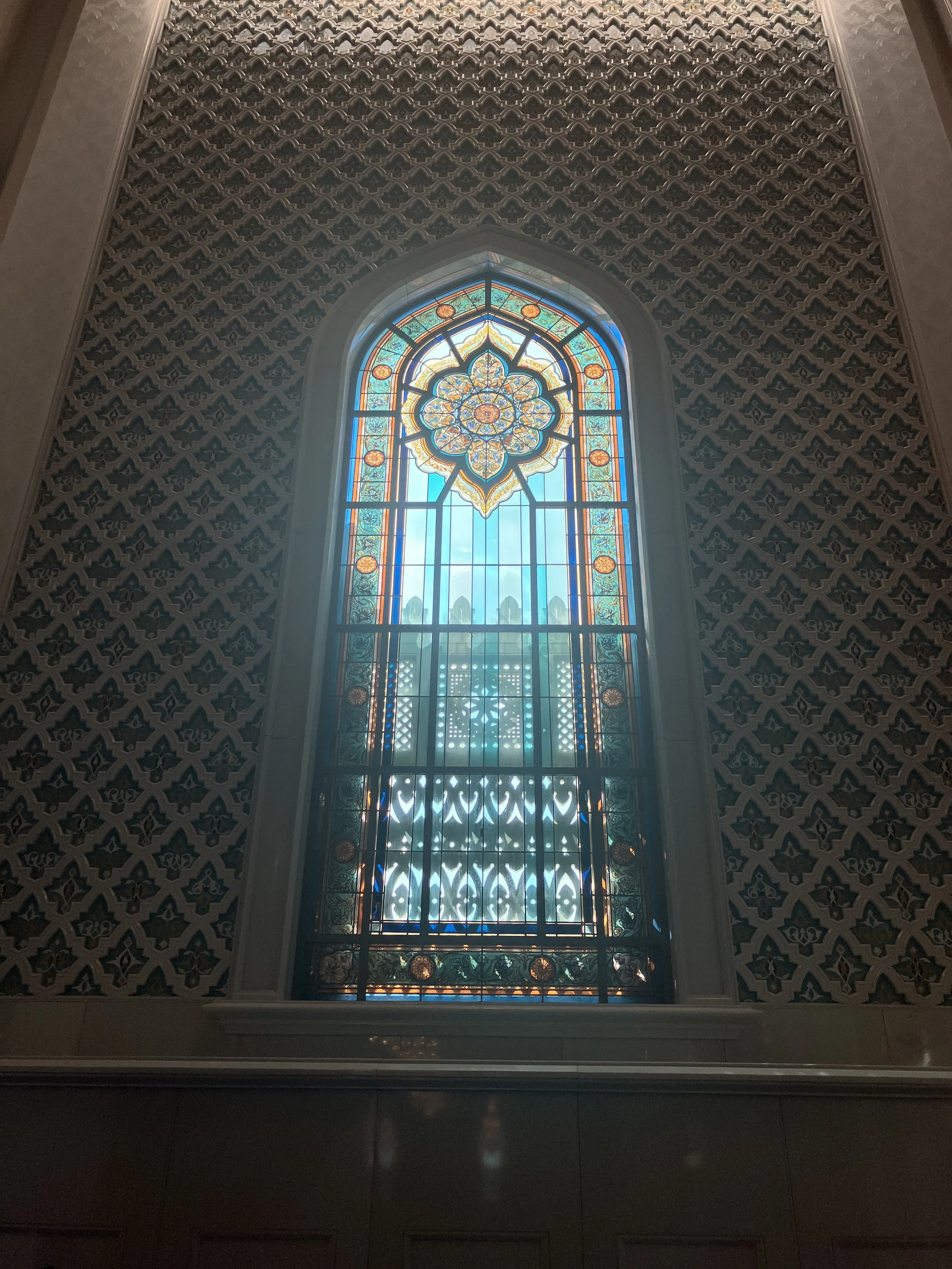
The stained glass window in this mosque reminded me of some churches within my own Christian tradition. It’s little similarities and gestures like this that can build bridges between different faith communities. — Ben (USA)
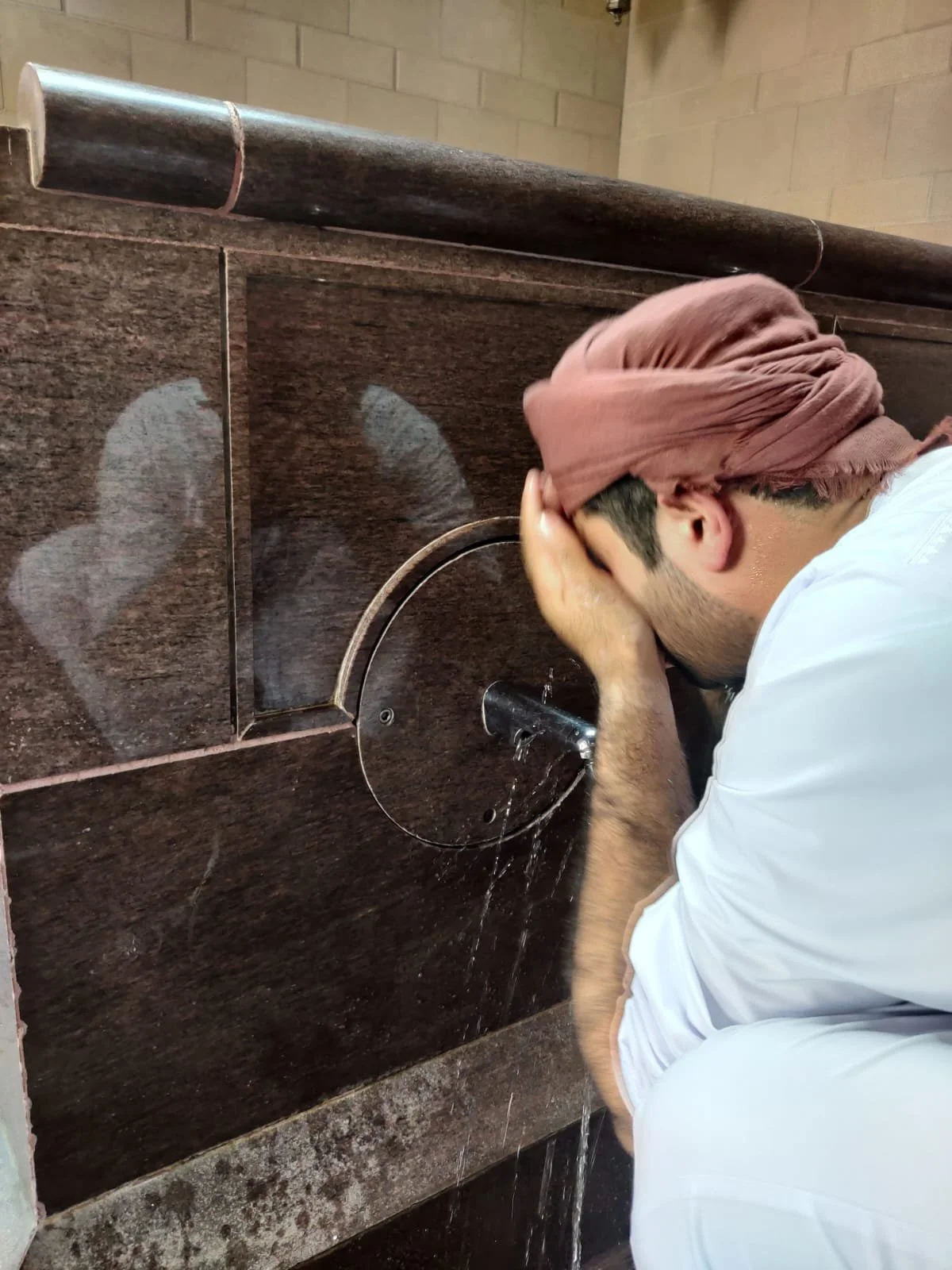
Before facing God and each other, we need to look at our own reflection in the world around us. — Ina (Finland)
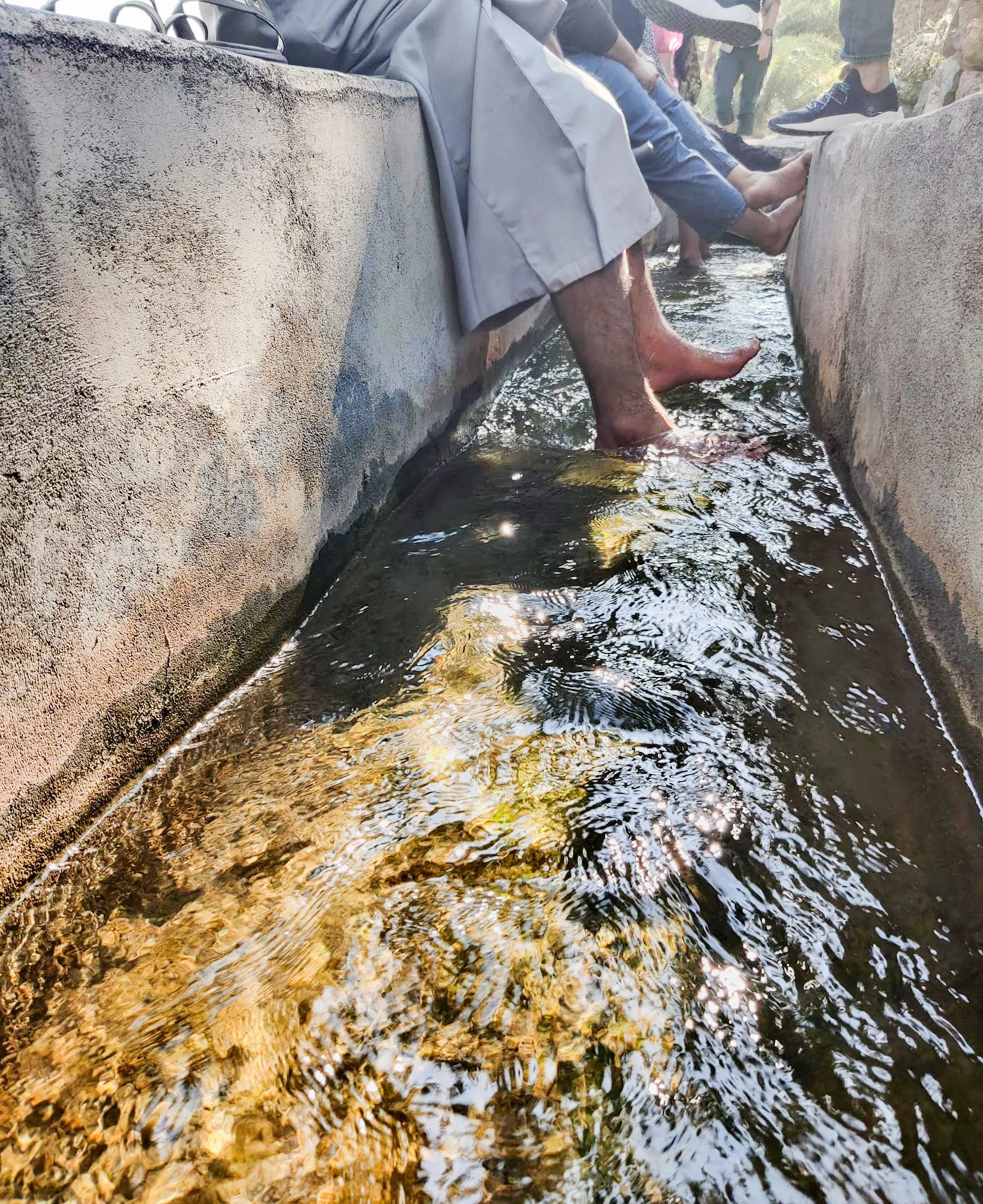
People need different amounts of time to get used to the water. Some jump right in, some need to slowly wade in, and some might not have courage at first to get in. The same thing happens when we are changing, deciding, and reconciling—everybody needs time to get used to the water temperature. — Ina (Finland)
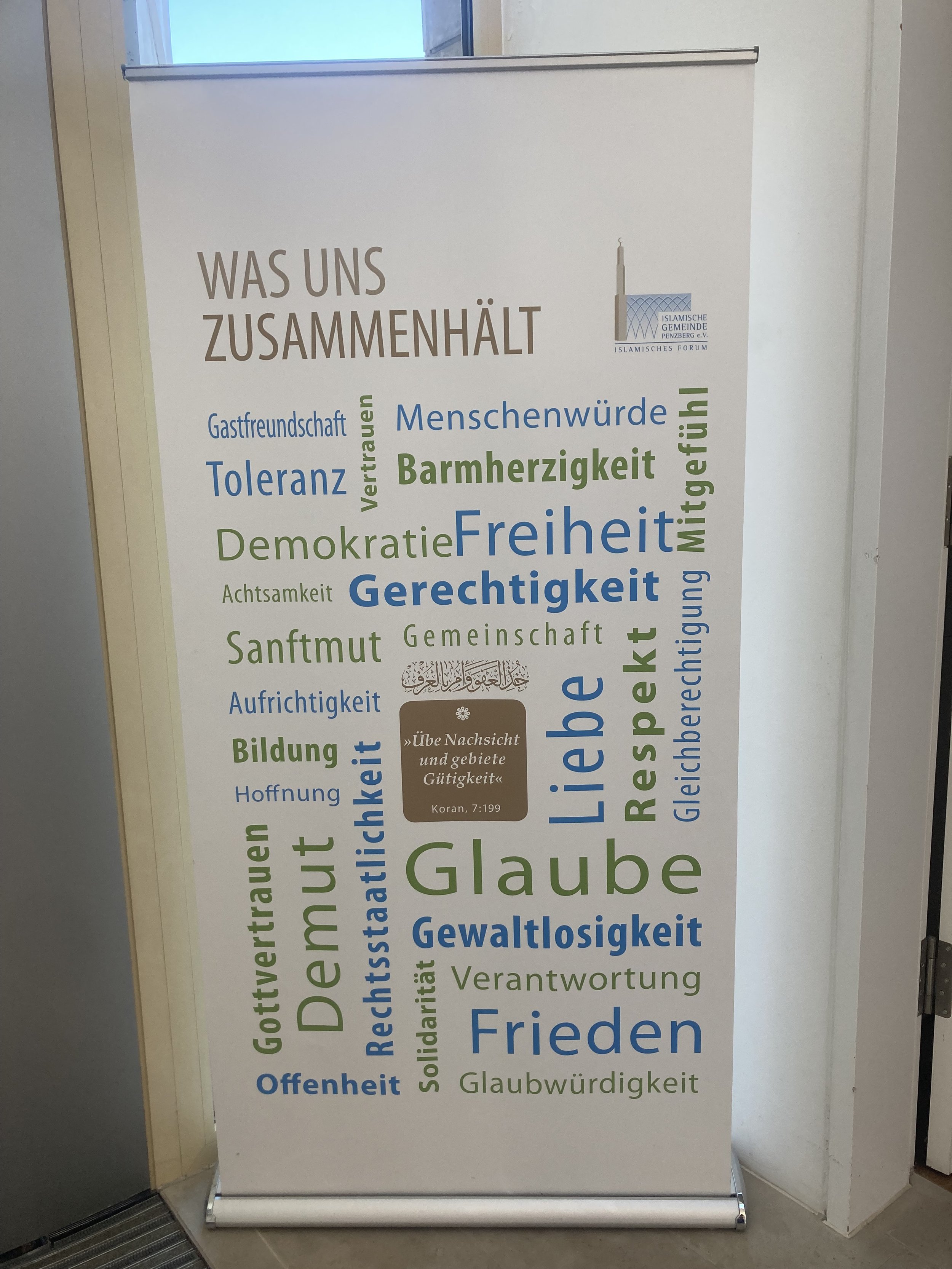
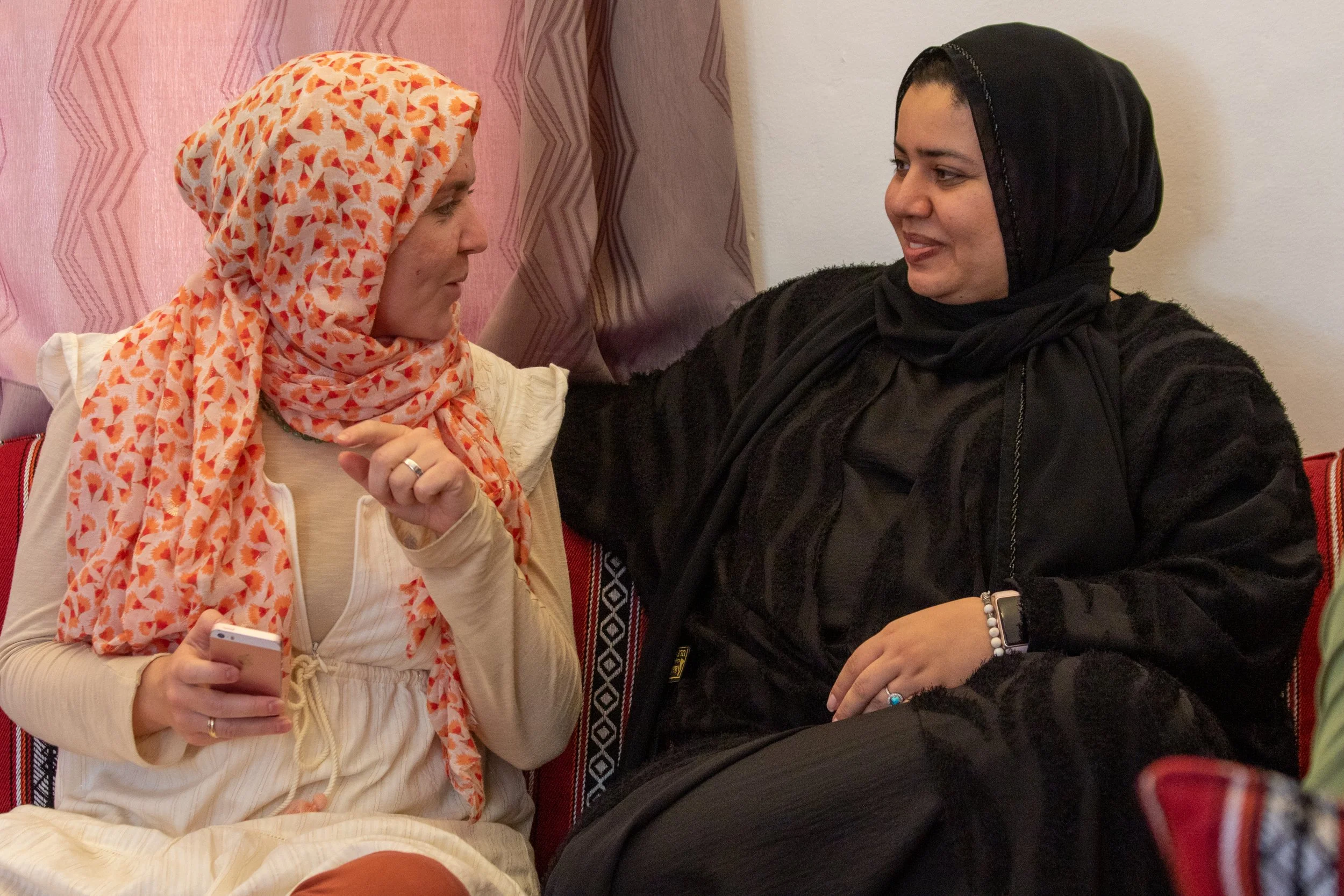
Interreligious knowhow is like learning a new language: you need someone to translate, explain, and share the narratives to help us see through their eyes. — Melli (Germany)
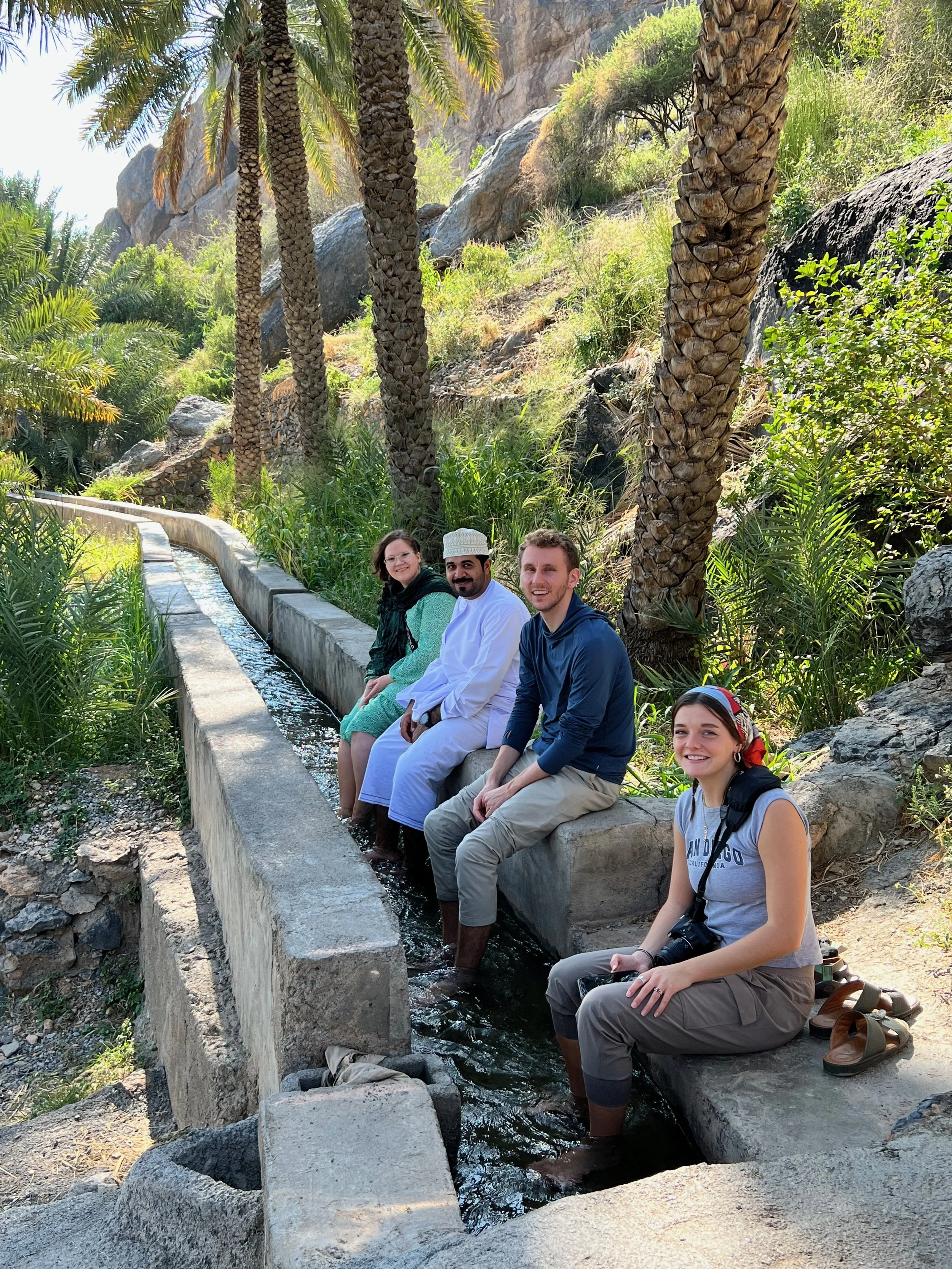
The falaj of Al Hamra nourishes the plots of land tended to by the locals as they have for centuries. The arid ground is transformed by the clear, pure water that rushes through the canals. The falaj is connected, releasing just what is needed for each plot as the stream moves on to the next plot of land. Here Omani, Finish, and American friends find connection as they rest and enjoy the brisk water and build authentic connections. — Zahabia (USA)
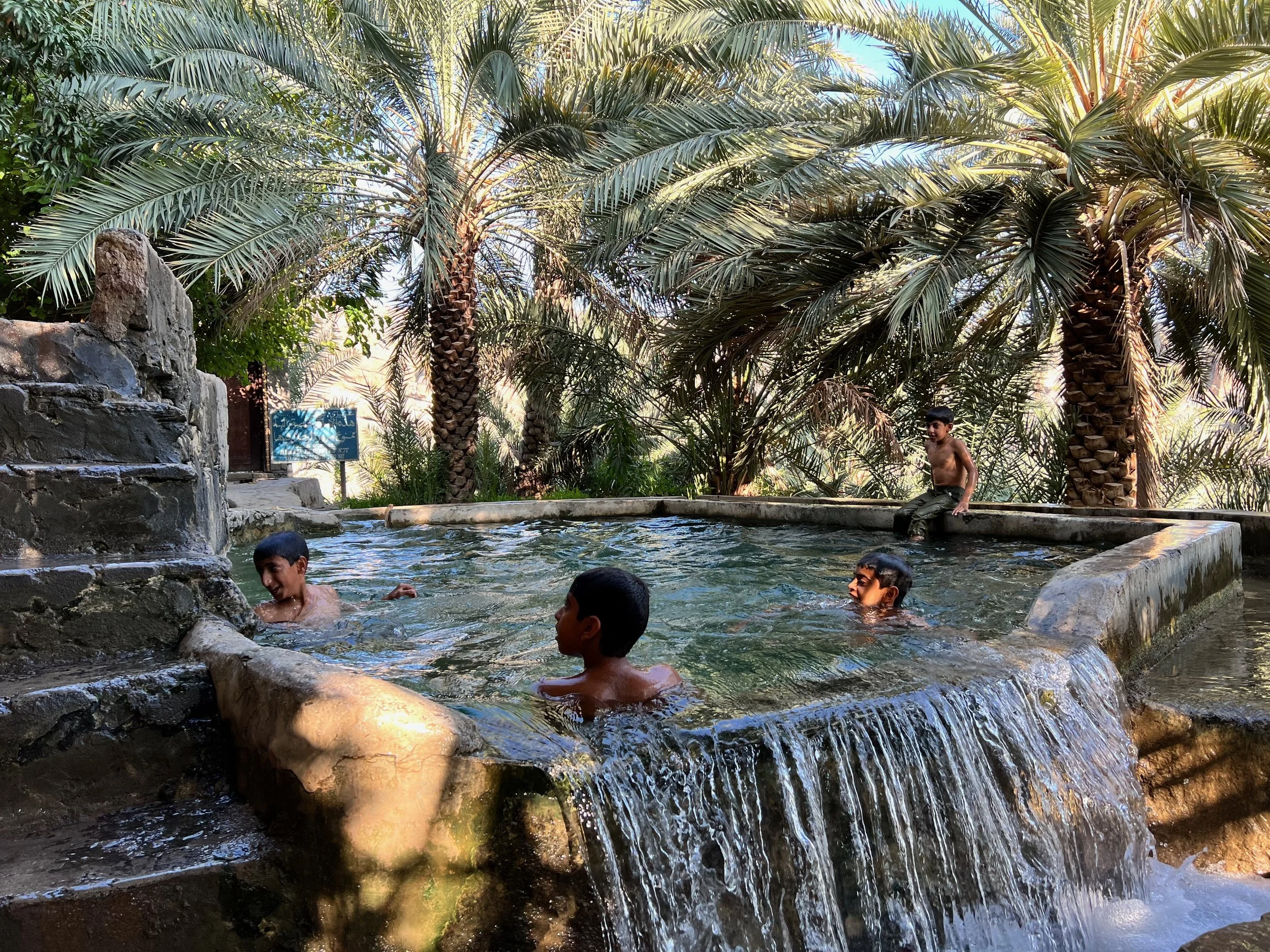
This image represents the beauty in humanity and the representation of God in nature. The experience of witnessing these boys playing the the pool helped reinforce the idea that there are so many more similarities between us than we realize. — Grace (USA)
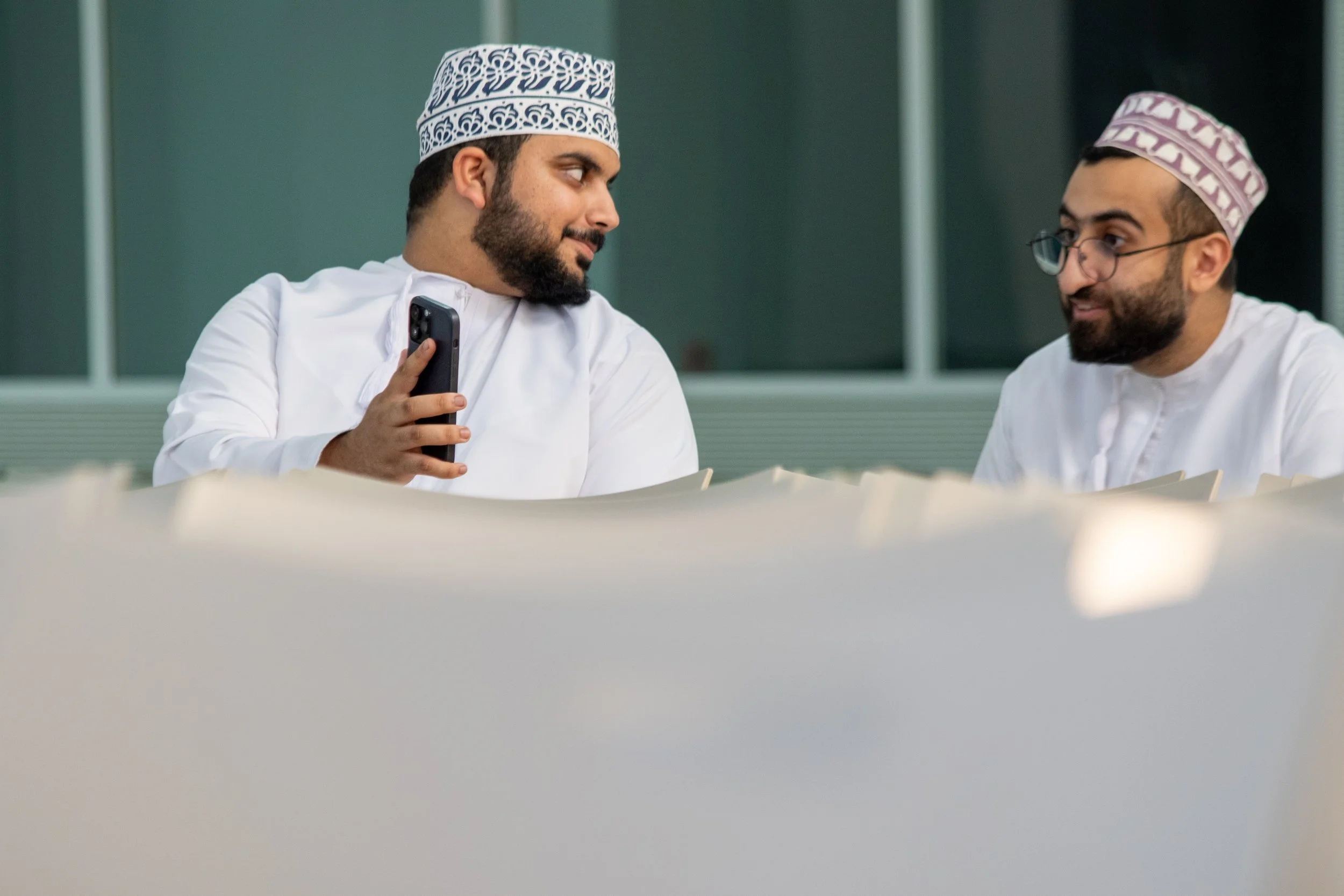
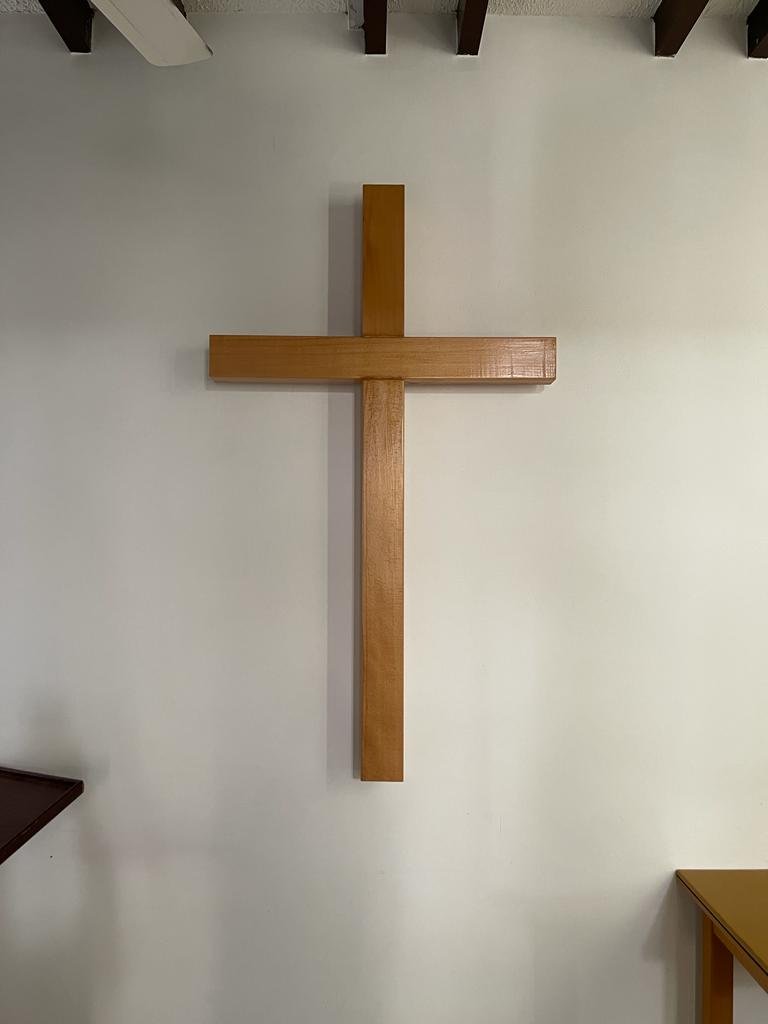
From our visit to the church complex in Ruwi, there was a wooden cross hung up on the walls made by an Omani. Understanding that he might be a Muslim who crafted a cross for another religion’s place of worship, this act of engagement is built on a solid cooperative framework. — Nusaiba (Oman)
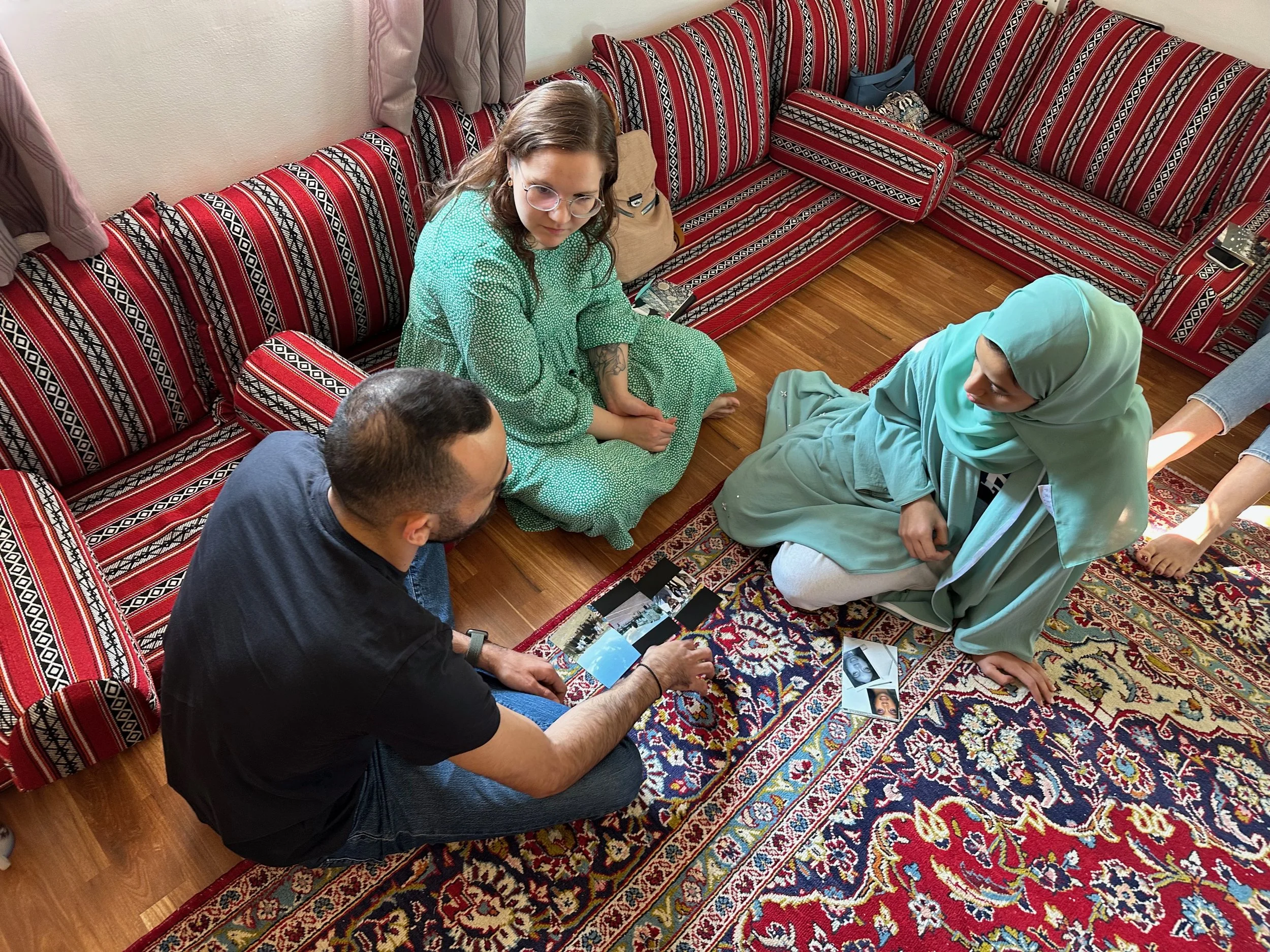
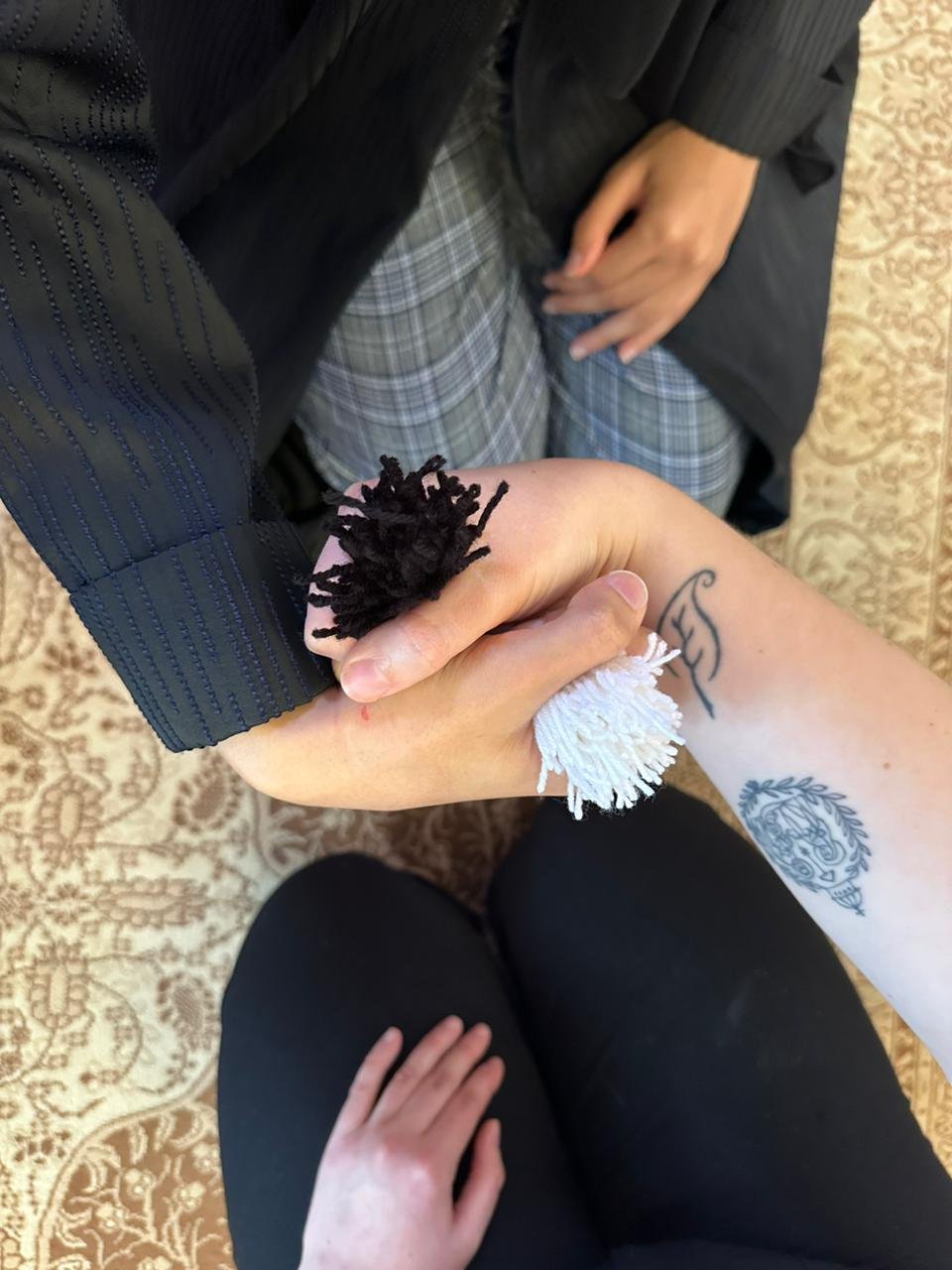
Differences are not obstacles if we don’t want them to be. They can be a new window for us to see things from a different angle for humanity to grow and prosper. — Amira (Oman)
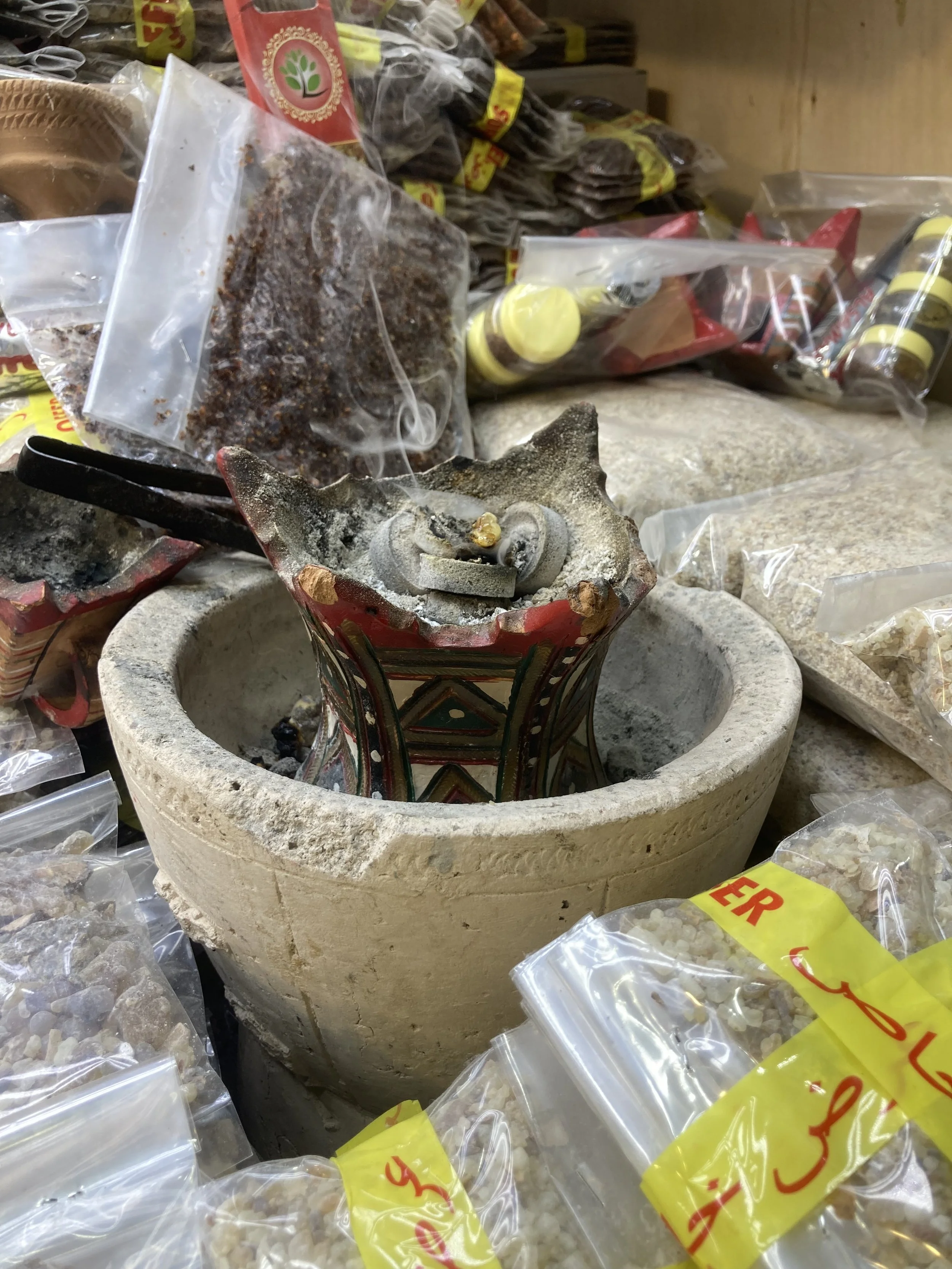
For me the incense burner (kanoon) is a metaphor of the peaceful aroma of the Omani way of life. Not only do we smell the incense burning everywhere, the kanoon is a symbol of Omani culture. — Melli (Germany)
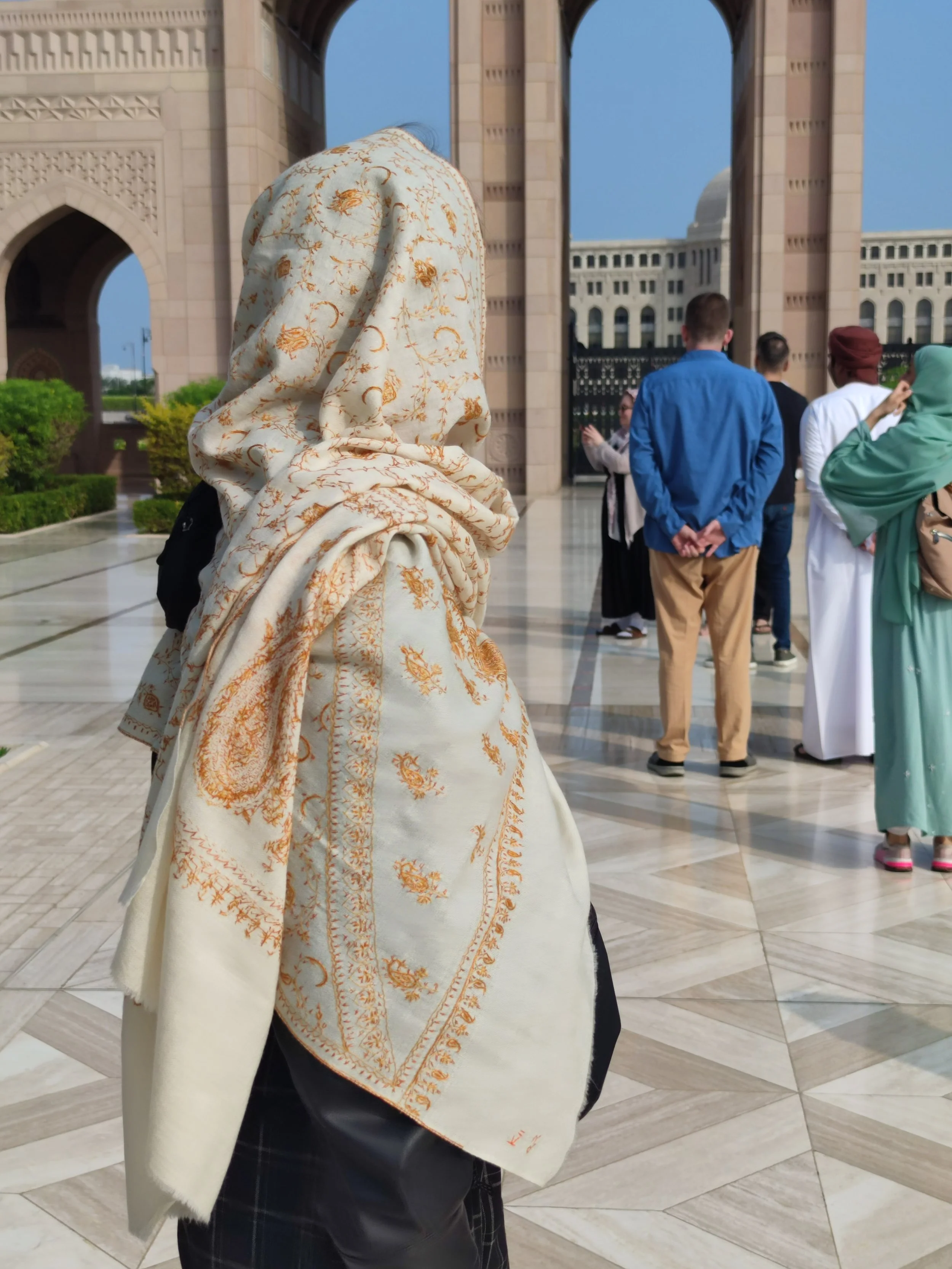
Cooperation is easier when we can focus on shared goals and desired outcomes, even when we have differences—sometimes even disagreements. — Anne (Finland)
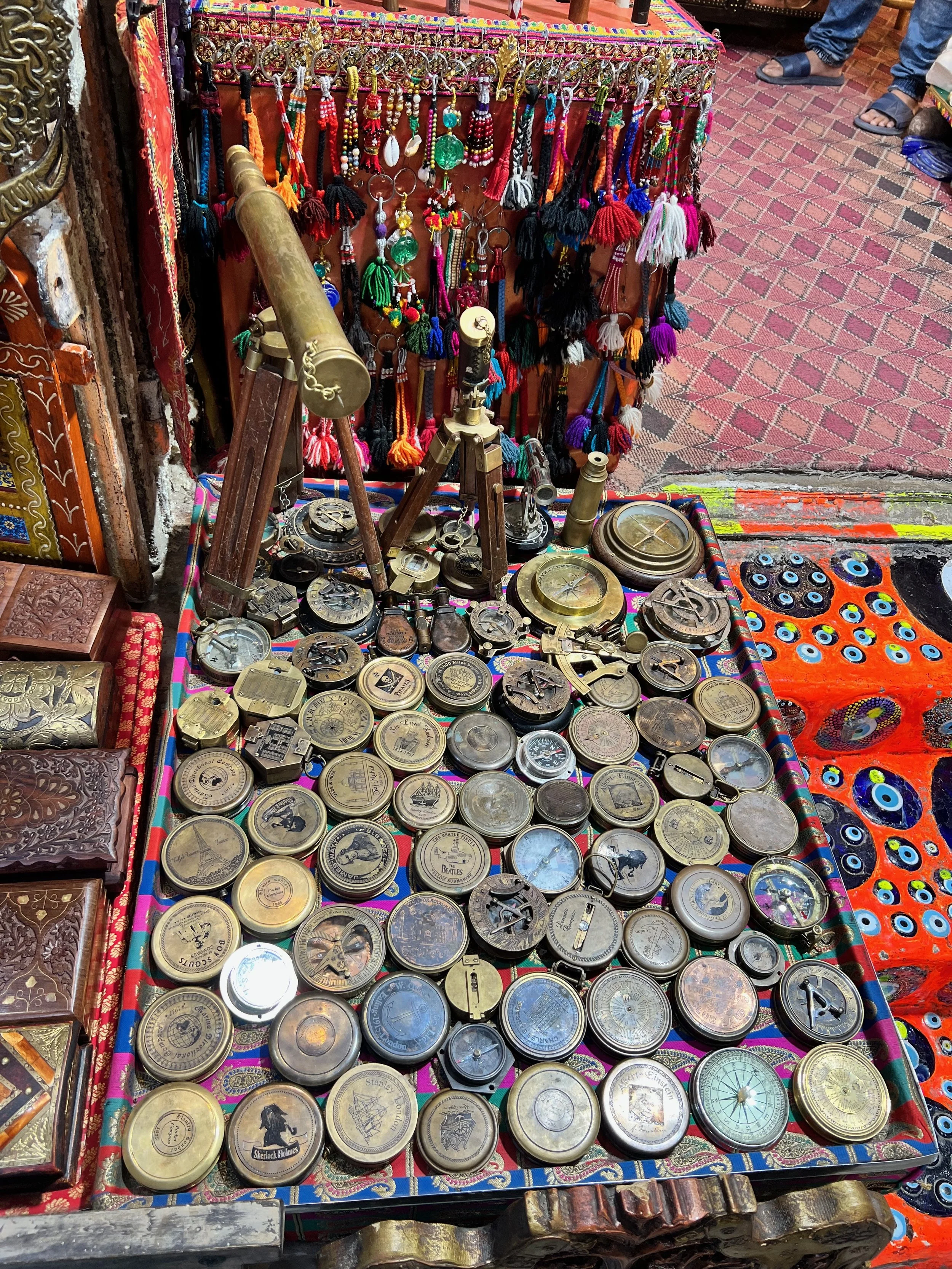
These compasses represent the different directions that people come to Oman. How have the people come to find belonging and community here? More importantly, where will Omani society go? With all the diversity how do the people of Oman work together to promote acceptance and belonging? Can we learn and appreciate enough about each other to have “holy envy” for another’s traditions? — Zahabia (USA)
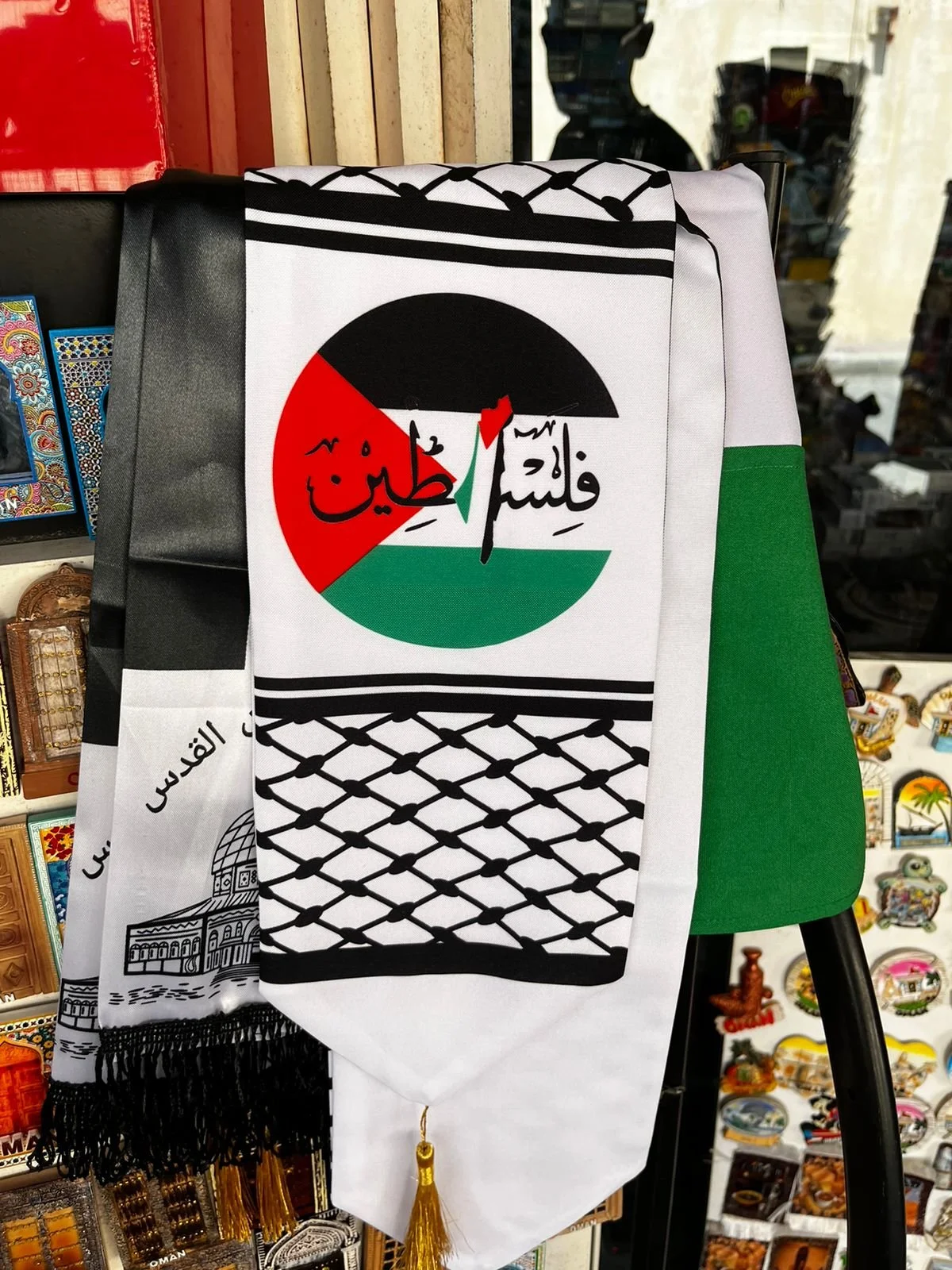
As a Palestinian, seeing the Omani people’s support for my home country made me feel very welcomed and comfortable during tough times. — Tamer (Palestine)
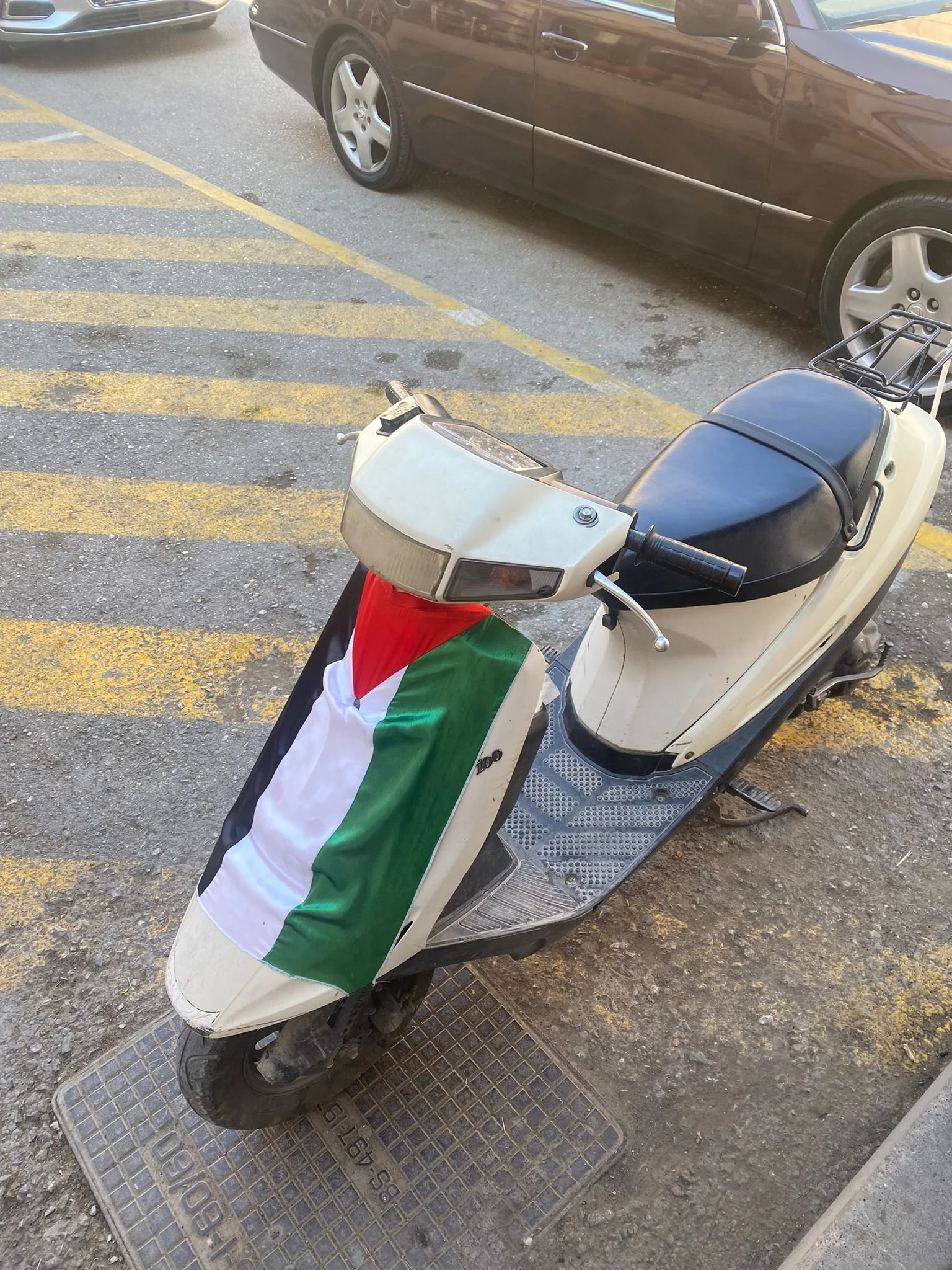
I am proud of the solidarity that has been shown to me as a Palestinian in Oman. It has been a chance to speak out loud and to share about Palestine. — Hiba (Palestine)
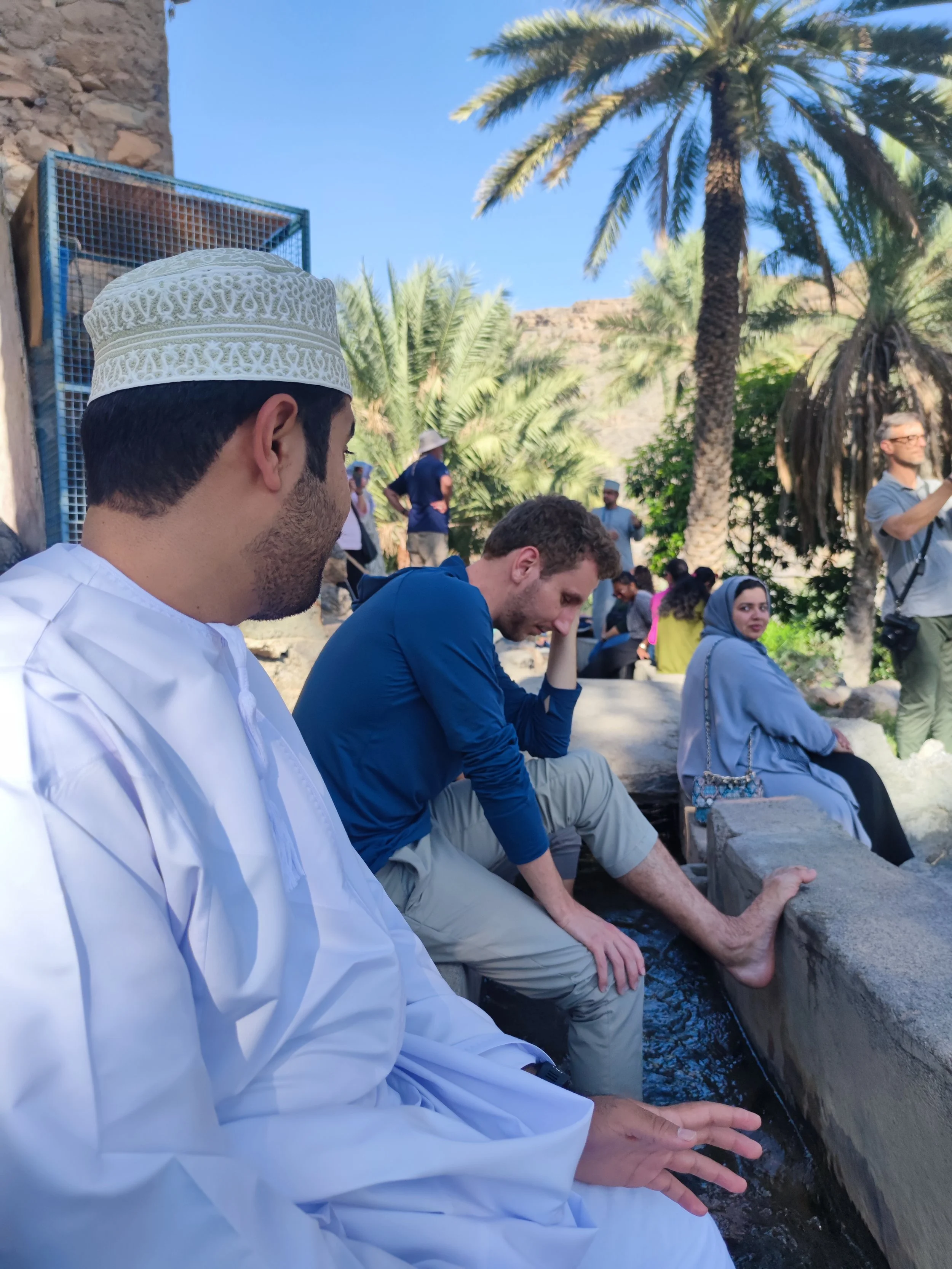
Listening is a crucial skill when it comes to interfaith work and building a just and inclusive society and world. It is only by listening to the other that we can truly learn and grow. — Anne (Finland)
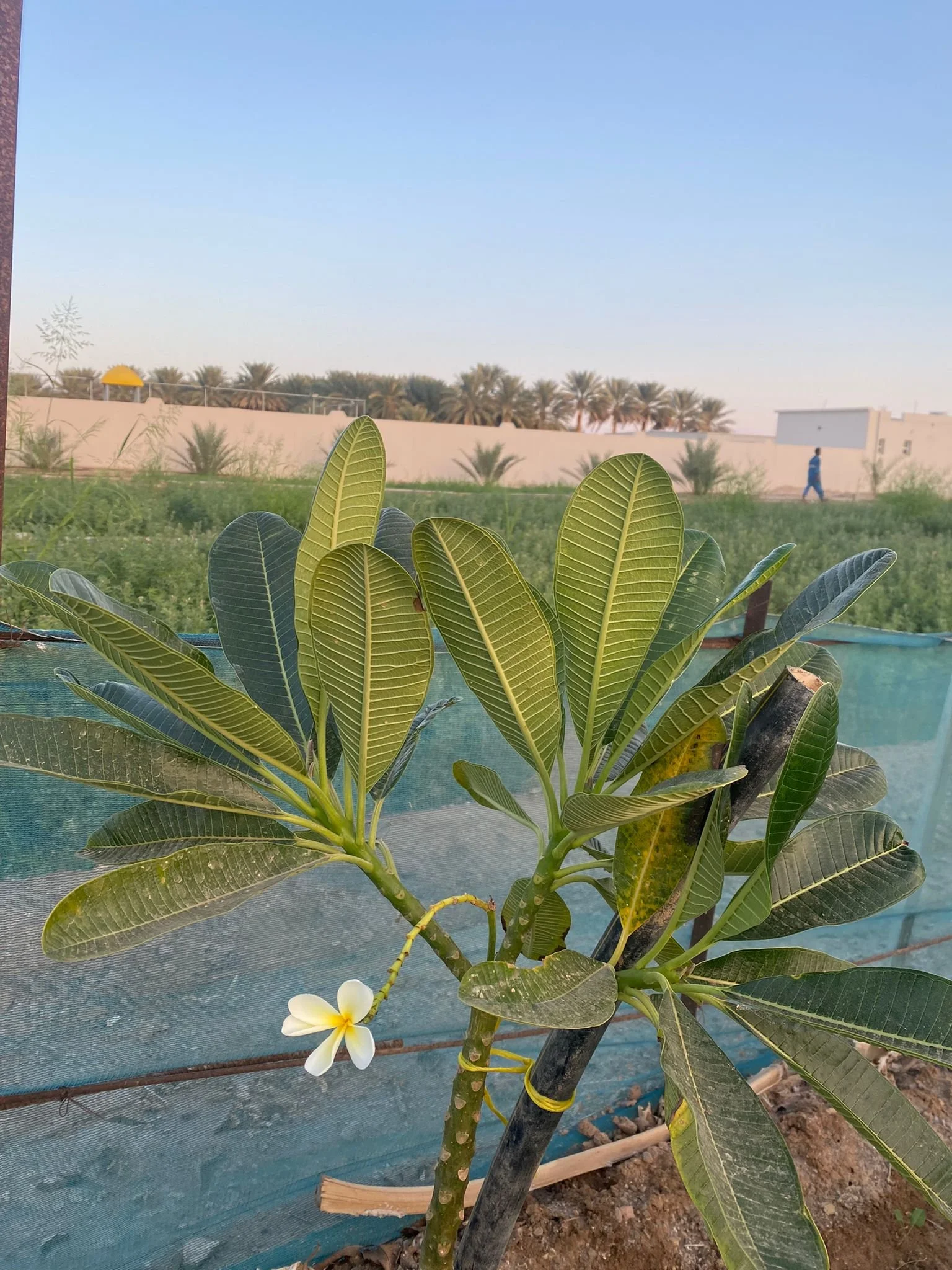
Encouragement, learning, and peaceful moments in a situation that you can’t find peace. — Hiba (Palestine)
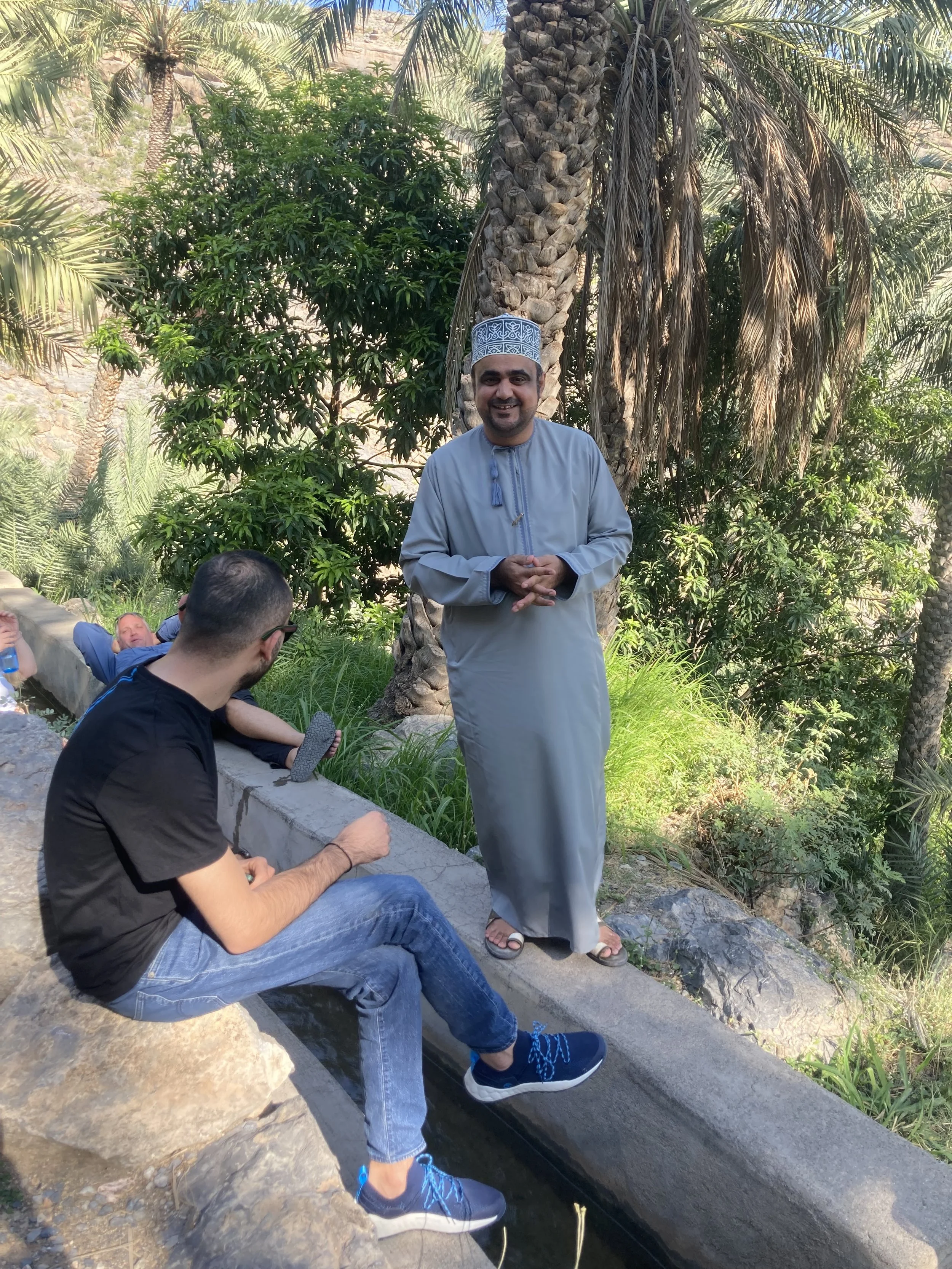
In a conversation with new Omani friends, the shared the wisdom they learned from their grandfather: face every situation with a smile. — Melli (Germany)
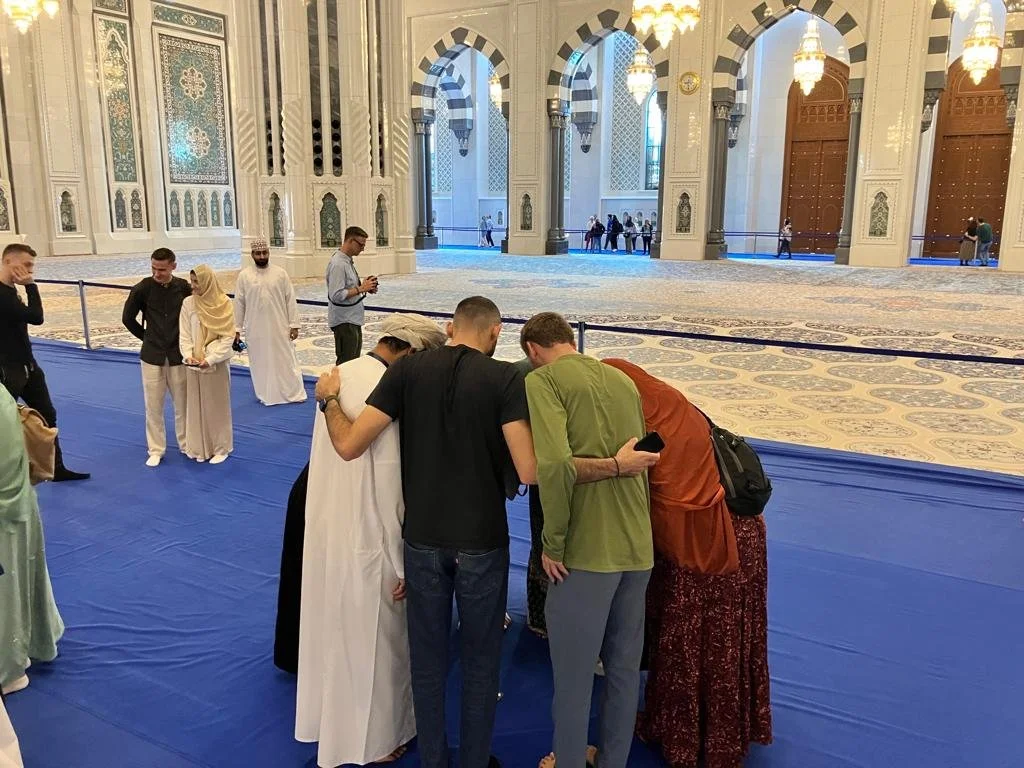
The diversity of our interfaith group is visible in a selfie taken in the midst of the beauty of the Grand Mosque. Just as the grand mosque embodies the diversity of the muslim world, we represent interfaith pluralism in action. — Tamer (Palestine)
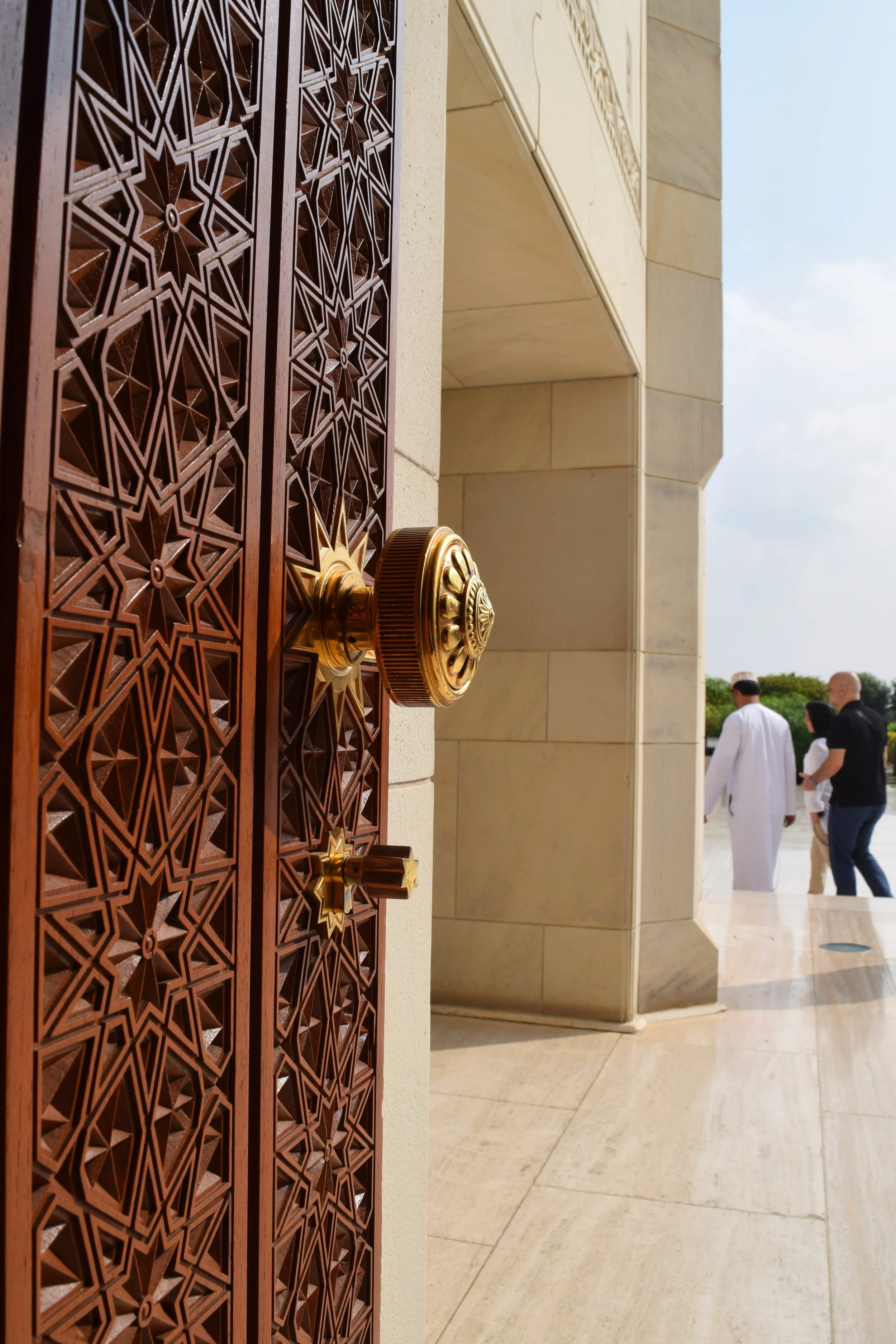
Here is a photo that represents cooperation for me. I think the symbolism of the doorway represents being welcomed into the space and you can also see an Omani man giving a tour to people in the background which I believe is a powerful image of how people desire to understand a context that may not be their own and in turn this leads to better cooperation. — Grace (USA)
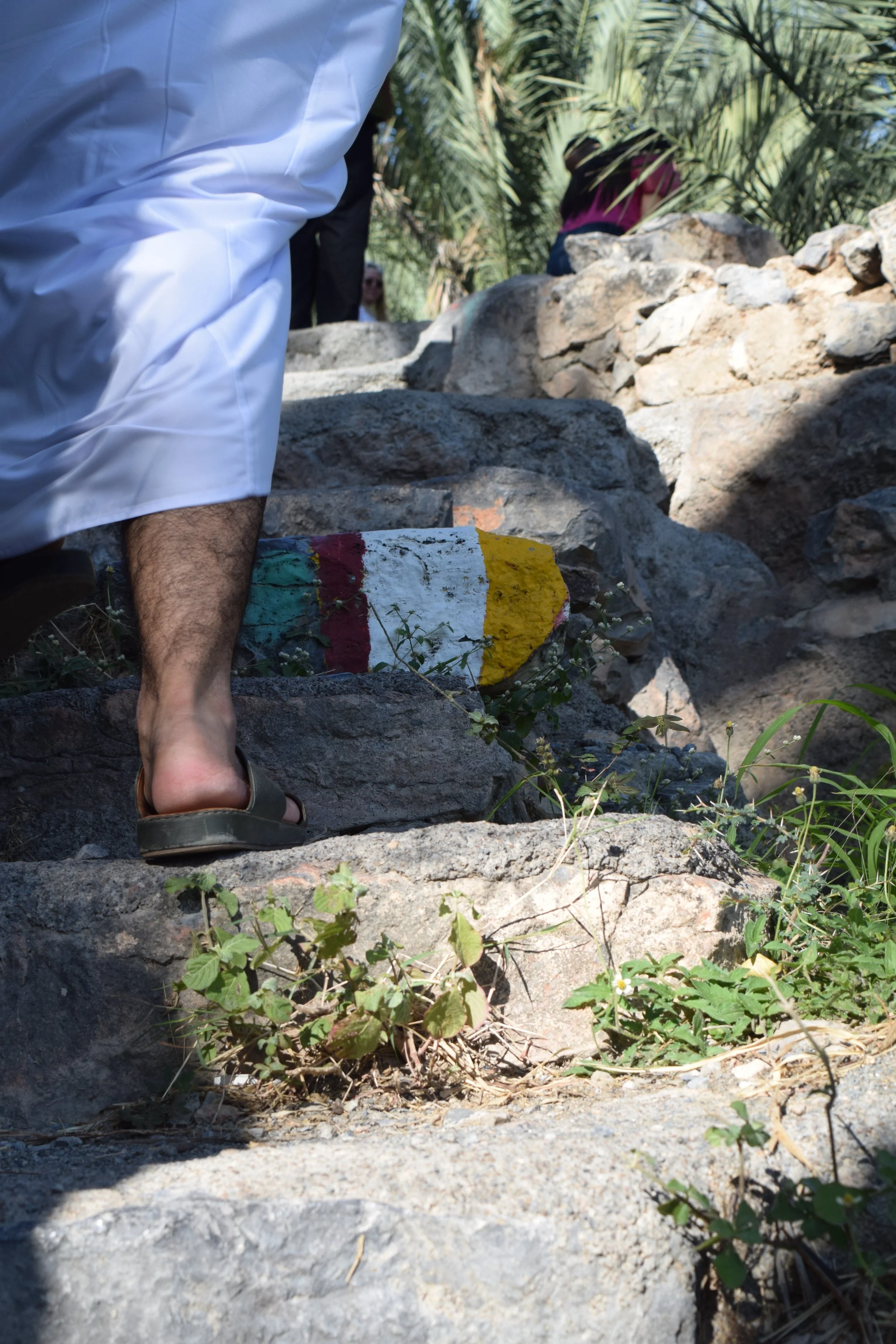
For me, this photograph represents taking steps toward progress and understanding in Oman. We all took this hike together, pushed through the hard parts, and enjoyed the cool falaj at the end. This can represent the beauty of interfaith work, which can be challenging along the journey, but the beauty you can find through it is powerful and beneficial. — Grace (USA)
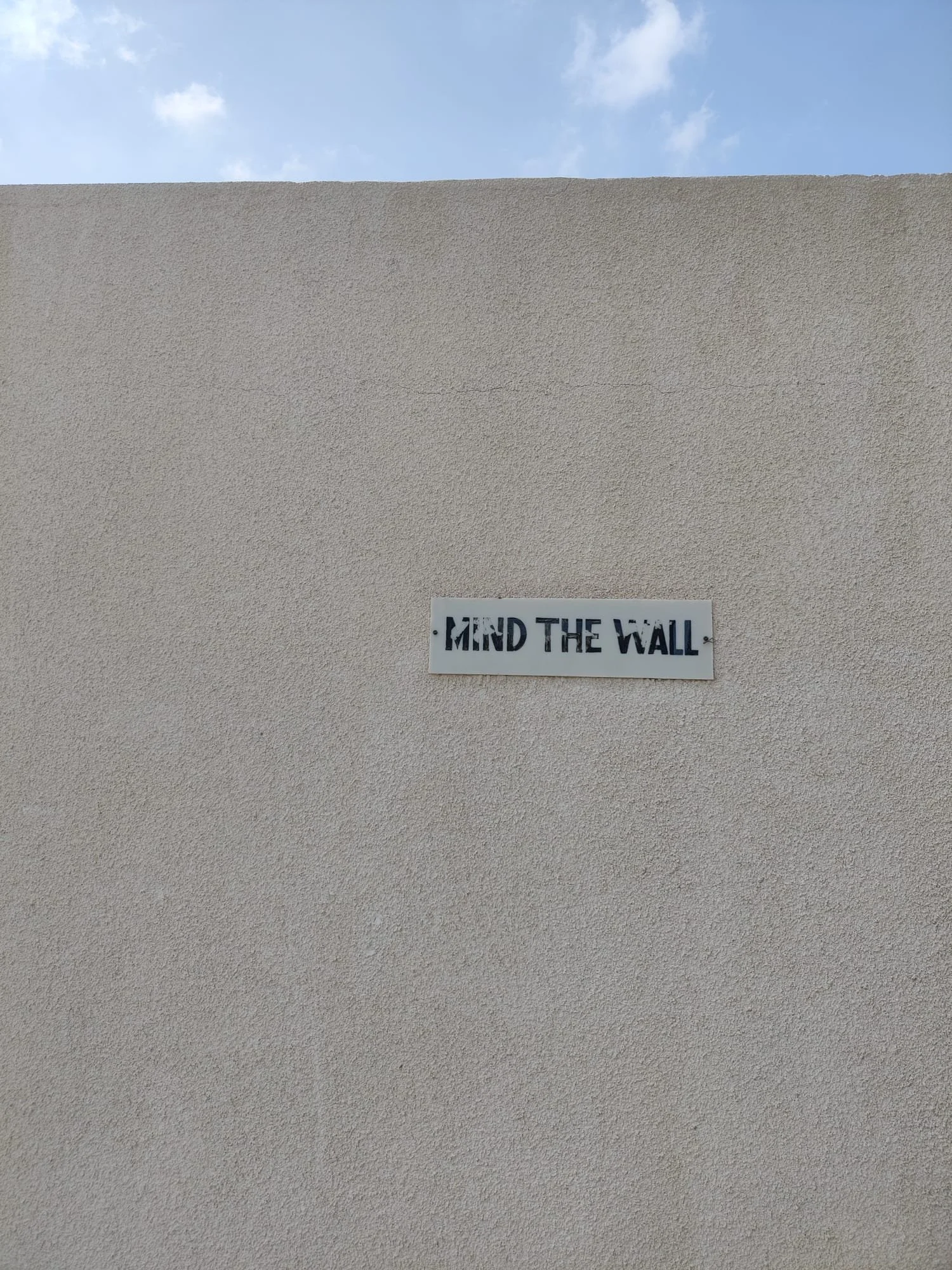
A sing on the wall reminds me of how we need to be mindful of each other’s walls when working across differences. It is what might be hard for the other person, and what in me stands between me and understanding someone else. I’m reminded to mind the wall (in different ways). — Ina (Finland)
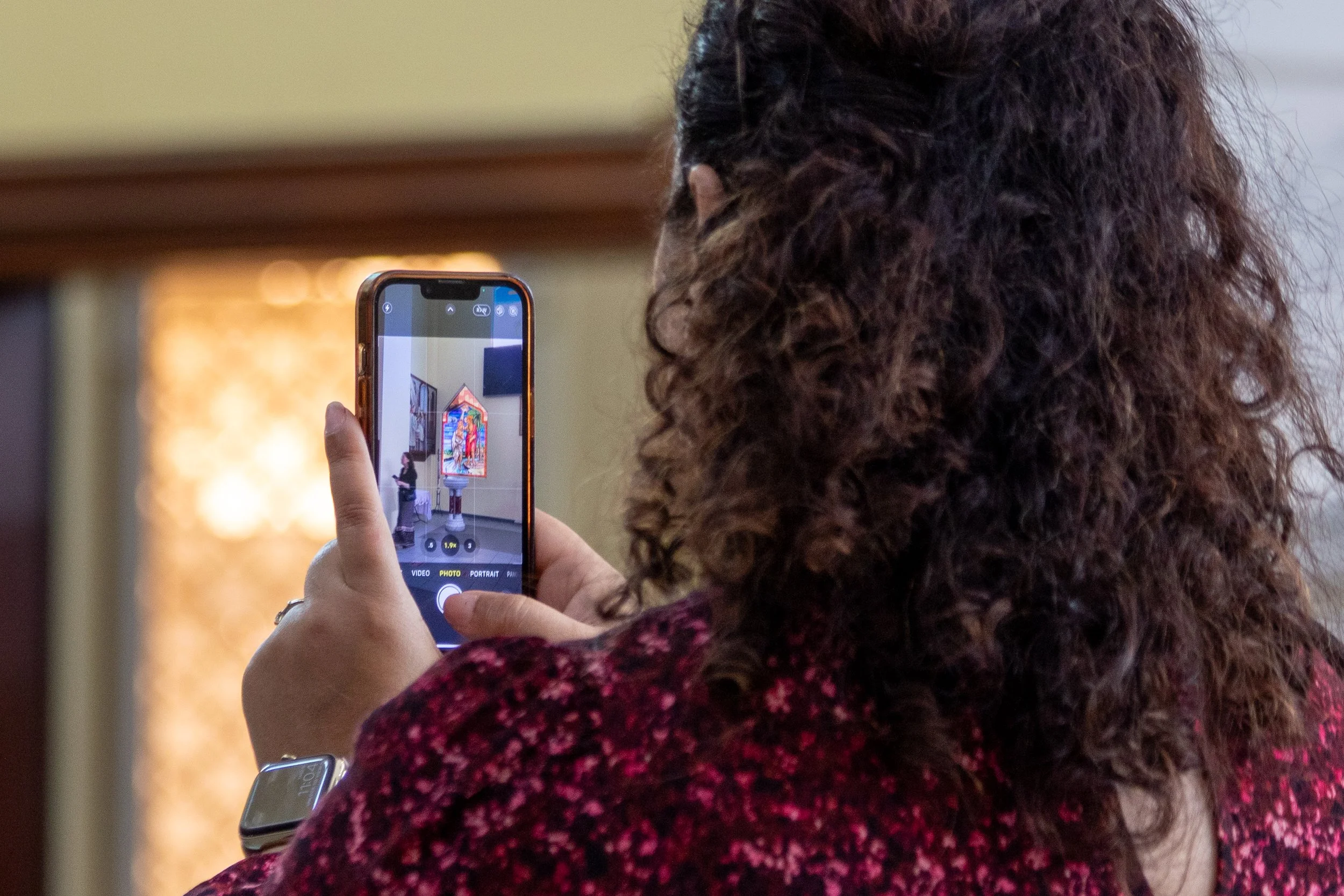
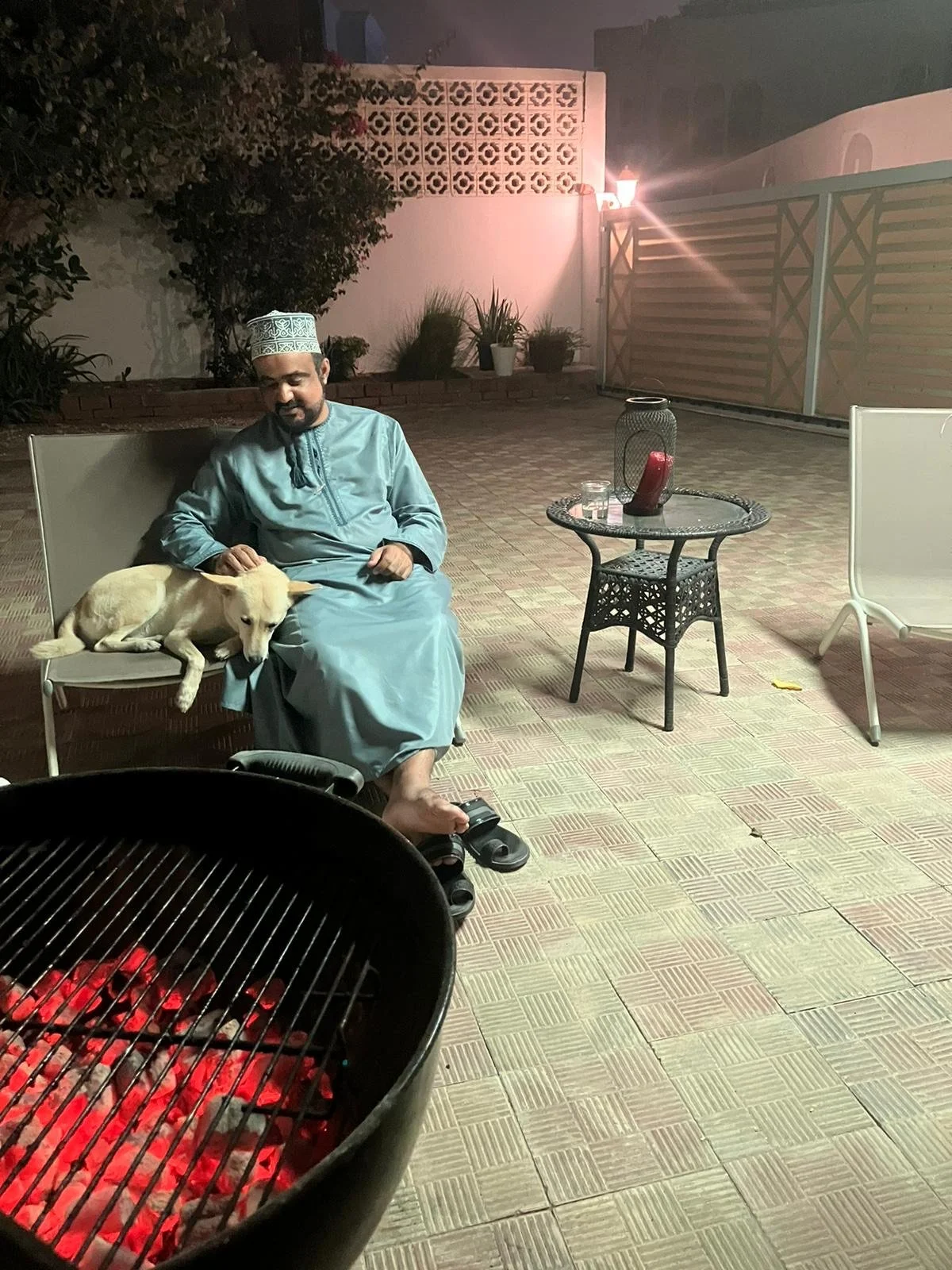
Just like my friend Mohammed had to confront his fear of dogs, sometimes interfaith encounters place us in situations that can be uncomfortable. Stepping into that discomfort leads us to gentle moments. — Ben (USA)
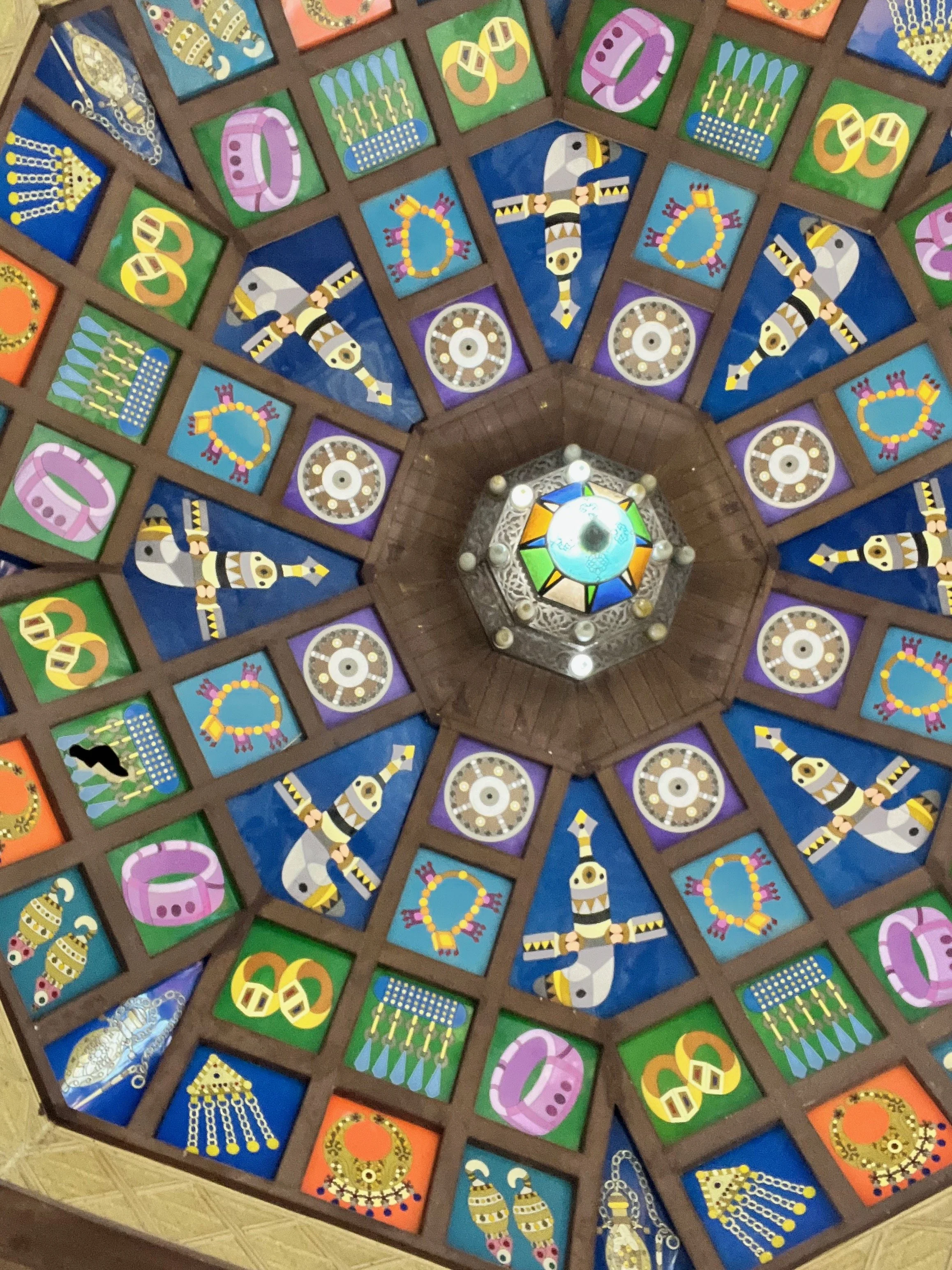
Often when I’m walking I look down because I don’t want to step on something I shouldn’t and I want to see where I’m going. However, when we keep our gaze down we can miss what’s happening around us. This medallion in the Mutrah souq, represents years of multicultural exchange between the Omani culture and a diversity of many people coming together to trade and leave together. Trade brought many traditions, including Christianity, to this region. The stained glass above the baptismal pool of the Ruwi church represents the hope of Christians to live with acceptance in Omani society. — Zahabia (USA)
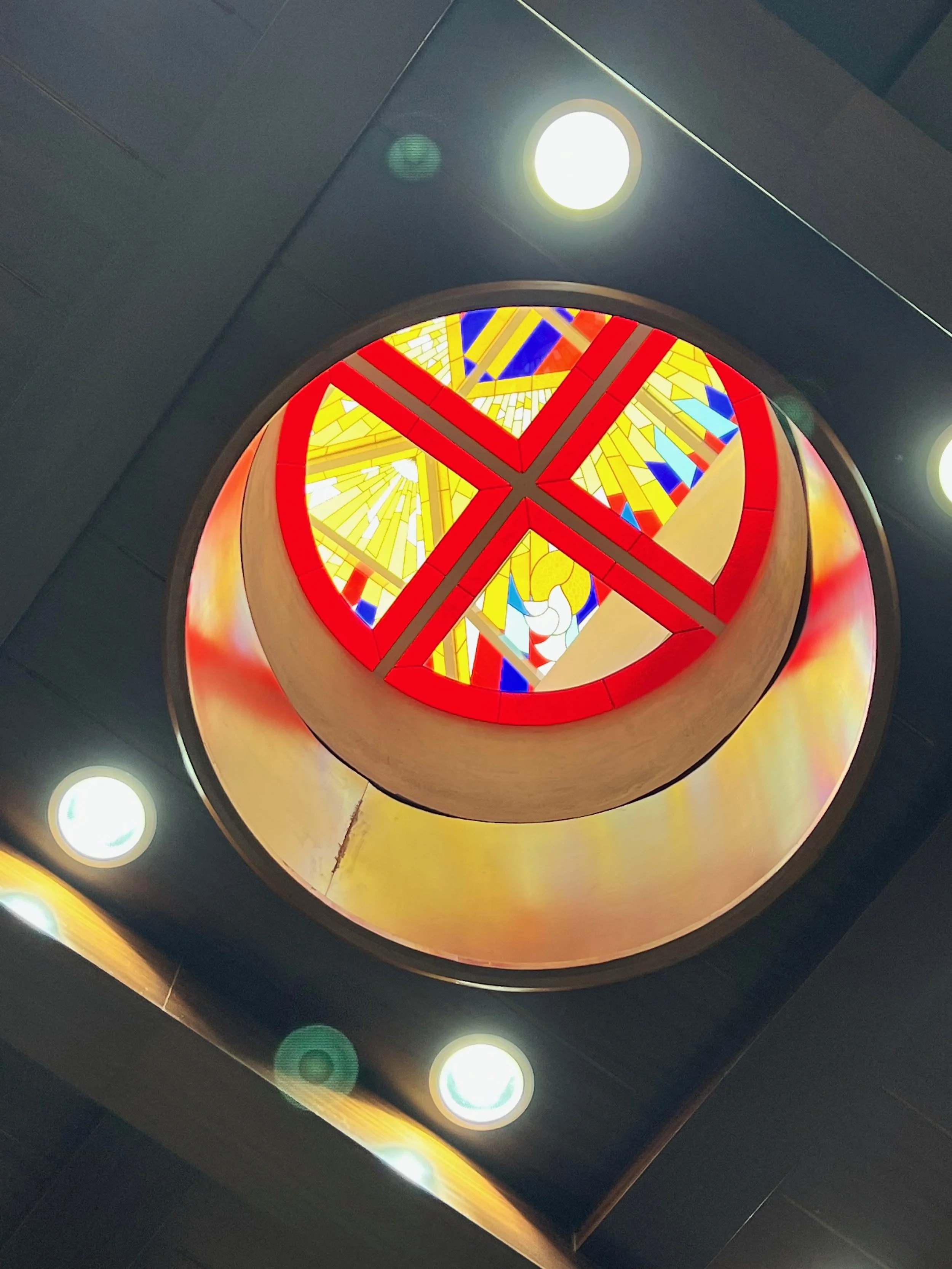
Often when I’m walking I look down because I don’t want to step on something I shouldn’t and I want to see where I’m going. However, when we keep our gaze down we can miss what’s happening around us. This medallion in the Mutrah souq, represents years of multicultural exchange between the Omani culture and a diversity of many people coming together to trade and leave together. Trade brought many traditions, including Christianity, to this region. The stained glass above the baptismal pool of the Ruwi church represents the hope of Christians to live with acceptance in Omani society. — Zahabia (USA)
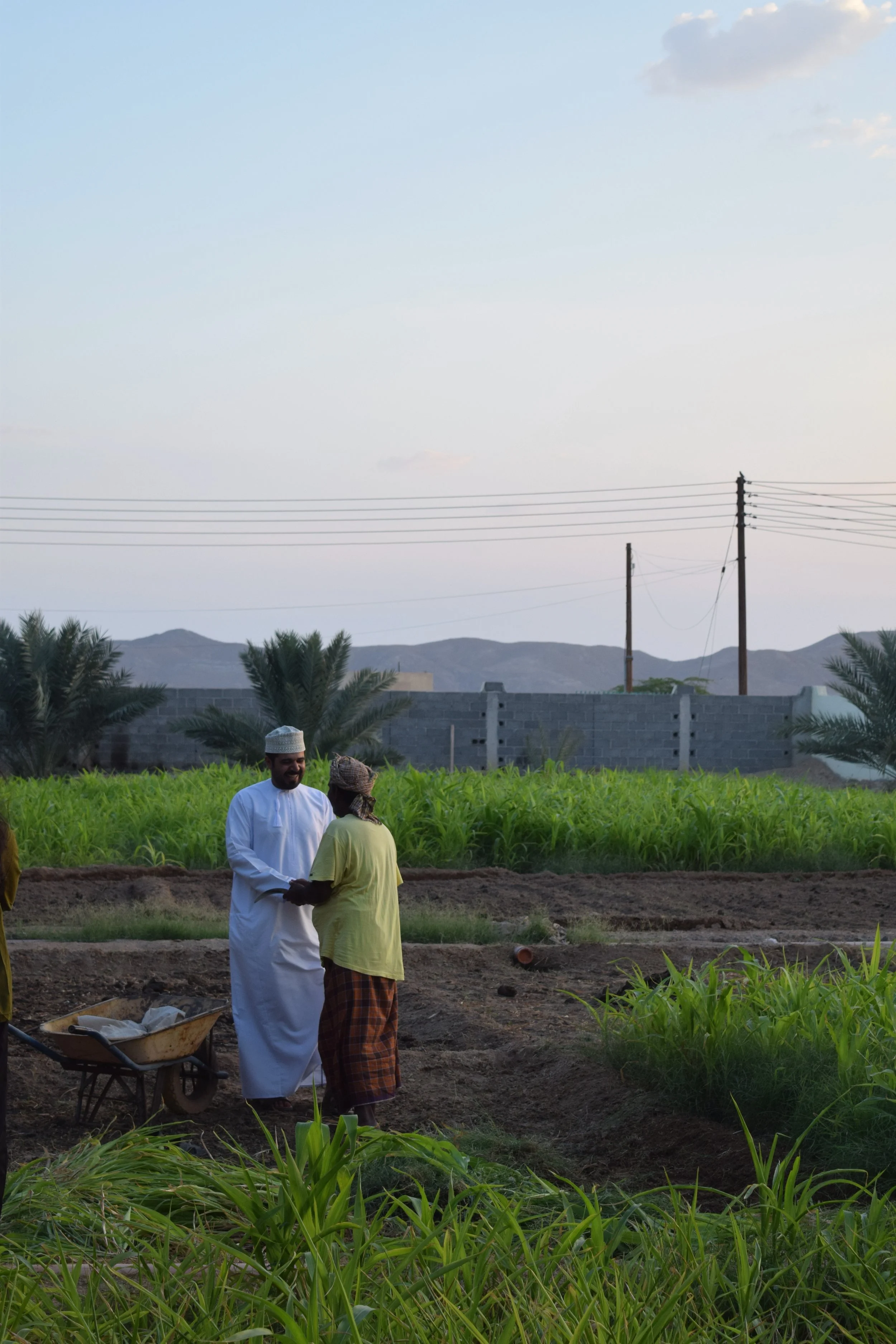
Connection across culture and making family out of friends. This image represents the beauty that can be found across differences because of how this man, who was from Bangladesh, has raised Yusuf and they have become like family throughout the years. — Grace (USA)
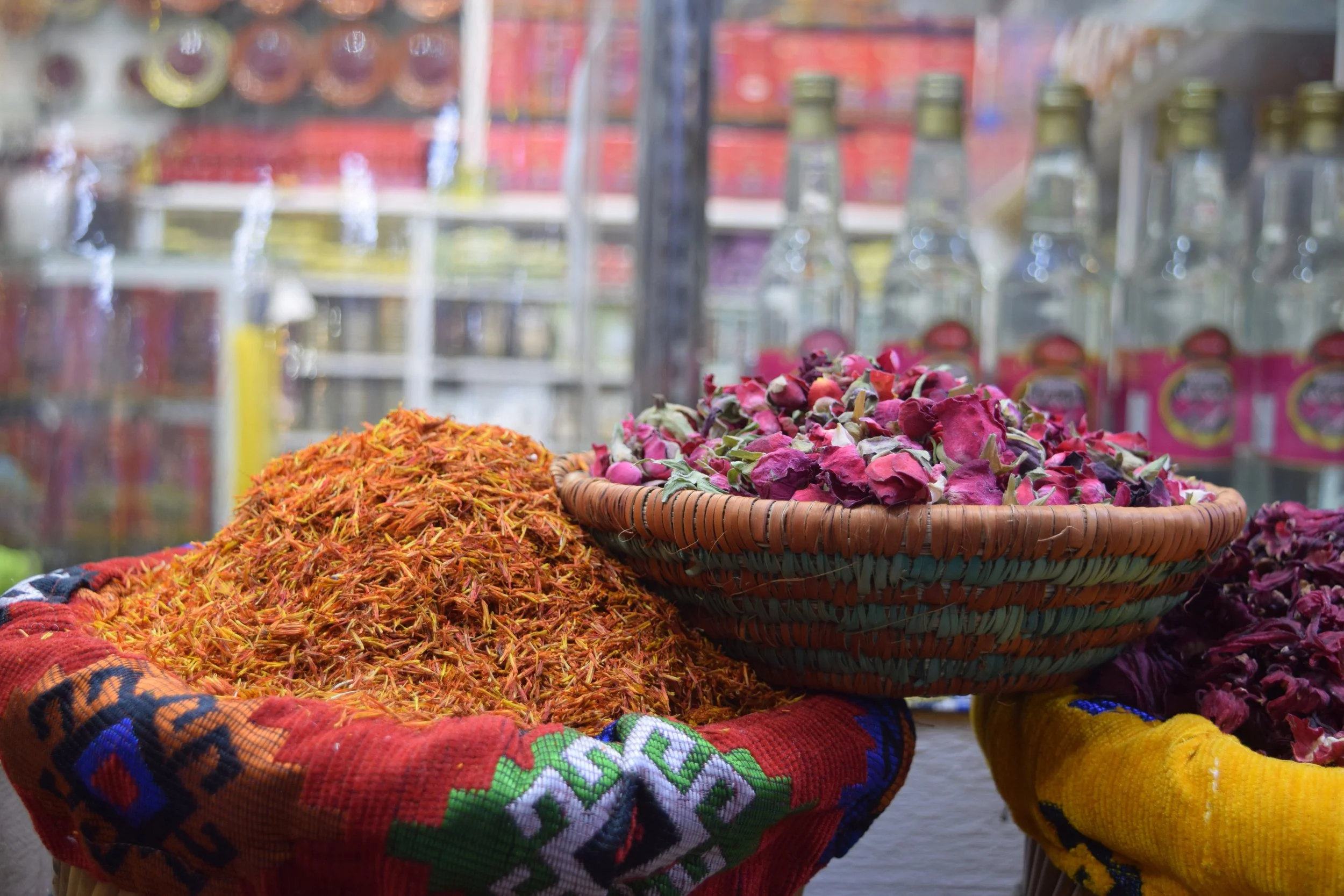
Stark differences between these spices brings vibrance and increased beauty between them. It represents finding the balance in diversity. — Grace (USA)
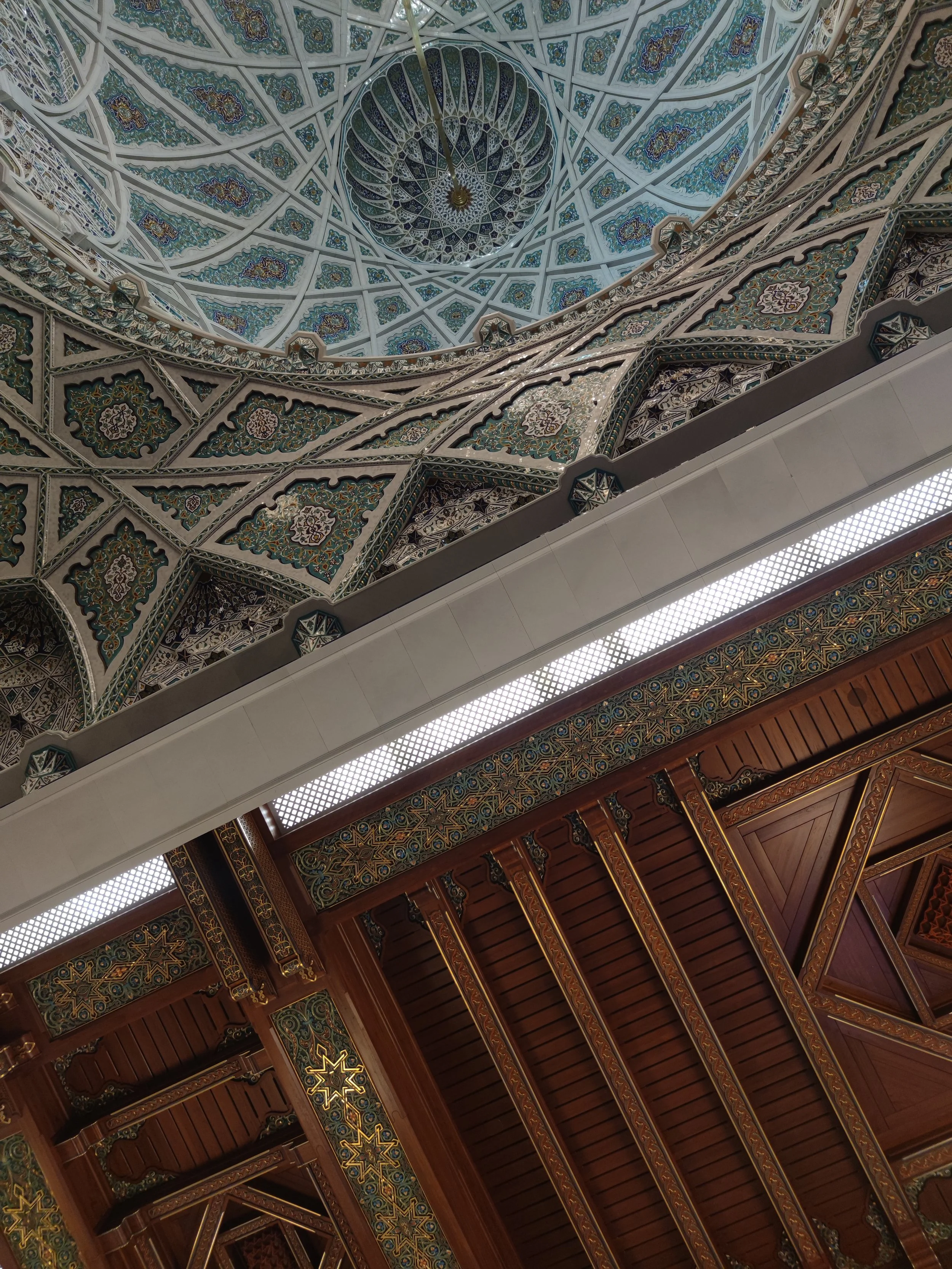
Differences don’t mean we cannot work together or coexist harmoniously. Our diversities can form a beautiful mosaic—in our communities, in society, and in the world. — Anne (Finland)