
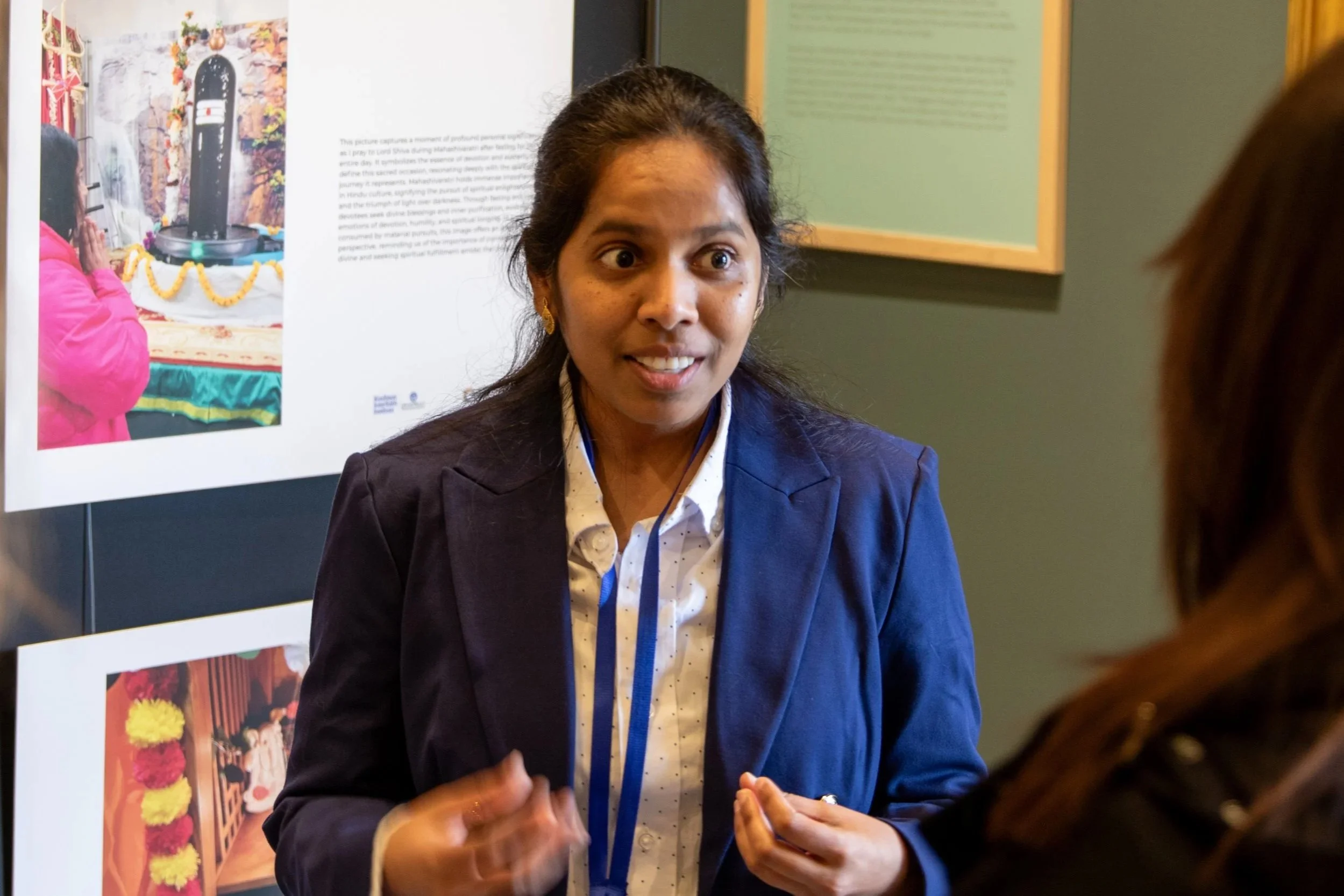
Seeing and Believing at Grand Valley State University
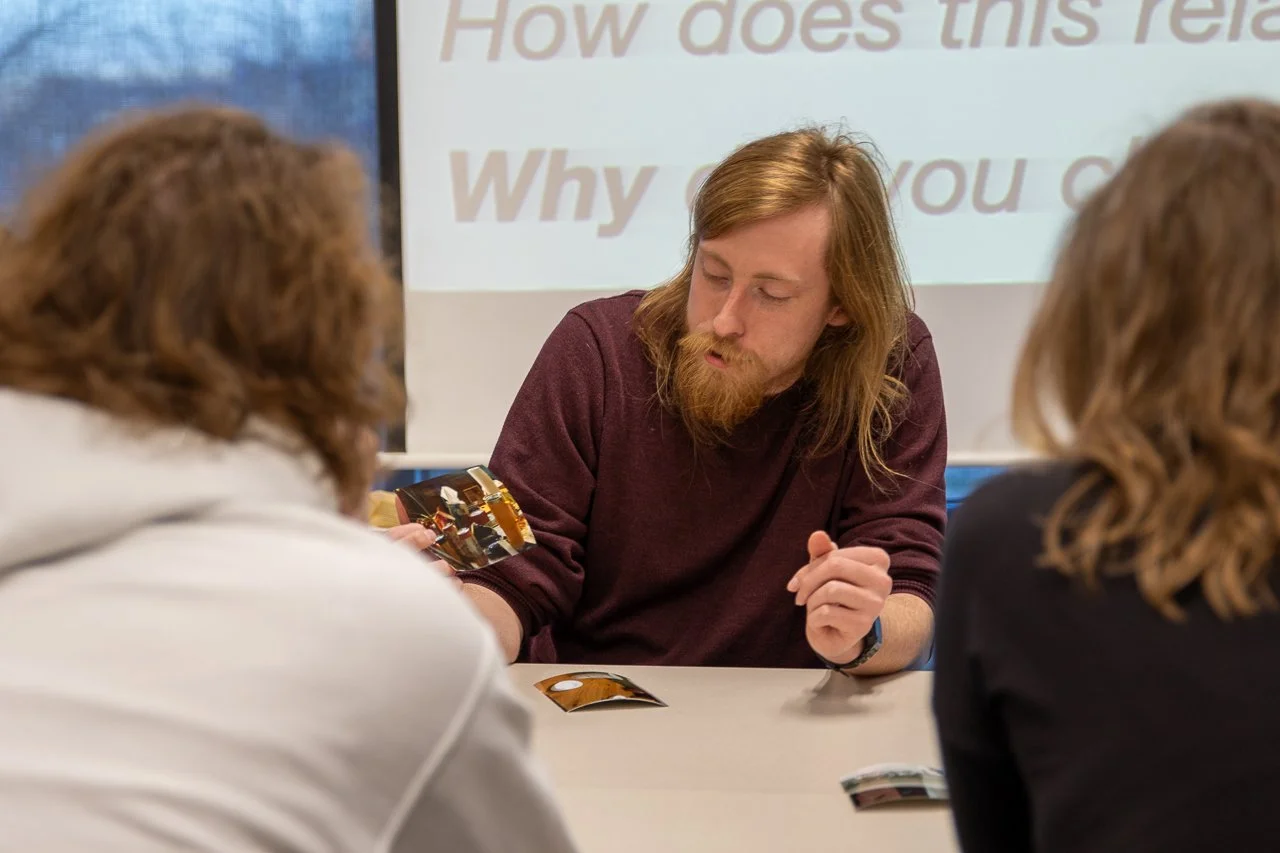
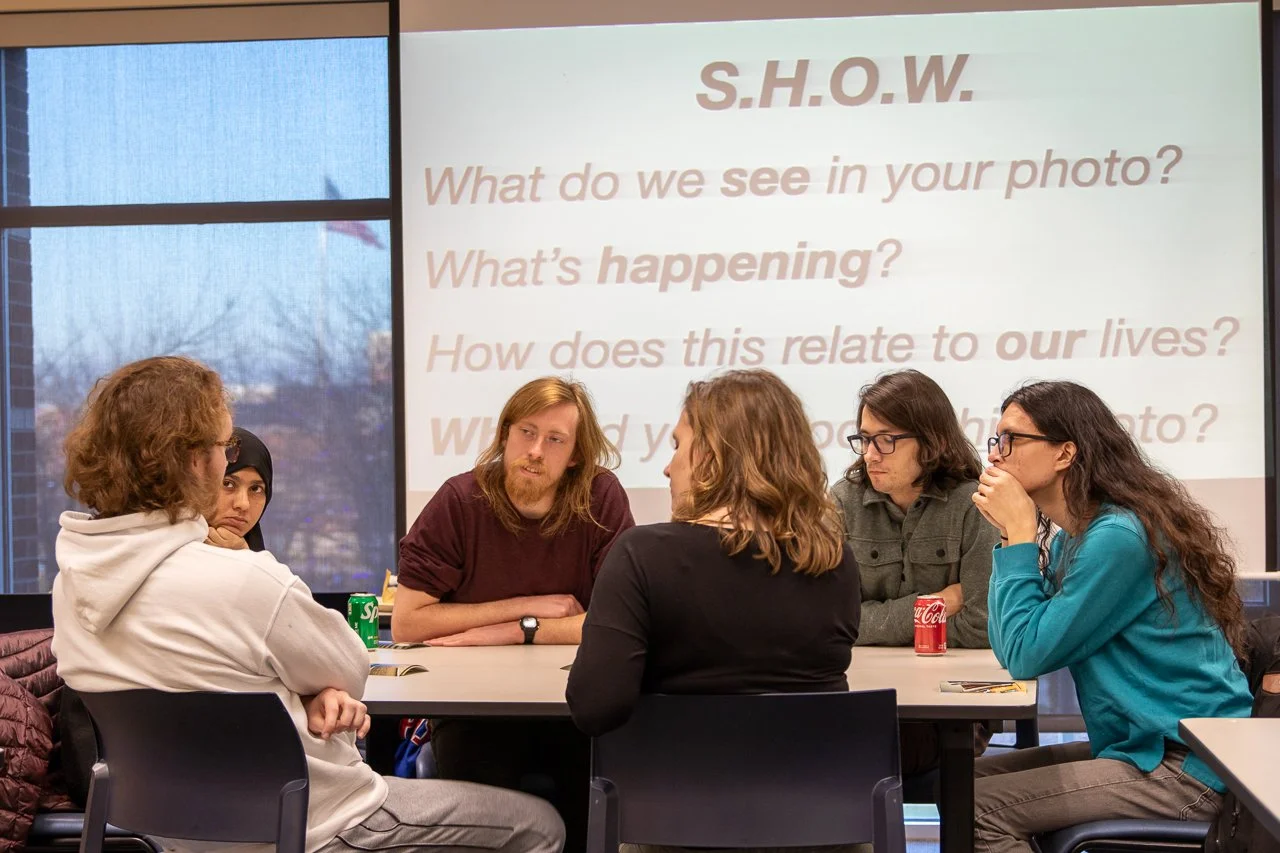
During the 2024 Winter semester at GVSU, the Kaufman Interfaith Institute and Interfaith Photovoice hosted nine students from different religious, spiritual, and secular backgrounds for a semester-long cohort centered on storytelling. By using predominantly mobile-phone photography, these students explored what it meant to believe and belong on campus and in the greater West Michigan community. This project was designed to help capture their experiences and stories, to enable them to find their voice through photography. The cohort culminated in an exhibition displayed on multiple GVSU campuses and curated by the students around three self-selected themes: Religious & Spiritual Practices, Barriers to Belonging, and Creating Welcoming Spaces.
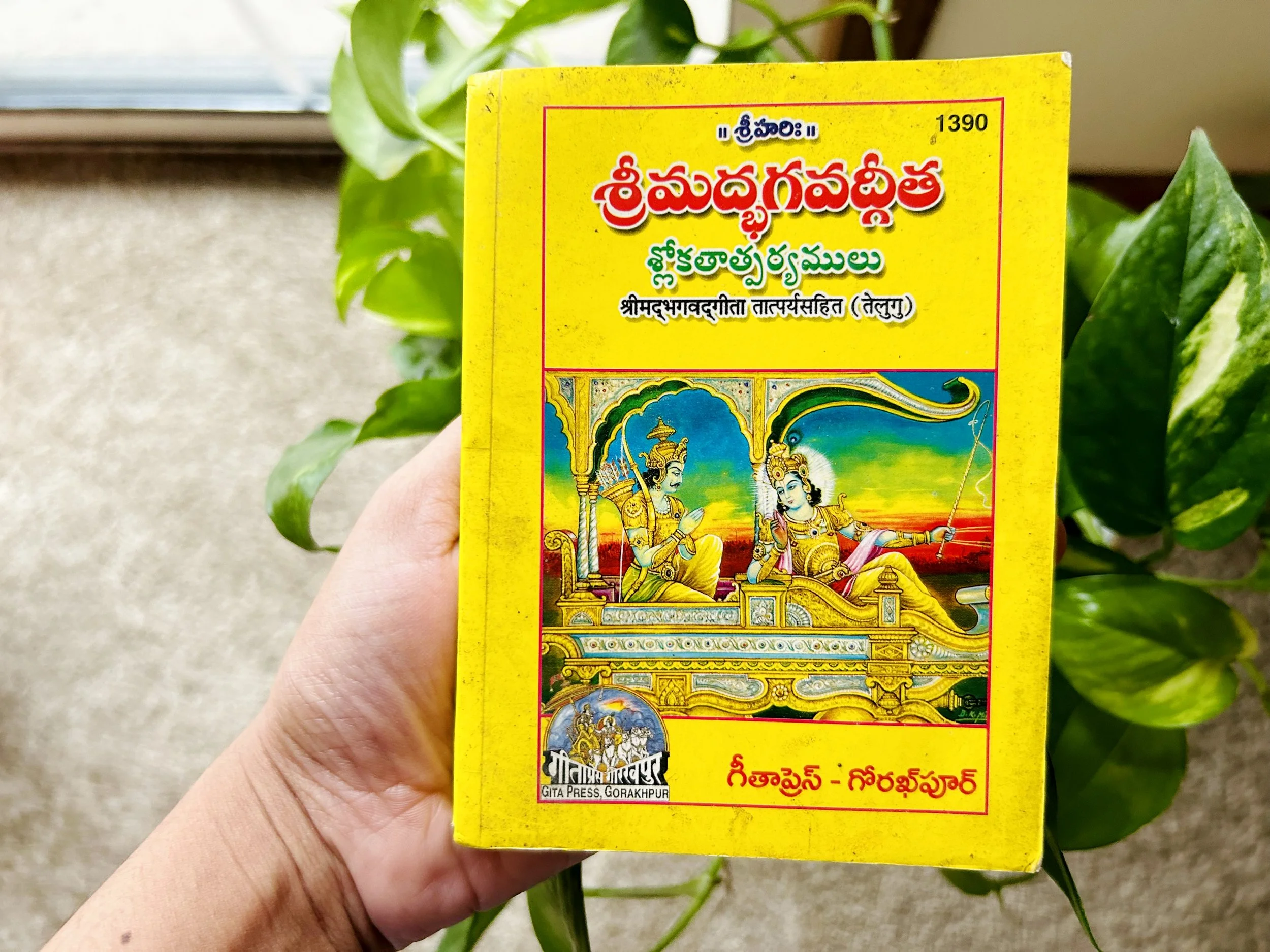
The Bhagavad Gita is a sacred book for Hindus. I remember participating in the Bhagavad Gita sloka recitation competitions in my childhood. The Bhagavad Gita offers profound insights into personal transformation. It is part of the larger epic, the Mahabharata, and is often called the 'Song of the Lord.' The Gita is a dialogue between Lord Krishna and Arjuna, who grapple with life’s complexities and the morality of war. The Bhagavad Gita is a historical document and a philosophical and spiritual guidebook. It offers a systematic elucidation of life’s terrain, addressing the quintessential queries that plague human existence. The text assumes the persona of a personal mentor, effectively addressing challenges and change. Personally, I find the Bhagavad Gita to be a valuable source of inspiration, guidance, and solace. Its teachings, particularly on duty, selfless action, and the pursuit of inner peace, have been instrumental in shaping my worldview and providing me with a framework to approach life’s challenges. — Sri
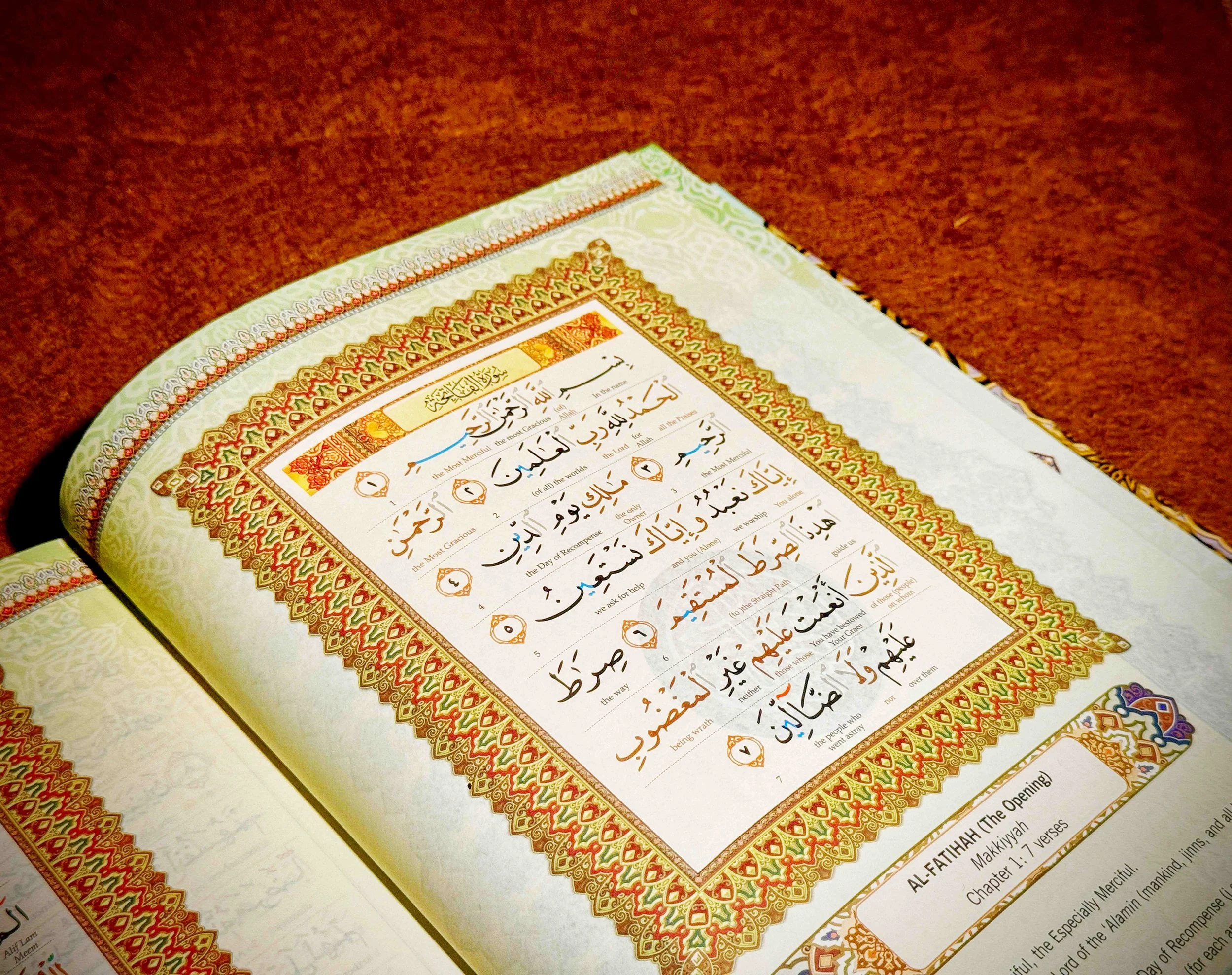
The Holy Quran holds a special place in my life as a practicing Muslim. Revealed to Prophet Muhammad (PBUH) by God, it serves as the center of my faith and a constant source of guidance. Each day, I strive to deepen my understanding of its teachings, which encompass all aspects of life—from matters of faith and practice to moral conduct and interpersonal relationships. Its verses offer invaluable lessons on how to be a better human being, addressing topics ranging from personal conduct and familial relationships to societal ethics and religious obligations like prayer, fasting, pilgrimage, and marriage. This photo captures the essence of the Quran's first lesson, which begins with praise for God and a plea for His guidance—a ritual that forms an integral part of my daily life and spiritual journey. This first lesson is recited in all the prayers, which total 17 obligatory units spread out over five times a day, a practice I faithfully observe. — Anam
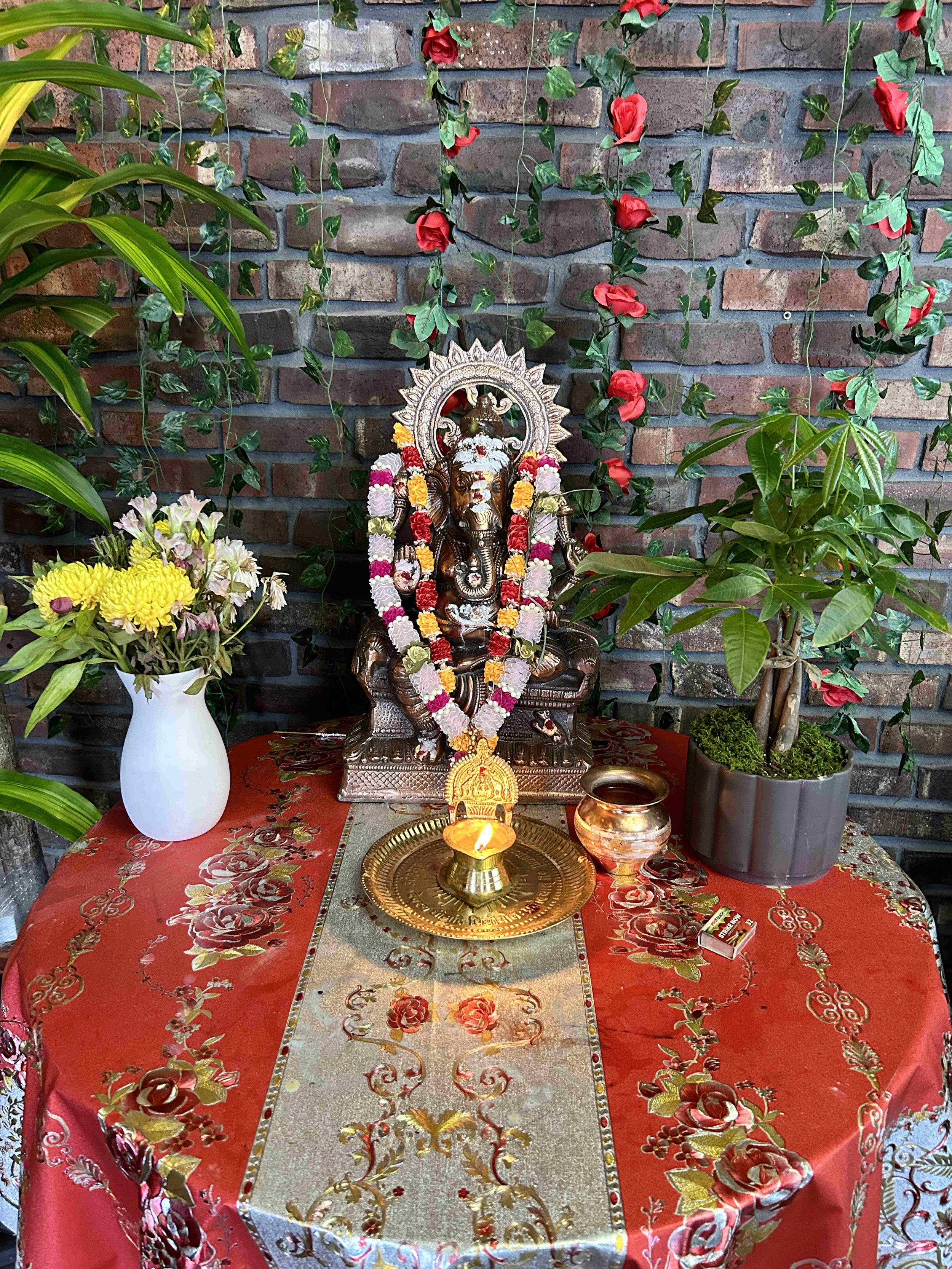
Lord Ganesha welcoming customers at the entrance of an Indian restaurant in Grand Rapids, Michigan, is a beautiful representation of the cultural significance of this deity in Hinduism. Lord Ganesha, also known as Ganapati or Vinayaka, is the elephant-headed god revered as the remover of obstacles and the god of wisdom. The restaurant has displayed a stunning image of Lord Ganesha, which instantly catches the eye of anyone who enters. The intricate details of the statue, the vibrant colors, and the serene expression on his face create an aura of positivity and auspiciousness. The elephant head represents wisdom, strength, and the ability to overcome obstacles, while the large ears symbolize the importance of listening and understanding. The broken tusk represents sacrifice and the ability to use knowledge for the greater good. It reminds me of the warmth and love of my family in India. — Sri
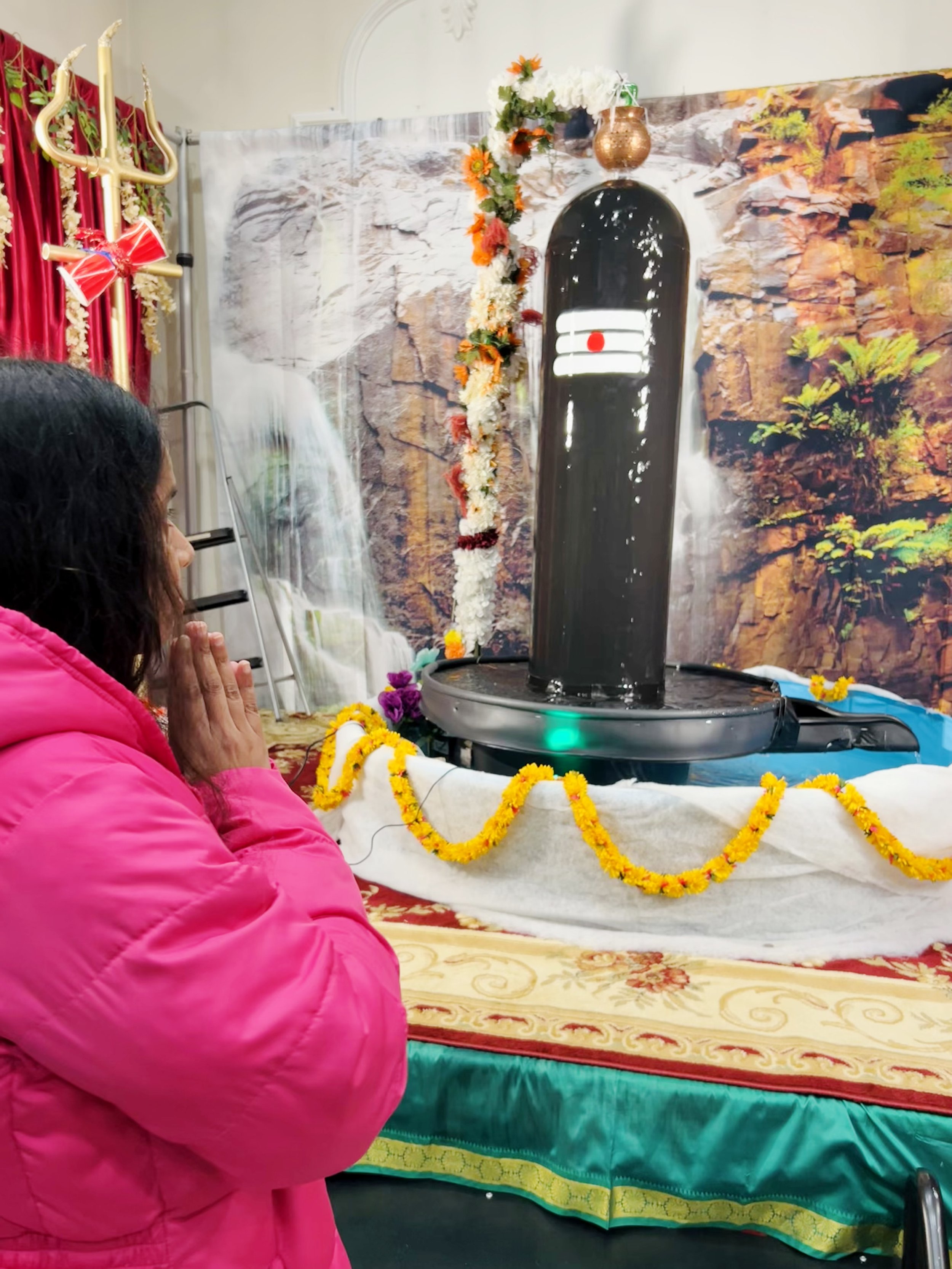
This picture captures a moment of profound personal significance as I pray to Lord Shiva during Mahashivaratri after fasting for the entire day. It symbolizes the essence of devotion and austerity that define this sacred occasion, resonating deeply with the spiritual journey it represents. Mahashivaratri holds immense importance in Hindu culture, signifying the pursuit of spiritual enlightenment and the triumph of light over darkness. Through fasting and prayer, devotees seek divine blessings and inner purification, evoking deep emotions of devotion, humility, and spiritual longing. In a world often consumed by material pursuits, this image offers an alternative perspective, reminding us of the importance of connecting with the divine and seeking spiritual fulfillment amidst the chaos of daily life. — Sri
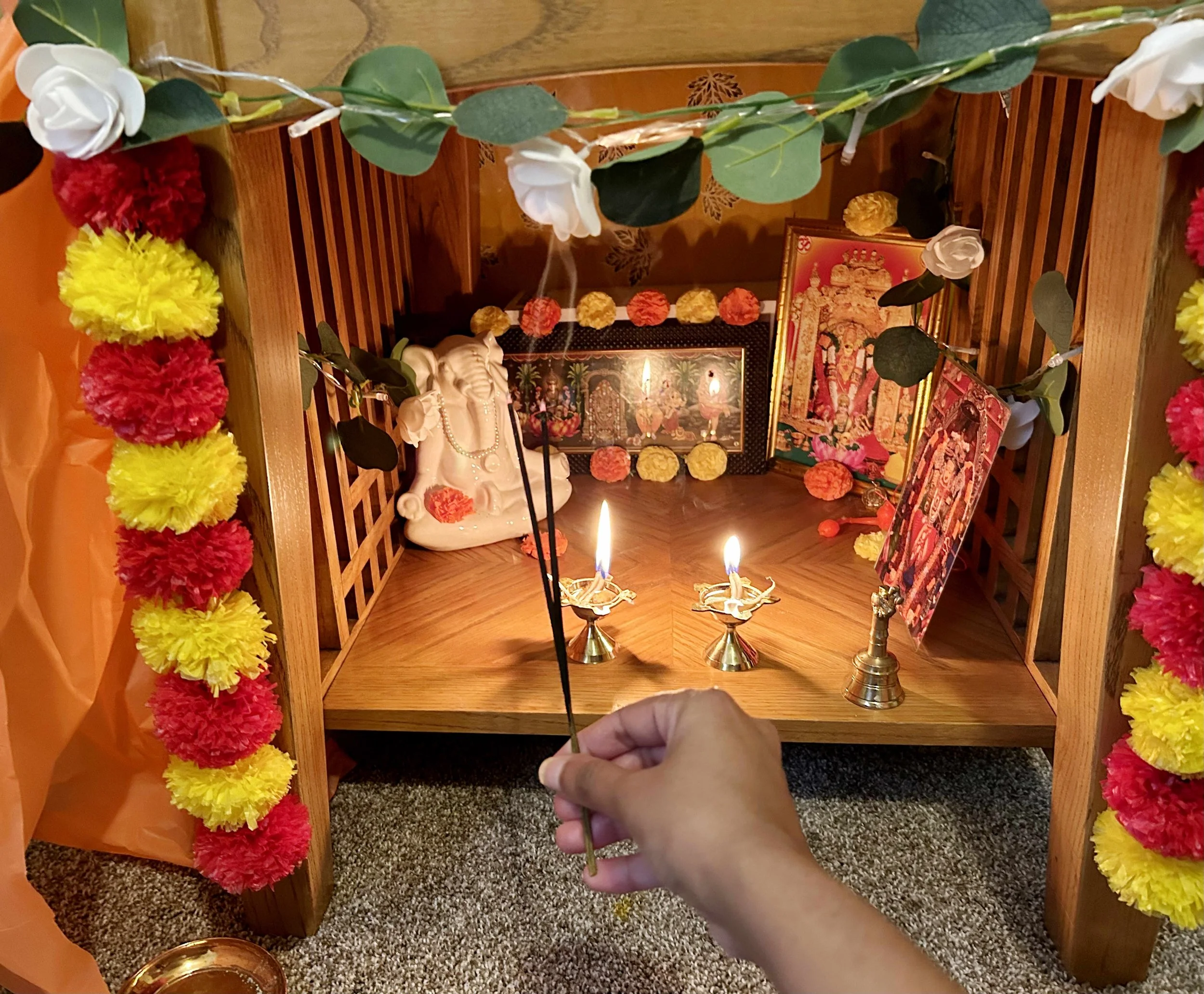
Puja is a religious ritual practiced in many Indian homes, including mine as an Indian living in America. In this ritual, lamps are lit as an offering to the divine. The light from the lamp symbolizes knowledge and the power of the sacred, while the wick represents the ego, and the oil signifies our negative tendencies. When lit by spiritual knowledge, these negative tendencies are gradually eliminated, and the ego eventually perishes. There are various ways of performing puja: light lamps in front of a deity, some in front of the Tulasi plant, and some light lamps at dawn and dusk. The type of oil and wick used also holds significance. For instance, cow's ghee ensures radiance, prosperity, health, and happiness. Similarly, a cotton wick brings prosperity and all good fortune. The chanting of slokas or hymns also accompanies the lighting of the lamp. The shloka "Subham Karoti Kalyanam, Arogyam Dhana Sampadah, Shatru Buddhi Vinashaya, Deepa Jyotir Namostute" is commonly chanted while lighting the lamp, seeking the divine's blessings for prosperity, good health, and the destruction of opposing forces. — Sri
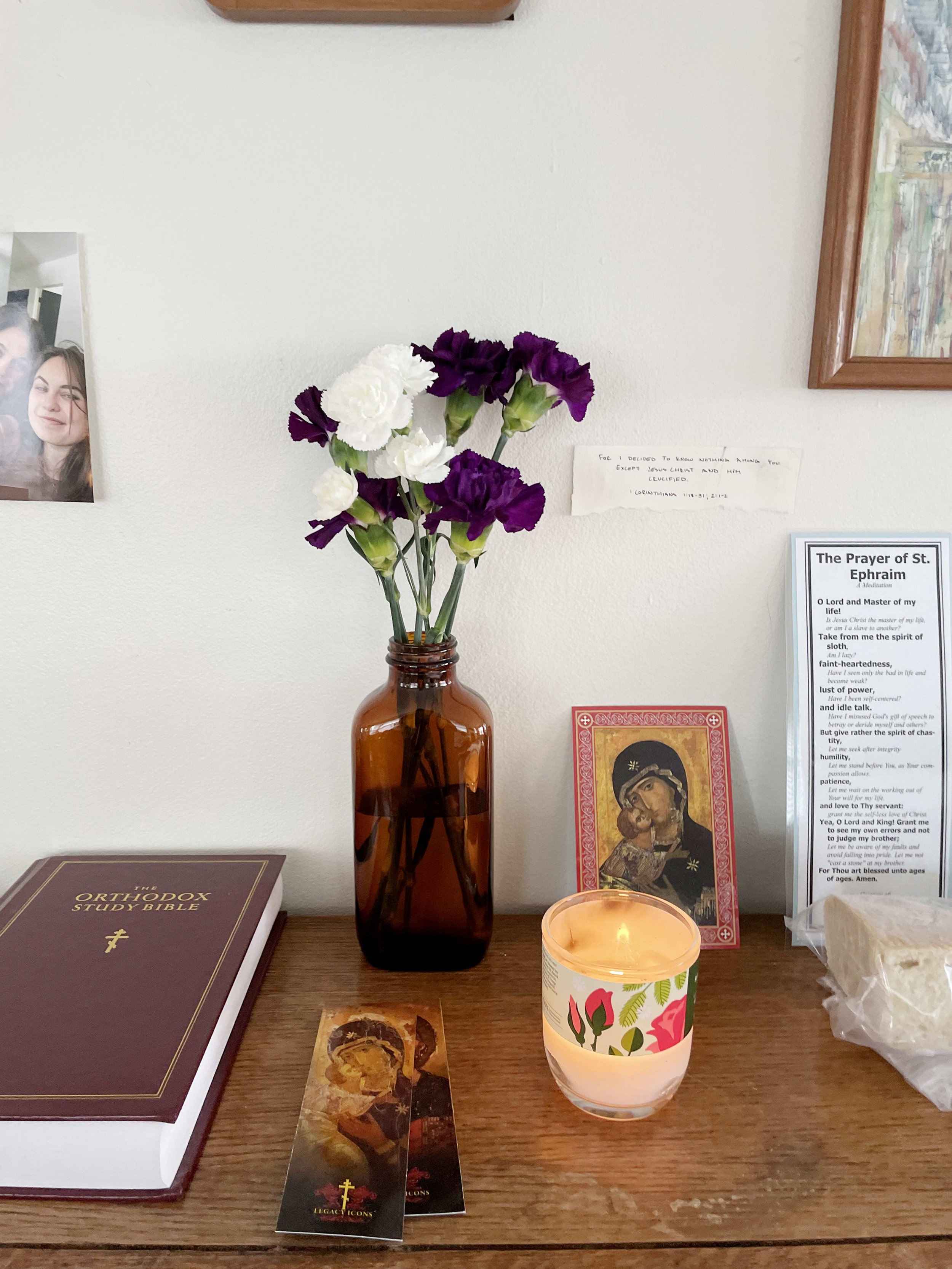
Through Interfaith Photovoice, I was part of many conversations about belonging. Where do I belong or have a home? Lenten bouquets are not an official tradition within the Eastern Orthodox Church, the Christian tradition that I practice, but the color purple is liturgically the color for the time of Lent. While I have been so rooted and comforted to know and believe I belong within my faith and God, that I have a home in those spaces, it occurred to me that I might also make a space for God to have a home within me and my space. — Cecelia
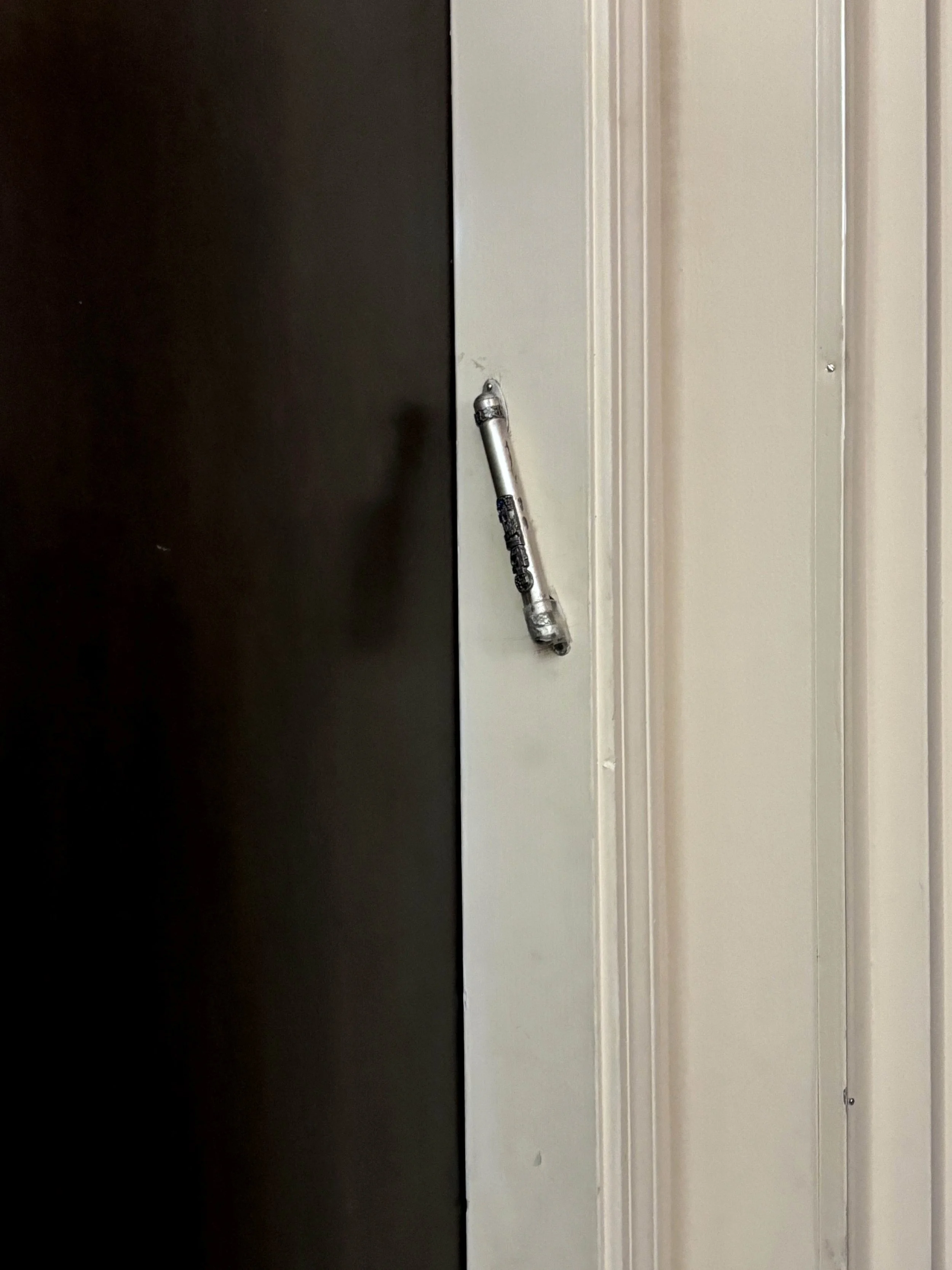
Mezuzahs are often found outside of doors in Jewish spaces. They are there as a reminder that you are entering a holy space and should act accordingly. When I am in my hometown, I see many of these. Being in a new environment here at GVSU with not as many Jewish people, I do not see mezuzahs on doors when I am walking in. — Molly
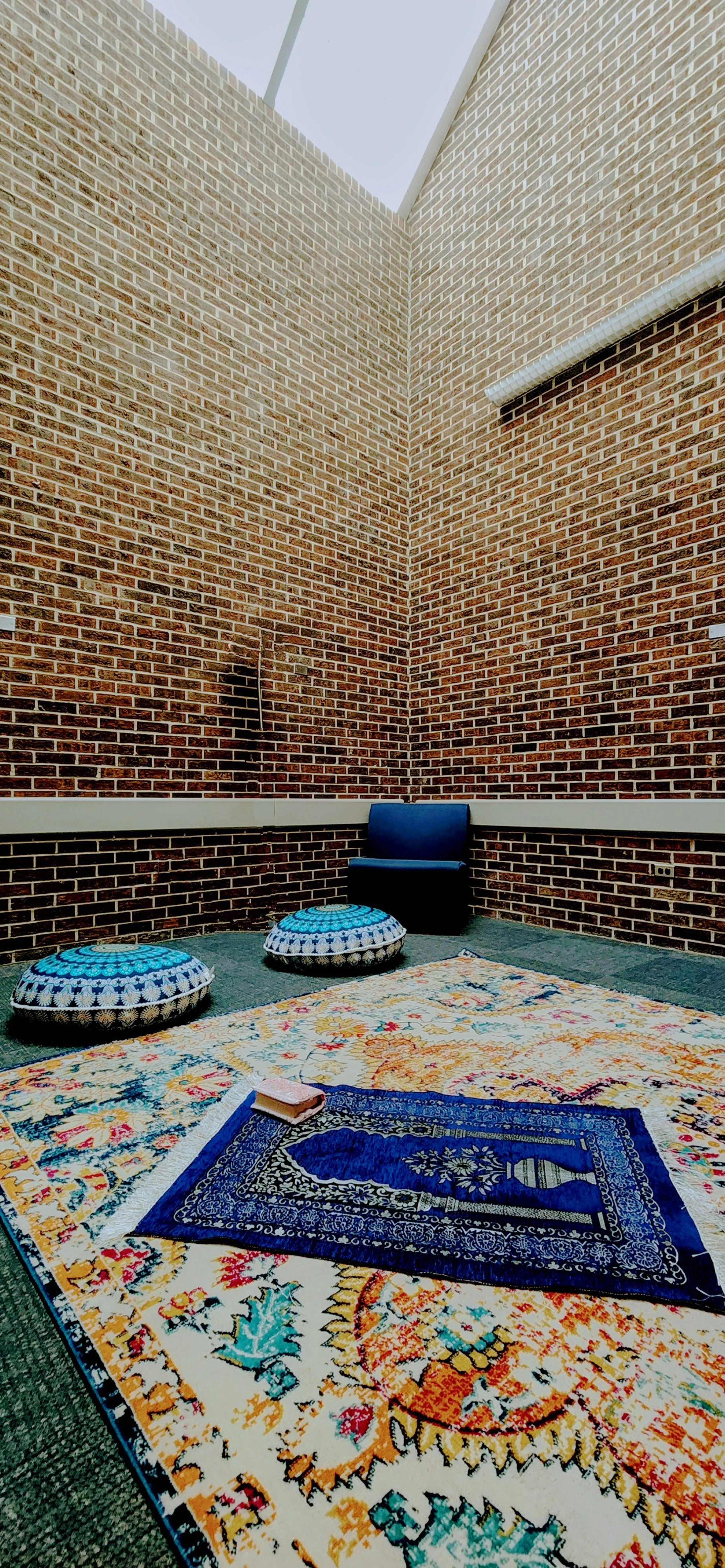
This photograph captures a moment of tranquility within one of the Interfaith Reflection Rooms at GVSU, where individuals from diverse backgrounds come together to pray. In Islam, prayer, being the second pillar of the faith, holds significant importance. Muslims adhere to a disciplined practice of praying five times a day, each within specific time windows. There are 17 obligatory units of Salah spread throughout these five daily prayers, and each unit consists of two sajdah (prostrations). This image not only signifies the personal devotion of individuals but also highlights the inclusive environment fostered by the university, providing a space for spiritual reflection and connection regardless of one’s faith tradition. For me, salah (prayer) is a profound experience where I feel deeply connected to God. It’s a time when I am away from all worldly tensions, allowing me to find peace and solace for my soul. Each prostration (sajdah) during prayer brings immense benefits, including physical relaxation, mental clarity, and spiritual elevation. It’s a moment of submission and humility before the Divine, offering a sense of renewal and inner tranquility that carries me through the challenges of daily life. — Anam
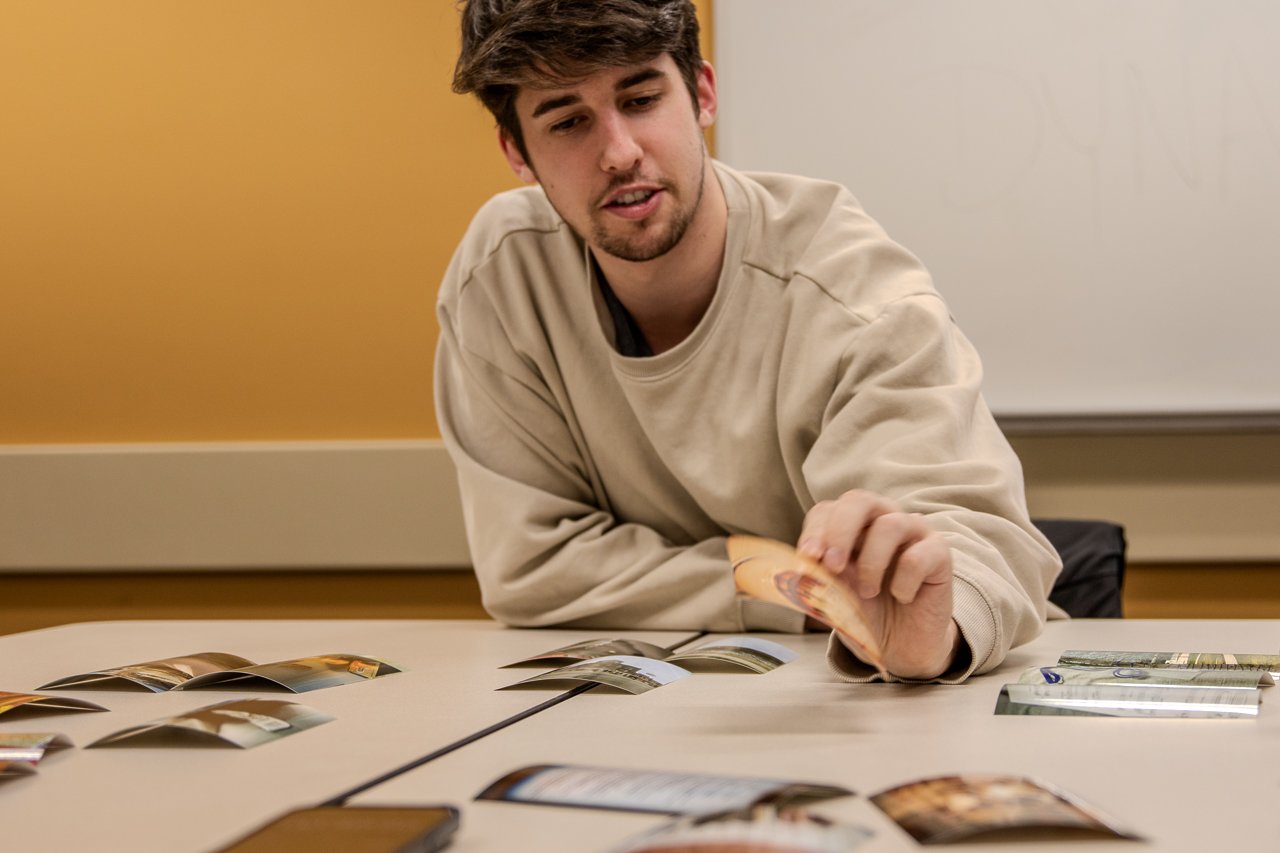
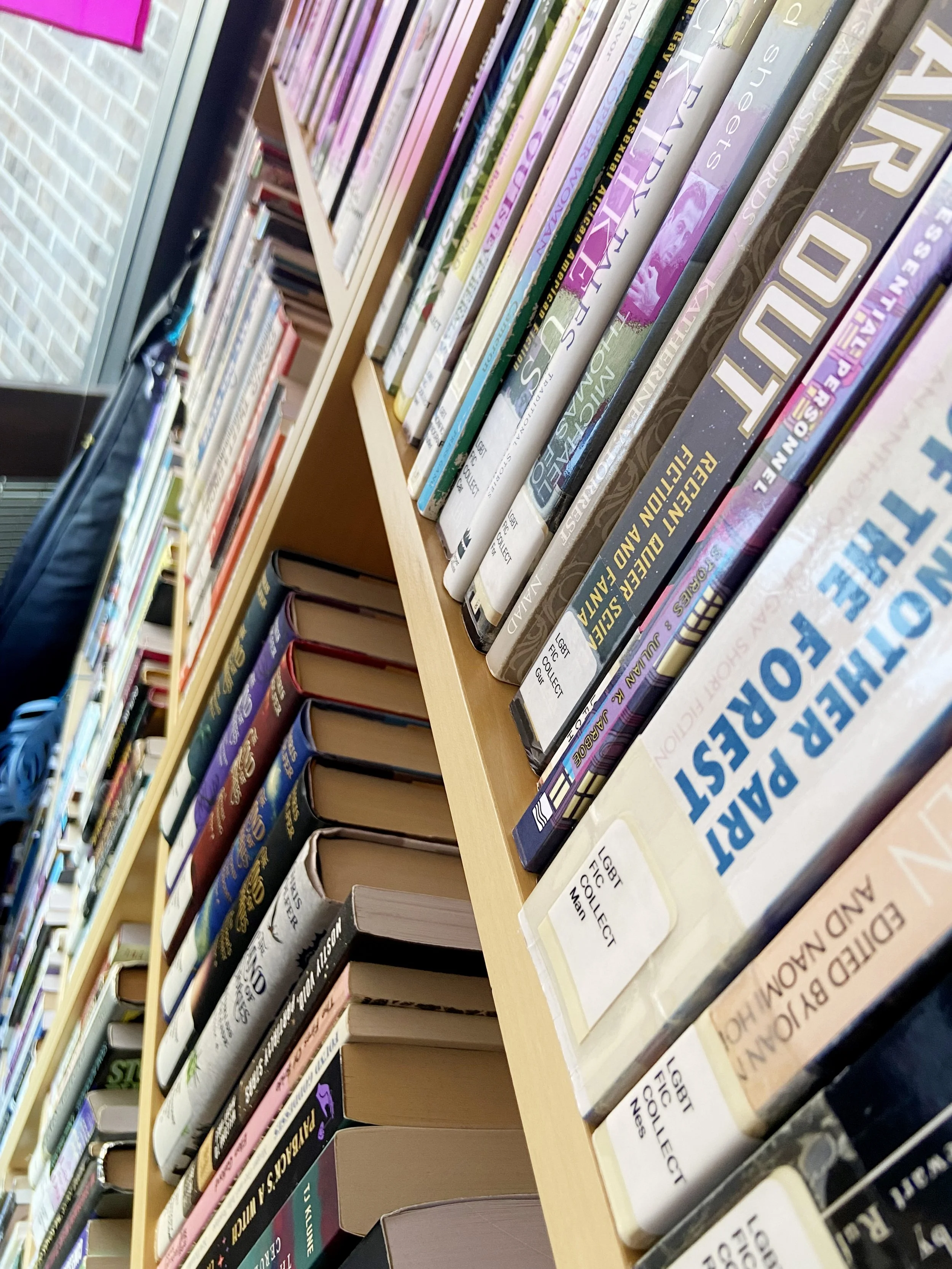
Growing up, I didn’t have a lot of exposure to LGBT books, fiction or non-fiction. Every reference was treated with a great deal of sterility and distance if not complete dismissal. So to find out we had an entire little library on campus dedicated to queer literature was beyond wonderful. Everything I had wished I was able to read growing up was right here in one place. To have something like this on campus is such a joy because it means our stories get to be celebrated just like everyone else’s. — Lex
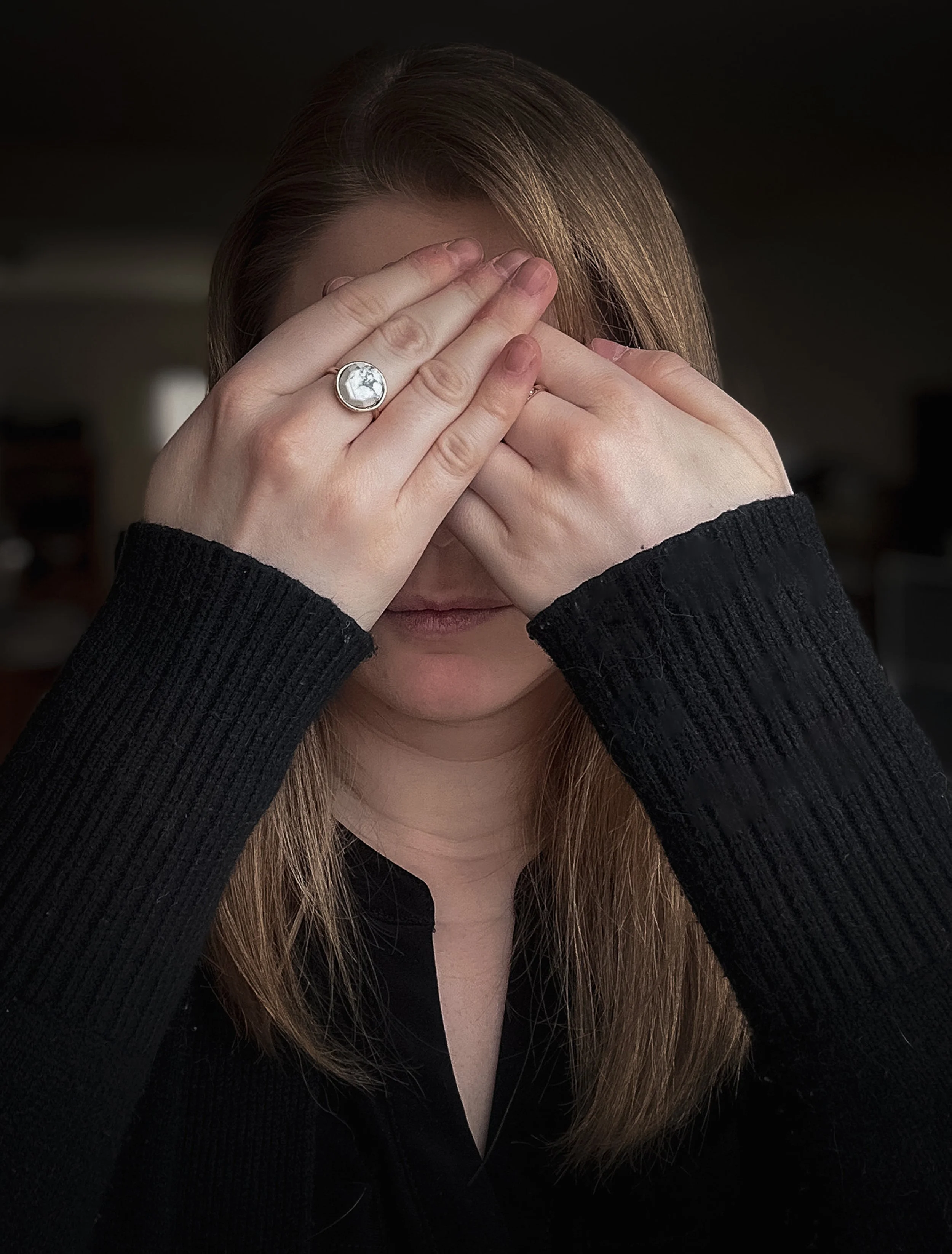
We can get in our own way of belonging. I judge myself harshly that I don’t fit into any one category and get in my own way of belonging to any one thing. I judge others (even though I am trying to break this habit) before I enable myself to open up to others. My fear of rejection holds me back from feeling belonging with friends and family. GVSU helps to provide spaces that I feel like I belong to and helps me discover people who care just as deeply about others and diverse viewpoints, providing me sanctuary. GVSU feels safe to me. GVSU provides experiences like photovoice where I am able to express the most vulnerable parts of myself to others without fear of rejection. This experience in particular allowed me to reflect deeply within myself to better understand how to thrive on campus and with those around me. — Rachel
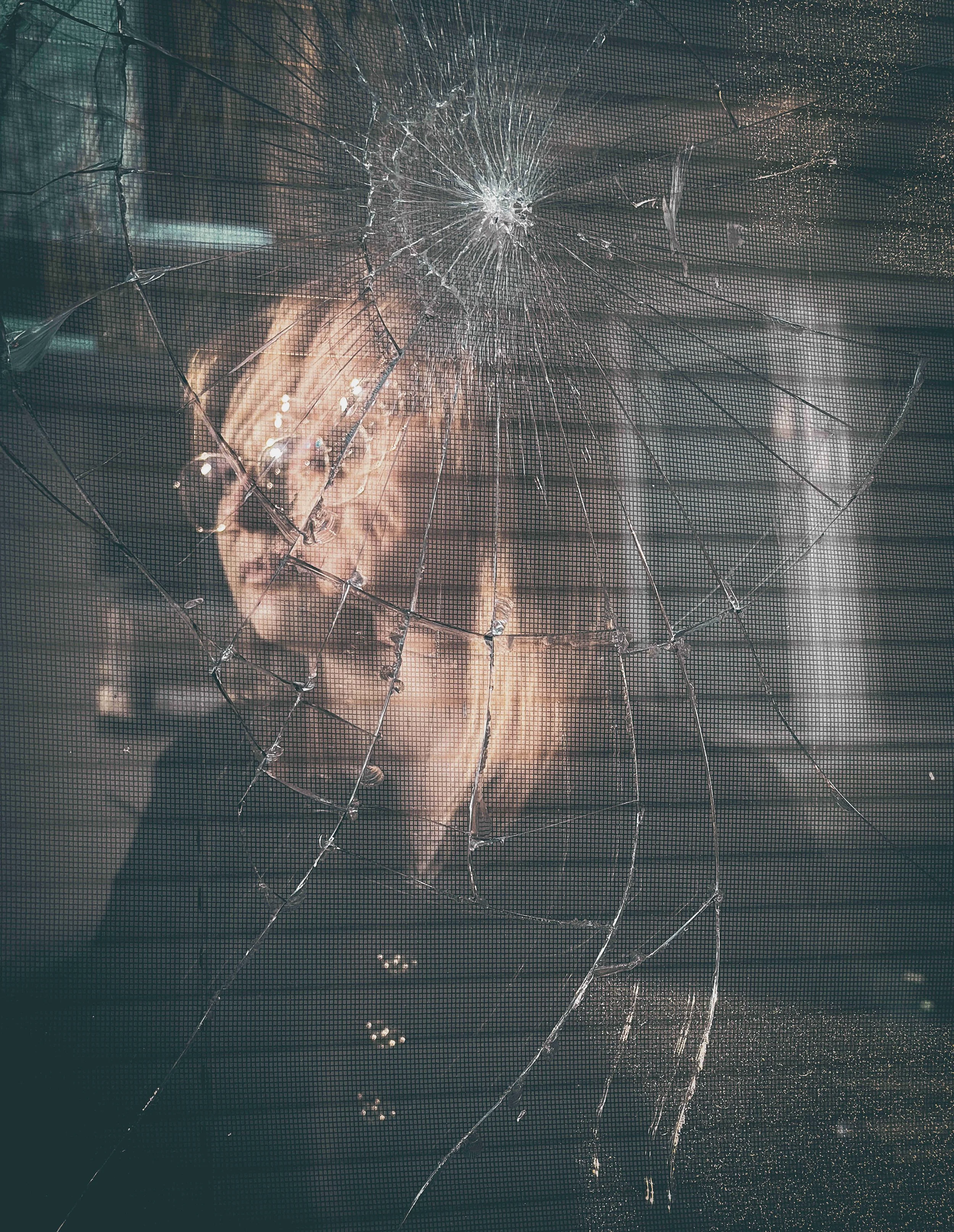
Distortions and internal conflicts and challenges that disrupt my sense of belonging. A fractured identity struggling to connect the pieces to the larger puzzle. Rejection, judgment, exclusion not only from others but especially myself. A sense of sadness, disconnection. The process of working together in photovoice with welcoming people around me allowed me to dig deeper into self-reflection and my spirituality. I wish we had more spaces like this in our GVSU community. —Rachel
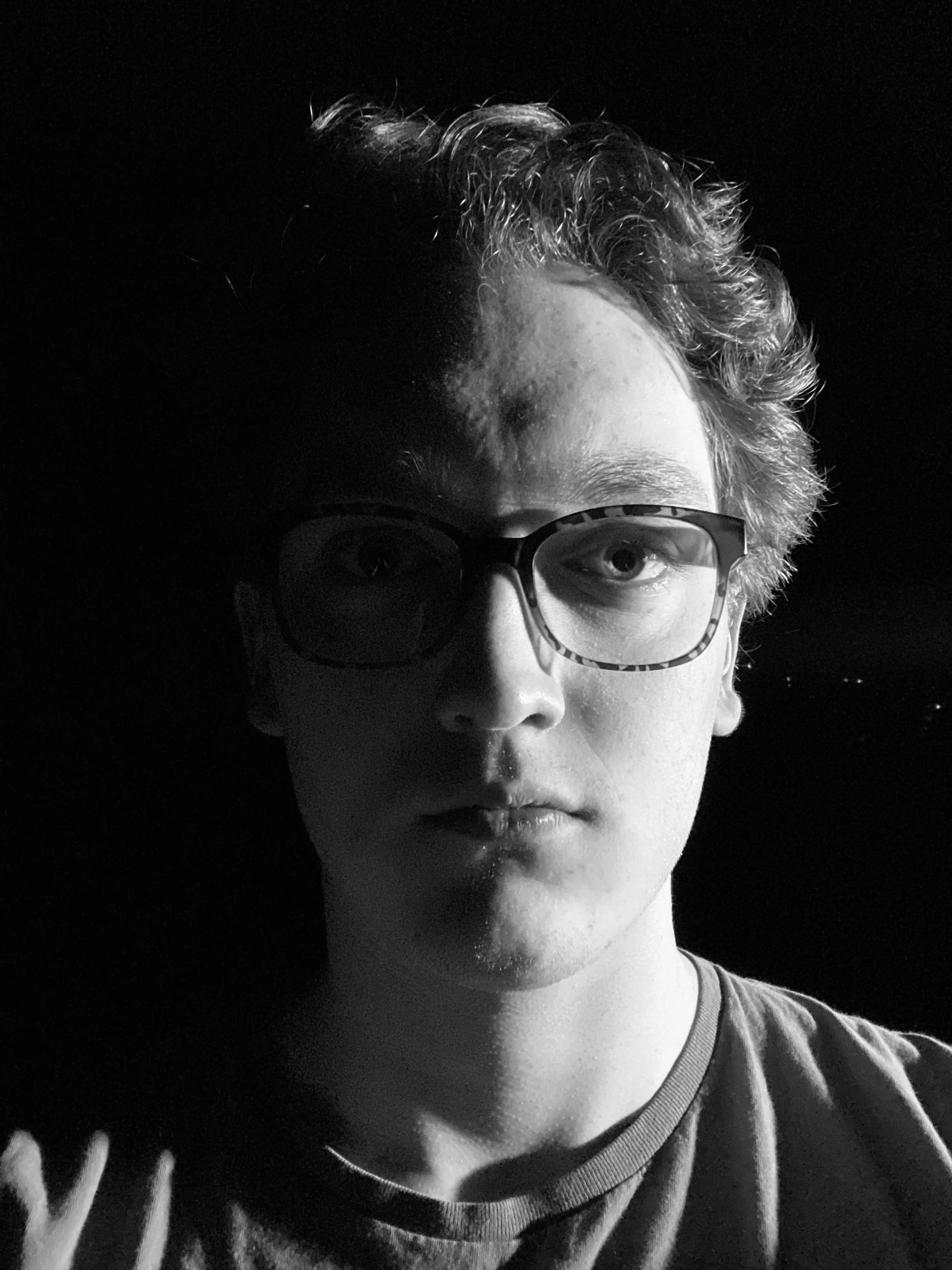
This photo sums up, most artistically, my thoughts over the course of our Interfaith Photovoice project. Coming out of high school, I felt accomplished but as if I missed out on knowing my class as well as I could have. If future Franklin pointed out all the ways I went wrong to my past self right after graduation, that is probably the look I would be giving them as I thought over the circumstances. Despite the challenges I face, I’m in a good place and am always moving forward confidently. — Franklin
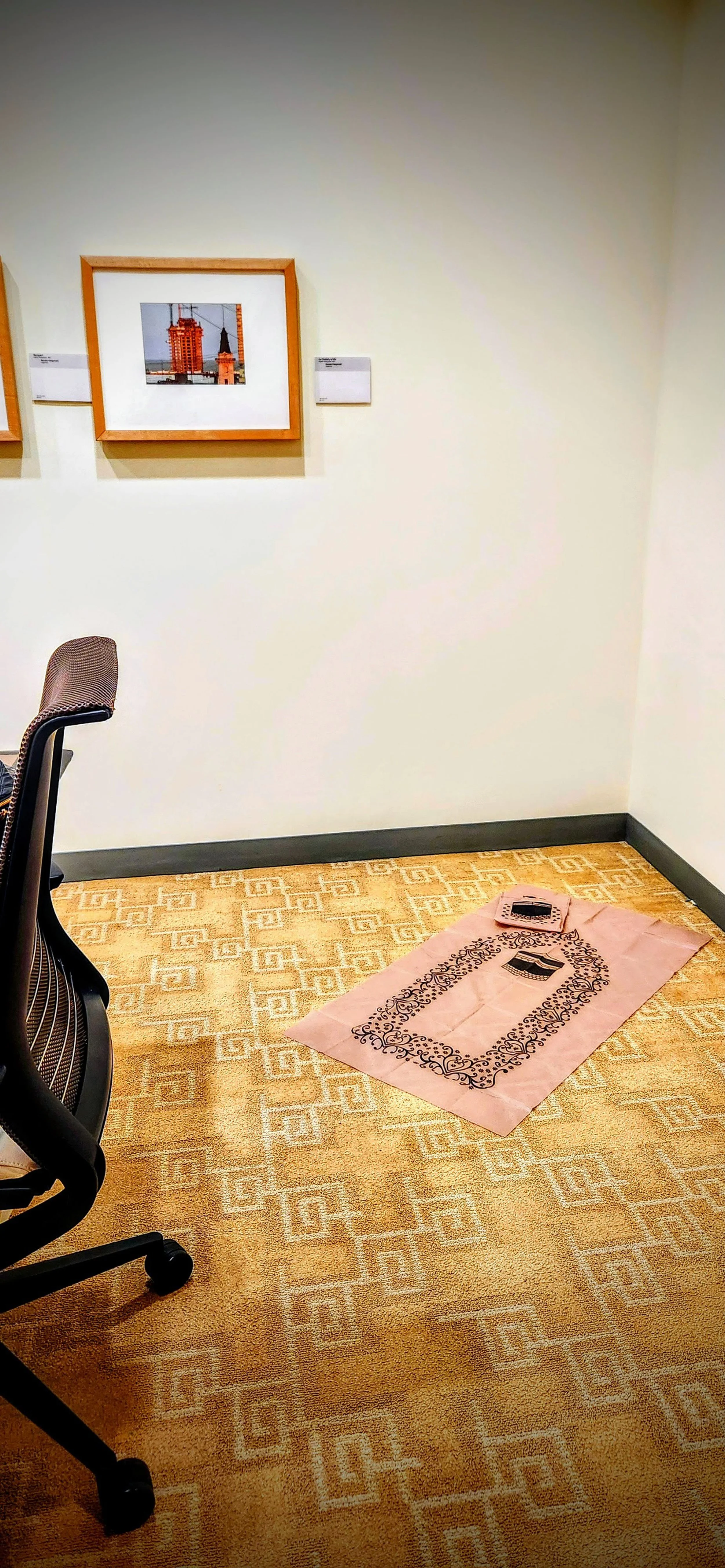
At GVSU, I struggle finding suitable spaces to practice my religious rituals. The random room captured in the photo symbolizes the challenges I encounter in accessing dedicated areas for prayer on campus. As a student navigating these constraints, I yearn for GVSU to allocate more dedicated spaces across its buildings to facilitate the seamless practice of diverse religious observances. This need for expanded accommodation underscores the importance of fostering inclusivity and support for religious expression within the university community. — Anam
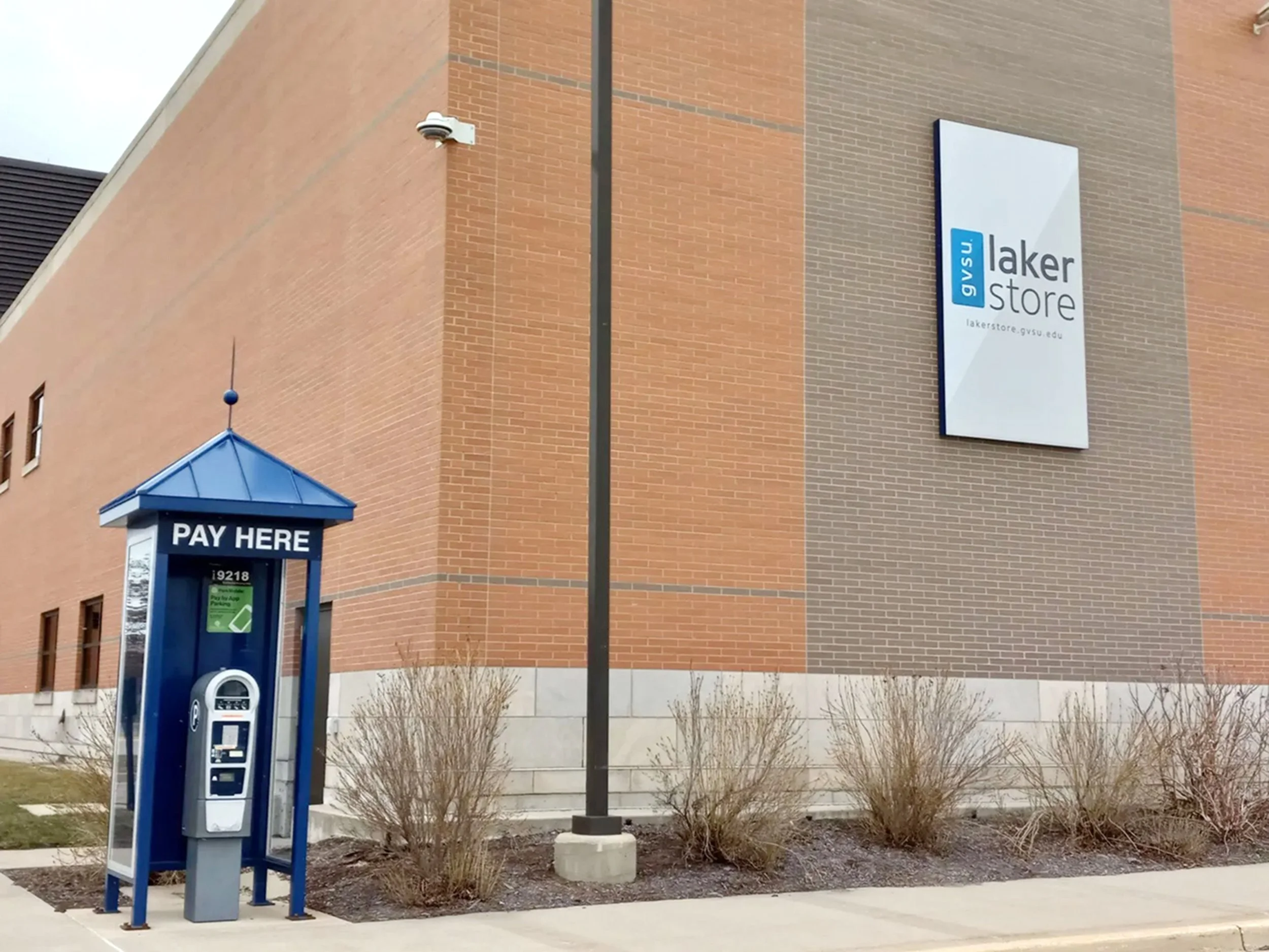
Many of you will recognize GVSU’s Laker store and the kiosk to pay for campus parking. For me, this photo represents why I’ve struggled to really feel like I belong to any sort of broader GVSU community and why campus has always felt slightly hostile to me. GVSU claims to want to be a welcoming, accepting community, but how welcoming and accepting can a community really be when it charges membership fees? I’ve had to struggle and teeter on the edge of financial ruin in order to attend GVSU, and I consider myself lucky. I love my peers, professors, and classes, but as long as it has its hands in my already empty pockets, it’ll always be tough for me to see GVSU as a community I belong to and not just a country club I can’t really afford. — Lucas

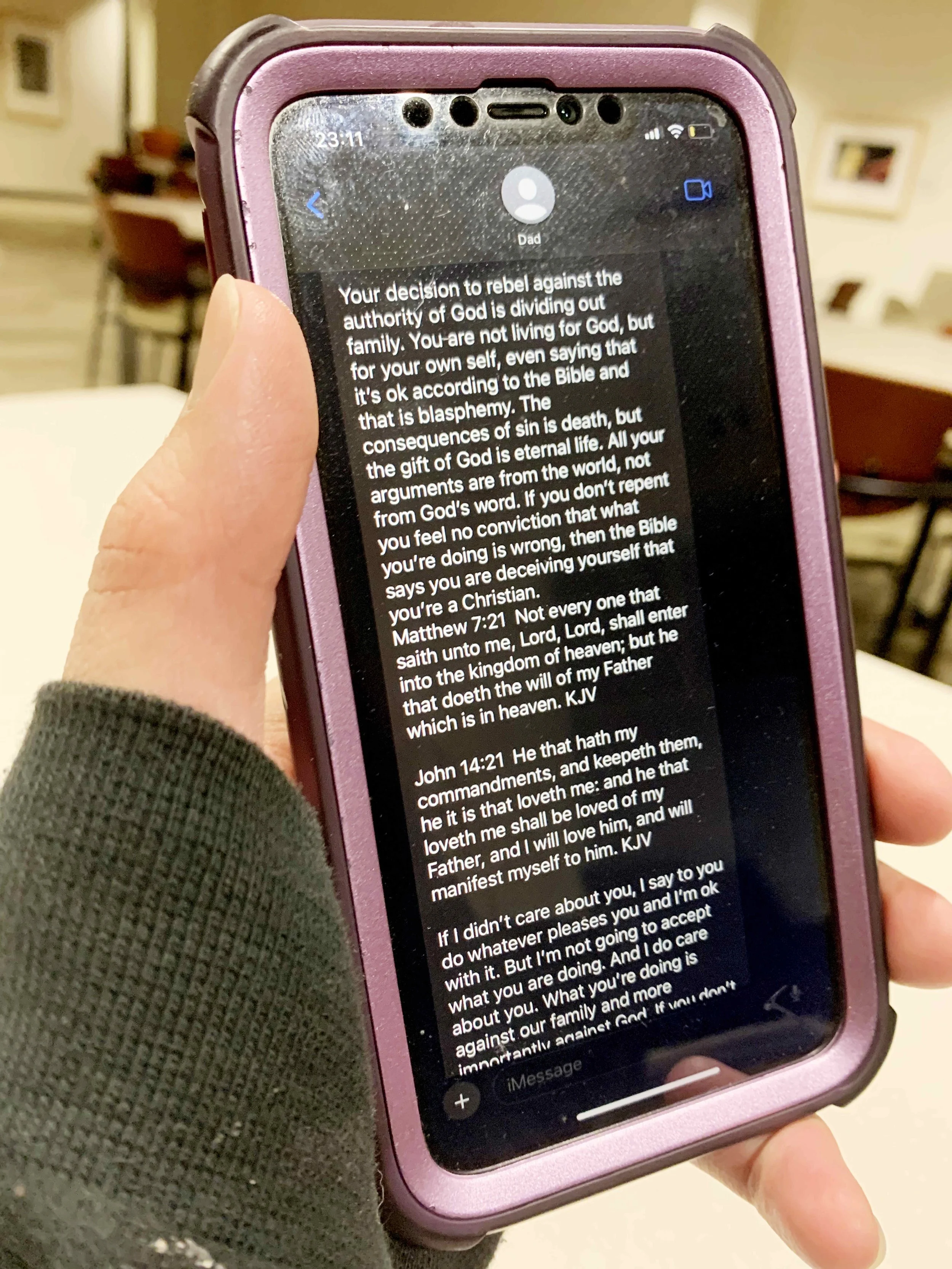
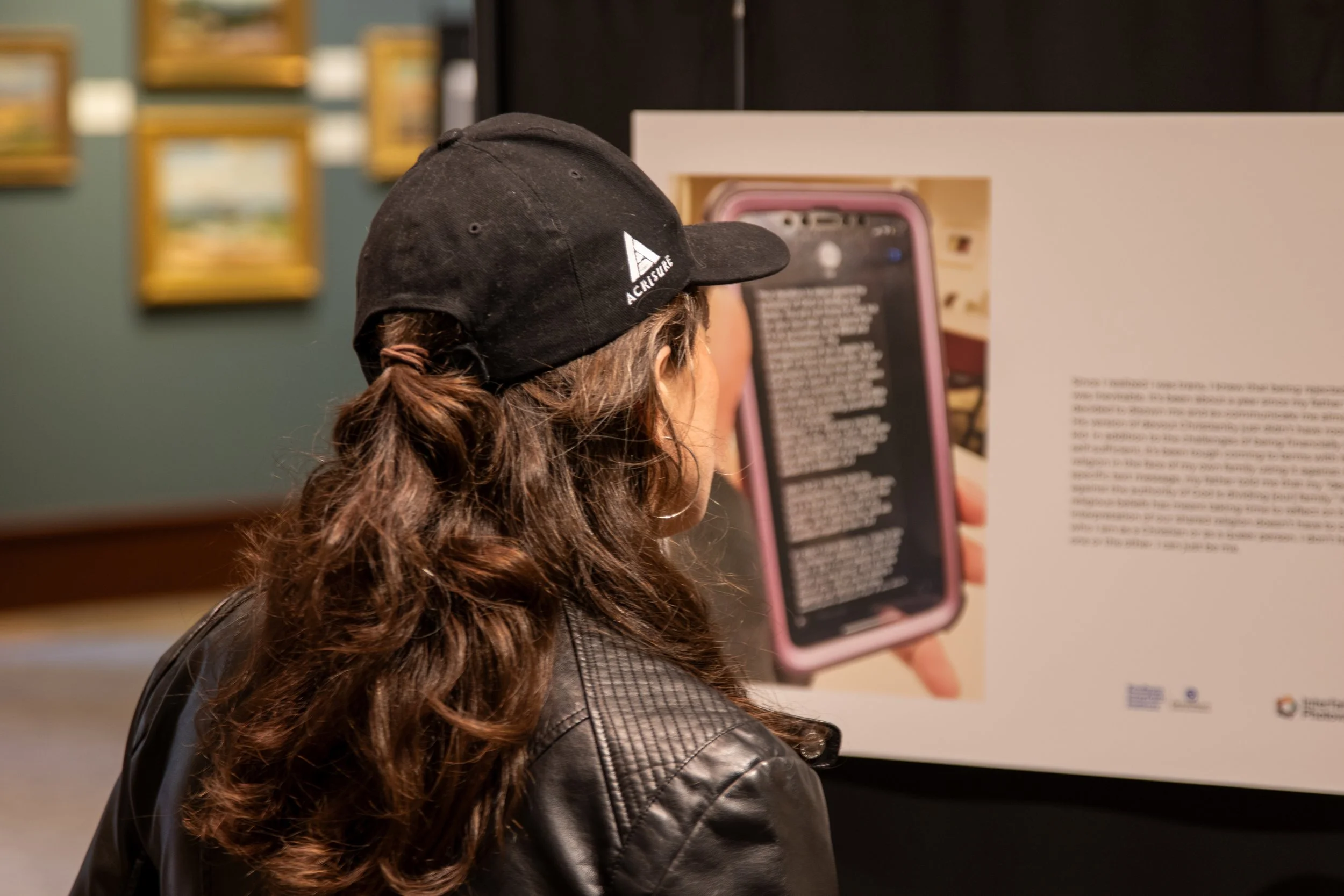
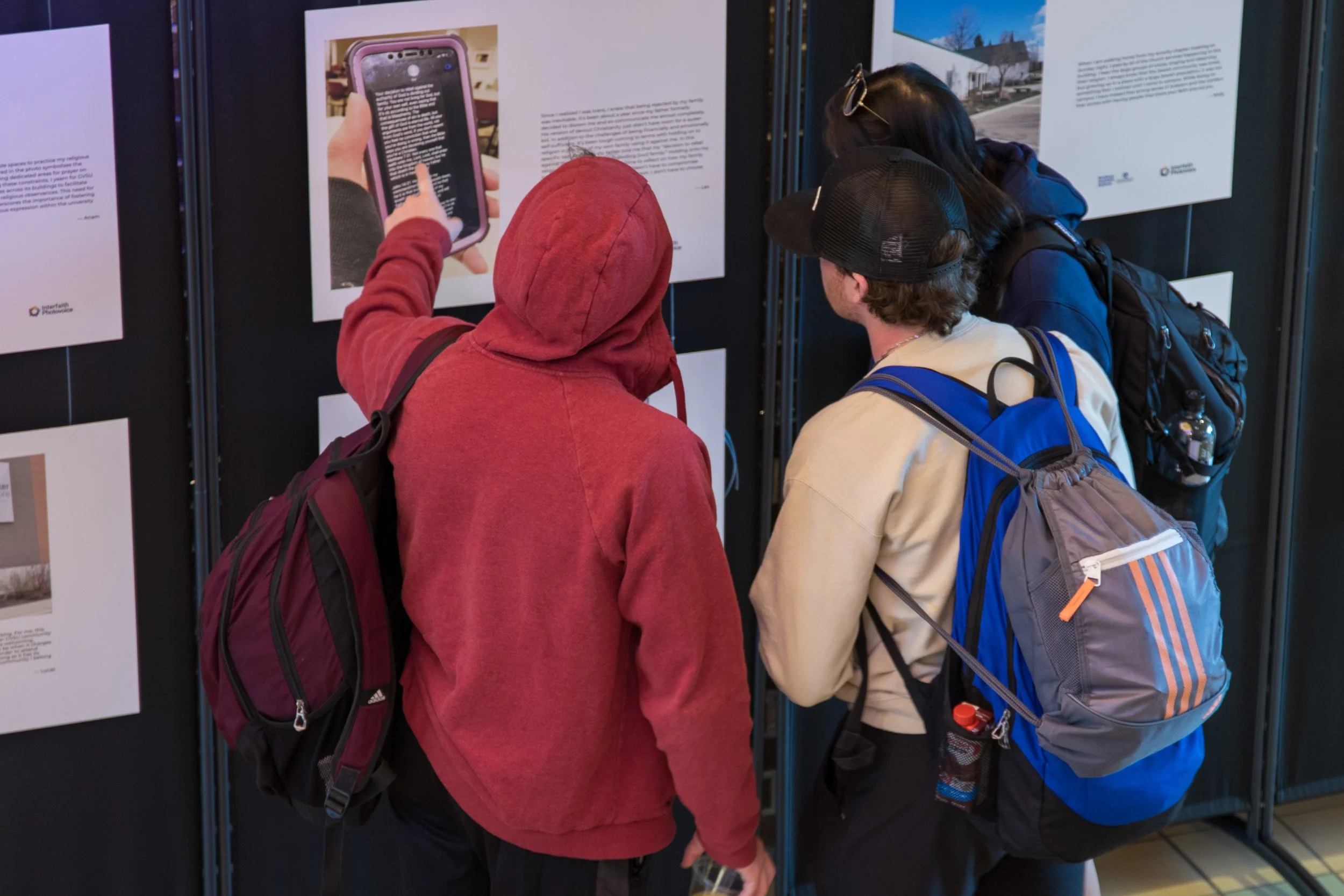
Since I realized I was trans, I knew that being rejected by my family was inevitable. It's been about a year since my father formally decided to disown me and ex-communicate me almost completely. His version of devout Christianity just didn't have room for a queer kid. In addition to the challenges of being financially and emotionally self-sufficient, it's been tough coming to terms with holding on to religion in the face of my own family using it against me. In this specific text message, my father told me that my "decision to rebel against the authority of God is dividing [our] family." Holding onto my religious beliefs has meant taking time to reflect on how my family interpretation of our shared religion doesn't have to compromise who I am as a Christian or as a queer person. I don’t have to choose one or the other. I can just be me. — Lex
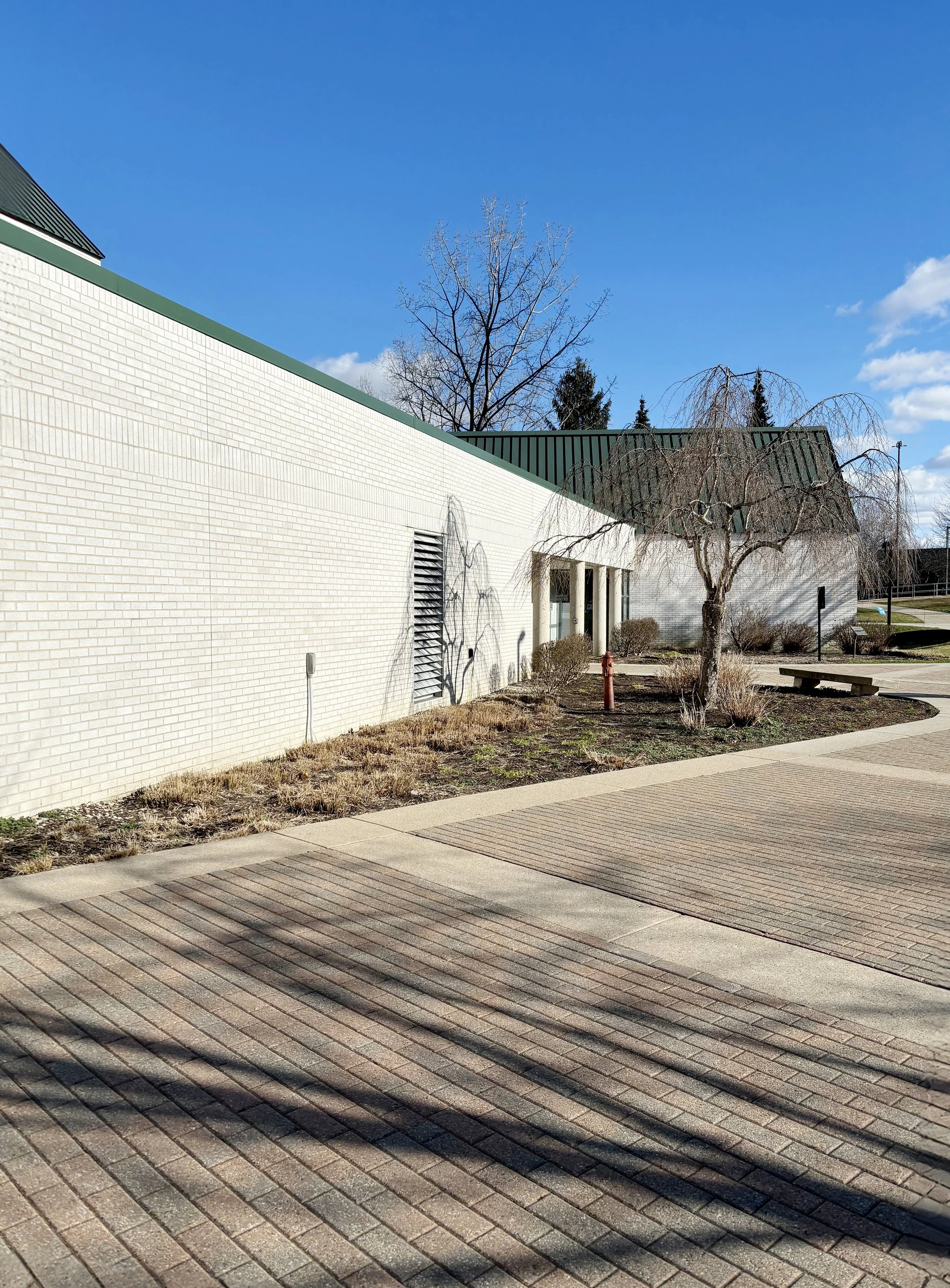
When I am walking home from my sorority chapter meeting on Sunday night, I pass by all of the church services happening in this building. I hear the large groups of voices, singing and observing their religion. I always knew that the Jewish community was small, but growing up in a place with a large Jewish population, it was not something that I noticed until I came to campus. While being on campus I have missed that strong sense of Judaism and the comfort that comes with having people that share your faith around you. —Molly
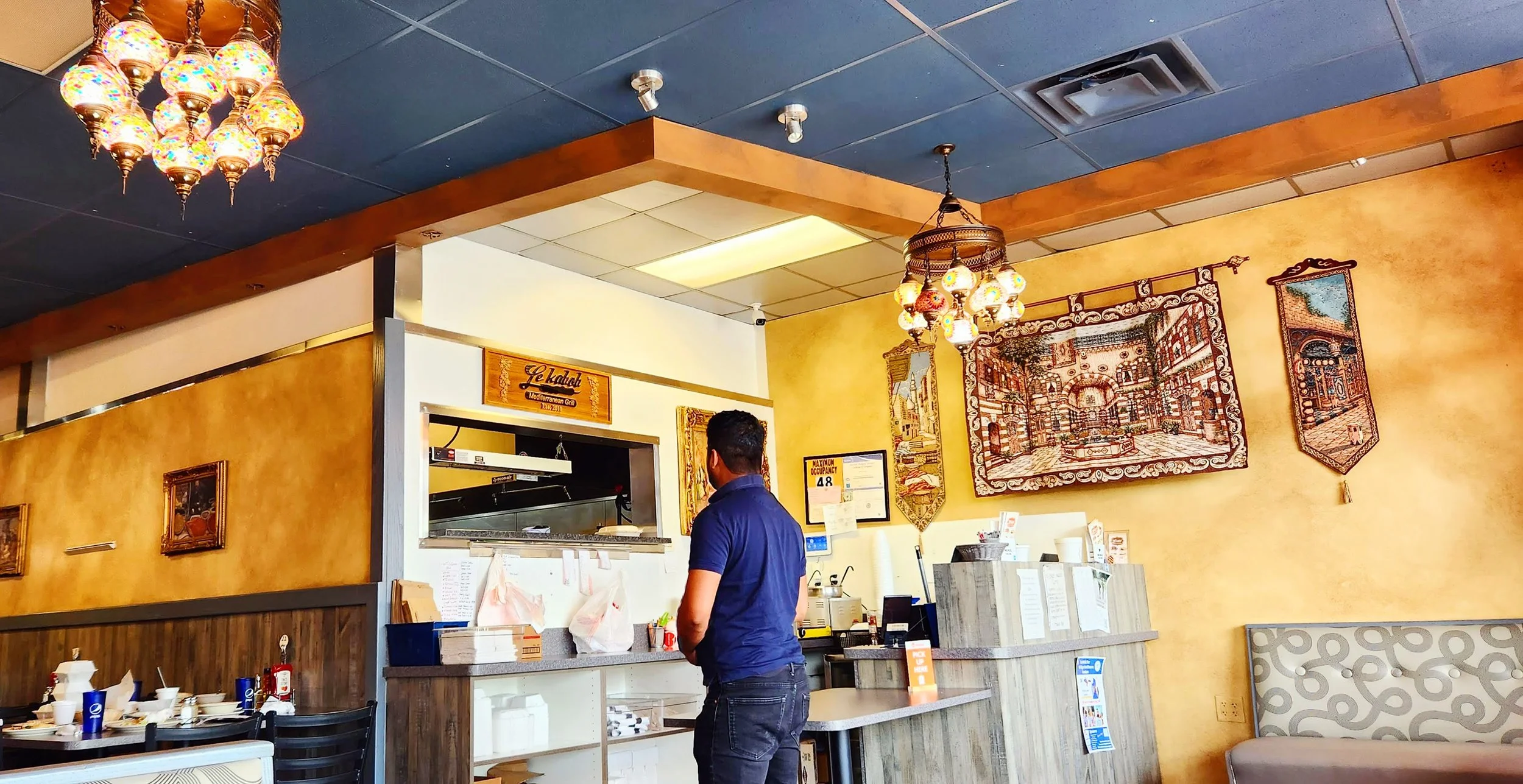
This image captures the essence of a halal restaurant, where adherence to Islamic dietary laws ensures that the food served meets the requirements of Muslim consumers. The absence of halal meat options on campus remains a significant concern for me. The availability of halal restaurants off-campus underscores the demand for such options among students who adhere to Islamic dietary restrictions. This gap in dining offerings on campus highlights the need for greater inclusivity and accommodation of diverse dietary preferences and religious practices within university dining services. — Anam
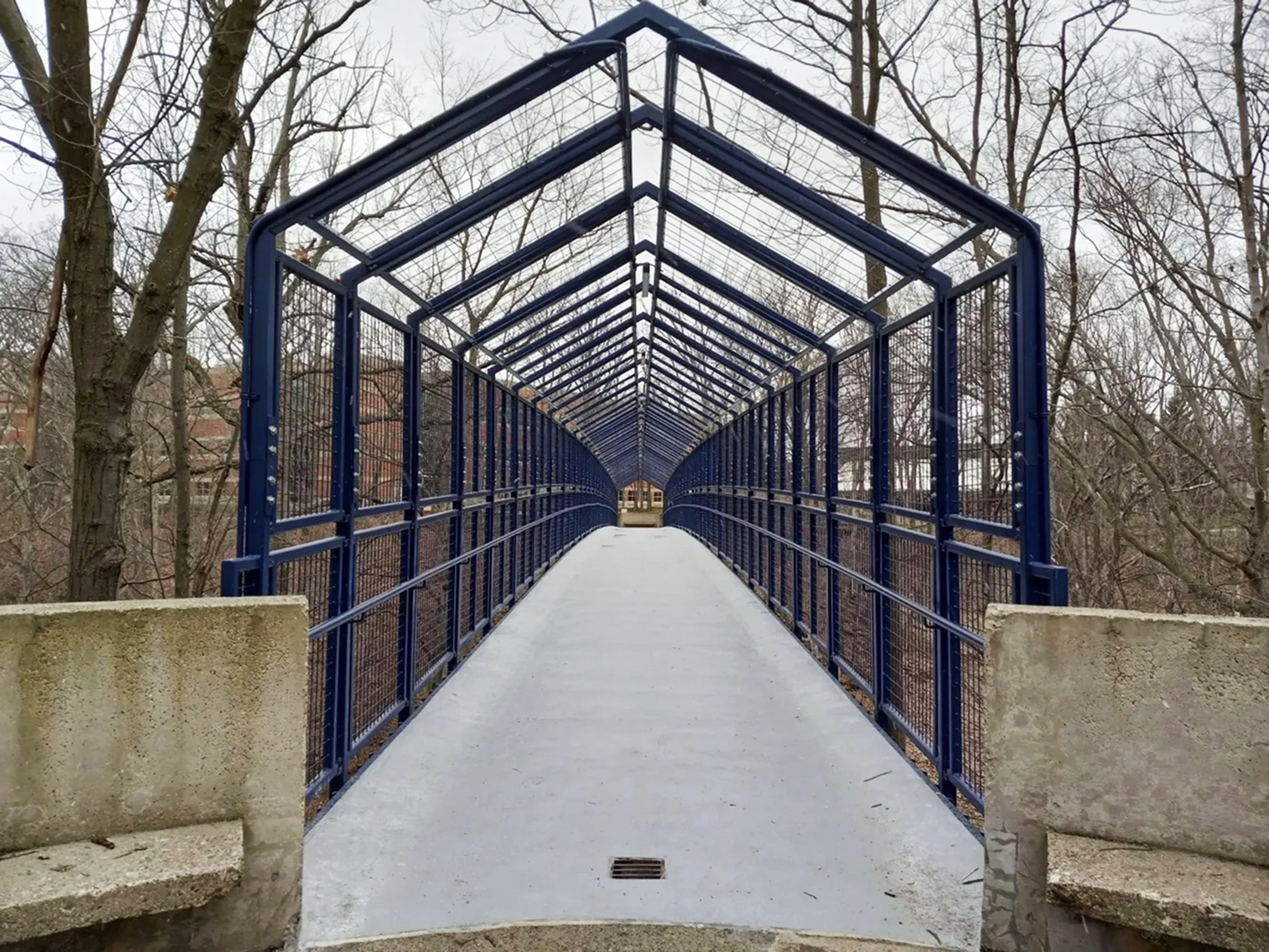
This is the concrete walkway that connects the English buildings to the rest of campus. I make use of it almost every weekday as I shuffle between my English classes in Lake Huron Hall and my history classes in Mackinac. It’s invaluable to me, but it also kind of sucks. In the winter it becomes dangerously slippery and, with as crowded as it gets, I imagine many struggle to even make use of it; I know I did when I walked with a cane for months after breaking my leg. It’s good and I’m glad it exists, but it could be made much better and more accessible, which about sums up my thoughts on GVSU and its campus in general. —Lucas
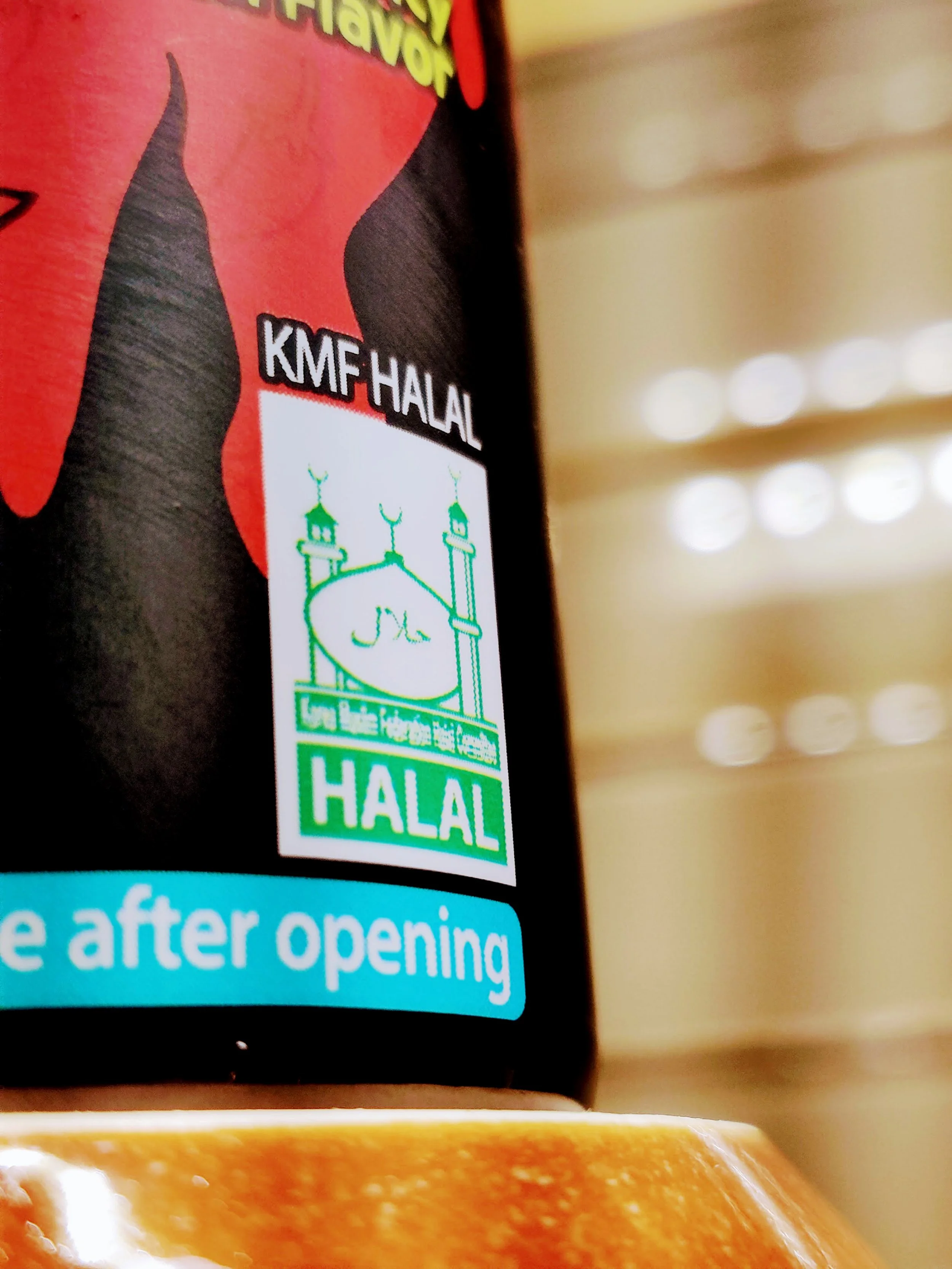
In Islam, observing dietary laws, particularly the consumption of halal meat, is fundamental. “Halal” refers to food that is permissible or lawful according to Islamic law. Halal food, prepared in accordance with religious guidelines, carries immense significance for many followers. Unfortunately, the absence of halal meat options on campus poses a challenge for students like myself who strictly adhere to these dietary restrictions. Despite raising this concern, dining options often provide alternatives such as vegetarian or seafood dishes, which, while appreciated, don’t fully accommodate the dietary needs of those requiring halal meat. This experience underscores the importance of promoting inclusivity and diversity within campus dining services, ensuring that all students have access to food options aligning with their cultural and religious beliefs. —Anam
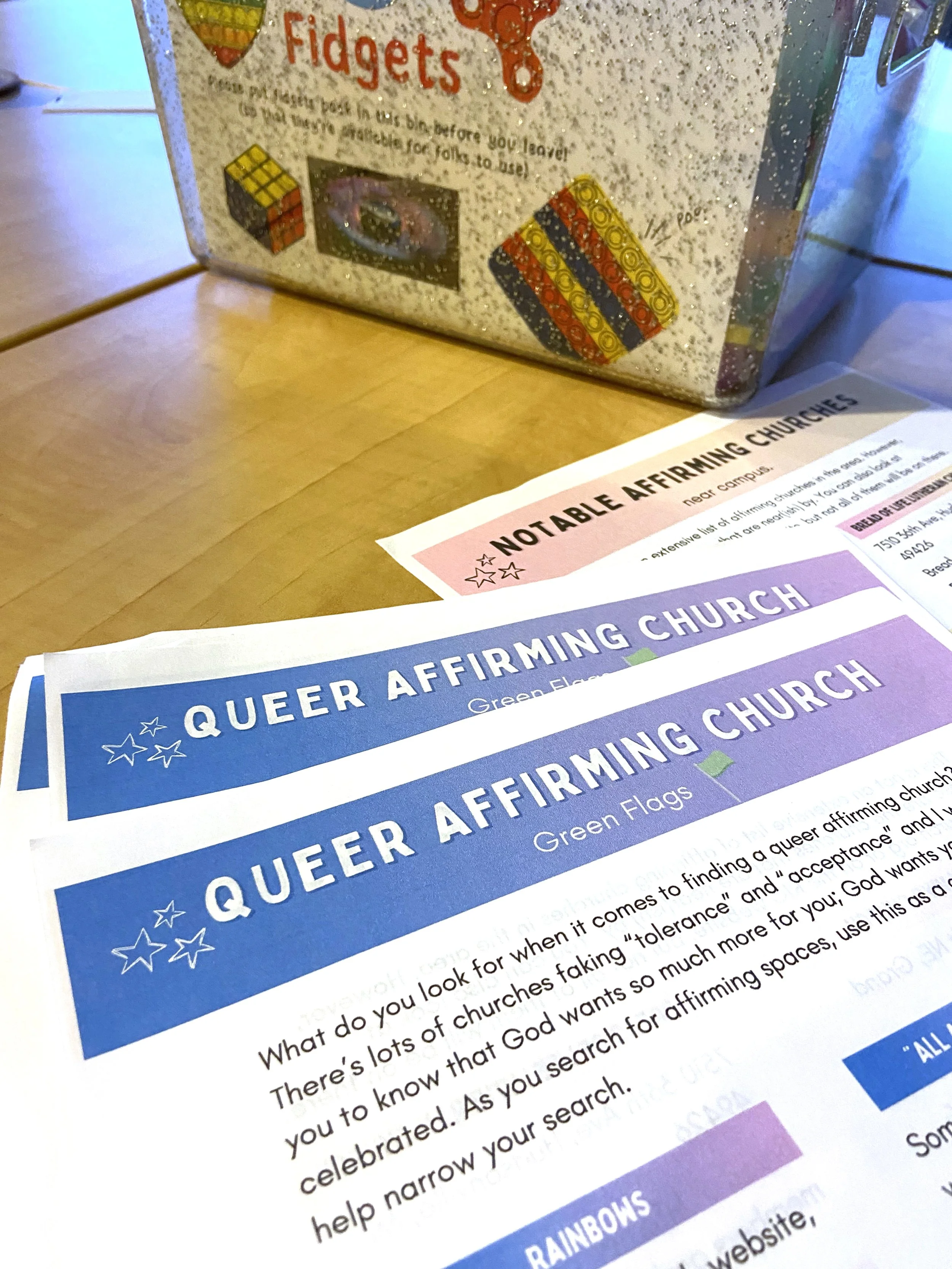
As a queer person, it’s sometimes tough to find religious spaces that feel like they actually accommodate us for all parts of who we are. Finding a church community often means grappling with significant trauma and pain caused by such groups. As a co-facilitator for a queer-oriented group on campus, I wanted to help provide a processing space where we as queer people could help talk about our experiences with religion and how choosing our spiritual future often means reckoning with our spiritual past. In our club discussion, we emphasized that we have the autonomy to choose how we live our lives going forward; for some that may mean keeping our distance, but for some, we may still want to find a space where our spiritual and gender/sexual identities can exist in harmony. For those who are considering coming back to a religious space, this pamphlet was just one of the resources for finding local churches and organizations whose doors are open to those of us who have been shut out elsewhere. —Lex
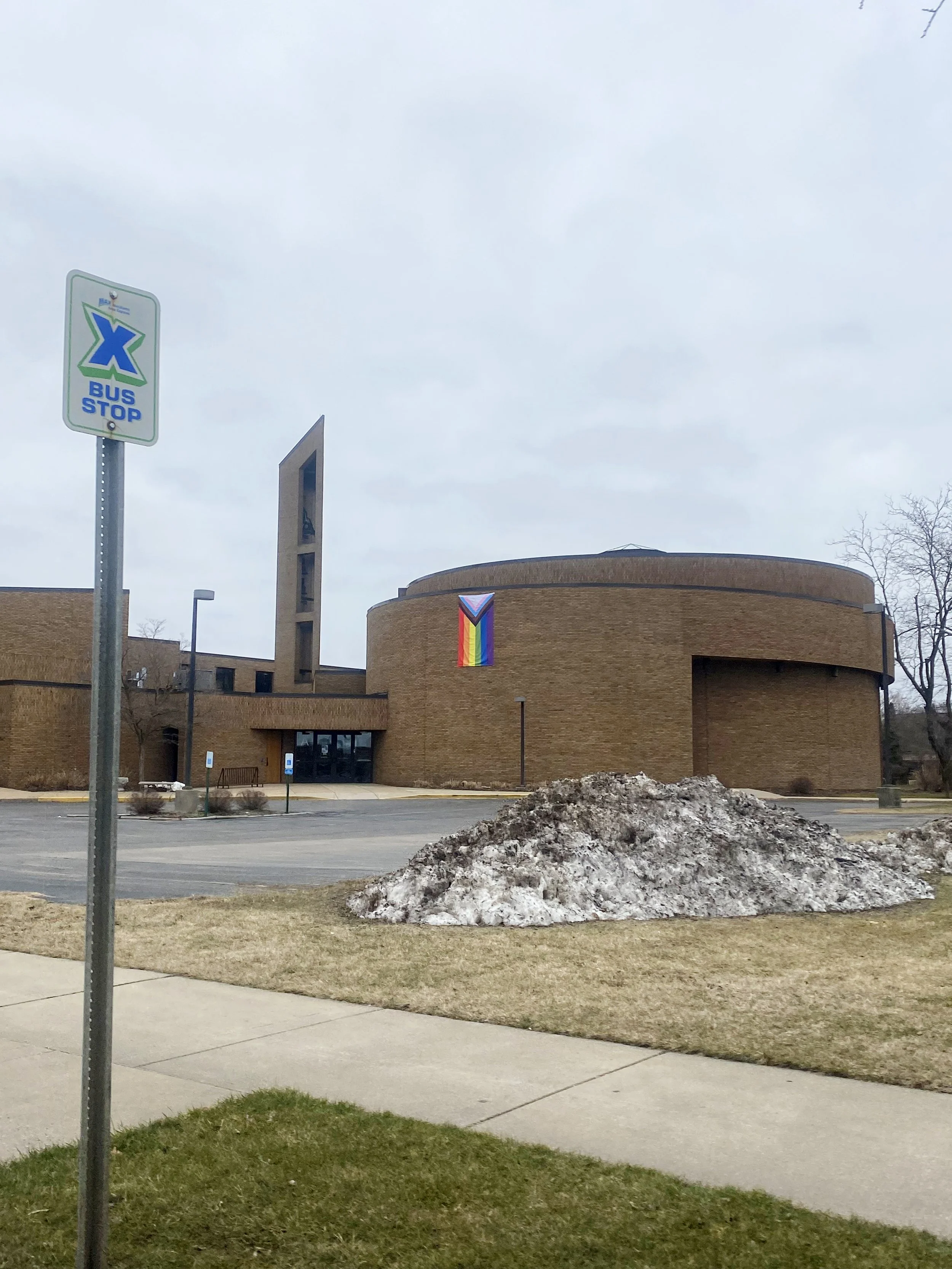
I saw this LGBTQIA+ flag on a church when visiting Holland for the first time. I like how it shows that churches individually can decide to support the LGBTQIA+ community, which faces, especially in the outer Grand Rapids area and within Christianity, a lot of resentment. Back in Germany, a LGBTQIA+ flag on a church would not be possible in smaller towns like Holland. —Erasmus

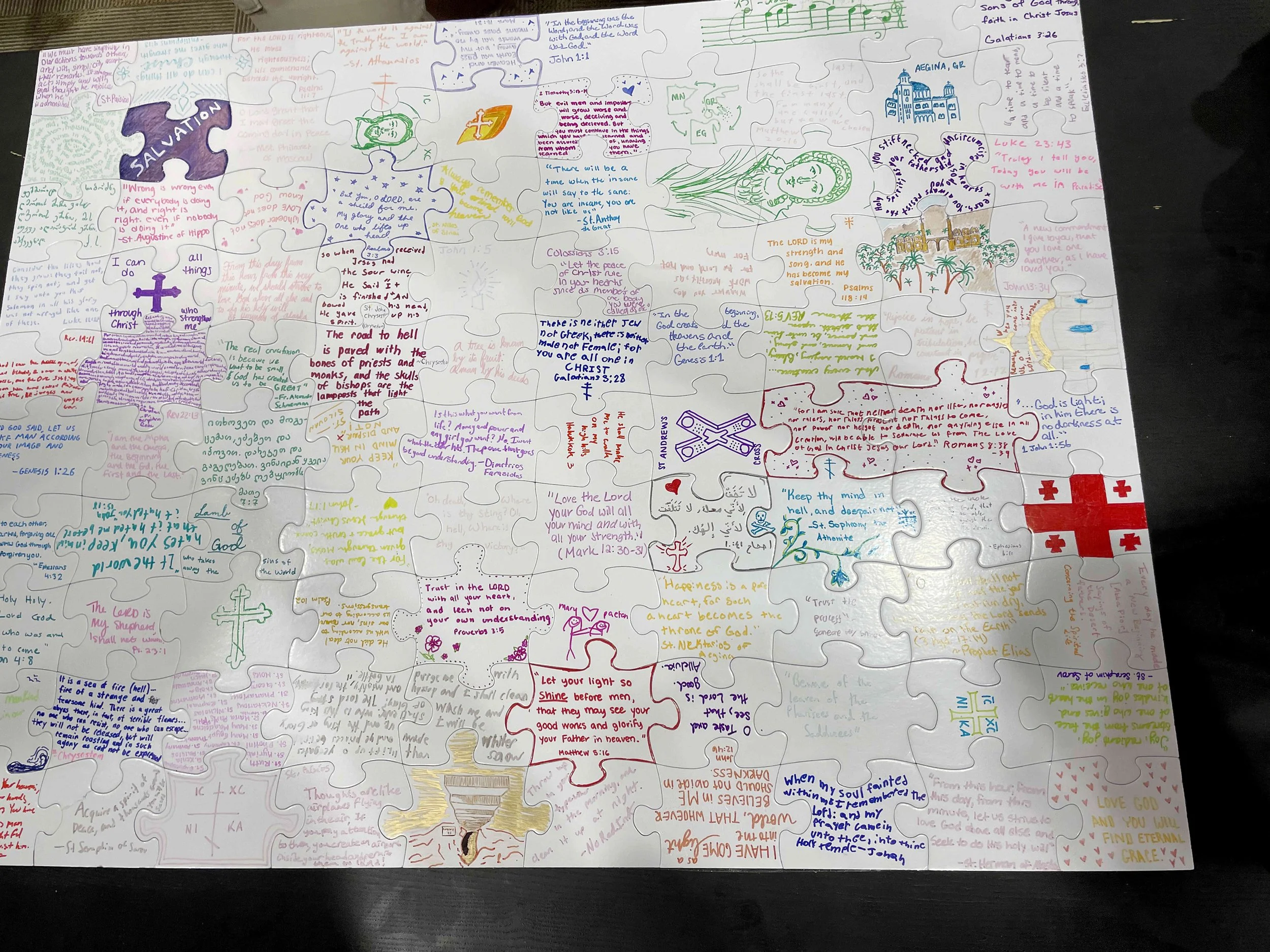
This photo was of a retreat with other Orthodox Christian college students from around the Midwest. This was a lovely retreat because I felt rather self-confident and secure in my own identity. When I looked at this puzzle, I realized each individual piece had to be complete in order to fit and belong to the larger whole. Perhaps we must also belong within our own completeness which would allow us to belong to a larger whole. — Cecelia
This is the concrete walkway that connects the English buildings to the rest of campus. I make use of it almost every weekday as I shuffle between my English classes in Lake Huron Hall and my history classes in Mackinac. It’s invaluable to me, but it also kind of sucks. In the winter it becomes dangerously slippery and, with as crowded as it gets, I imagine many struggle to even make use of it; I know I did when I walked with a cane for months after breaking my leg. It’s good and I’m glad it exists, but it could be made much better and more accessible, which about sums up my thoughts on GVSU and its campus in general. —Lucas
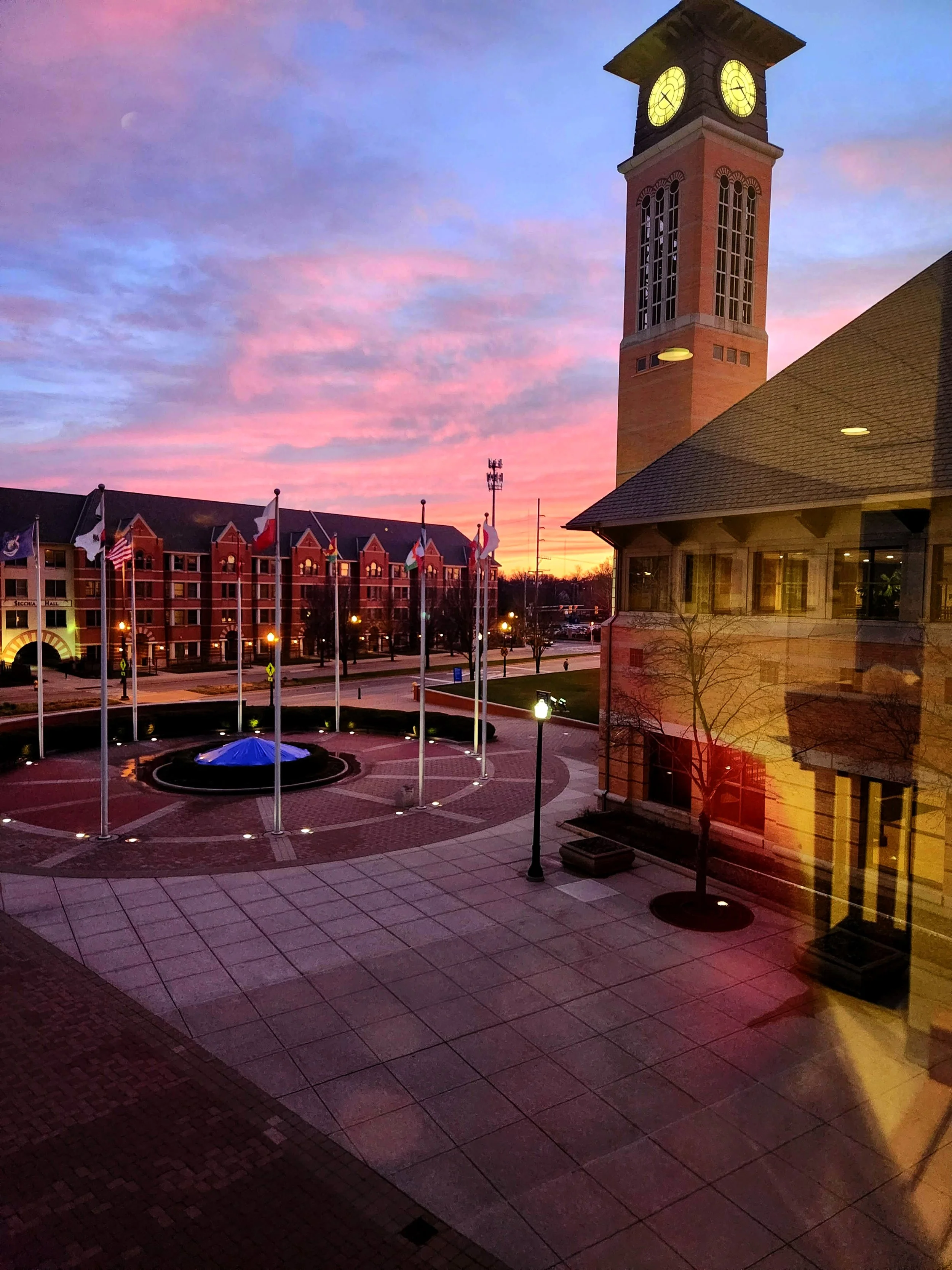
This poignant image depicts the tranquil moment of sunset, marking the time when Muslims break their fast during the holy month of Ramadan. Despite the demands of classes, navigating through the dusk hours proves challenging as I momentarily leave the classroom to partake in this sacred ritual. Breaking fast is not merely a physical act but a profound spiritual experience, often accompanied by a sense of gratitude and reflection. Following this, the call to prayer resonates, guiding into a moment of devotion and connection with the divine. — Anam
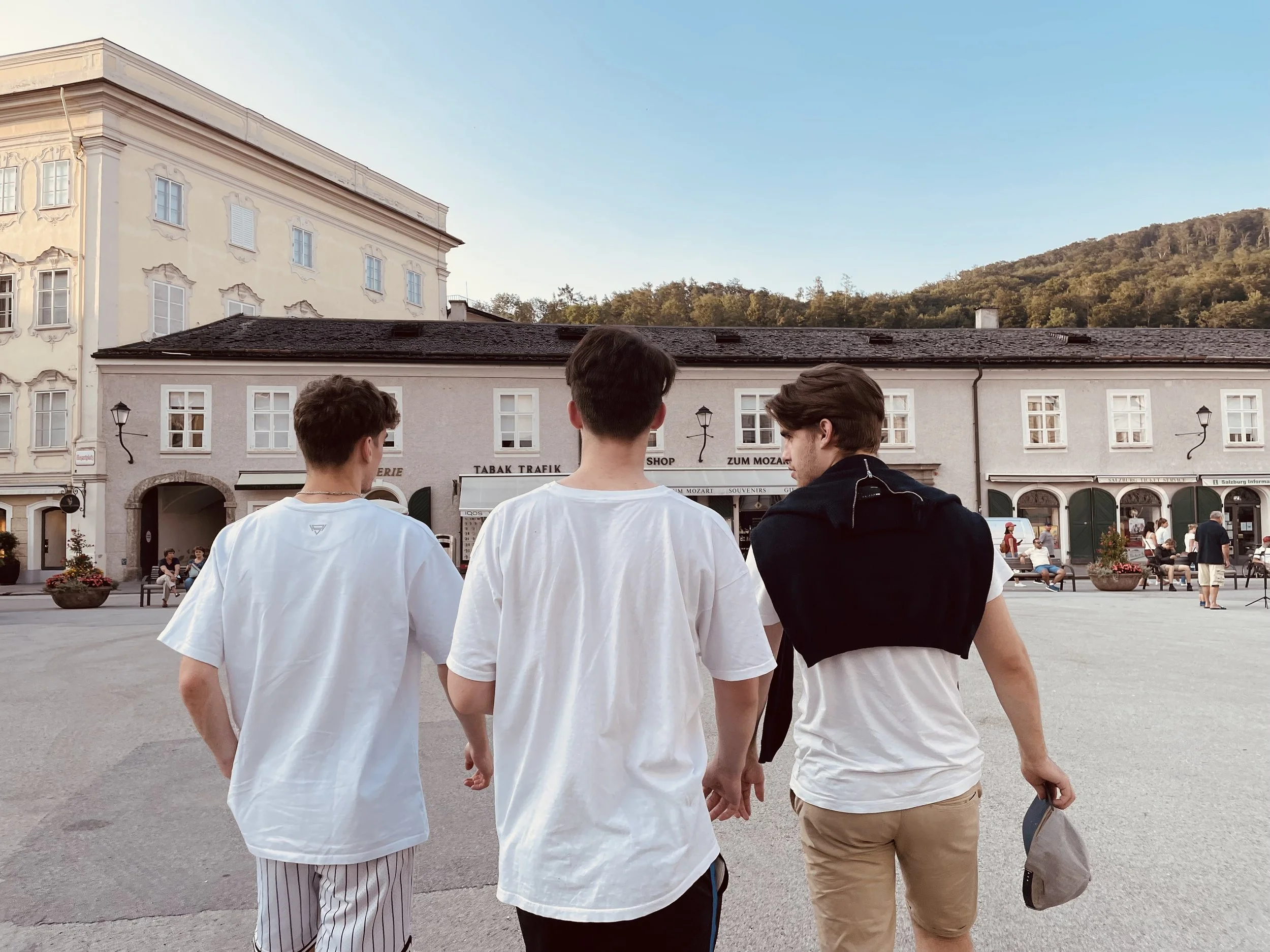
My mother took this picture of me and my brothers in Salzburg, Austria. It was the last vacation we did as a family before I left for the United States, and it reminds me of the importance of family, as I have no family anywhere close to the university. The campus could improve to support incoming and international students better in order to make them feel more welcome and integrated. — Erasmus
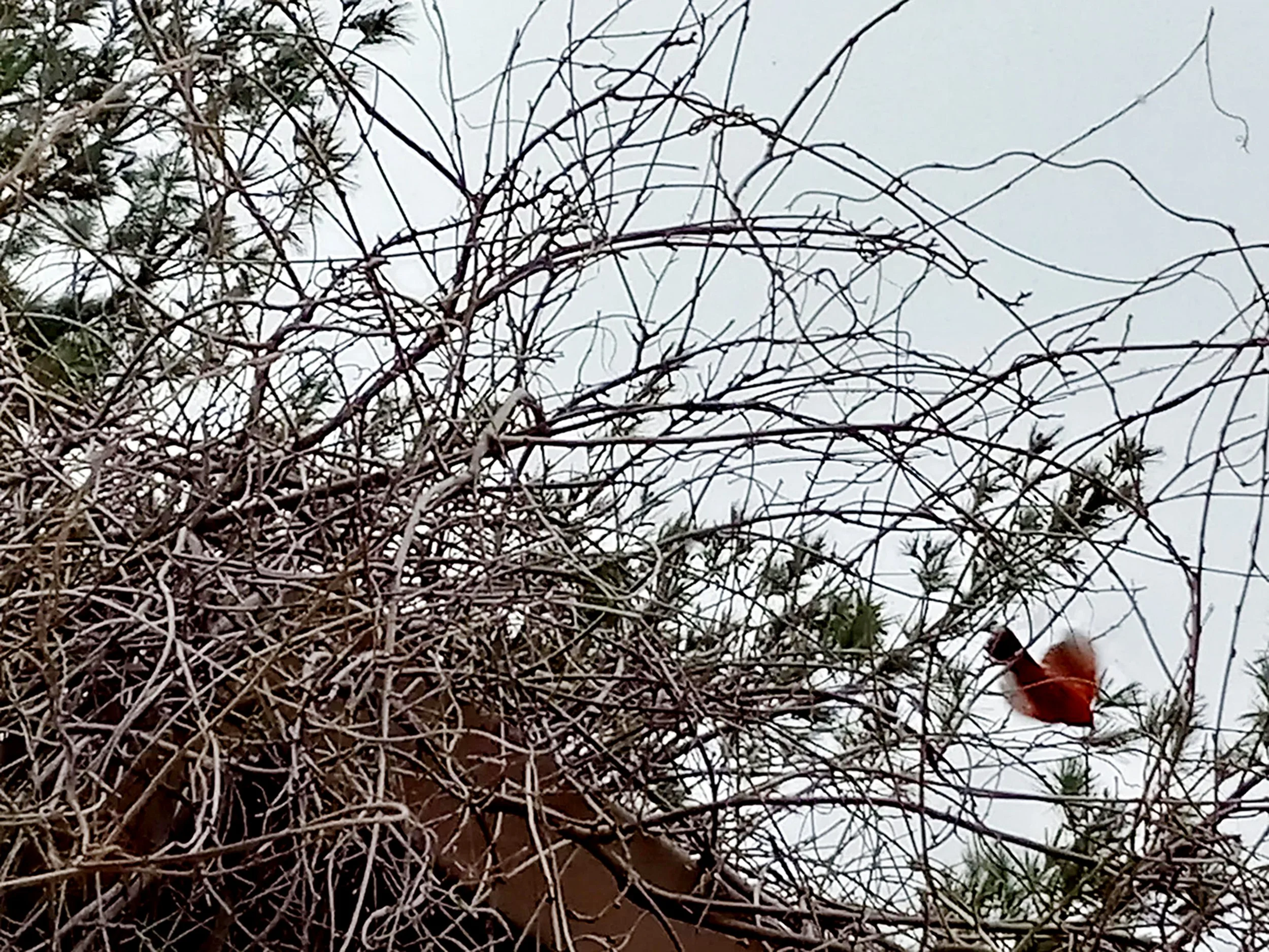
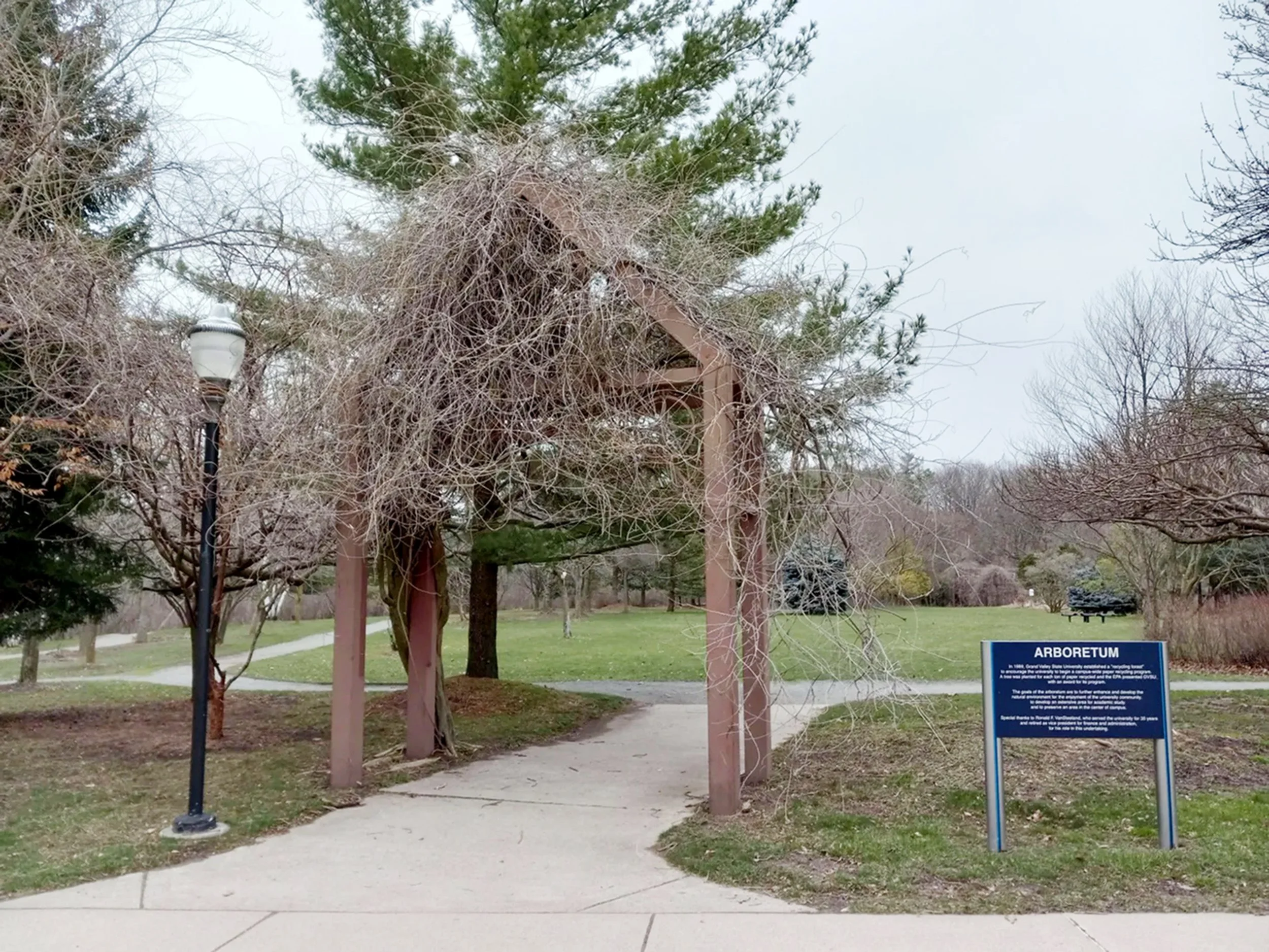
That small red smudge is a cardinal that had been resting on the vine covered awning outside the Arboretum. I believe that if you create the space for beauty and love, then beauty and love will flourish. Even if some beautiful things are fleeting, and prone to fly away. The communities we make and participate in while we are at college are often impermanent. Still, their beauty and importance cannot be understated, and more will surely follow in their wake. So long as students are given the space, resources, and freedom to create them. — Lucas
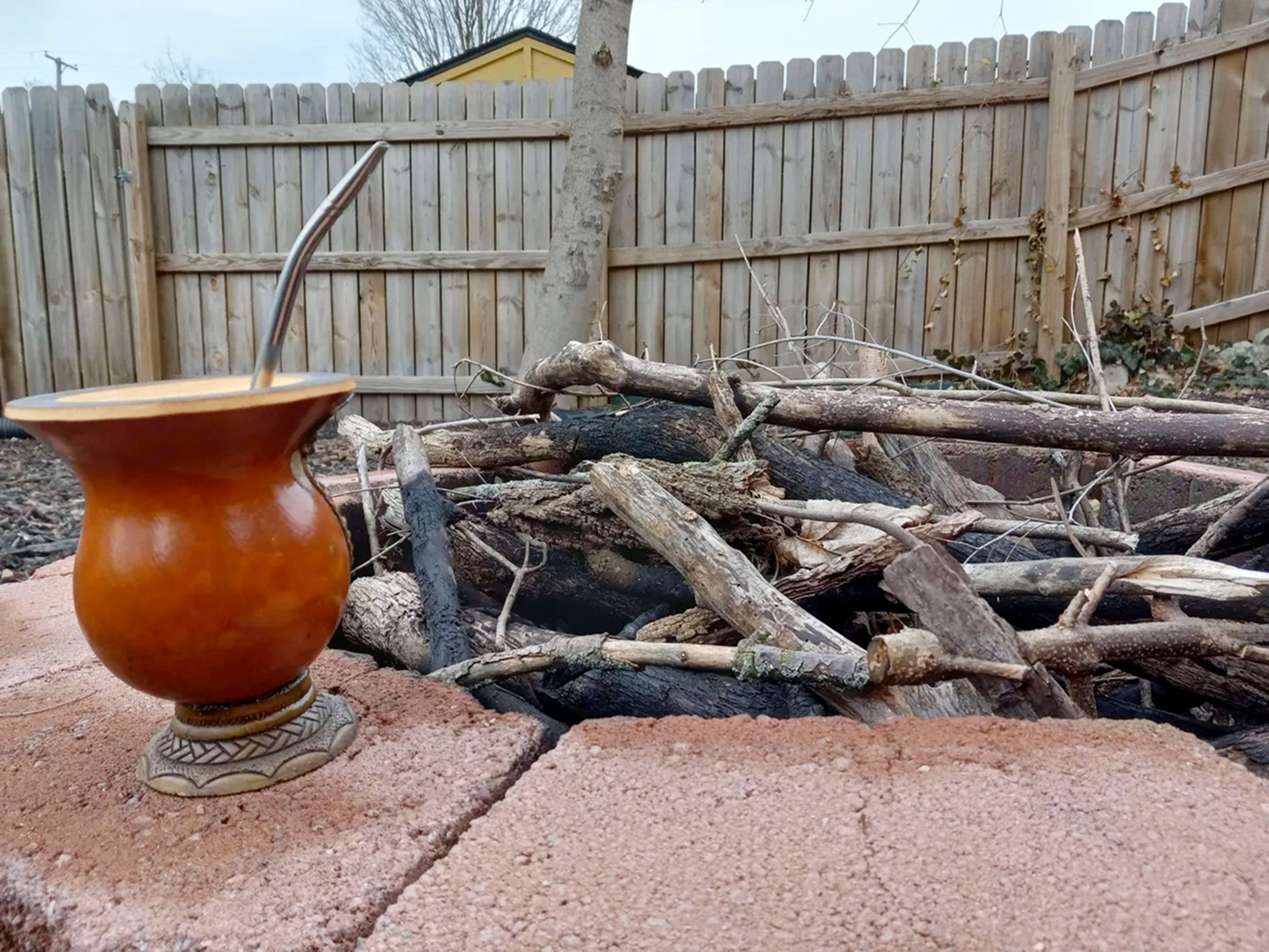
This is my Chimarrão mug next to my backyard fireplace. Chimarrão is a indigenous tea from my home region of south Brasil; it’s immensely popular and is often shared and passed around at parties and other gatherings. For me, it represents what I most value from the communities I grew up in and the ones I’ve found and created since then, which is the opportunity to sit around, drink, and talk with a group of friends who I love and love me in return. — Lucas
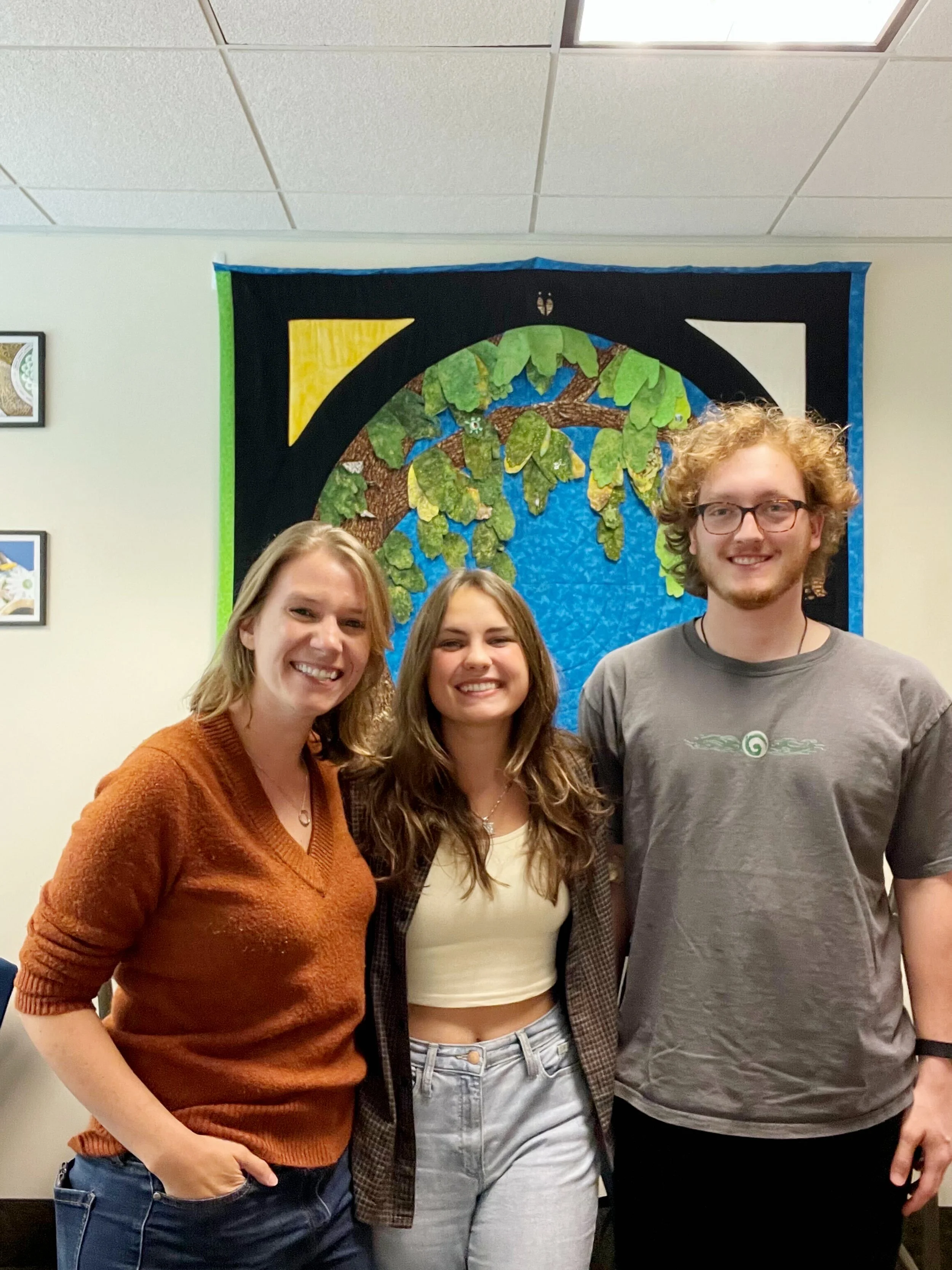
I love Judaism and practicing its core values, even if my traditional spiritual practice is lacking. I love the community and services. Being at GVSU, I am mostly removed from that community nowadays, mostly by my own choice. Photovoice made me realize how I miss that community, and, fortunately, it has offered me a space to exercise this identity despite removing myself from the past ways I practiced. I am proud to be a part of their team and explore my Judaism further in the future after reflecting on photovoice conversations. — Franklin
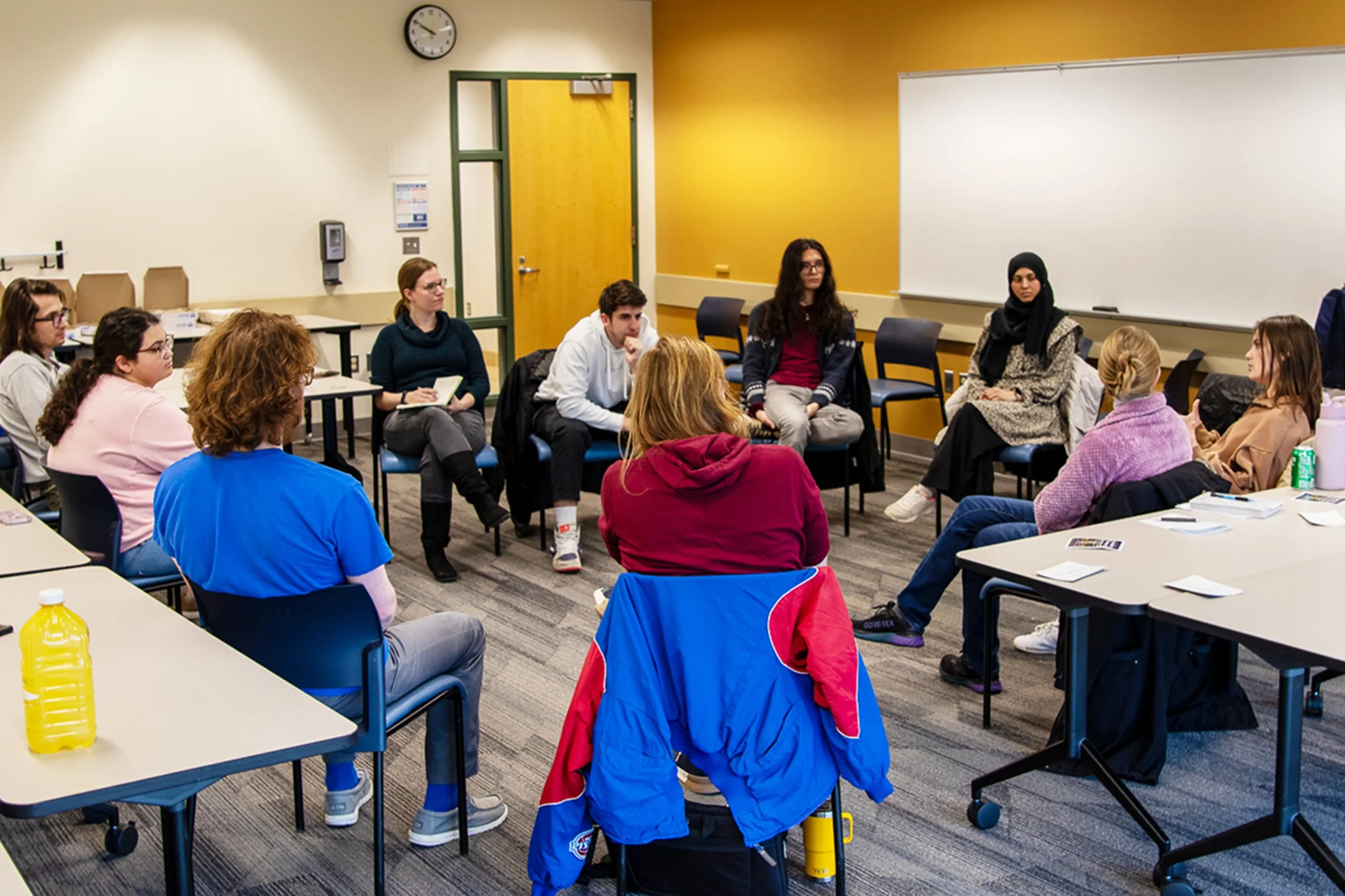
Participating in the Kaufman Interfaith Institute’s Photovoice project provided me with an invaluable experience. It offered a safe and welcoming space for discussing a sensitive topic like religion openly. Sharing my beliefs without fear of judgment allowed me to explore my spirituality and share a deeper aspect of myself with others. It made me realize that behind every face we encounter lies a unique story, full of personal practices and challenges. Learning about others’ experiences was truly enlightening. I deeply appreciate the opportunity to engage in such meaningful dialogue, and I will miss the sense of safety and community that this space provided. Moving forward, I believe it’s crucial to expand such initiatives to involve more people. As a Muslim, I often feel the weight of being a minority, facing judgment and criticism when discussing religion. Having a platform like this to address misconceptions and foster understanding was invaluable to me. I hope to see more opportunities like this in the future, where individuals from diverse backgrounds can come together, share their stories, and build bridges of empathy and understanding. — Anam