
Seeing the Sacred in Everyday Life
Even though religion, faith, and spirituality are important to the majority of people, these aspects of daily life can be hard to see in secular spaces such as work, school, or within one’s community. But what if the sacred was visible? What would it look like? Where would we find it? What would we see?
Beginning in June of 2024, six photographers in the United States explored religion, faith, and spirituality in everyday life. Alan-Joshua Carrasco (Christian), Julianne Gauron (Spiritual, not religious), Rachel Gucwa (Jewish), Sumeet Mehta (Sikh), Joanna Schaus (Christian), and Fatima Zaid (Muslim) composed photographs in response to prompts and meet together to discuss them. After a series of meetings, they curated a selection of their photos for the Fetzer Institute to tell sacred stories related to religion, faith, and spirituality on their website and through social media.
Seeing the Sacred was by Interfaith Photovoice founder Roman Williams and professional photographer Kevin Kubota. It is a collaboration between Fetzer Institute and Interfaith Photovoice. Click on the photos to see the full image.
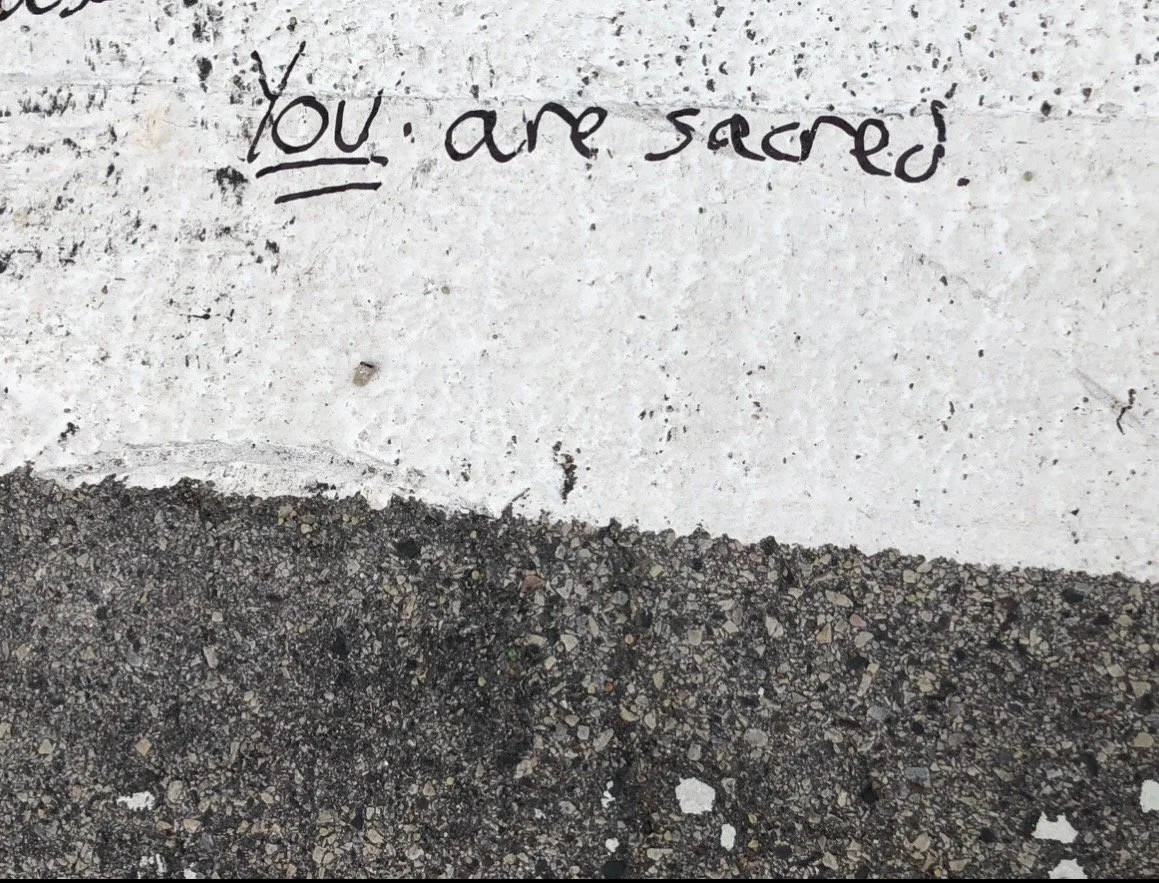
The world is full of
Beautiful, amazing things
You are one of them
— Rachel Gucwa
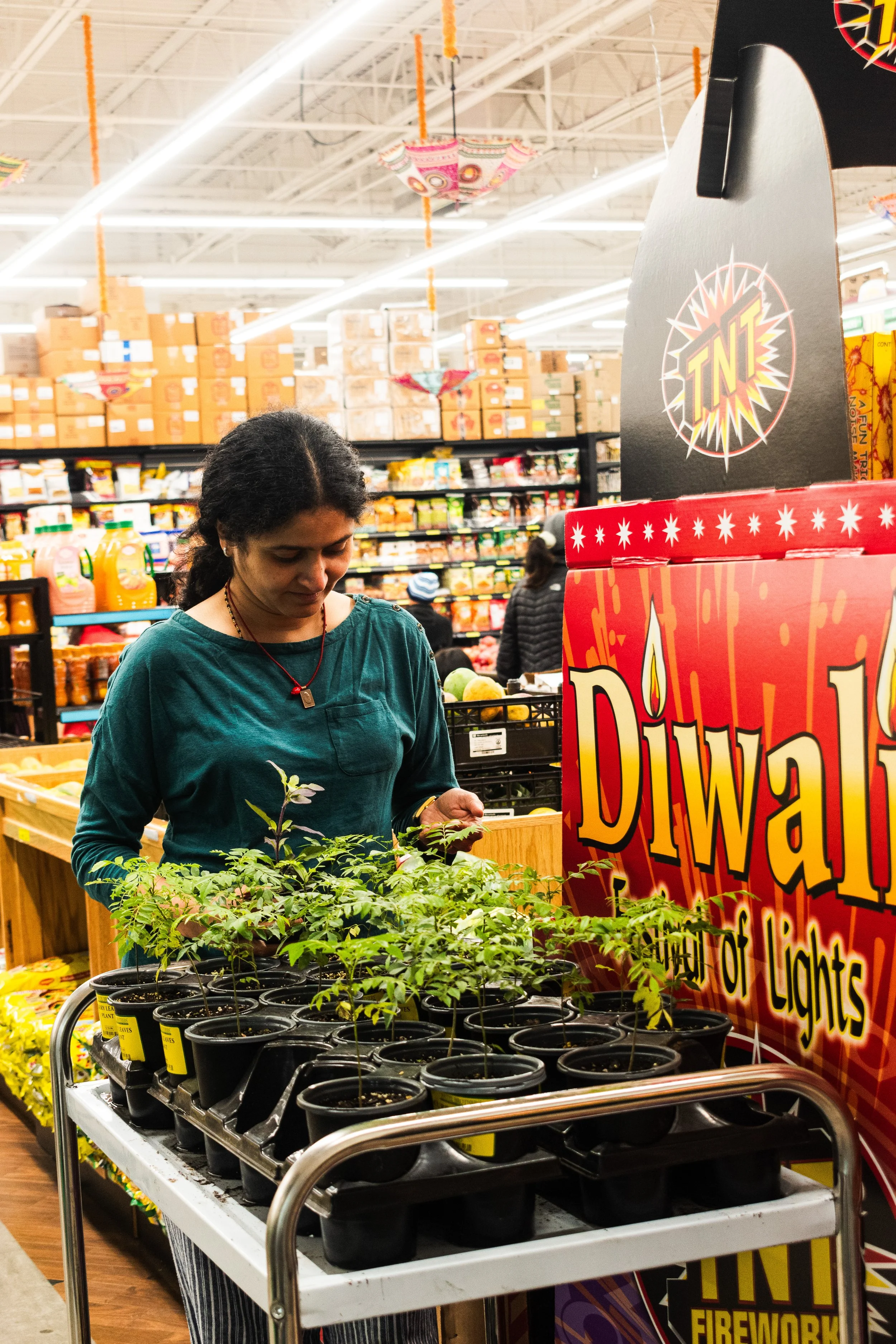
The grocery store where I visited and I saw a few people buying the tulsi plant. One lady was buying a tulsi plant that is again the everyday thing you pray and worship. This Indian basil plant is often known as a tulsi plant. I liked the background behind it if you could see there are a lot of small temples on the shelves, again with the Diwali decorations for sale and few scriptures.
— Sumeet Mehta
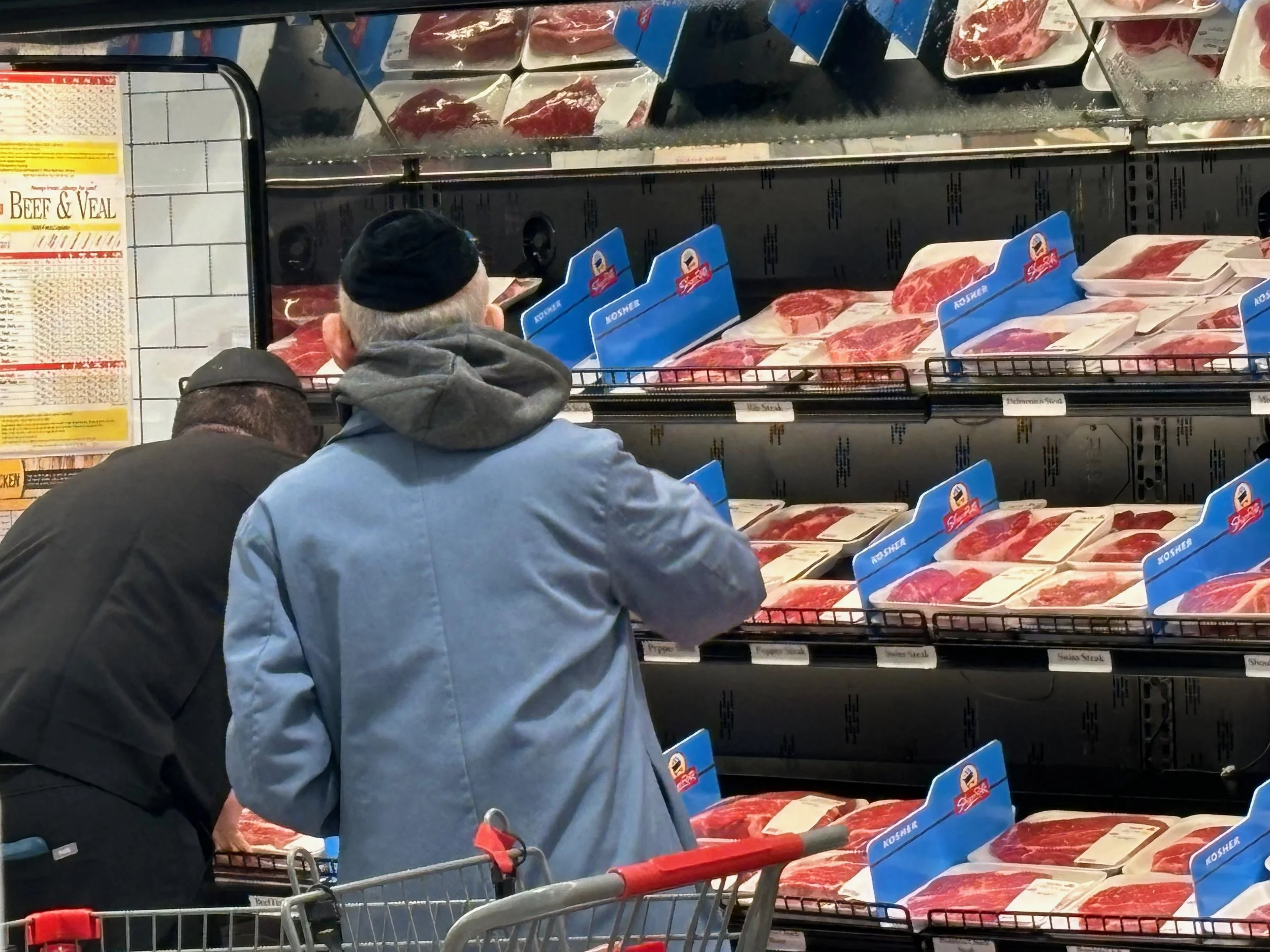
This is the kosher meat section and it's just kind of, I like the old guy and the young guy working together to stack the shelves.
Orthodox Jewish men often wear yarmulkes, a brimless skull cap to show respect and humility to God and as a reminder that there is a higher power.
— Rachel Gucwa
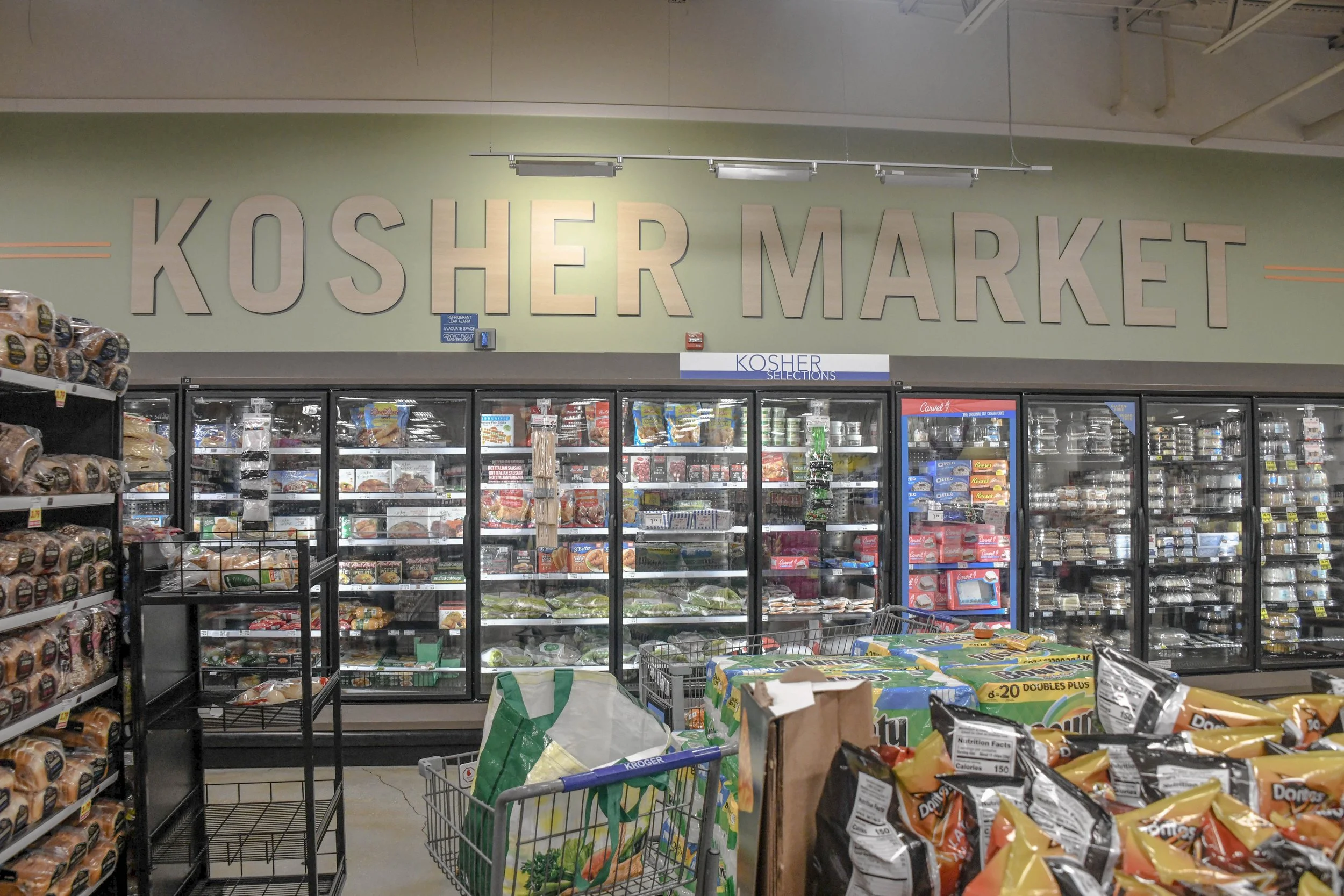
I go grocery shopping at least twice a week. I buy for two, three days. And I'm just always grocery shopping quite a lot. So there's a theme of grocery shopping in my images. And for me, I always am at the grocery. I do tend to wander off even if I don't need anything, I'm that person. Just really just walk around the whole store. And so it's something that I see a lot. And in the neighborhood where I do my practicum, it's a predominantly Jewish neighborhood, and so there is quite a bit of religious food, especially relating to Judaism. And so I included that since it's also as soon as you walk in, it's very, obviously it's the kosher section.
— Alan-Joshua Carrasco
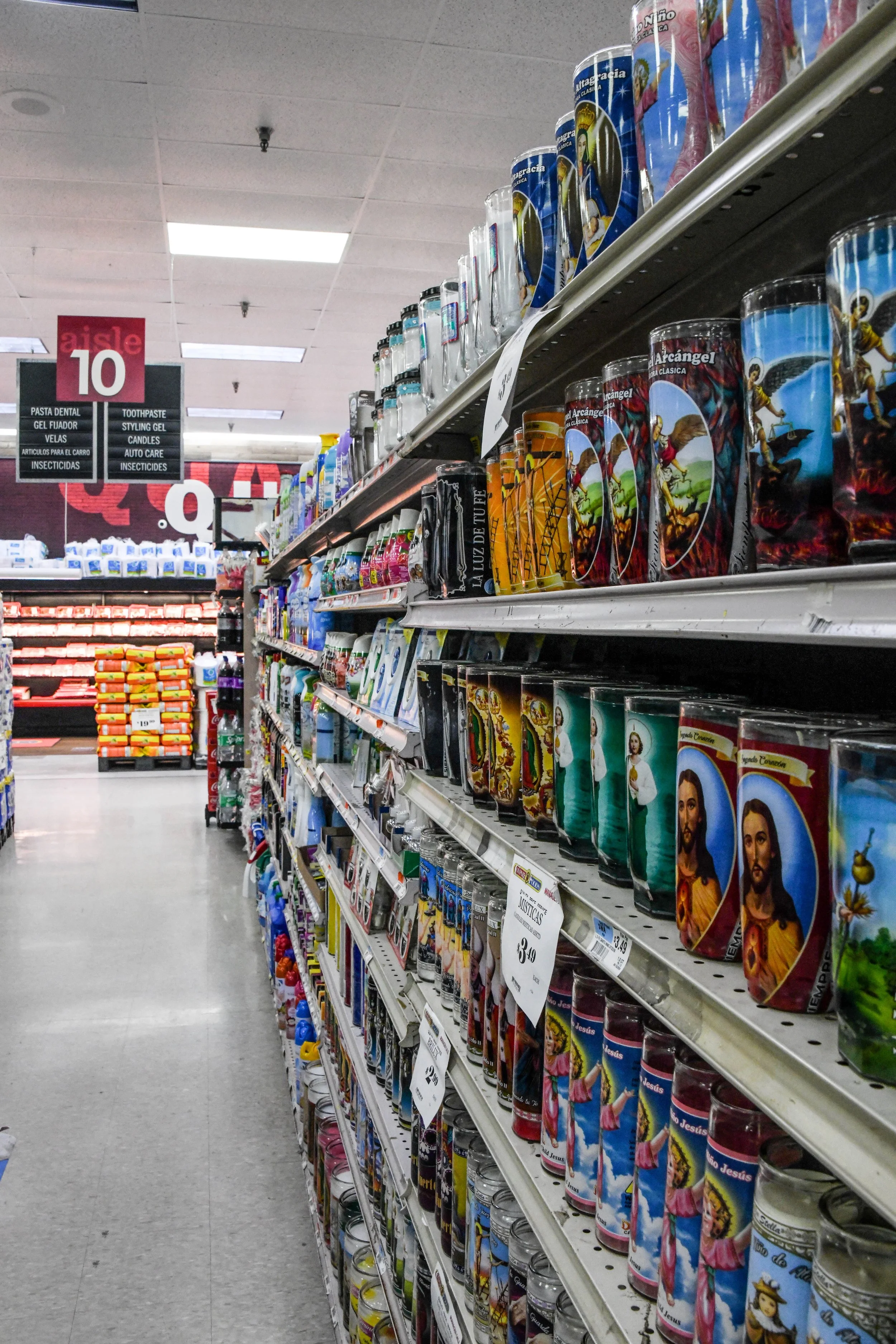
There's a lot of candles in the grocery store, especially in Hispanic grocery stores. And it's just a way people practice prayer, not necessarily for the smell, I believe. And so there's a lot of materiality in Hispanic culture, specifically Catholicism, which is not something I am completely versed in.
— Alan-Joshua Carrasco
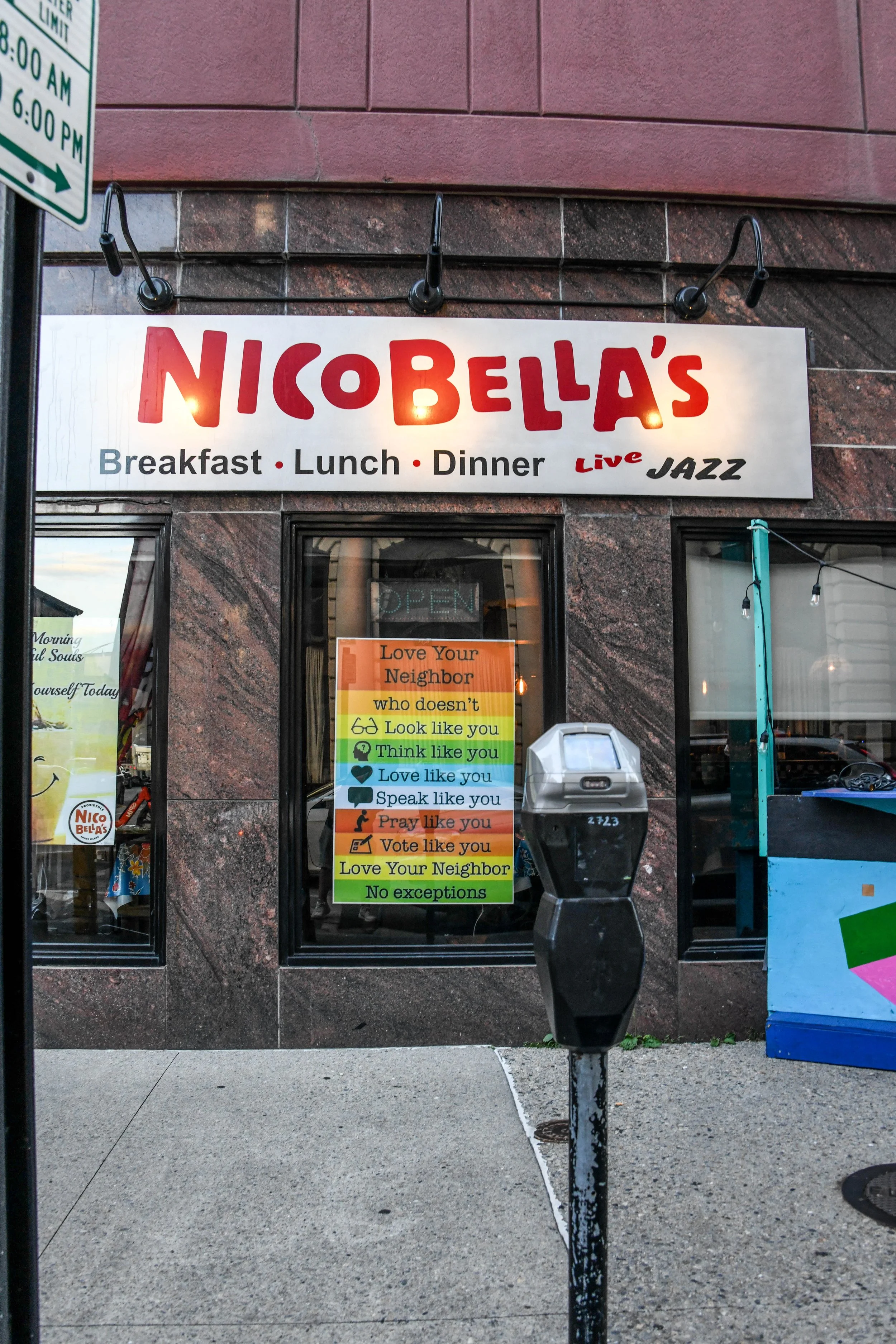
It just says, love your neighbor. It says a lot more. . . . And basically just love your neighbor despite language, culture, whatever.
— Alan-Joshua Carrasco
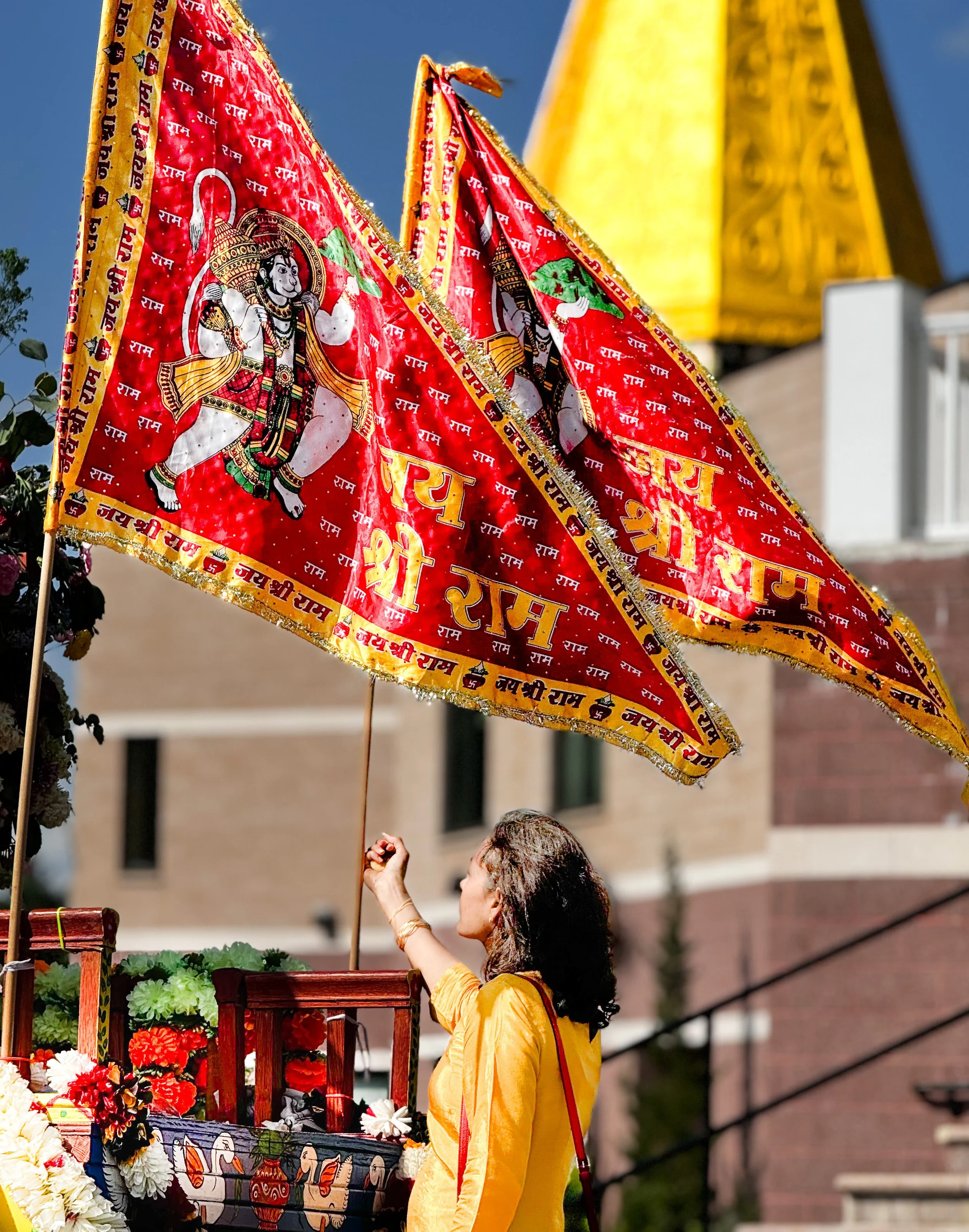
This red flag again is the other prominent symbol of Hindu temple and represents the lord Hanuman. This photo was taken from the rathyatra, known as the chariot ride of the lord Jagan Nath celebrated entirely in India and USA by people of South Indians, Bengalis, Orissa people and others. Behind the red flag we can see there is a golden dome of the temple. These red flags are attached to the chariot which is decorated with lots of flowers and fruits to place the Lord Jagan Nath and give him seven rounds of the temple where all the people will be walking by themselves singing bhajans and dancing like a celebration in the month of July.
— Sumeet Mehta
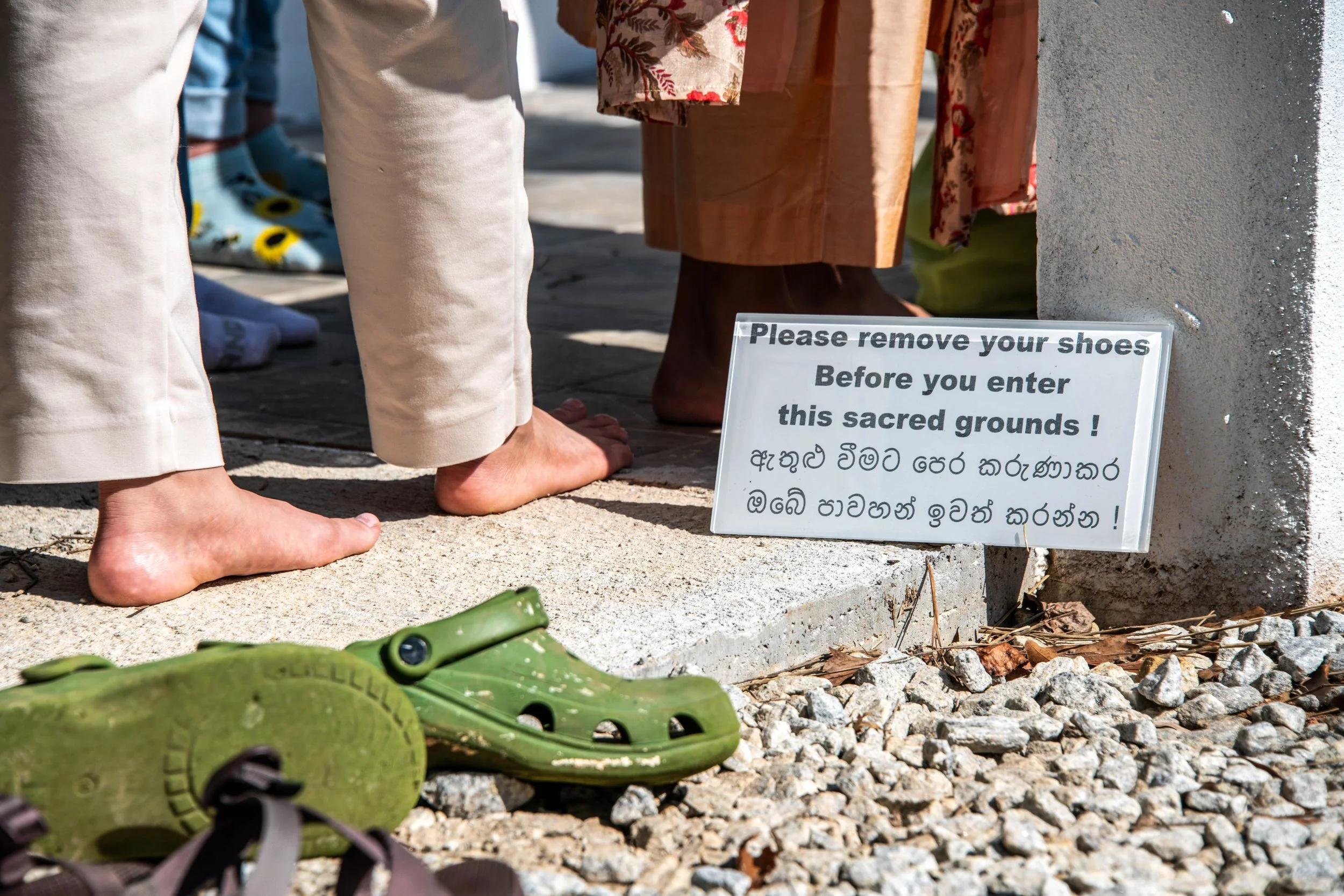
The youth were going into a stupa, and it was just recently finished two months ago, we were one of the first people to actually go as a group to the stupa and it's just them right before they're coming into this and they're taking off their shoes as a sign of entering a sacred space. And I just got a picture in action of them about to step into this sacred space.
— Alan-Joshua Carrasco
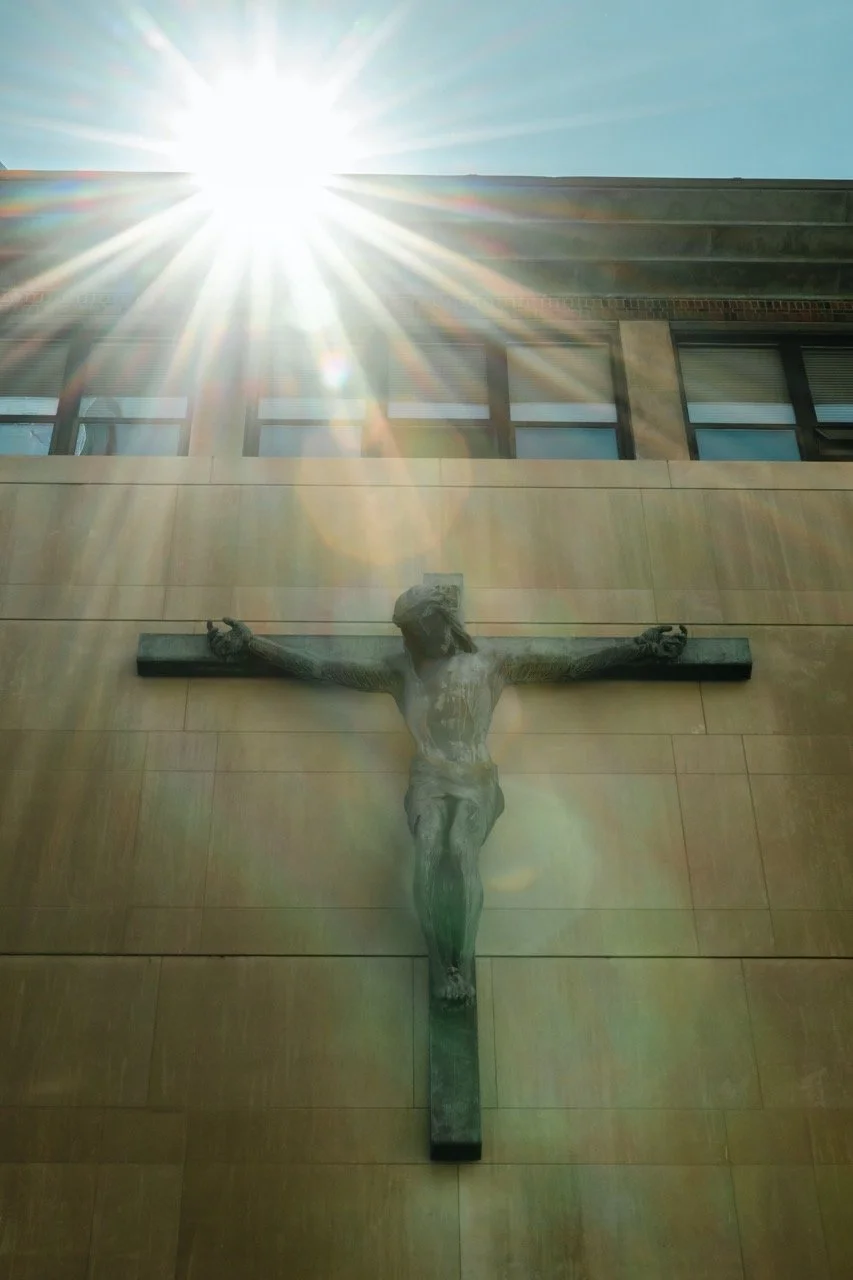
This is outside St Anthony’s Shrine in Boston. I work with the Franciscan Friars on their homeless outreach and other critical services to the community. This image represents the piety, humility and services that the community strives to embody.
— Julianne Gauron
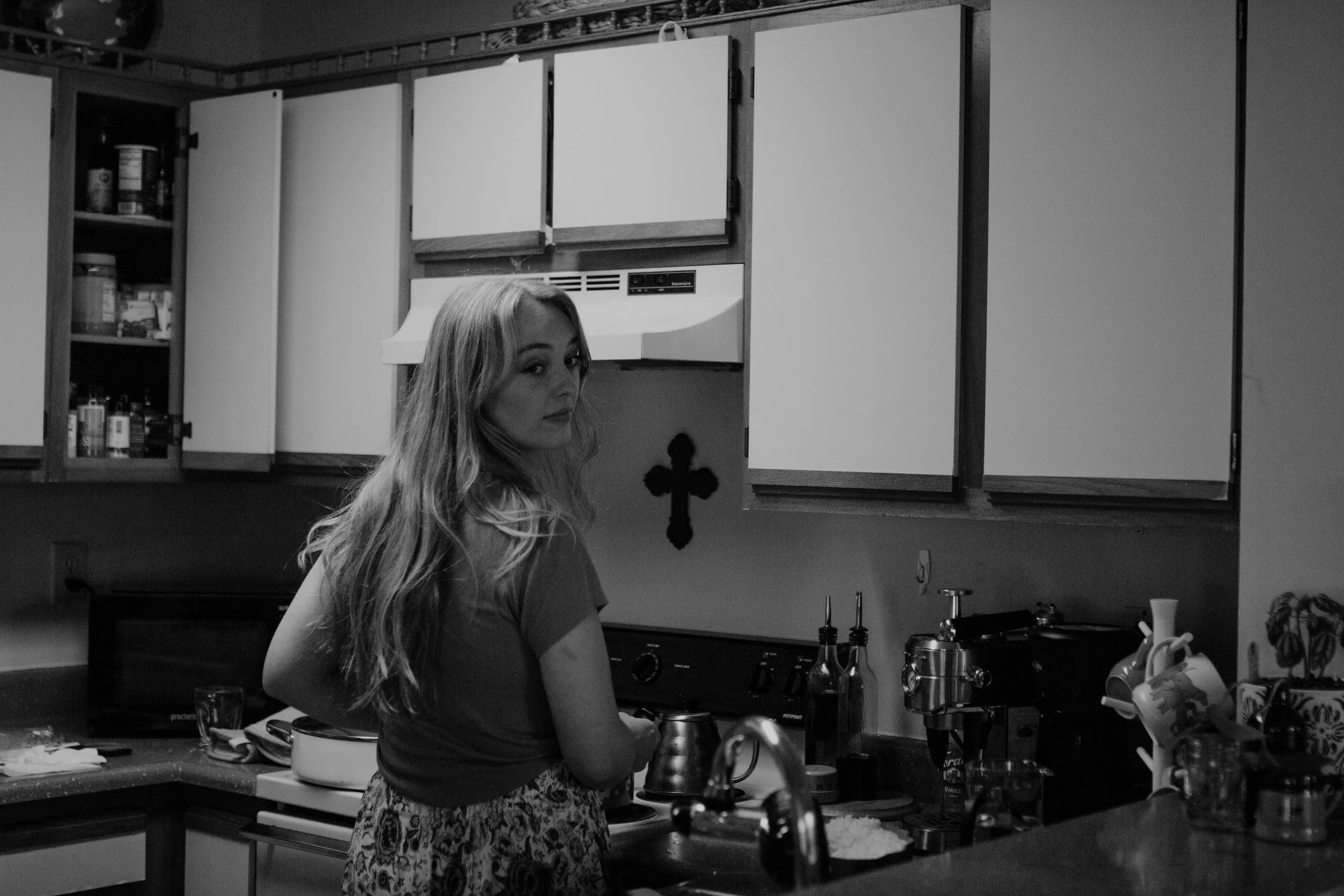
I really like the picture of Tessa looking back, she's looking at her husband and I don't know why this picture just does really speak to me. I'm not quite sure if I like it in black and white. I was playing around with it in color and the lighting in their house was just so dark that it was really hard for me with the lighting. But I do like the picture.
— Joanna Schaus
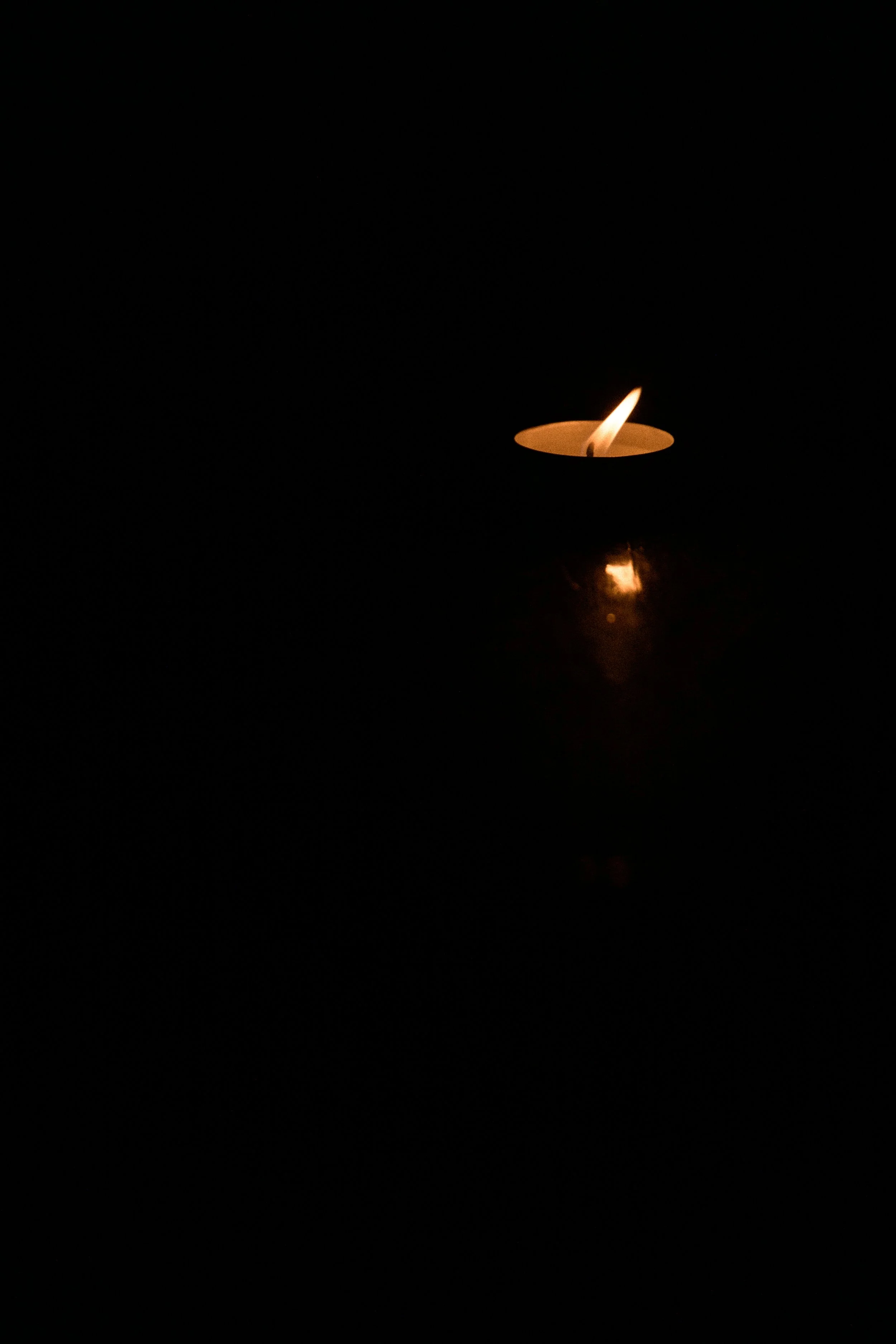
I am trying to visualize what it is to hold onto faith when it's darkest, this can be challenging. I've definitely been there.
As I was making this image, I realized, sometimes this candle of faith, it flickers.
— Julianne Gauron
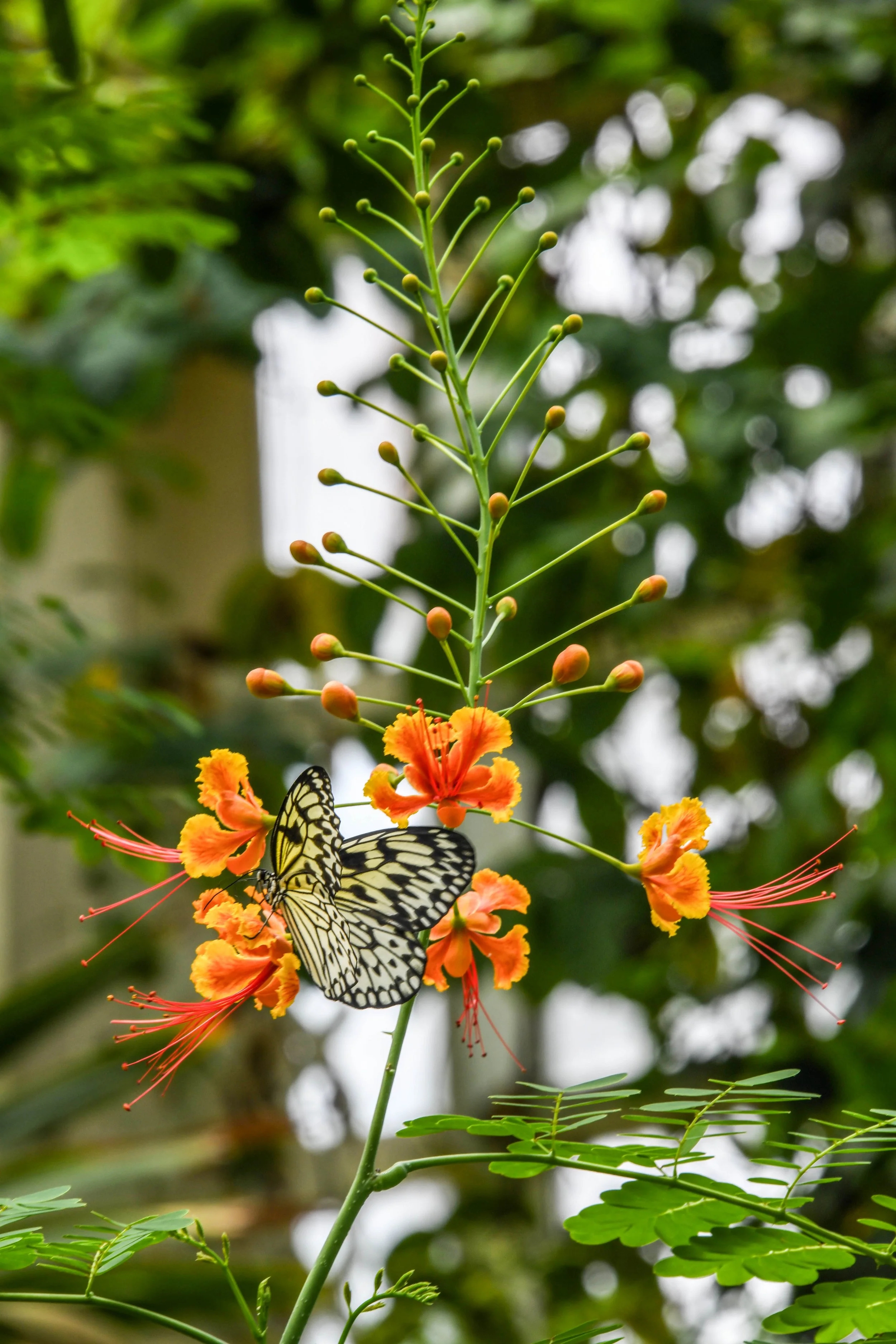
Moving on, I took a picture of a butterfly. I do like nature, and I was not in nature a lot these couple weeks. It's just a butterfly. And to me, this picture really means just really taking time is slow down. Look at the moment too, in spirituality, in Mexican culture, butterflies are spiritual, especially when it comes to around day of the dead. This is not a monarch butterfly, but it's a butterfly. So it's related. And to me, it also reminds me of this song that my mother used to from her vacation church school about butterflies and being fragile and sacred. So it was just very, really connected to my spirituality, but also just to my heritage, both my families, but I guess from a culture as well.
— Alan-Joshua Carrasco
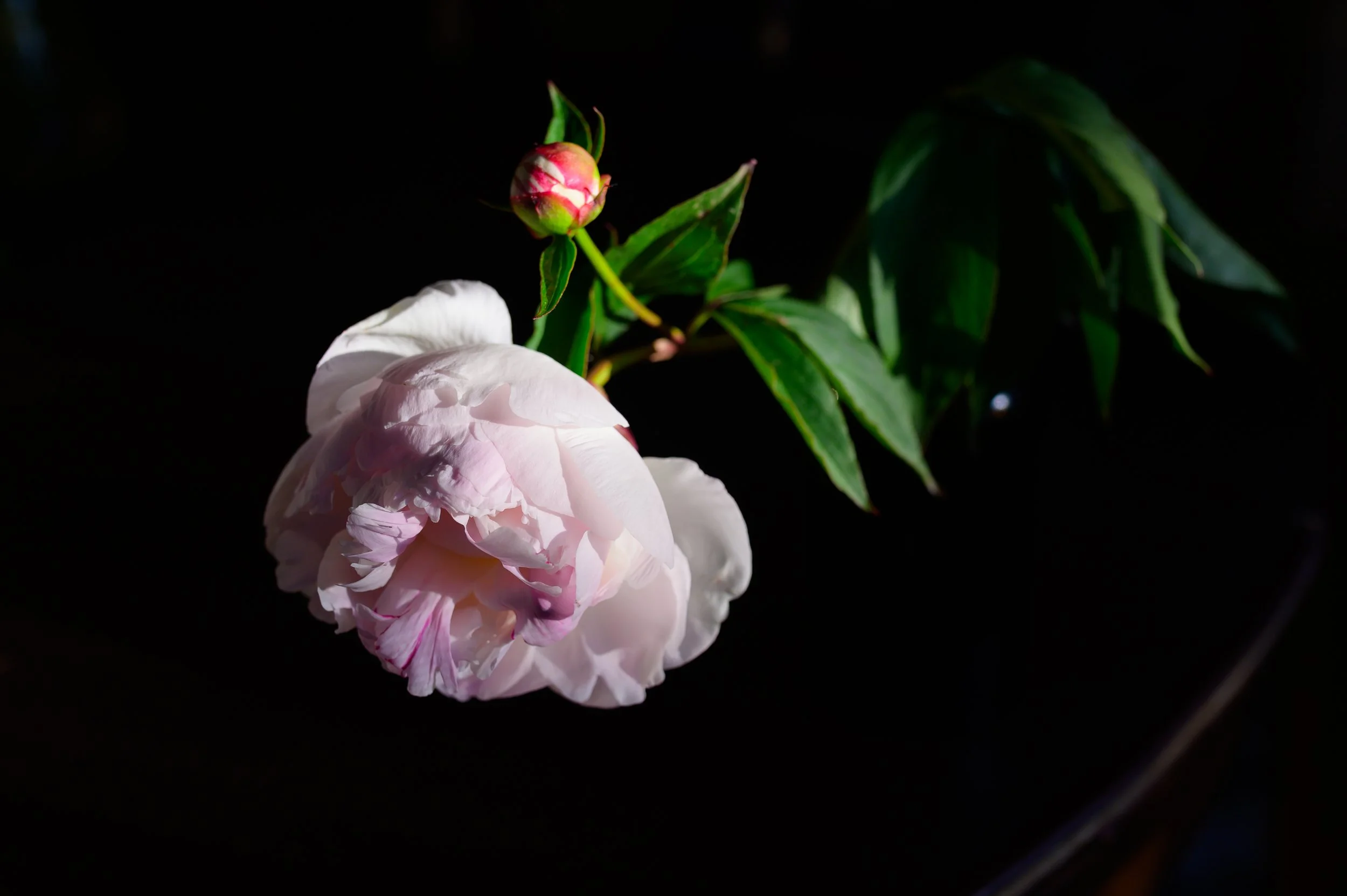
This is a peony from my garden. I find my faith most evident in nature.
I bought a house a month before Covid, and spent a lot of covid unearthing the garden that had been there for many renters. There are a lot of flowers and amazing plants, but they were buried under weeds or, as with this peony, under a stone wall.
To me, nature, agriculture, and the seasons are very spiritual. There is magic, wonder, gratitude and lessons to be learned. You can learn so much and experience so much in nature.
Nature is sacred, I cannot imagine feeling any other way.
— Julianne Gauron
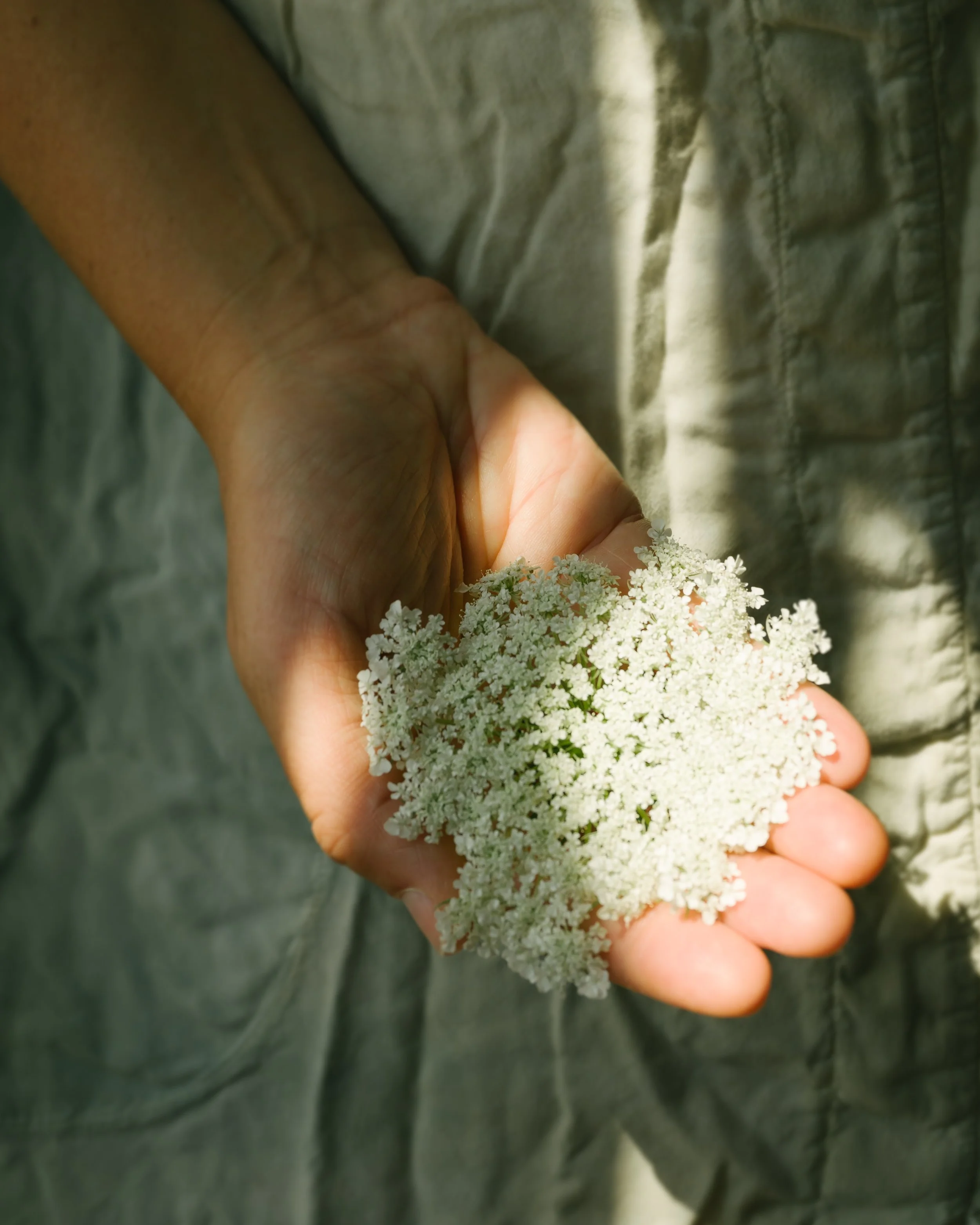
I wanted to use elements from nature that show the wonder that nature creates, even in her smallest elements, not just the grand vistas.
This is a weed, it's called Queen Ann’s Lace. But it's actually beautiful with a sort of mathematical shape. It's like this beautiful numerical shape spiraling out, but it's considered a weed.
The image strives to show that nature manifests these extraordinary creations, everywhere. And this sense of wonder, awe, and gratitude is a big part of spirituality. Even for a “weed.”
— Julianne Gauron
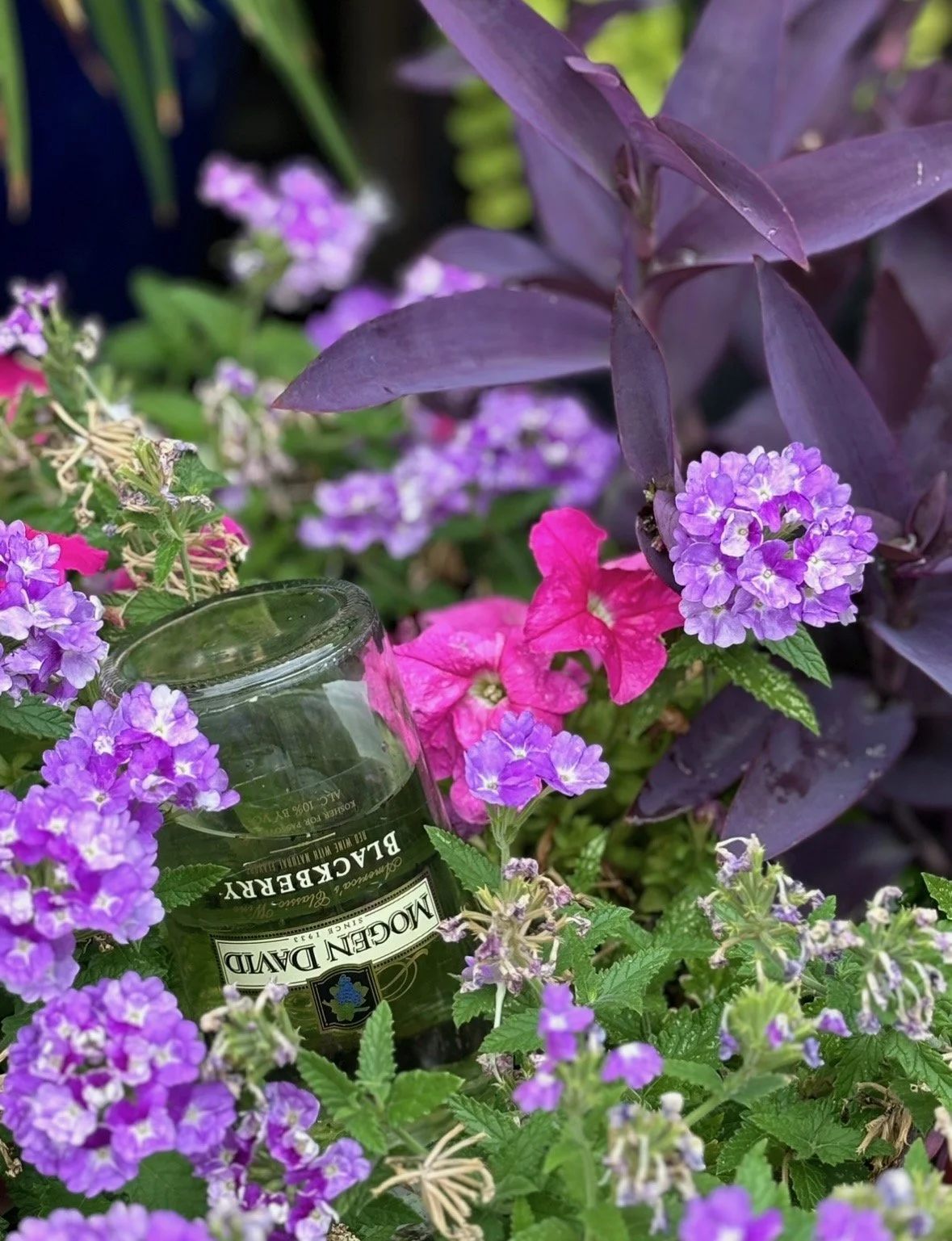
This is a Jewish wine (Mogen David is popular Kosher wine) bottle feeding the plants, so that's kind of cool.
— Rachel Gucwa
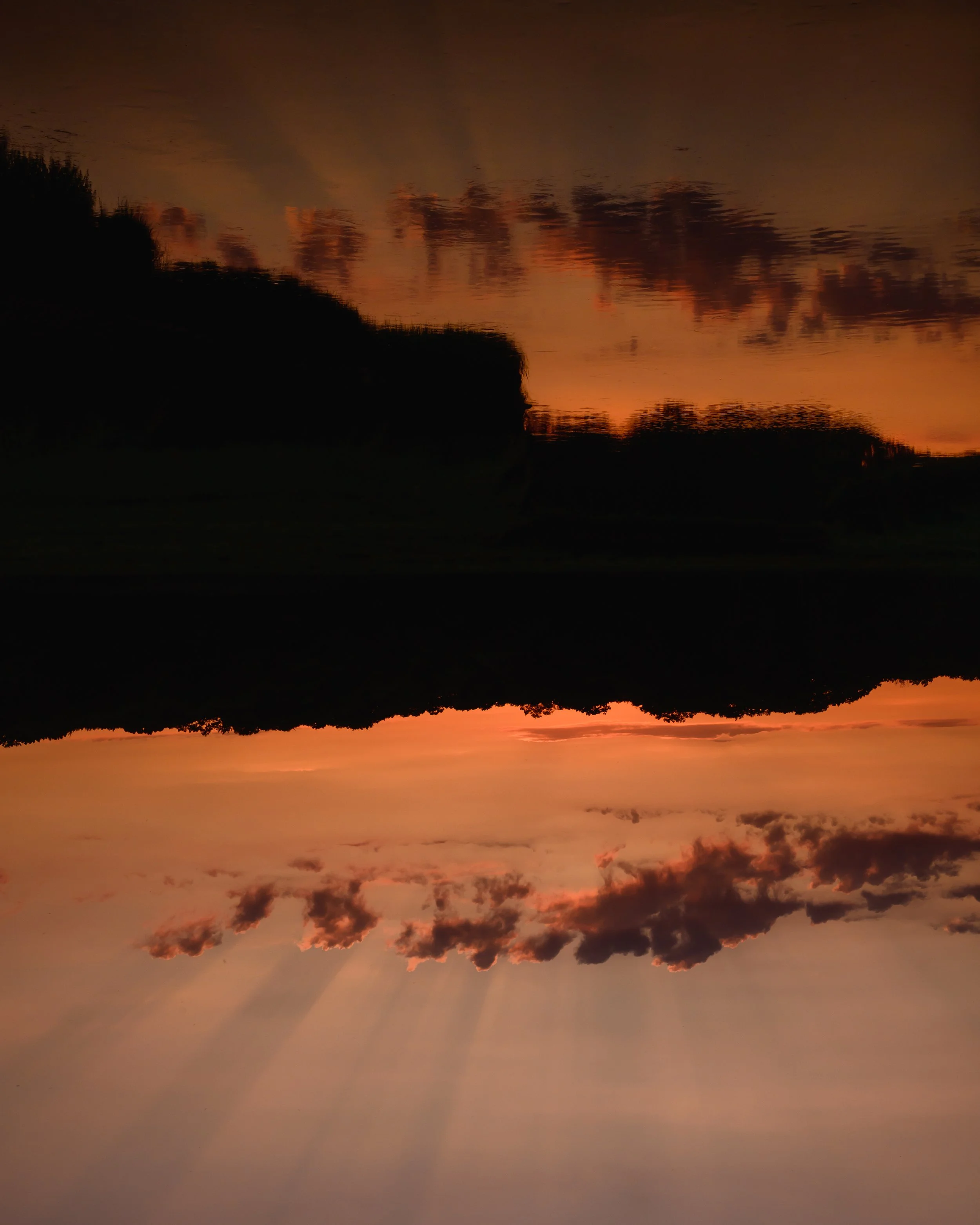
The God rays over the marshes convey the feeling of wonder that I feel in nature, but also specifically at the golden hour.
You feel like that light, that light feels like an expression of sacred to me. That we are gifted this. Especially in New England where the light ebbs and flows throughout the year. I was also trying to find ways to express what spirituality feels like to me more abstractly. Nature, light, emotions, freedom, the sacred and a sense of deep gratitude.
— Julianne Gauron
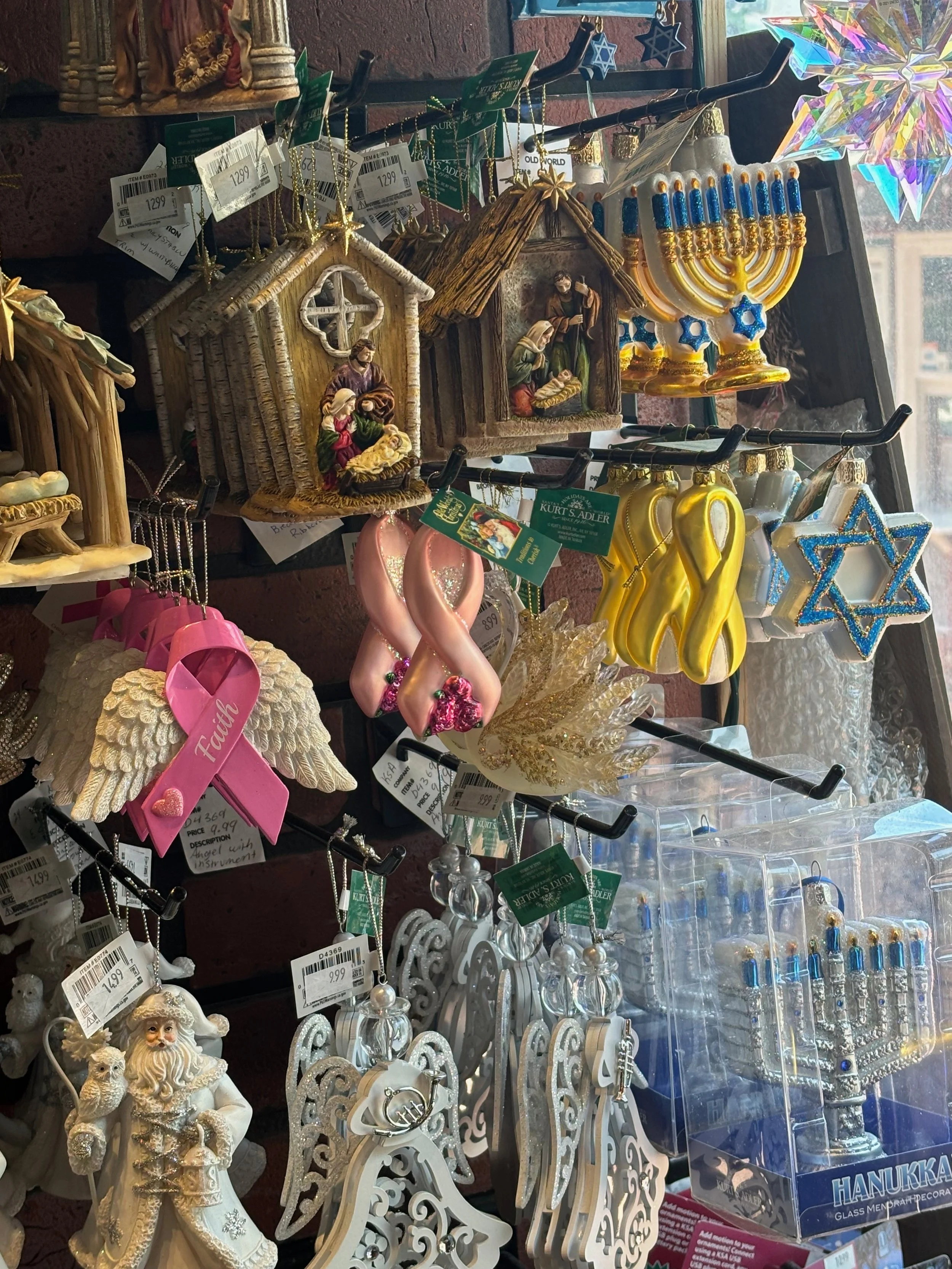
Festival of lights
Breast cancer
And Jesus’s birth
Yep, that about sums it up
— Rachel Gucwa
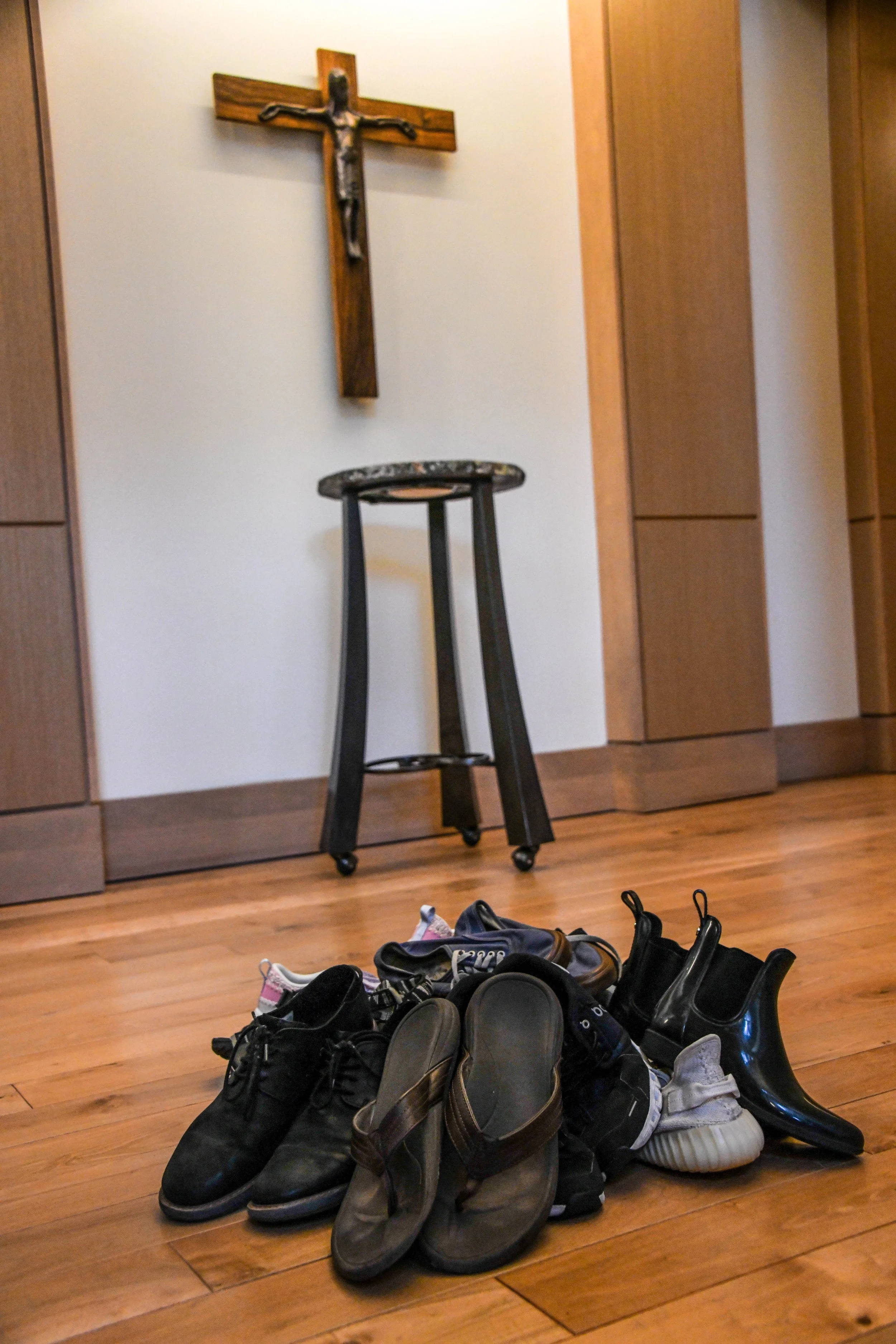
This one is one of the first worship services that was planned by the interns here. They really took the passage of Exodus and Moses and taking off the sandal and just entering into a sacred space. And their reason behind the pile of shoes was you're entering a very sacred space and people just got to take off their shoes as they got into the chapel.
— Alan-Joshua Carrasco
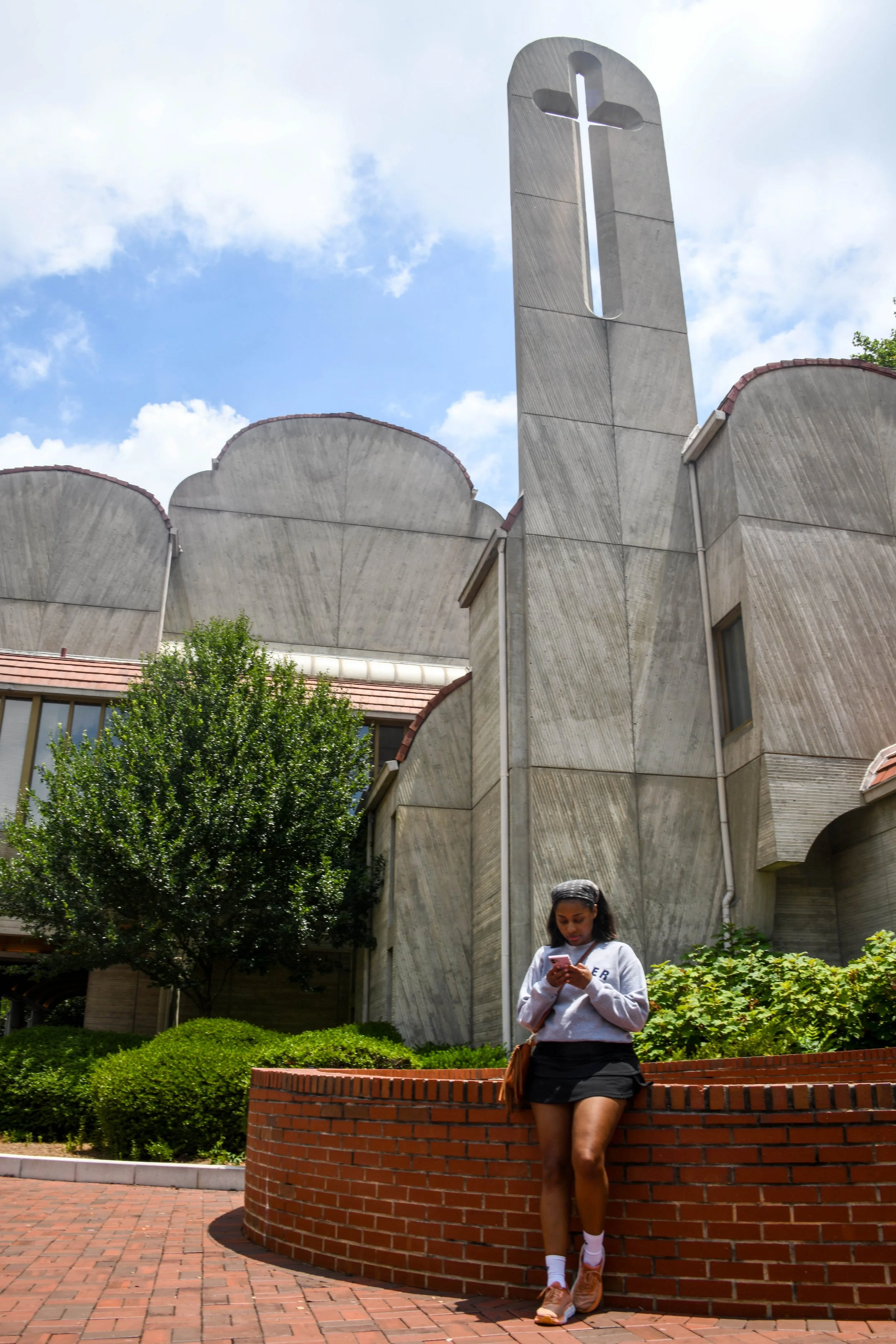
This is the same coworker, and this was actually just her on her break and I realized she was standing almost directly behind the arch. I'm like, that's a perfect candid picture: sometimes you don't realize the sacred is all around you, because she was on her phone during her break.
— Alan-Joshua Carrasco
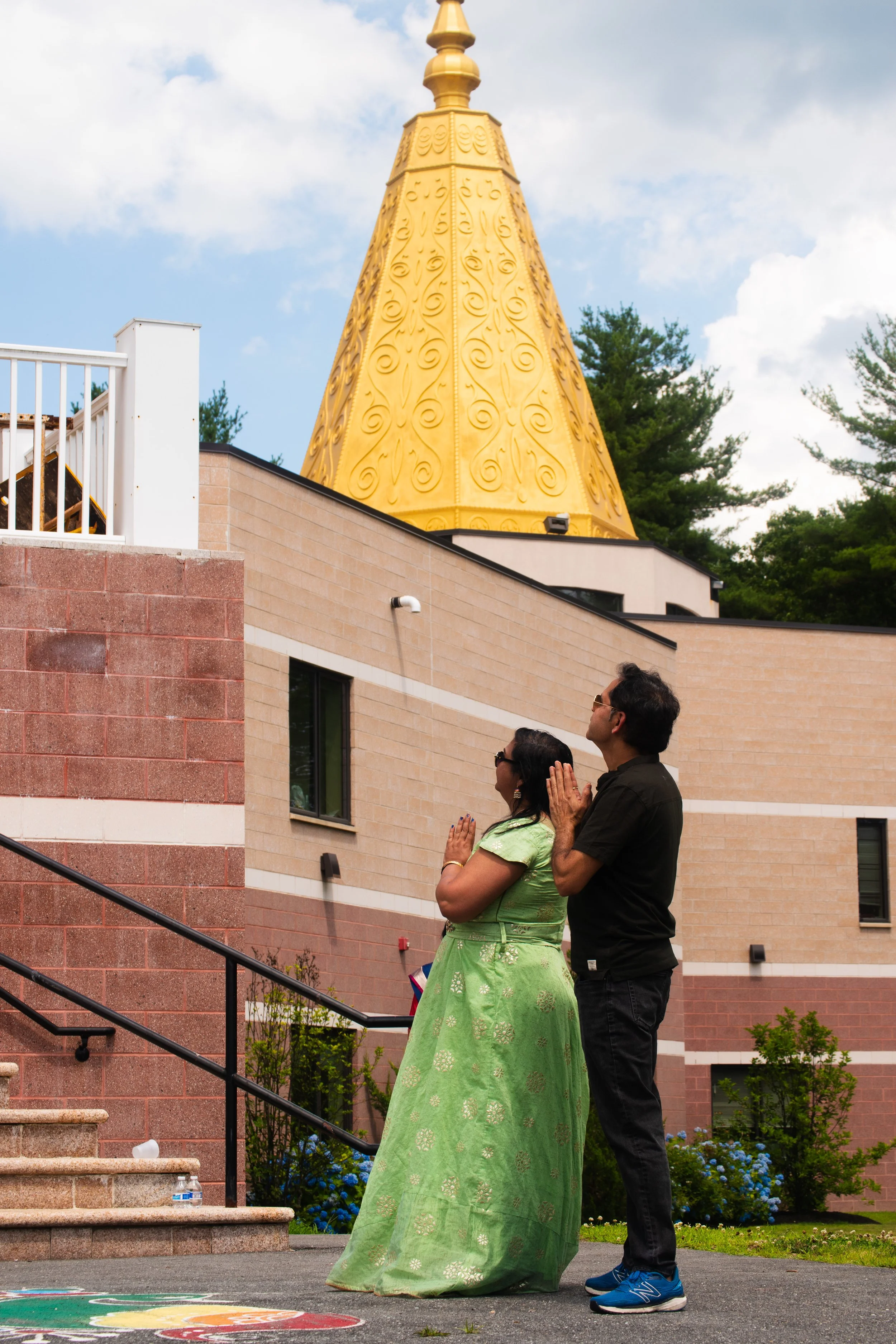
This is what an Indian temple looks like. Usually a dome, a pyramid shaped tower. The top of the tower is usually built with real gold. This couple is standing beside the temple and praying from outside by joining their hands and thanking the god. Next to the couple there is a beautiful rangoli decor that is again an Indian ritual where they decorate the entrance to welcome the statue of any deities on special occasions and also on festivals. Sometimes life is too busy to visit the temple from inside every time, and then bowing their heads and thanking the god from outside helps them. To connect to the god visiting temples everyday is not possible for many and then it’s the connection from within that is what is followed by many people in everyday life. Instead they keep a weekend to visit the temple from inside and have prasad. — Sumeet Mehta
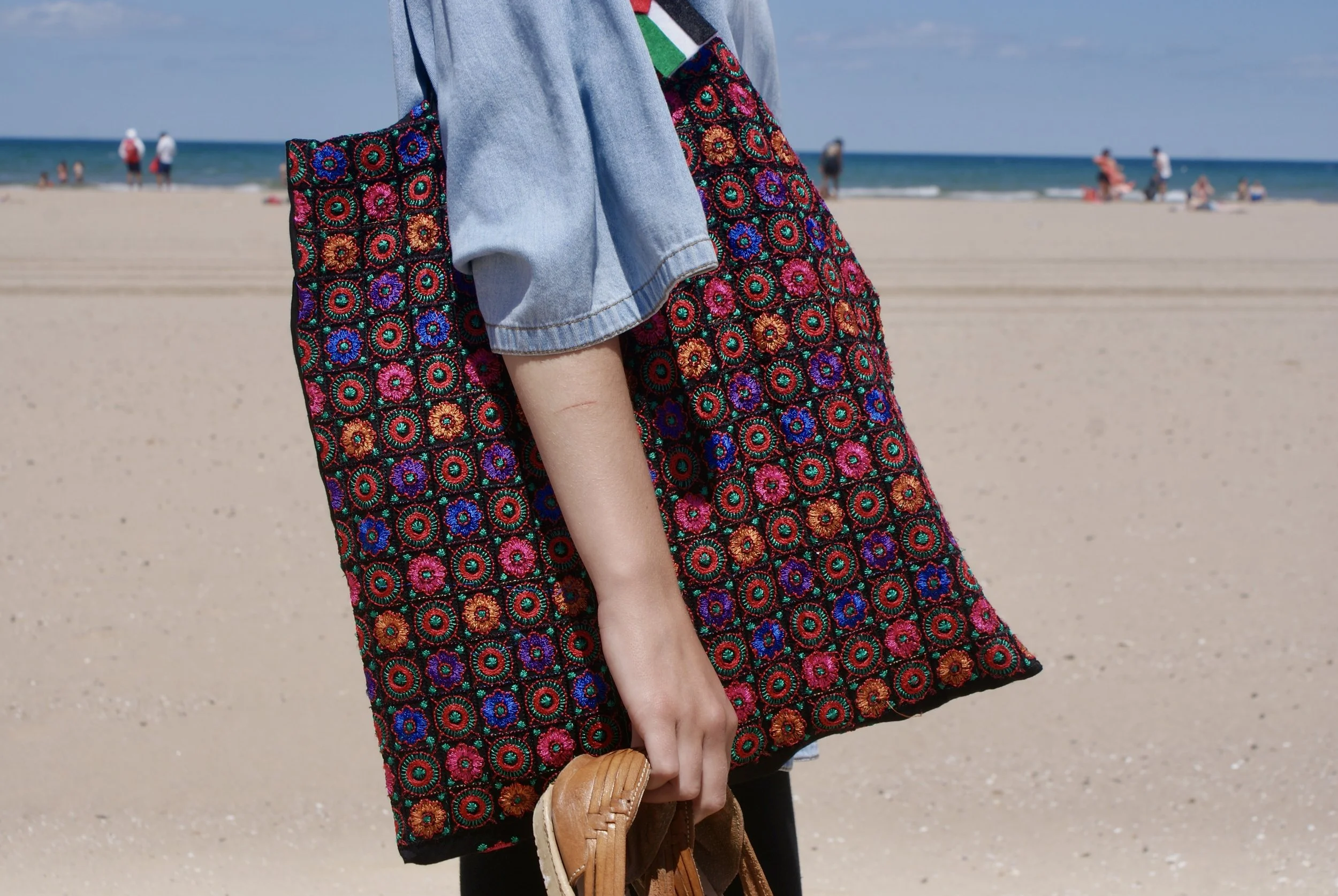
This is my dear friend. She’s someone who has taught me so much over the few months that I have known her. This photo aims captures her selflessness and her sense of wonder over the smallest little things. I appreciate how much she respects different religions and cultures. And she is so involved in activism and making the world a better place. As someone who could cut herself off from the world as she has faced so many challenges of her own, it is so striking that she never backs down from adversity. Being around her gives me greater appreciation for my religion and my life.
— Fatima Zaid
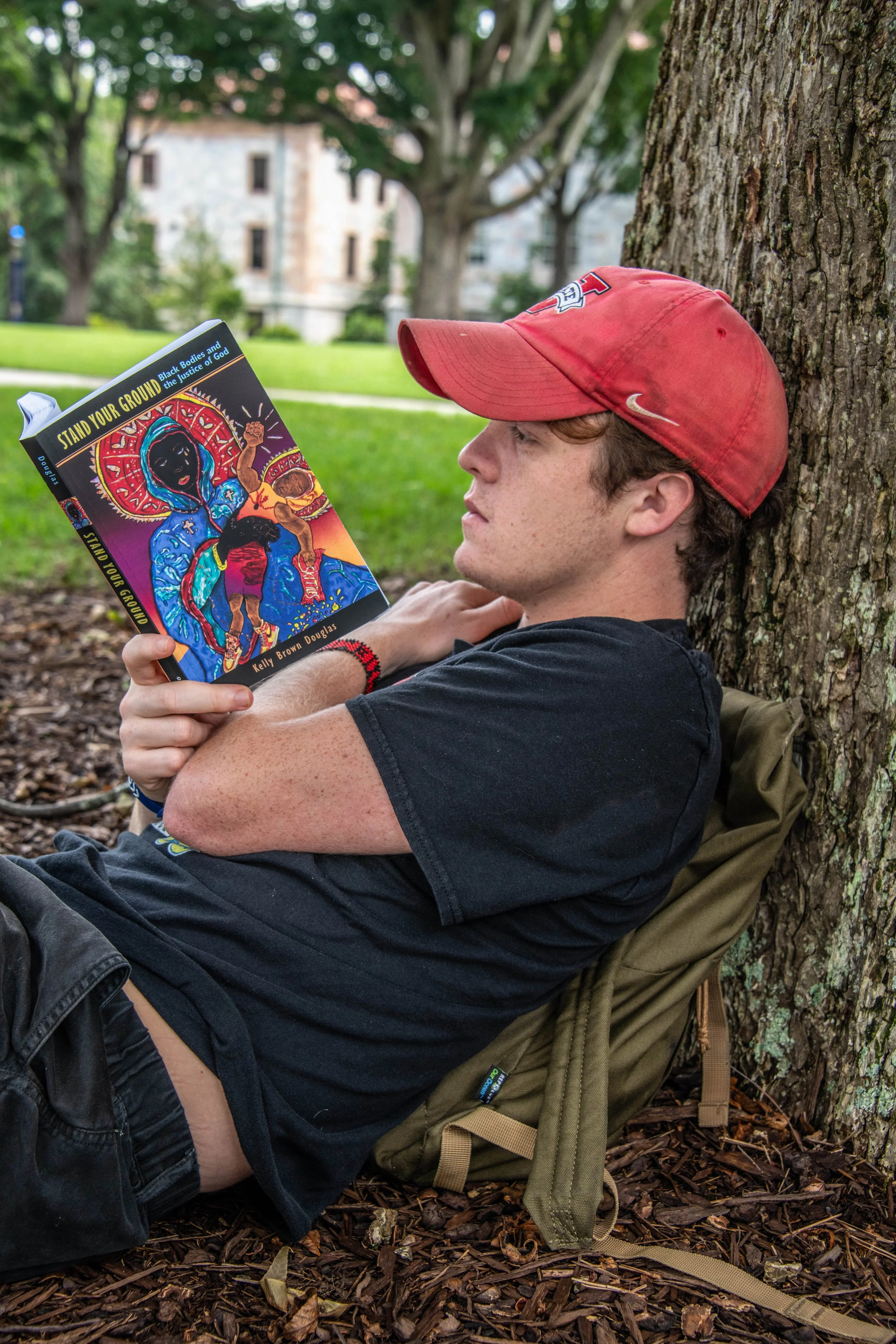
This is one of my coworkers that I worked with for three weeks and we're just living together, working together, intentional community stuff and working with the youth as well.
— Alan-Joshua Carrasco
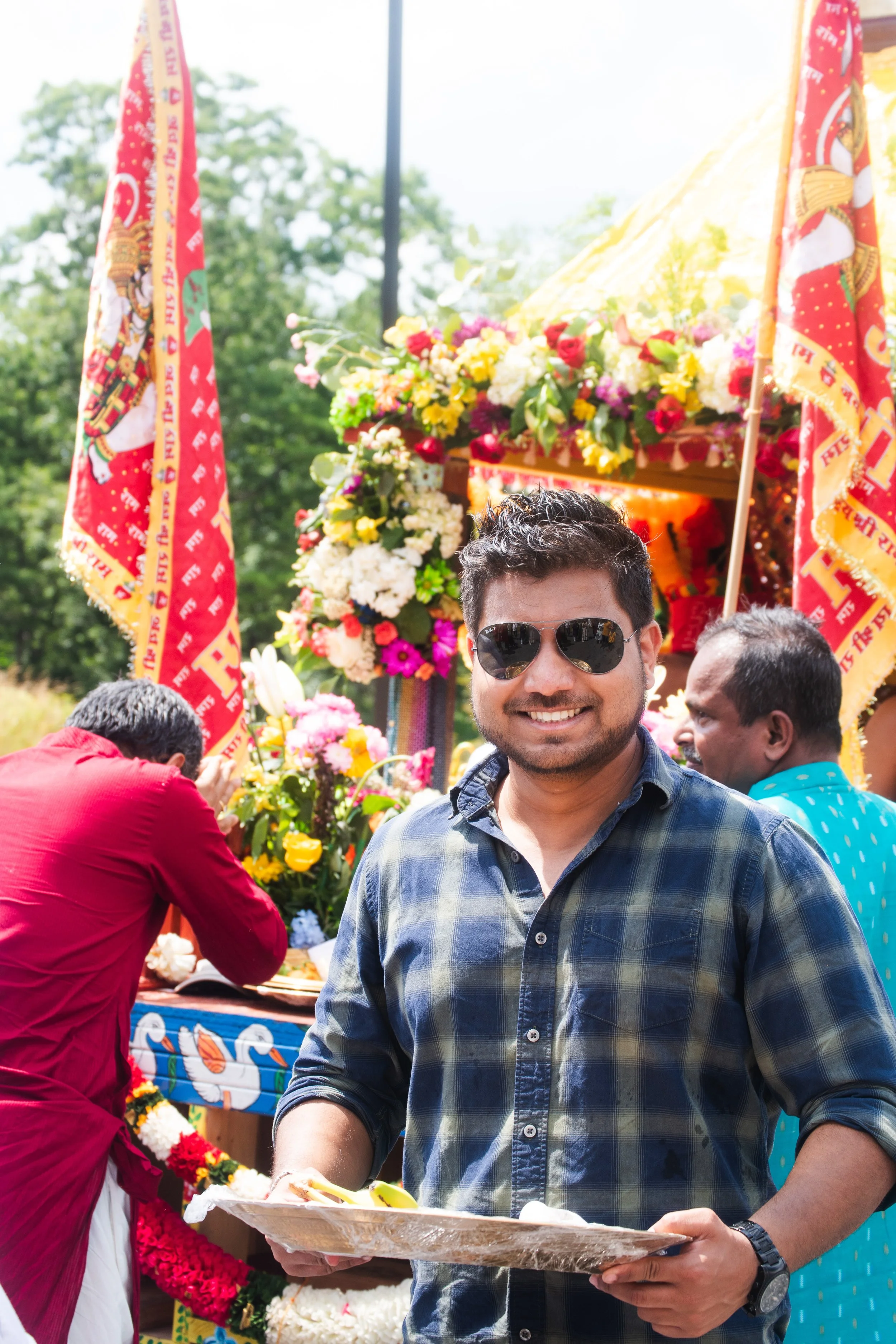
This image was taken during the celebration of the rath yatra. Rath yatra is the chariot ride of their god when they take five or seven rounds or circles of the temple. An exciting part is that all the people help the temple and take active participation voluntarily. I think doing a Darshan is like a proud moment for an individual. Darshan in Indian religion means a glimpse or a view. Darshanam is the auspicious sight of a deity or a holy person. Here this person in blue kurta is so happy to hold the auspicious thali of the celebration to take inside to the temple after the darshanam.We can also see behind him other people bowing down during the darshanam of their God, seeking blessings by joining their hands and praying and offering flowers. — Sumeet Mehta
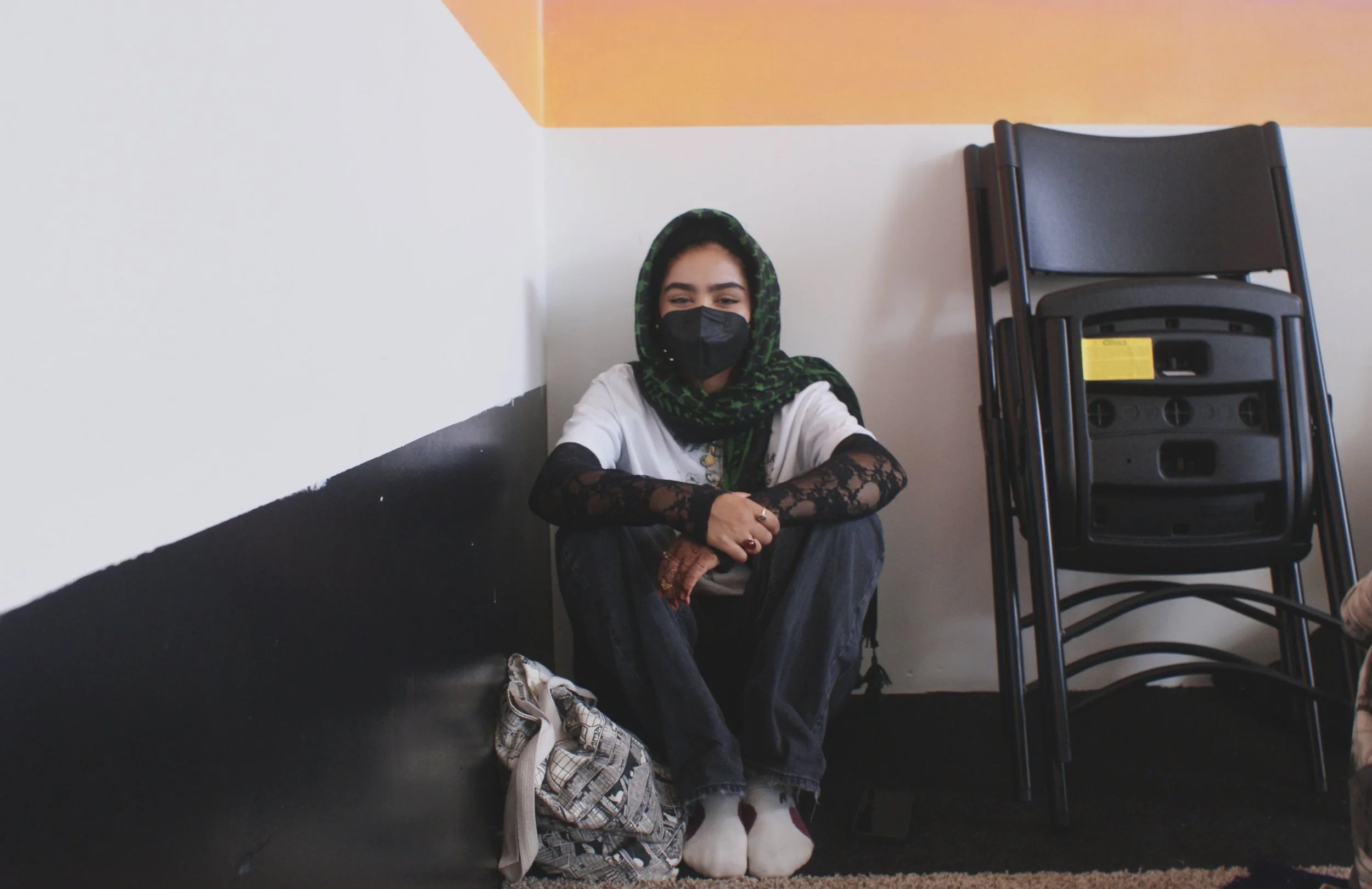
This is an image of my friend. She’s the coolest. I think Muslims of today showcase that modesty is not black and white. People have different comfortability, there's a spectrum of how people practice Hijab, how they choose to dress. And I think that it's really cool that we exist in our own skin and practice the faith externally, in various ways. The fact that we all try to do it and make the intentions, I think it’s beautiful.
— Fatima Zaid
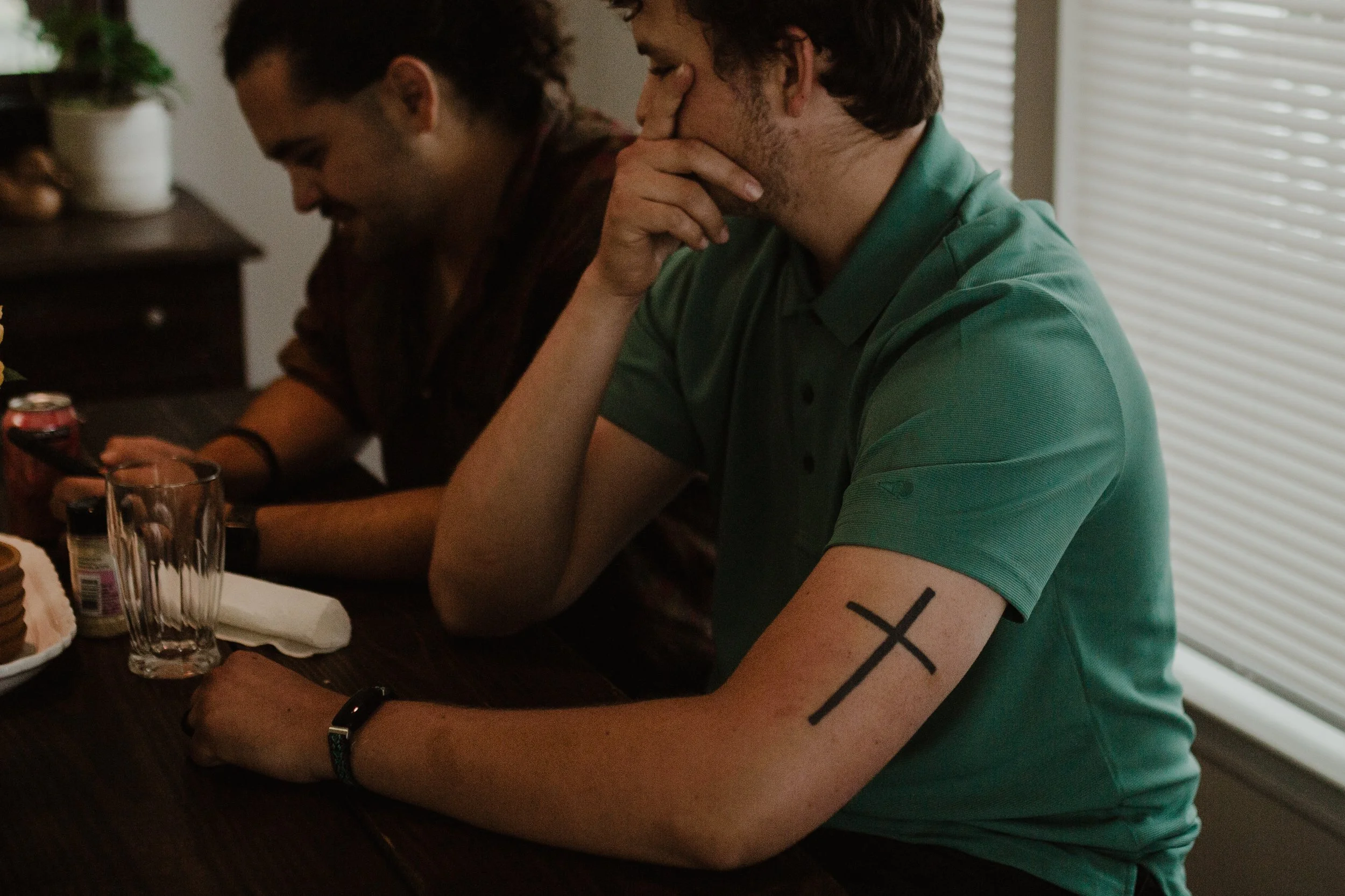
I took these pictures on Sunday of friends in our church small group. They are Christian and Cameron who's in the green shirt. He has this cross tattoo that I really wanted to photograph and I thought these turned out really good.
— Joanna Schaus
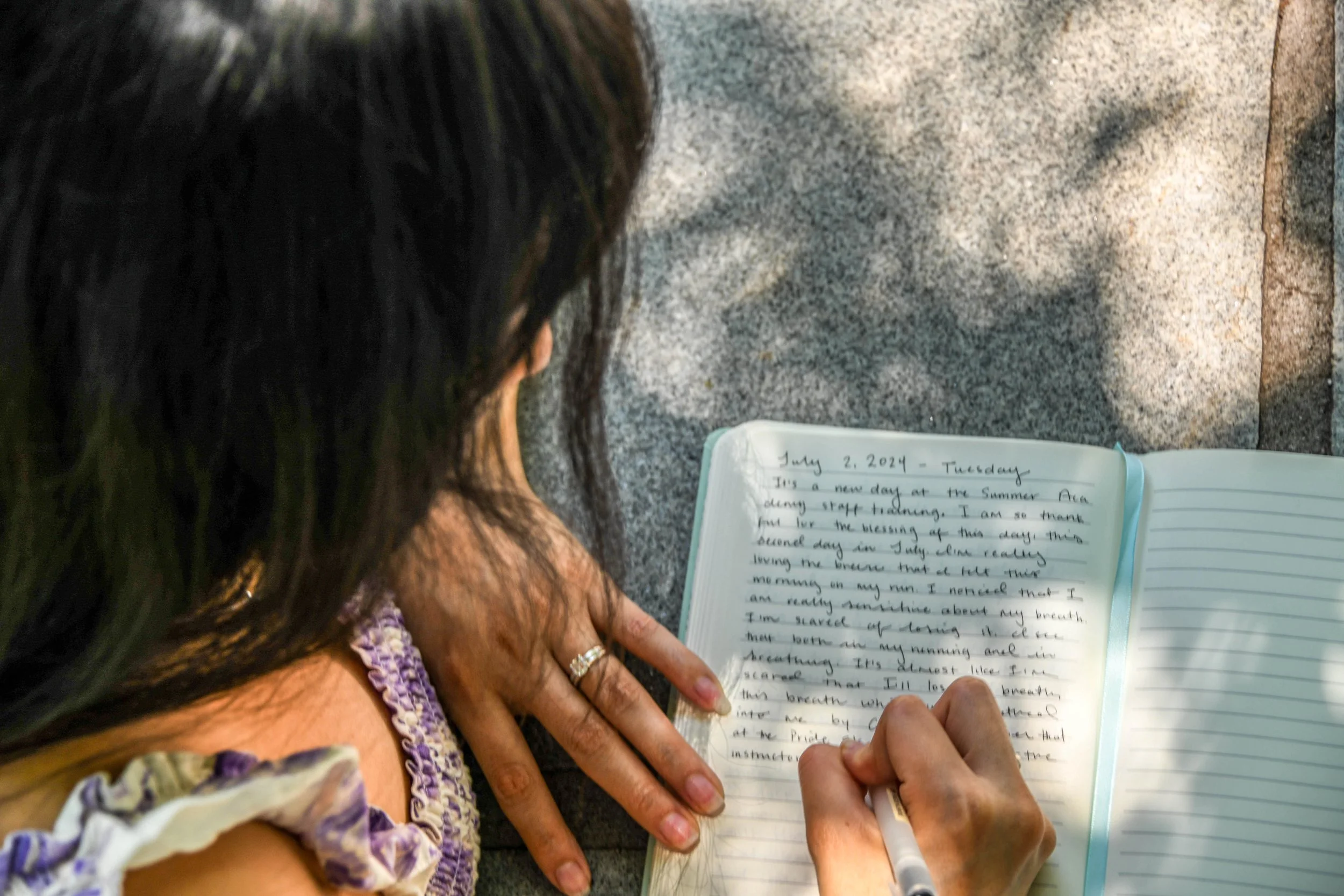
One of my coworkers that does a lot of journaling and journaling is part of her spirituality and everyday life, and that's how she practices her spirituality.
— Alan-Joshua Carrasco
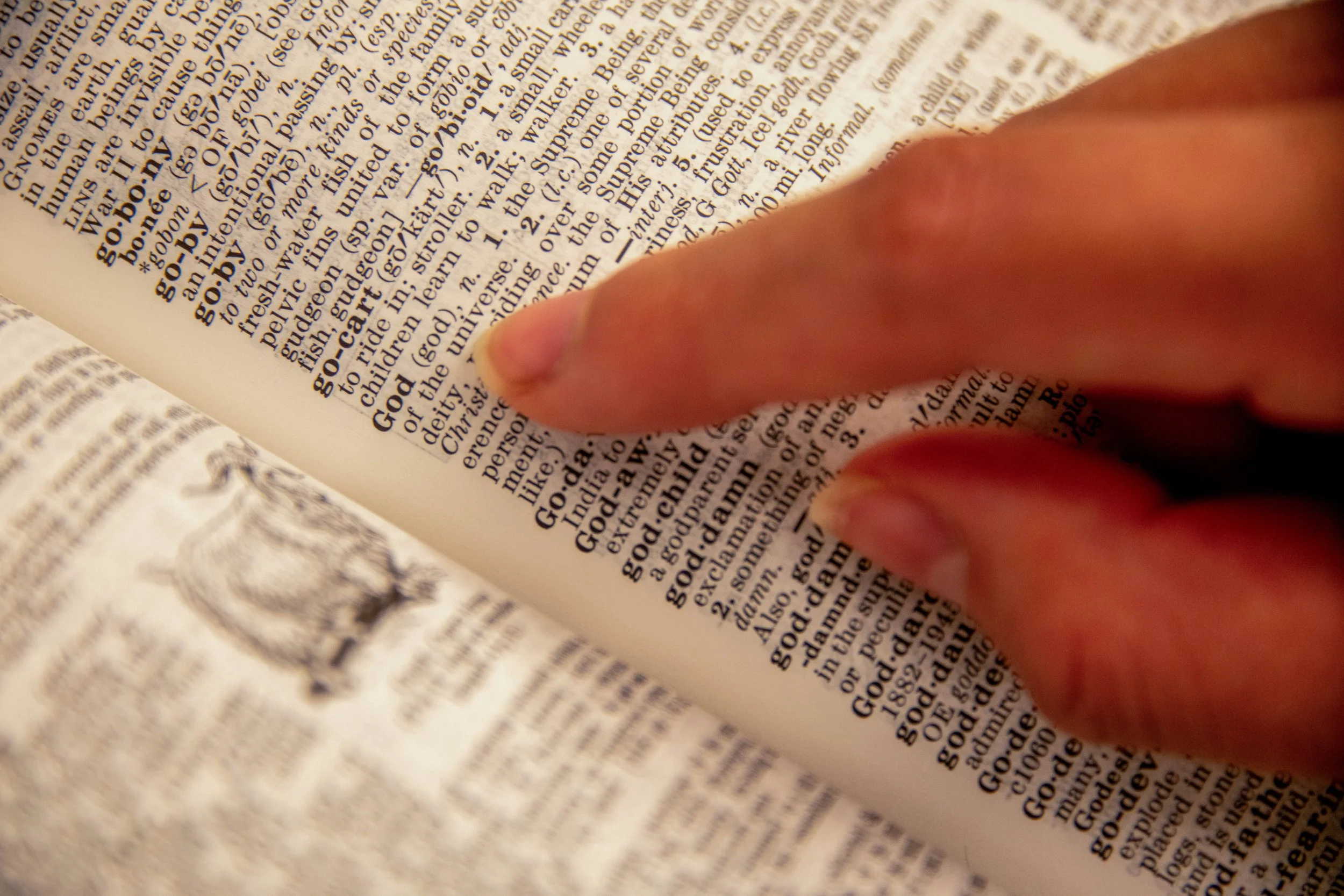
My childhood dictionary has been part of my life. My father used to get me dictionaries every year because I'm not an English speaker, and so we want to make sure I was, and so to me it kind of reminded me of my own and also with academics, balancing questioning and also trying to find reliable resources.
— Alan-Joshua Carrasco
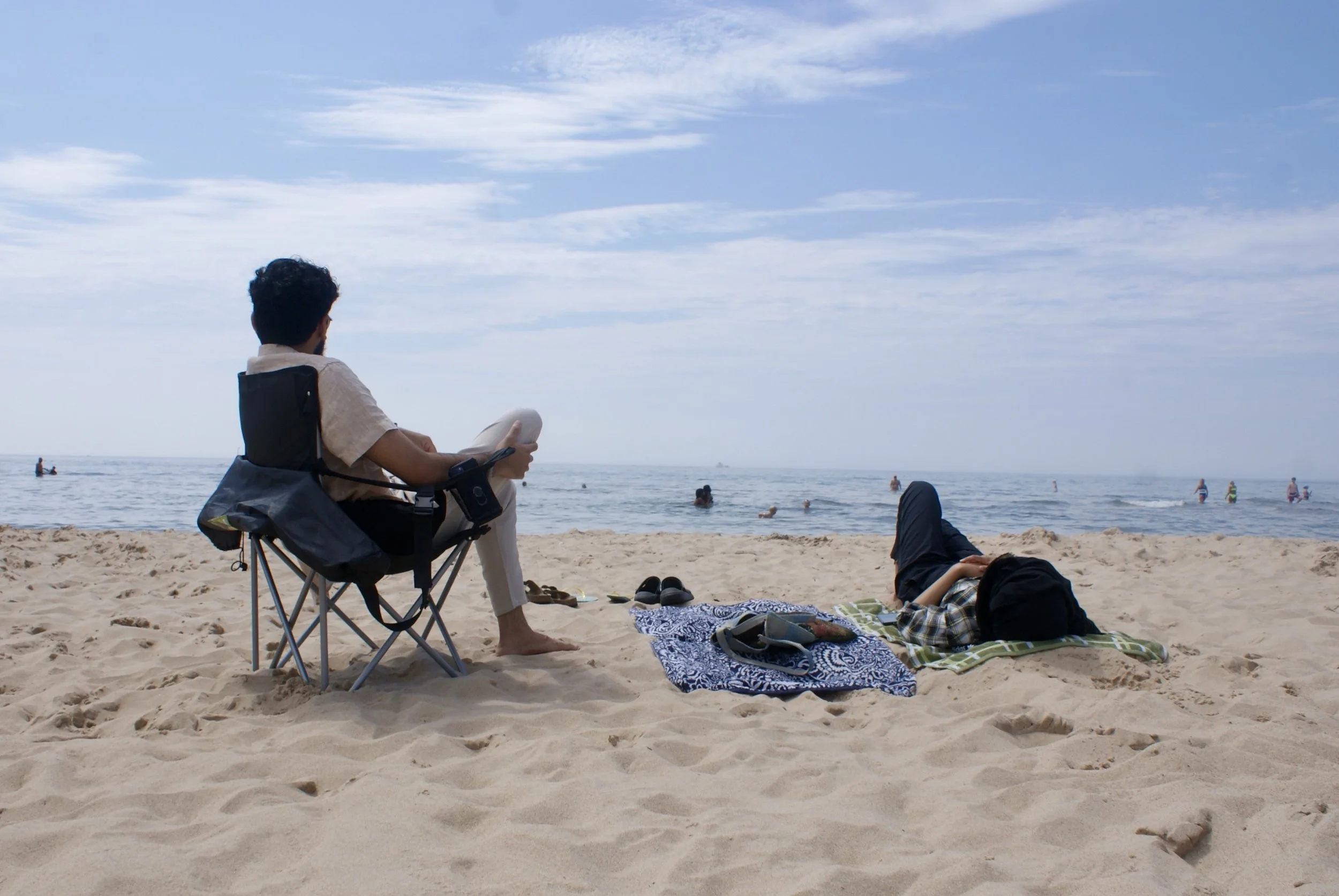
The quiet side of life, just taking it slow. A couple of friends and I went to the beach in small town Michigan, and I will say, we were a minority at this beach. We had our desi music playing and it was good fun.
— Fatima Zaid
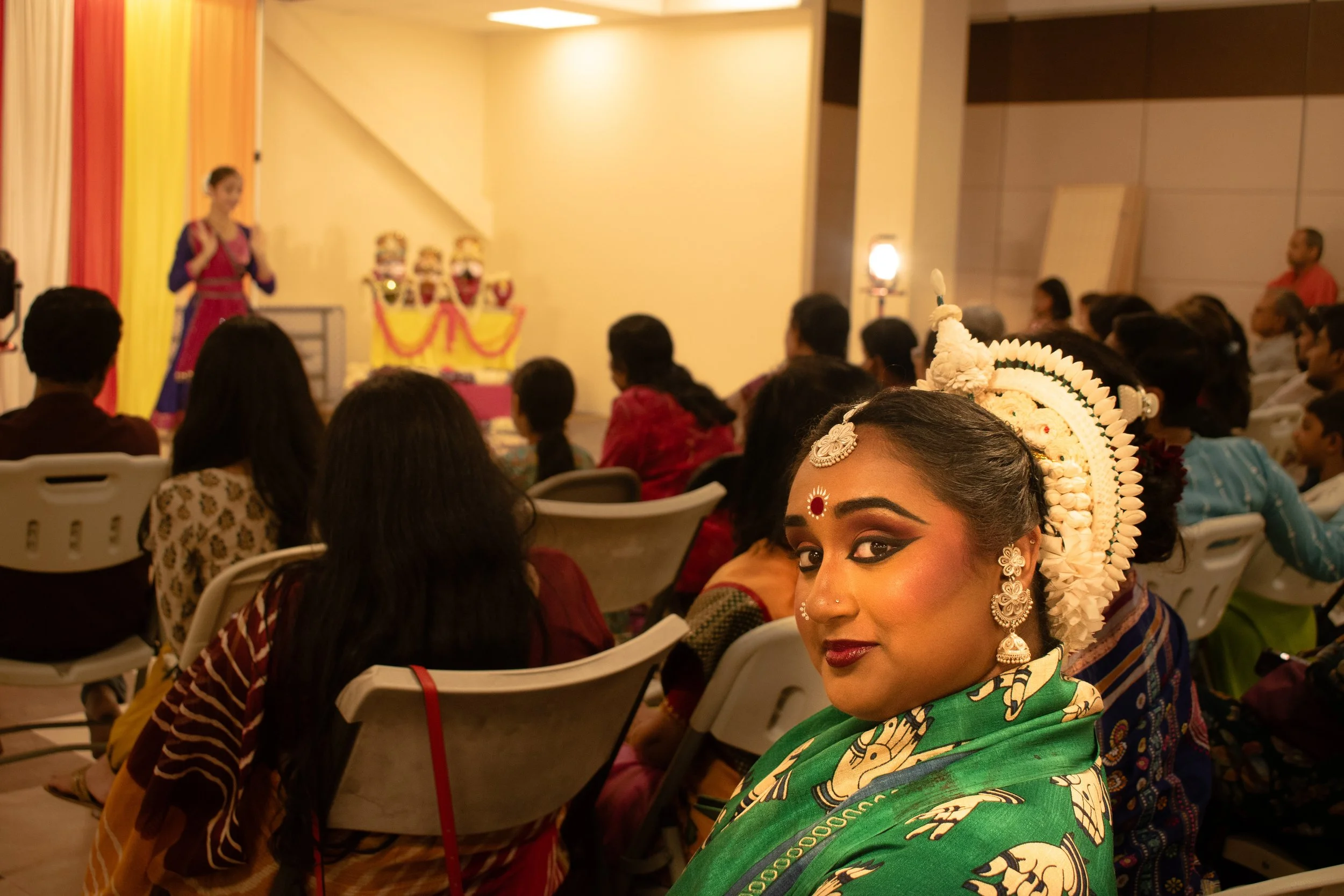
The lady here is dressed up in one of her traditional costumes and was performing Odissi dance, which is a type of Indian classical dance. She is wearing a bomkai saree. They're all waiting there for their turn to perform back to back showing different folk Indian dances. Also on the right side there is a priest standing enjoying different performances. So after prayers, bhajans and rituals were performed in the temple they (the priest and devotees) were all enjoying themselves in a temple auditorium. As well all the kids and the families were enjoying their children's performances and learning more cultures and sharing the joy at the same time. — Sumeet Mehta
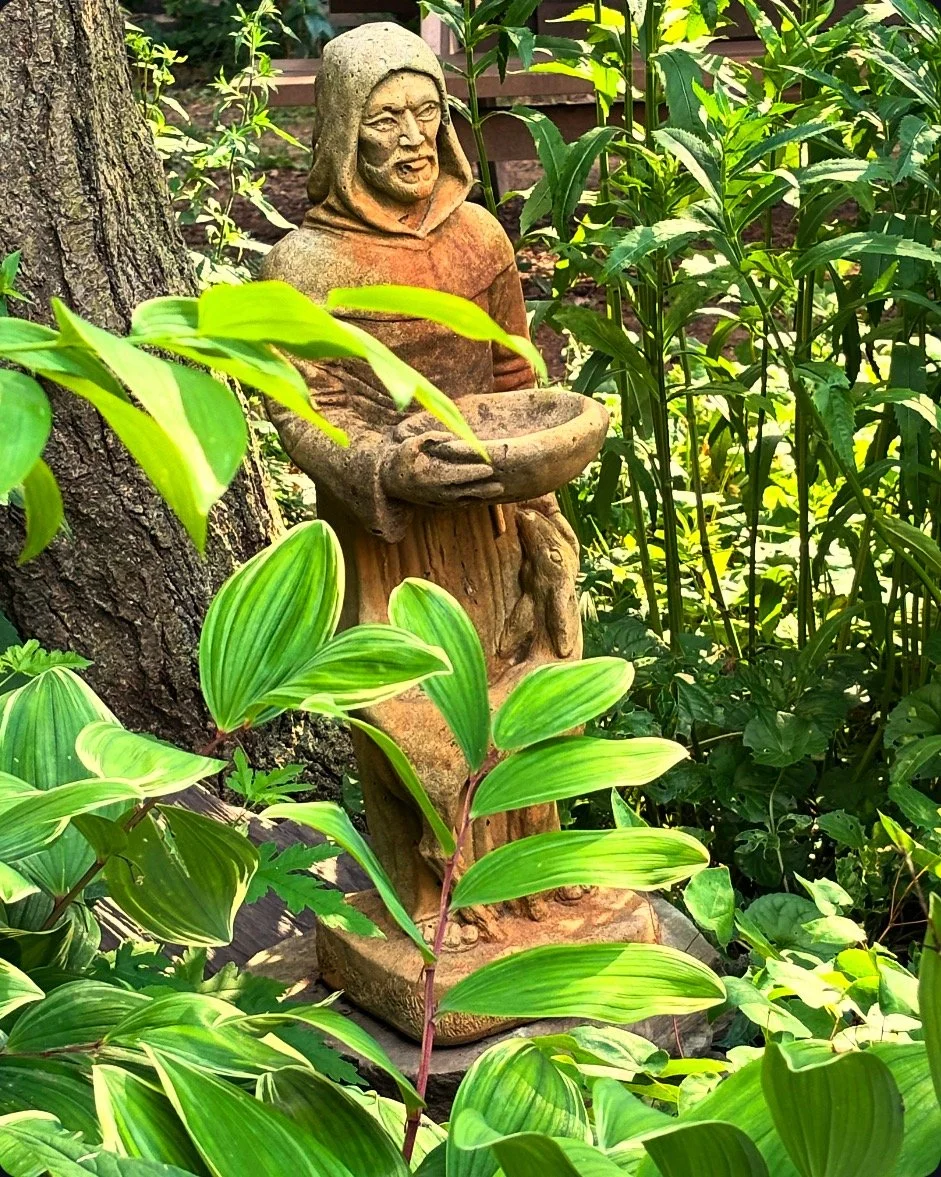
He doesn’t have much, yet
He’s committed to sharing
whatever he’s got
— Rachel Gucwa
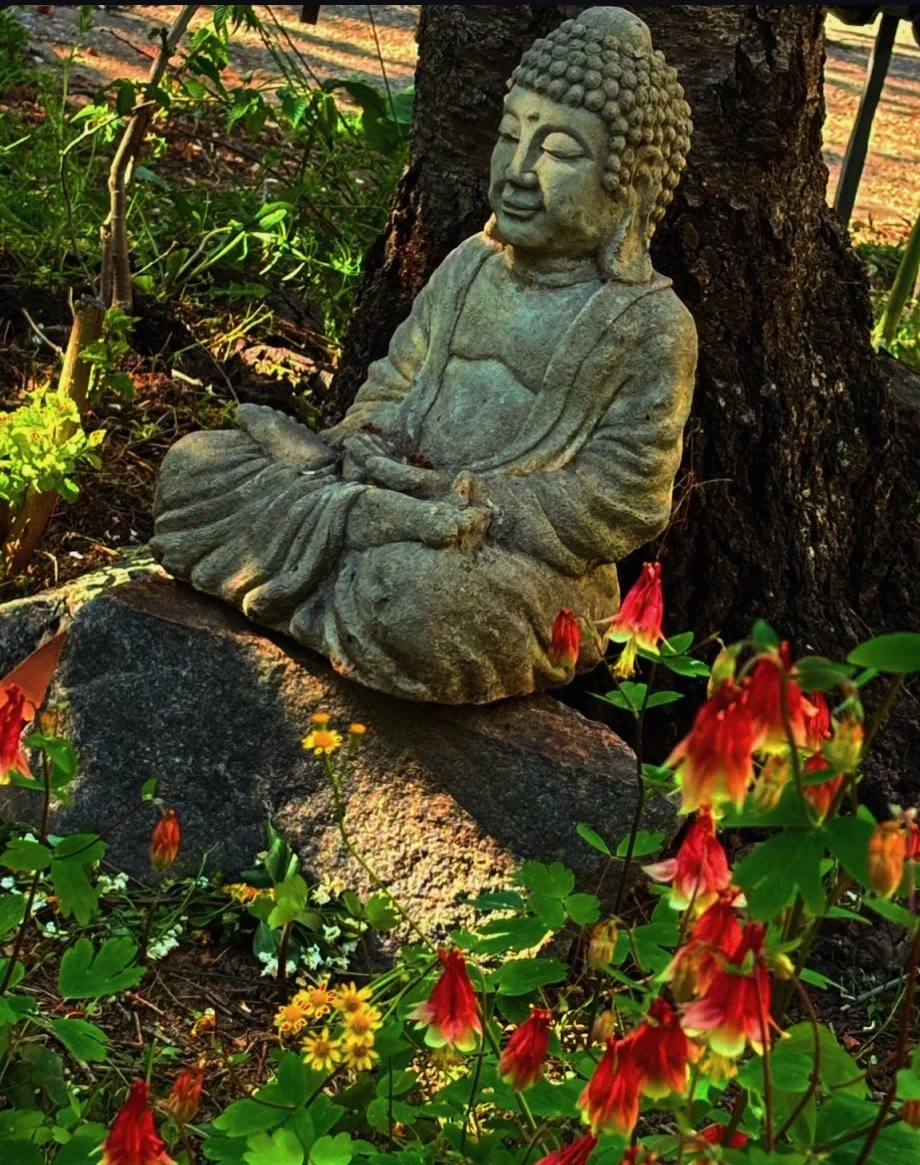
Sun dappled garden,
betwixt wild flowers and bird song,
I find peace
— Rachel Gucwa
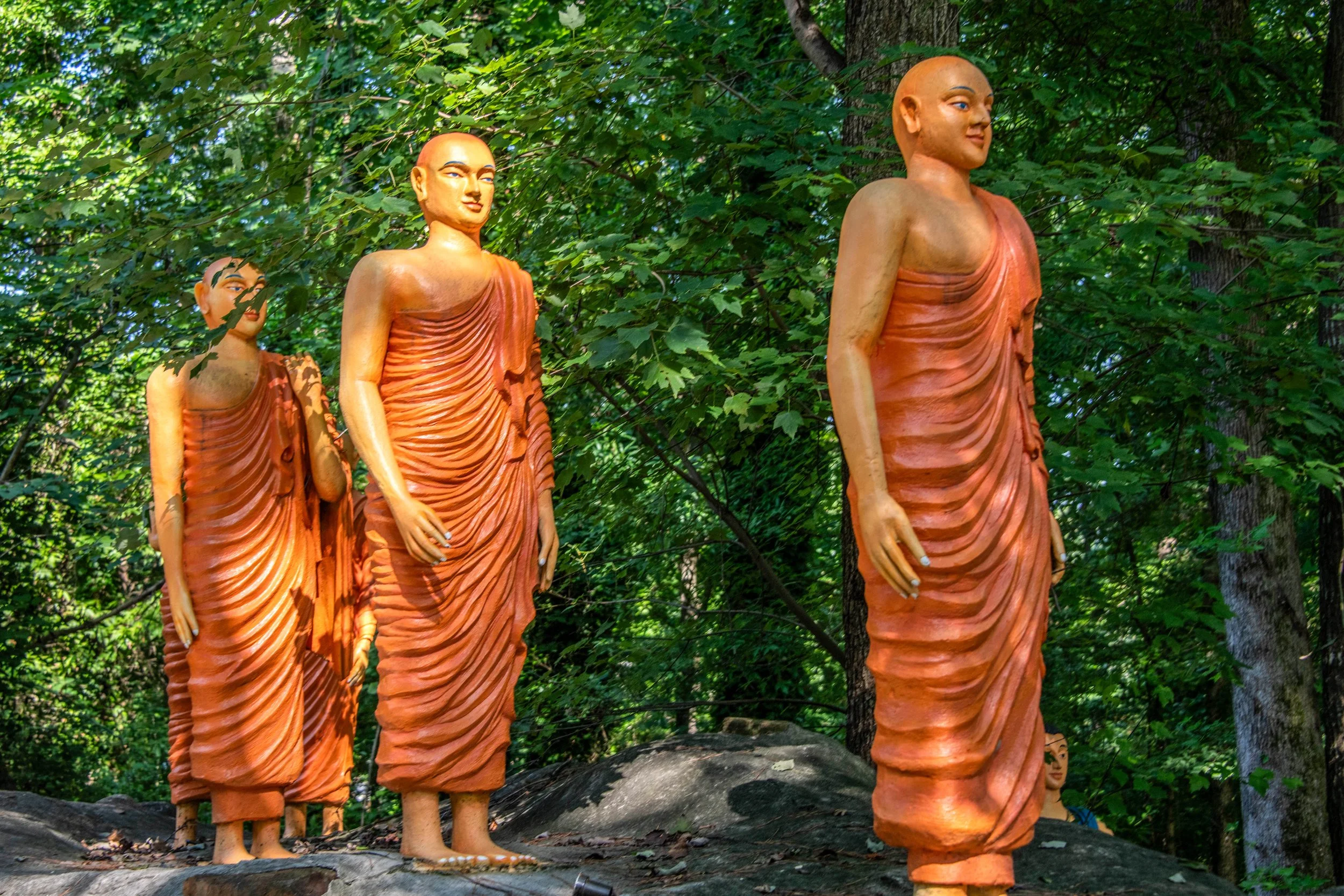
We took our youth to the Georgia Buddhist Vihara earlier this week and Vihara is basically in the early type of monastery consisting of open court. And my youth were just learning about Buddhism being exposed. This photo shows some statues of a few monks. They don't really have any identities or specific monks, but the guy that was guiding us, he really emphasizes the mention of just being one with nature and just kind of having this contemplative state of being just in nature. And I really like the color contrast and that's why I took it.
— Alan-Joshua Carrasco
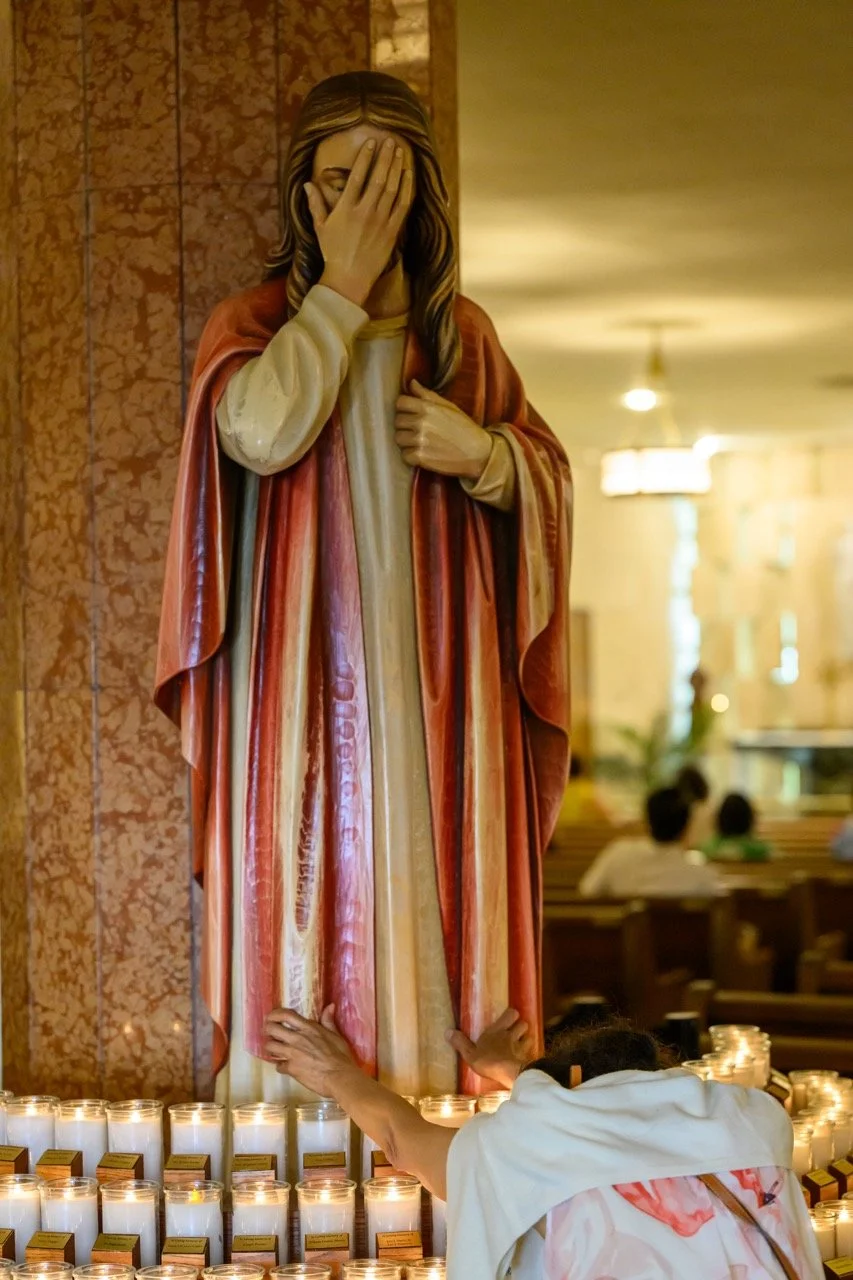
The Shrine is open to all people, from the community, from mayors all the way to the homeless. It's a very holy space. This woman was having a devotional moment and it just felt really spiritual. I really liked that I couldn't see her face because it could be me, it could be you, it could be your brother, it could be any of us. And this matched the sculpture of Jesus, covering his face as he weeps, so we cannot see either of them. It is this intimate moment that they are having.
— Julianne Gauron
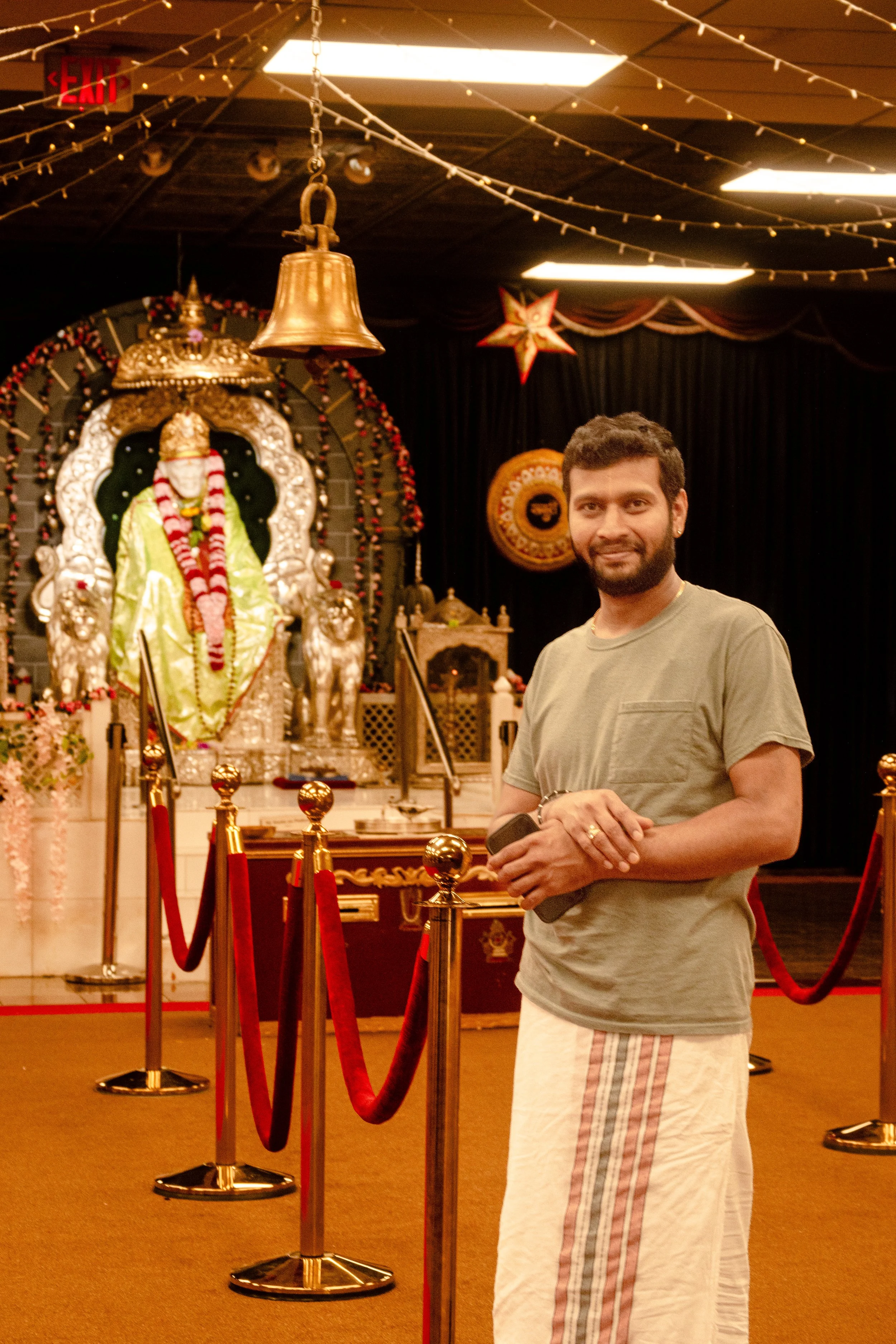
We can see the priest standing there. It is in the Sai Temple that is from Hinduism one of the Gods. This is not my regular temple where I visit. So it was very interesting because when I talked to the priest about why he's a priest, his connection to God and his services. He said he is spending his life, his duties, everything in the temple also he’s been migrated from a different land. He explained that he acts as a messenger to God. He further said,” I'm a middleman as I take all the problems from the people like all the secrets and I pass it to God, so that God can help that common man.” The priest was very confident and happy in what he was doing and we can see that from his smile.
— Sumeet Mehta
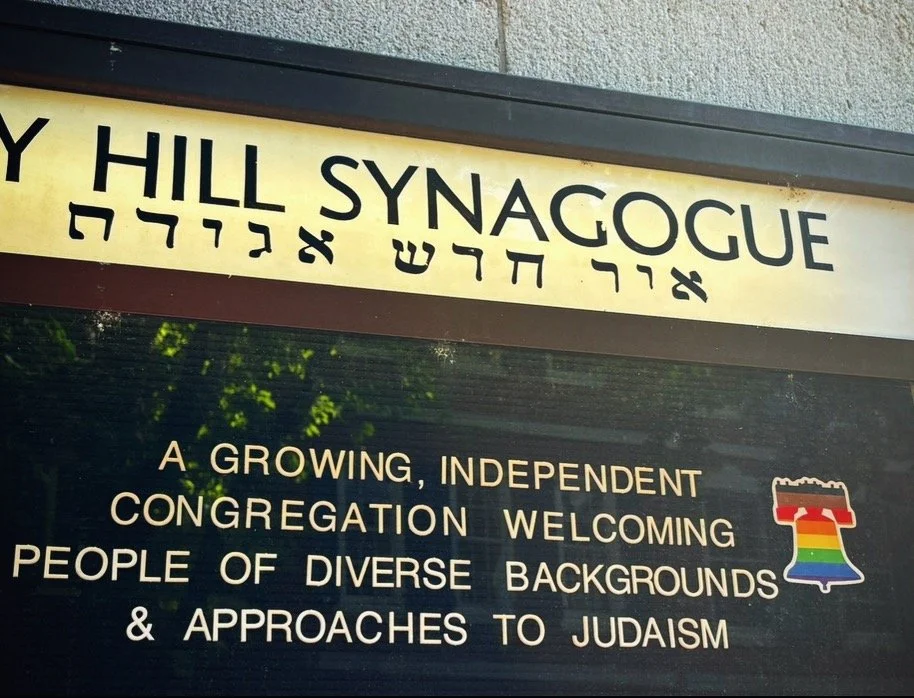
Inclusion means you’re welcomed at the table and there’s food you can eat
My prayer for you is that you feel welcomed, valued, respected, loved
(Synagogue: Jewish house of Worship)
— Rachel Gucwa
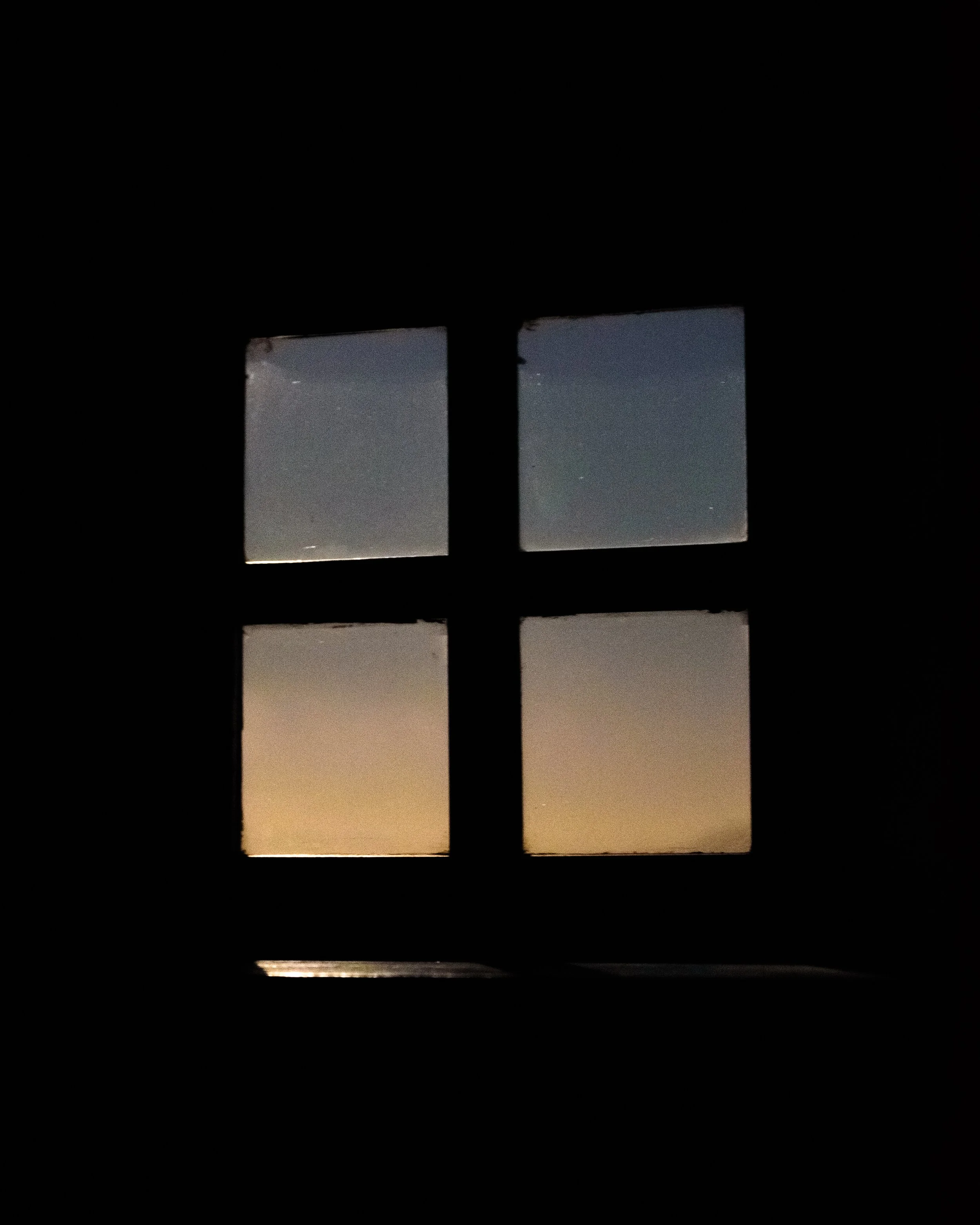
This image is from my little loft in County Kerry Ireland at twilight looking out over the Atlantic. So much about light, and the dark, I think represents that sense of spirituality.
— Julianne Gauron
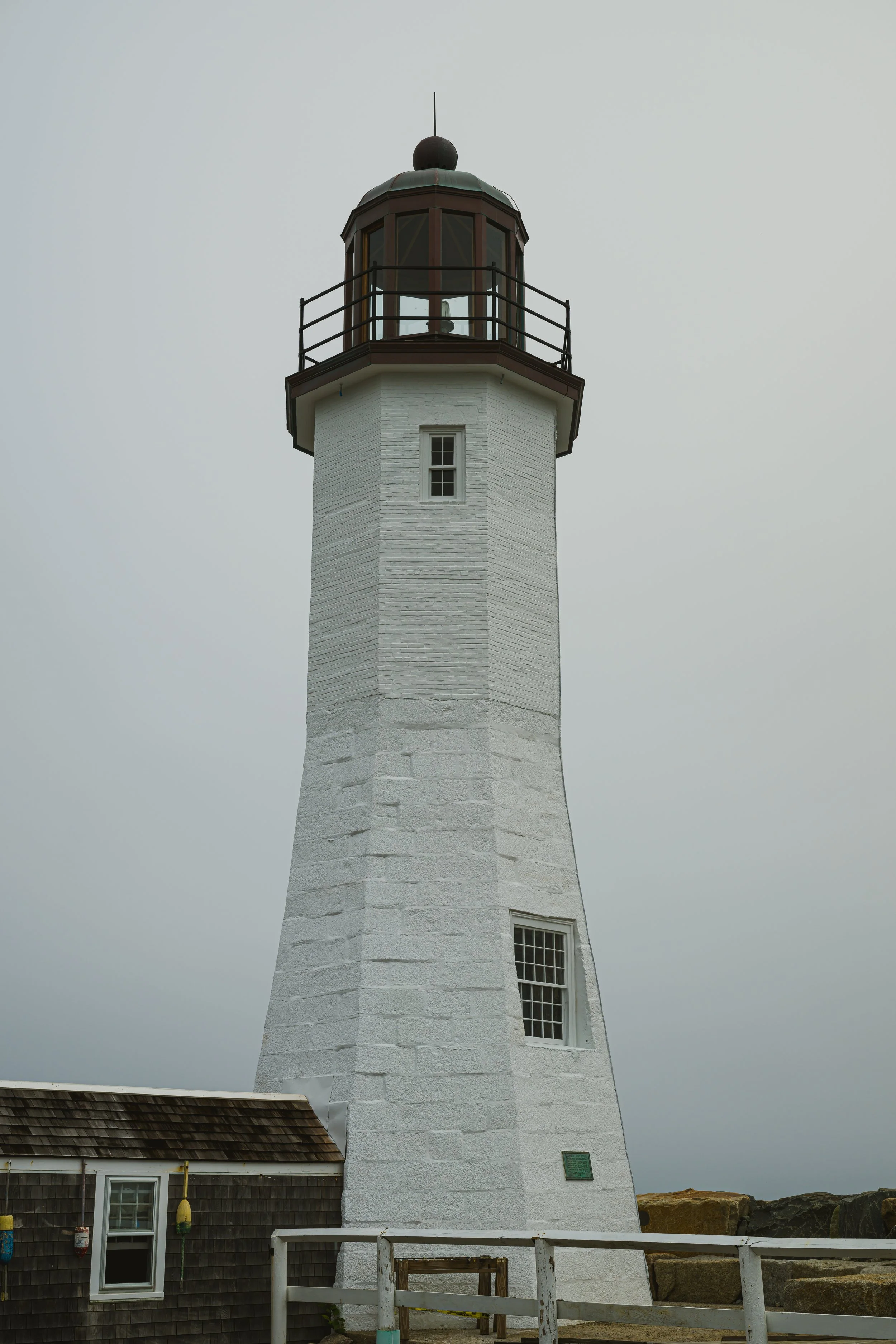
I grew up in a fishing town in New England, and every few years the region loses fishermen. It’s a really hard life.
It's a little bit stormy, and I tried to edit to that. I wanted to explore the idea of lighthouses as a guiding point, a sort of spirituality. The notion of taking a risk, but having faith. I was trying to imagine the lighthouse as guidance within faith.
But a lighthouse is also a warning.
— Julianne Gauron
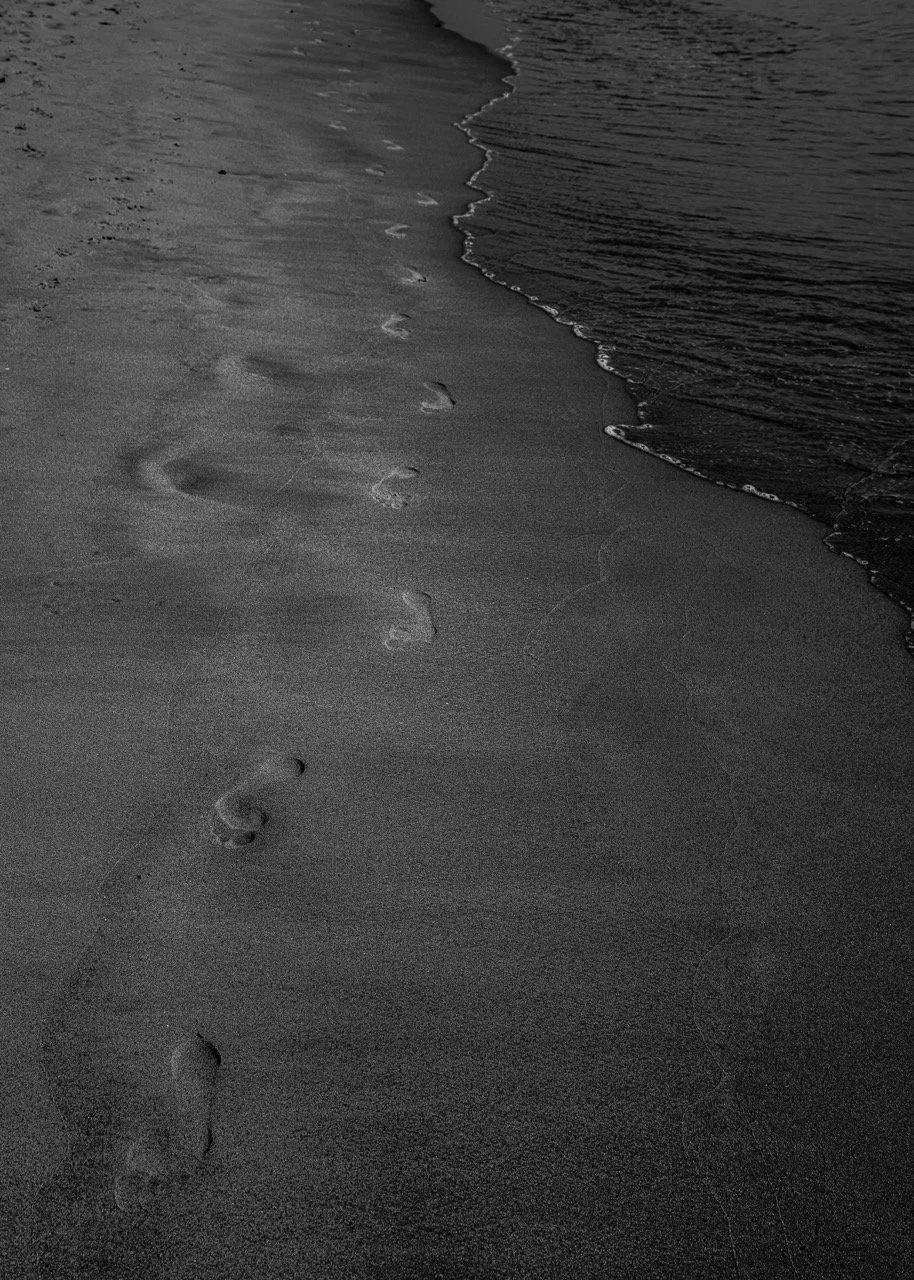
There was a poem growing up, about a man who had passed away. He looked back on his life, and he could see the events of his life, along the beach. And there were his footsteps and the footsteps of God beside him.
But at the most difficult points of his life, it was just his footsteps. And he asked God, why did you abandon me? And God said, oh, those aren't your footsteps. Those are mine. I was carrying you.
I still remember that because it was really beautiful. I wanted to depict that here.
— Julianne Gauron
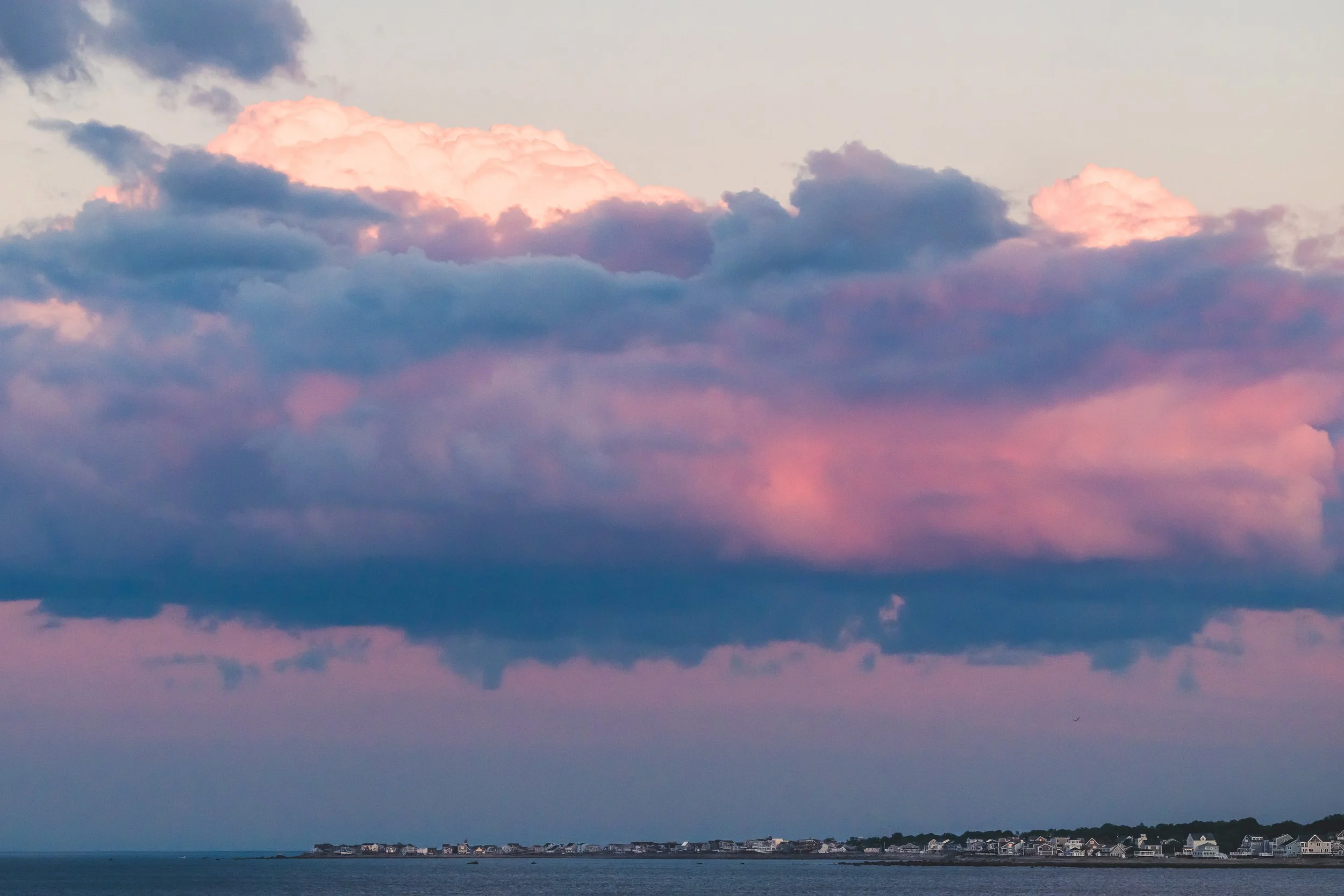
We have phenomenal storm clouds here that'll come in. I love to look up at clouds that will stack up with the sunset light shining on them. It always felt otherworldly. Sacred. And I can see us down below.
And in this image the light above really captured this, humans down below are small passing creatures. There's really beautiful humility in that.
I really feel a lot of spirituality in nature, when you have that little person in the vastness of nature.
— Julianne Gauron
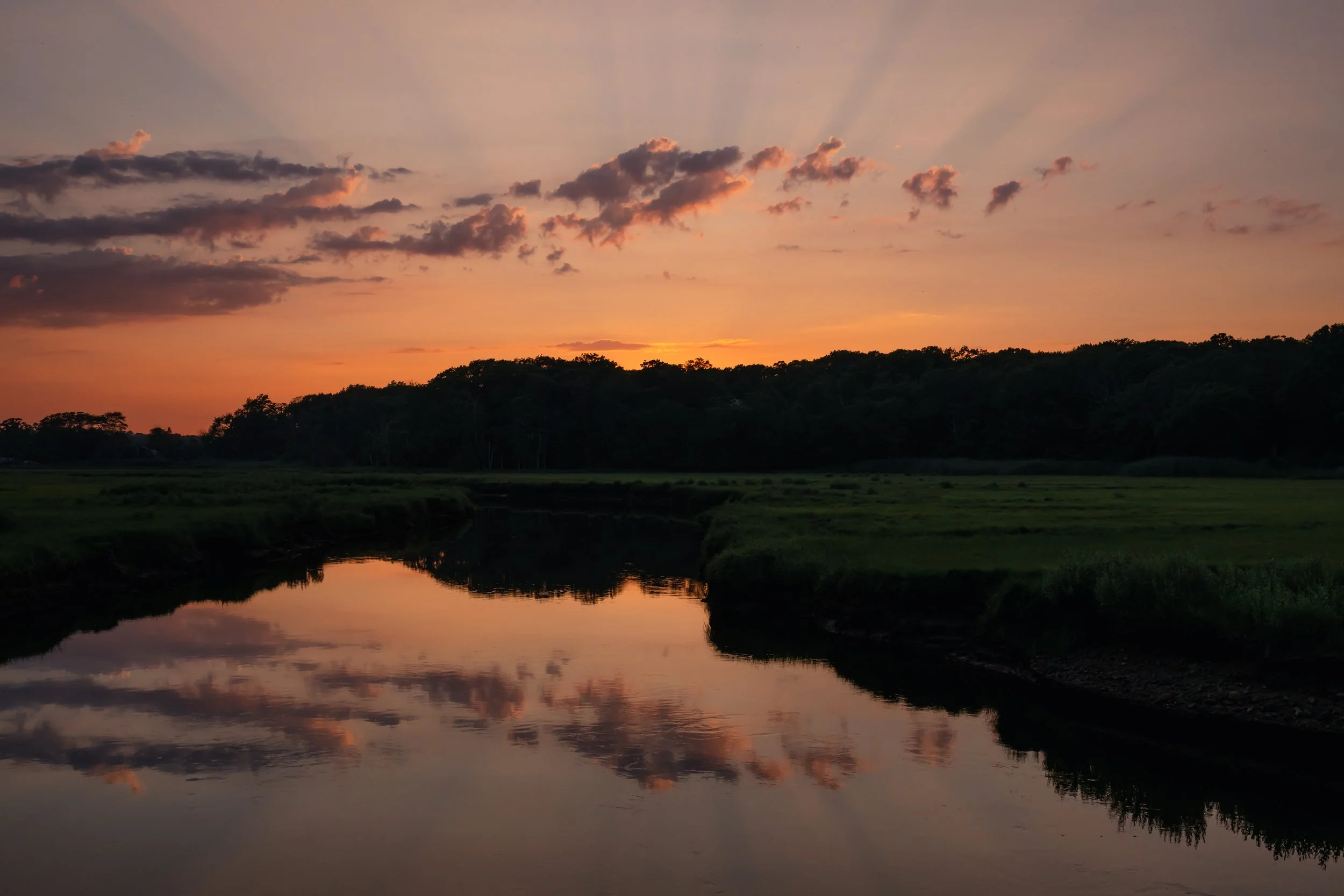
This image is of the marsh with the sky, flipped, but I realized I like it better this way. But I like it because it blurs the sense of what is real, making that unimportant, and instead awe and beauty leads.
— Julianne Gauron
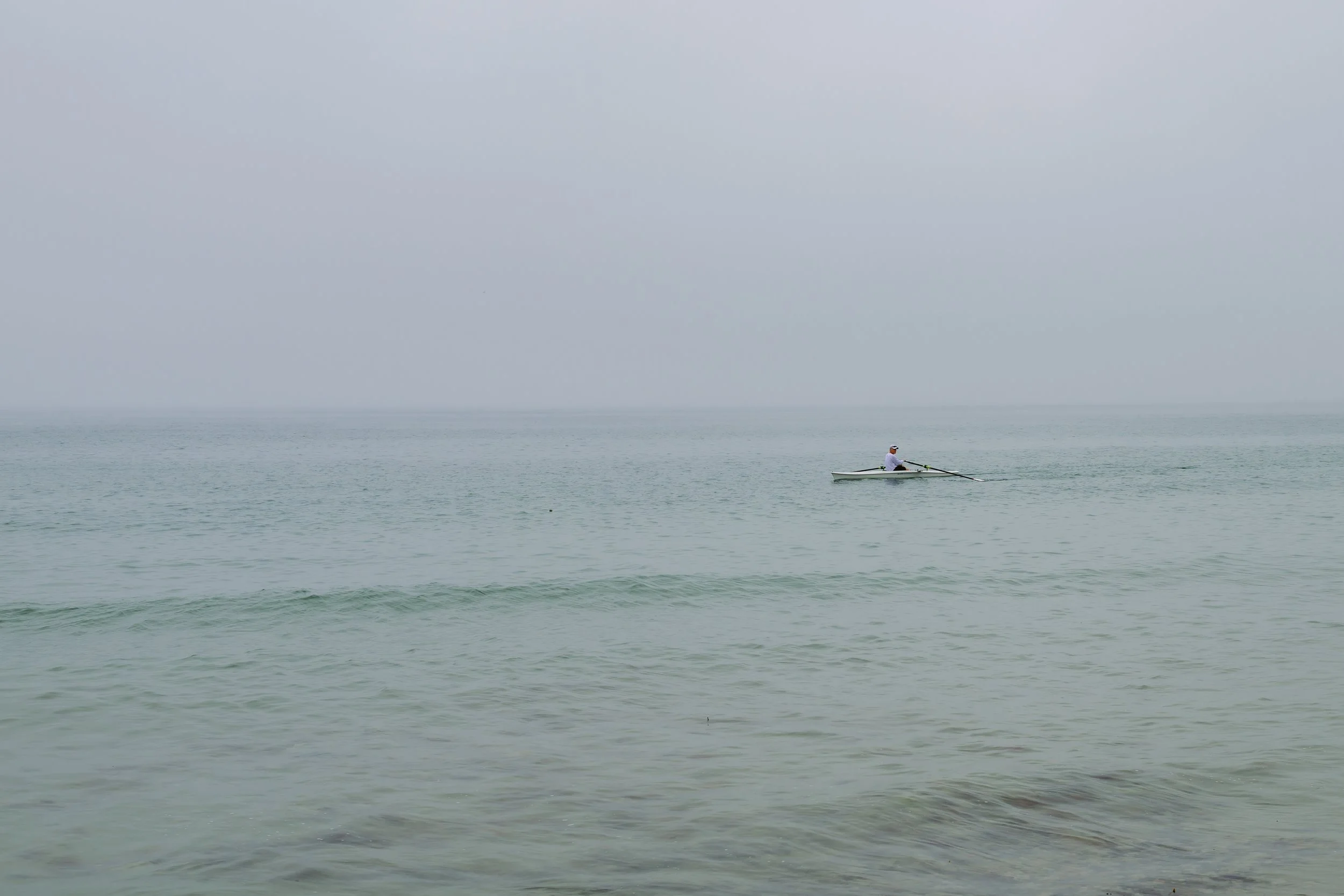
I find spirituality, or feel humble and small, in a good way. That I am part of something big, perpetual, infinite.
I saw this guy rowing, an ocean skull. This is kind of insane because it's dangerous, the ocean can have powerful currents here. It had to be a flat day. This seems like an act of faith, the ocean here is pretty fraught.
I liked that it is foggy and he is going backwards. So much faith and trust.
— Julianne Gauron
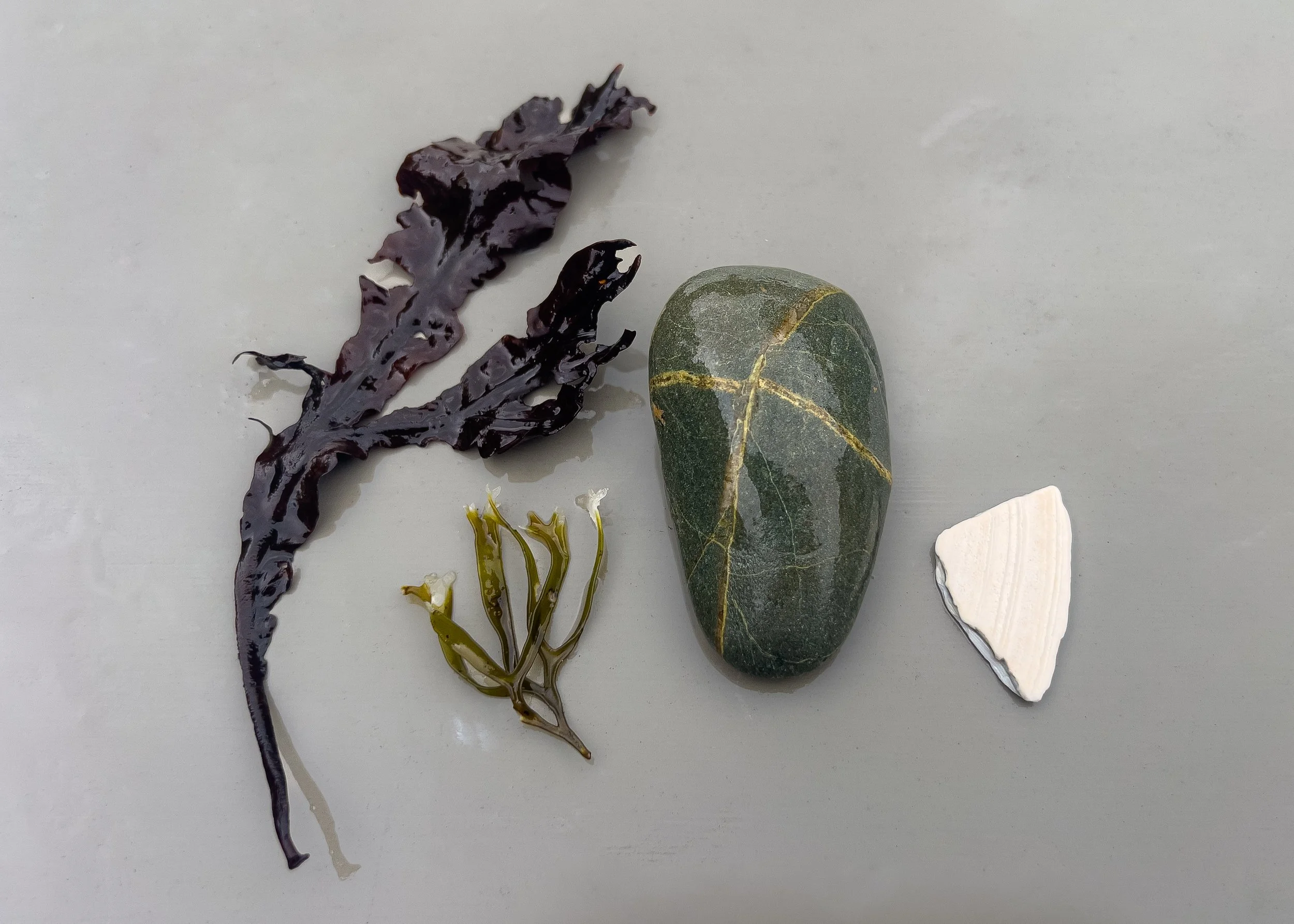
I never create still life images. So I wanted to try.
When I was walking my dog on the beach, I saw this rock that literally has a cross on it, which sort represents my faith. I always find God, Mother Earth, or whatever it is, this greater power, in nature. (But I was raised Catholic, so there is that history.) Nature, in all her glory, is the ultimate show that there is something bigger than us.
These are all items from the beach created by something far bigger than us.
— Julianne Gauron
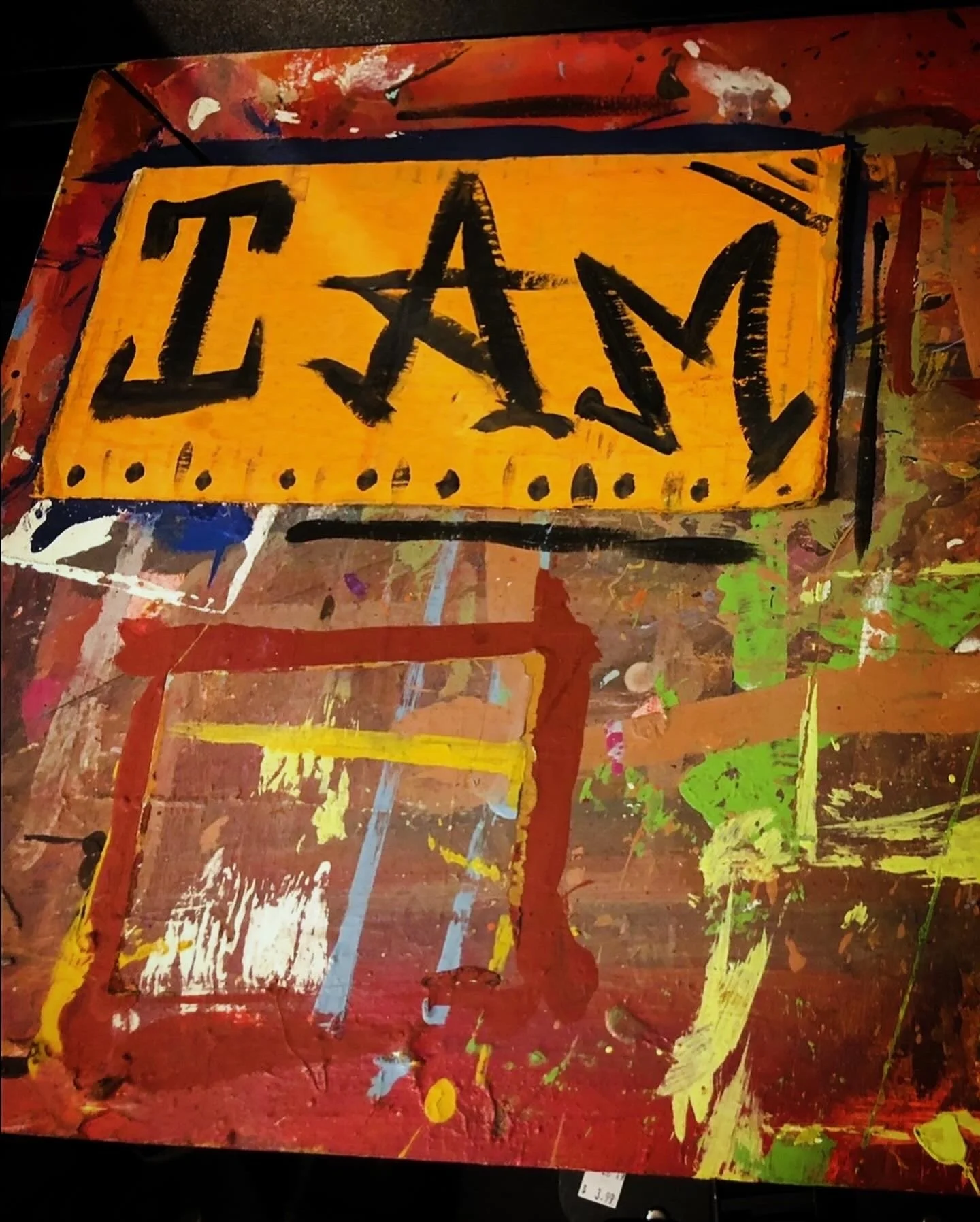
It must have been like someone's leftover, what do they call it? Canvas or easel or something. And also “I am’ is a powerful statement. Who do you want to be and who do you want to be remembered for and remembered as. And then the idea of, I don't know, visitors from heaven looking for people, things are gone, but where do you find this connection to the next world or whatever.
— Rachel Gucwa
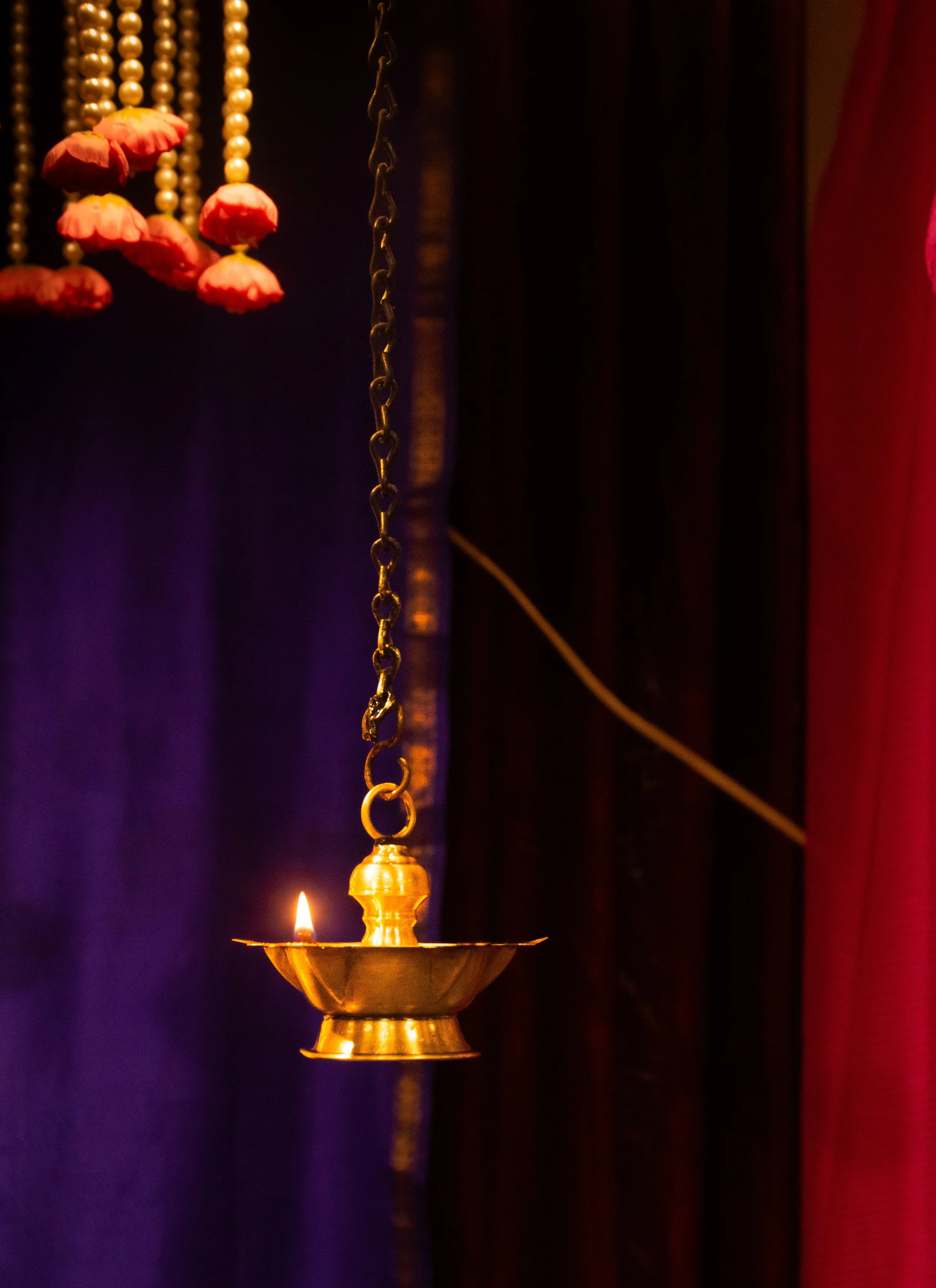
The lamp is a very important element in all the Hinduism prayers. I light the lamp every day in my house because it has very important meanings. So the lamp, like you see here, is made up of brass and copper and this tradition is coming from the ancient legends. These metals and the lamp represent spiritual purity and wisdom. It also dispels the darkness, negative energy from your surroundings and from the material world. I also see lamp rituals in many other religions who belong from different cultures. The other word for lamp is diya. We also have a famous festival that is Diwali, in which we light oil diyas, ghee diyas and lanterns.
Everybody has their own tradition in which they connect to God because it is also believed, it brings the triumph of good over evil. This is why these lights and these diyas are offered to the God during morning time and in the evening leaving the afternoon time as it’s considered to be the God’s resting time.
So everybody has their own tradition in which the way they connect to the God because it is also believed, it brings the triumph of good over evil. So is why this and this light, when you see the diyas hanging over it, it'll also offer to the God during the time which we see if anybody's coming, we can tell them, okay, this is a time. And then when they are put to sleep, we don't light the diyas.
— Sumeet Mehta
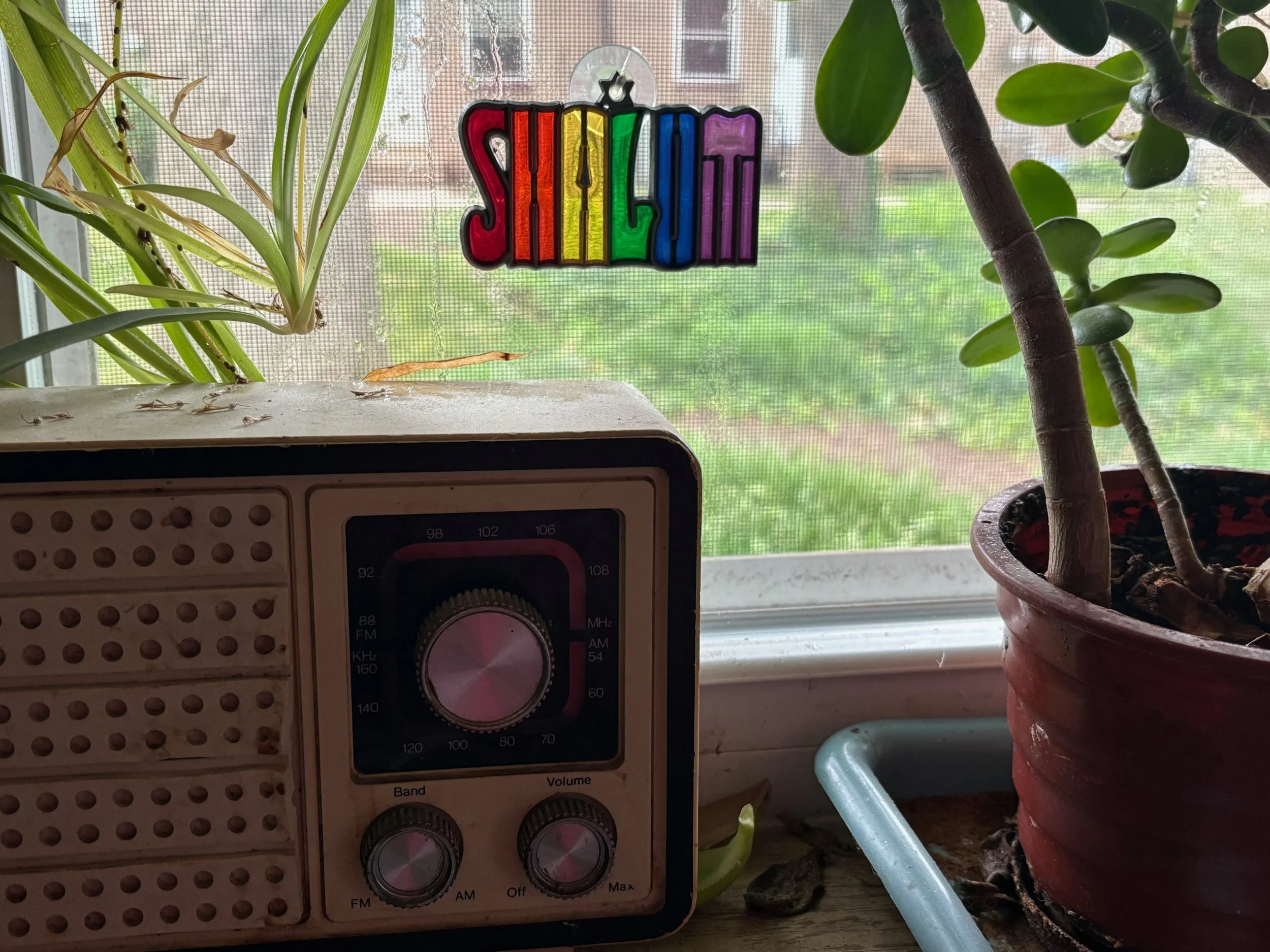
This is how Judaism shows up in the every day. Shalom means peace, hello and goodbye. And I like that. And it's old like that radio, but it's also alive like the plants around it.
— Rachel Gucwa
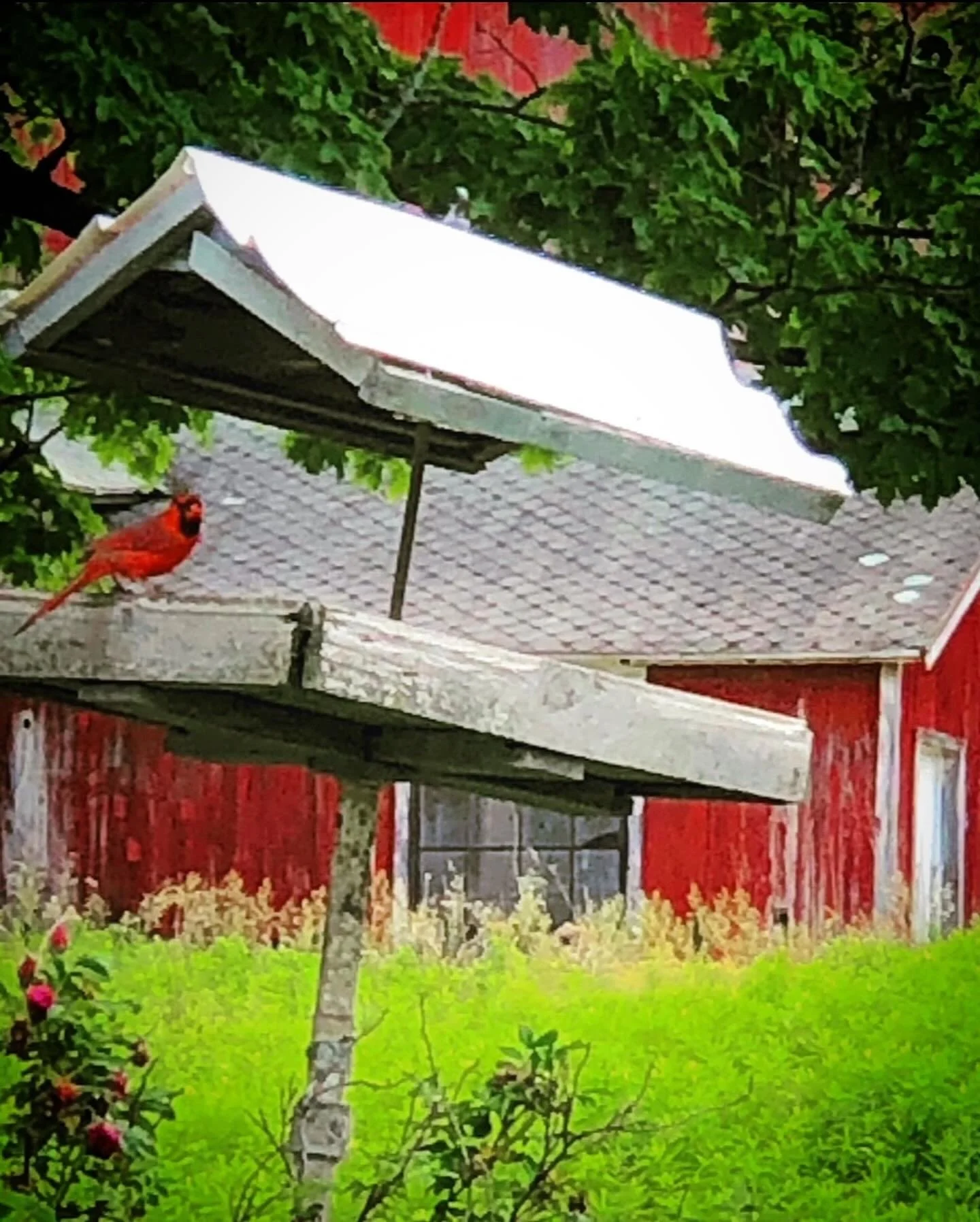
I know cardinals are often associated with this idea of the beyond, but this idea that whenever you see something that makes you think of your loved one or it connects you to another space and time.
— Rachel Gucwa
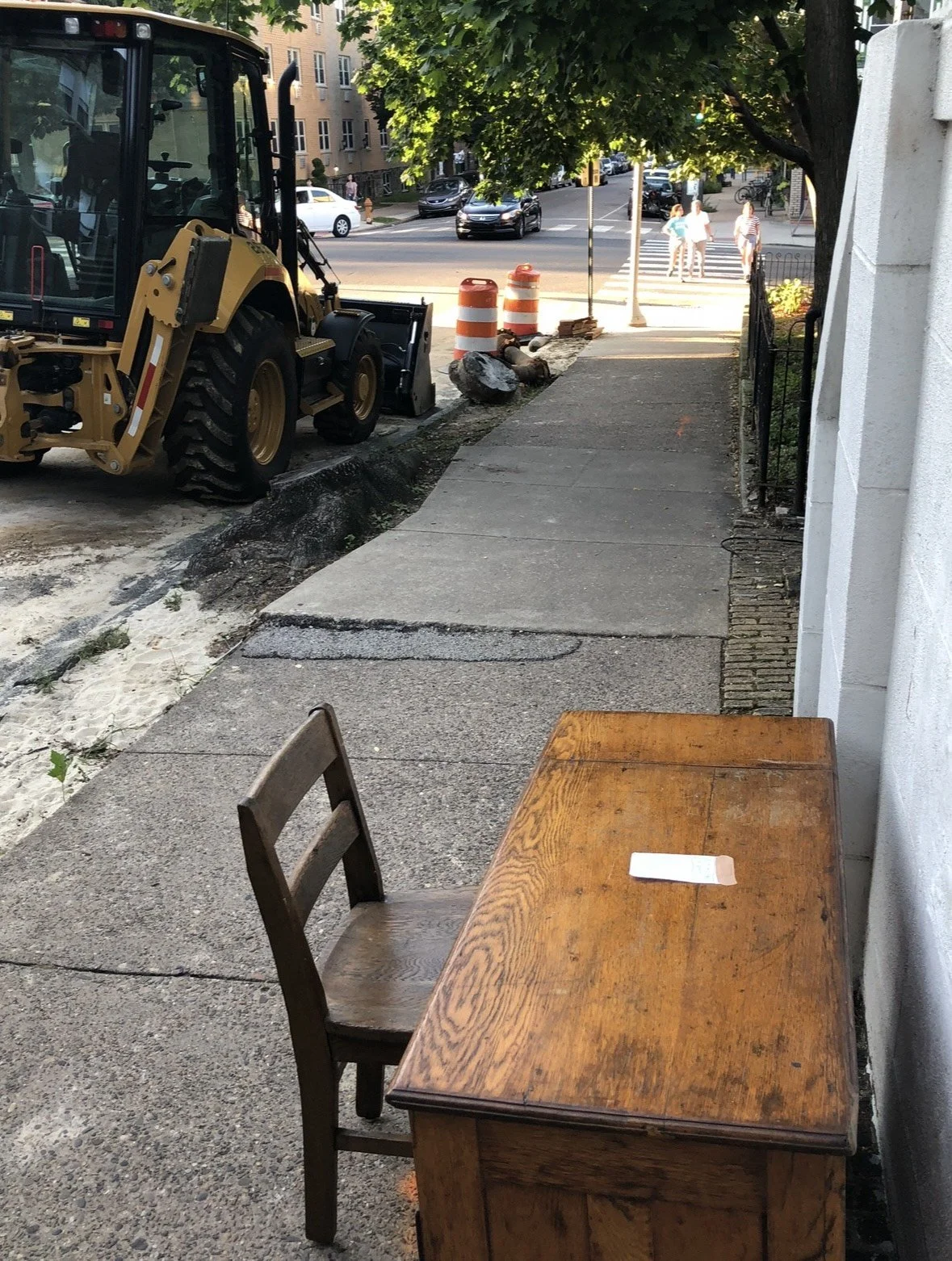
This picture, it was just garbage on the street, but it's like inviting you to sit down and write your story. I mean, it was someone throwing away this desk and even just this whatever power tool over here that's destroying or constructing or something. And we are all authors of our own story and what are we leave? What message are we going to leave for the next person? And also the idea of what's left behind is family and your legacy and who you have cultivated to be important to you and the values that you have instilled in them. — Rachel Gucwa
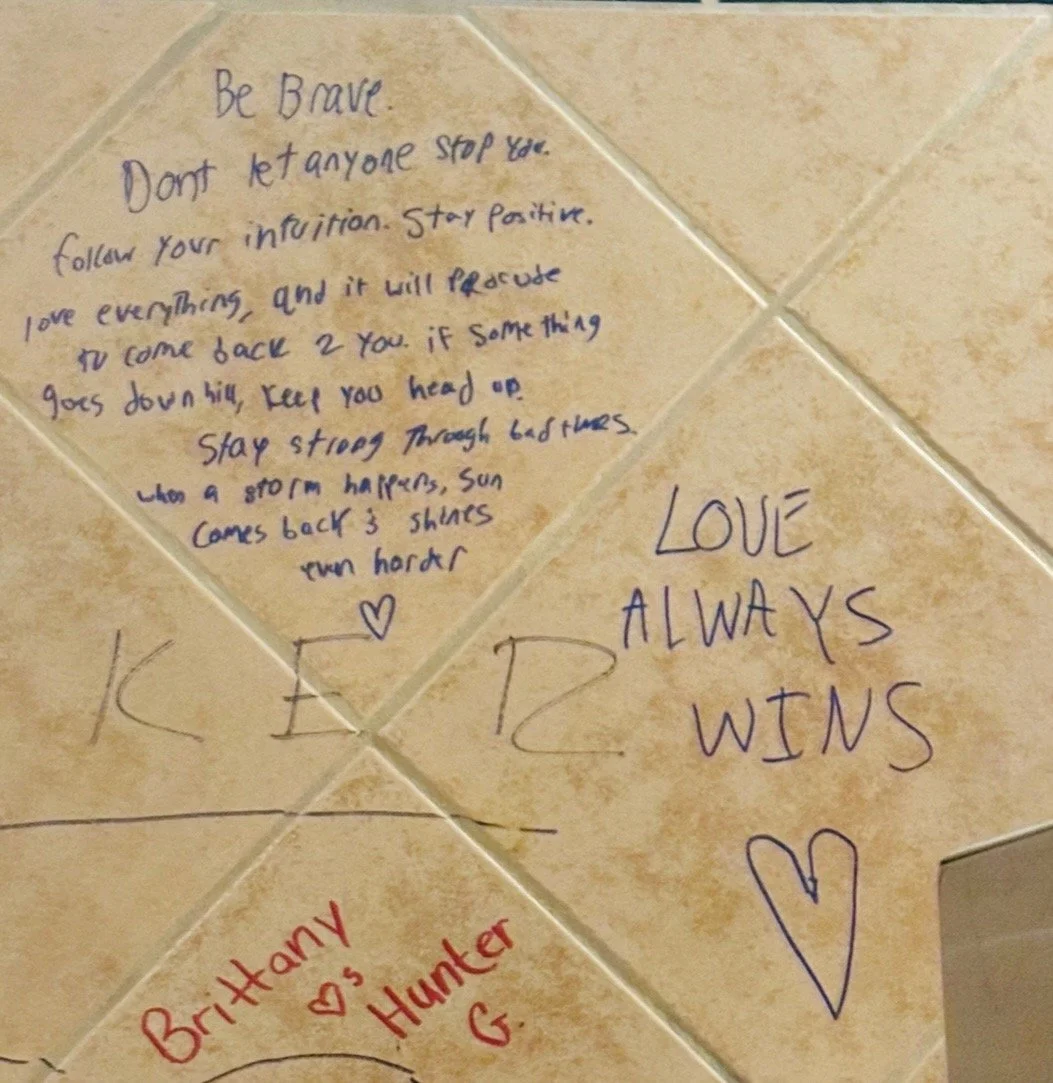
This is in reference to the Wailing (Western) Wall, a place of prayer and pilgrimage sacred to the Jewish people. It is the remains of the retaining wall of the First Temple of Jerusalem. It is customary to write notes and prayers and slip them into the cracks in the wall.
— Rachel Gucwa
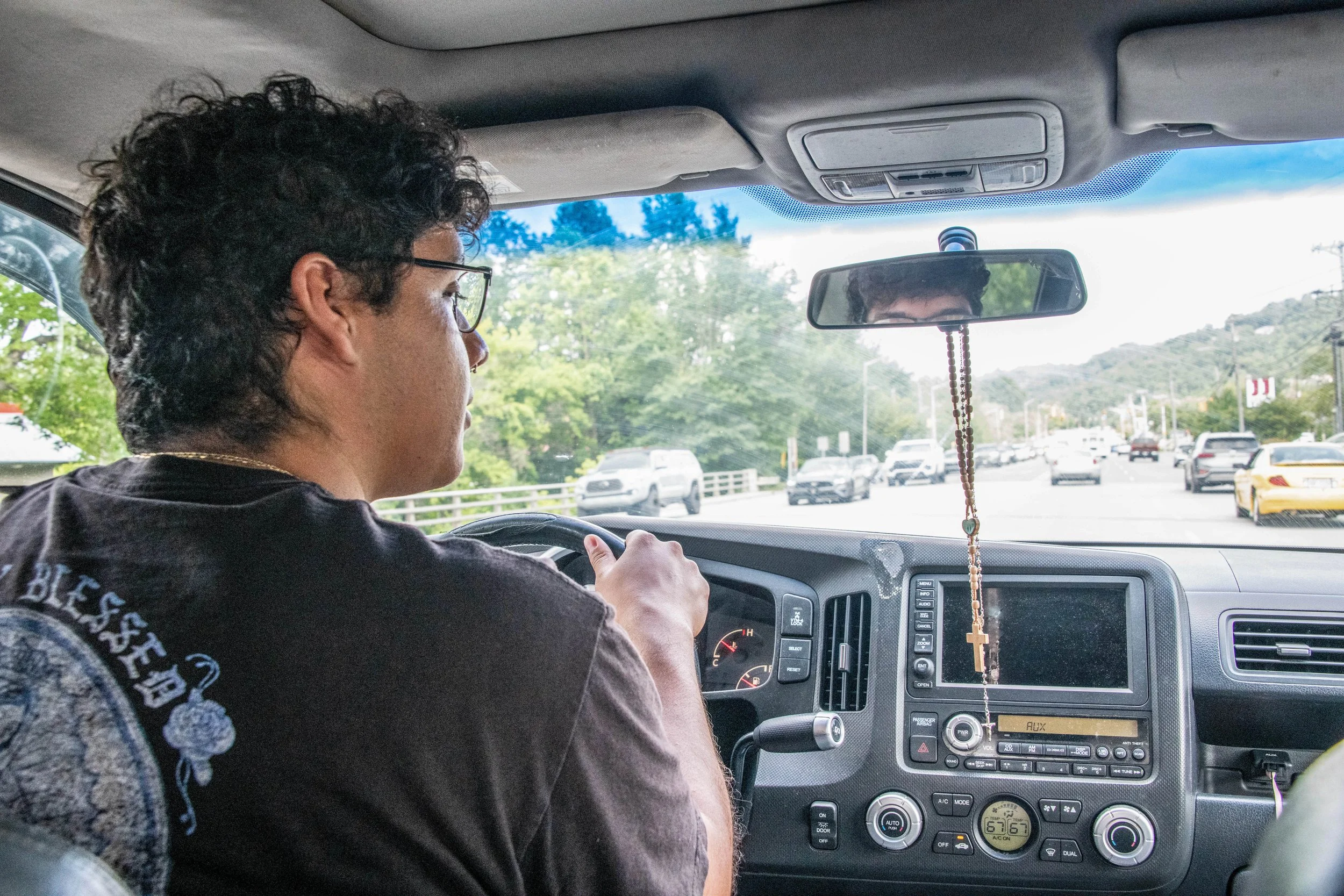
I was just in a friend's car and I realized he had a rosary and well, I guess two rosaries, but there just in his car and it's kind of subtle, which I appreciate. And I know from a culture perspective, lots of Latin American people have 'em that use 'em in their traditions. And from what I know and what I heard, they don't necessarily, they have 'em in the car not to pray in the car, but more just as a little reminder and things like that. And so I thought it was really interesting and something I've seen a lot, but I never really looked into why it's a cultural phenomenon within Latinx community within the specific tradition. So it was interesting.
— Alan-Joshua Carrasco
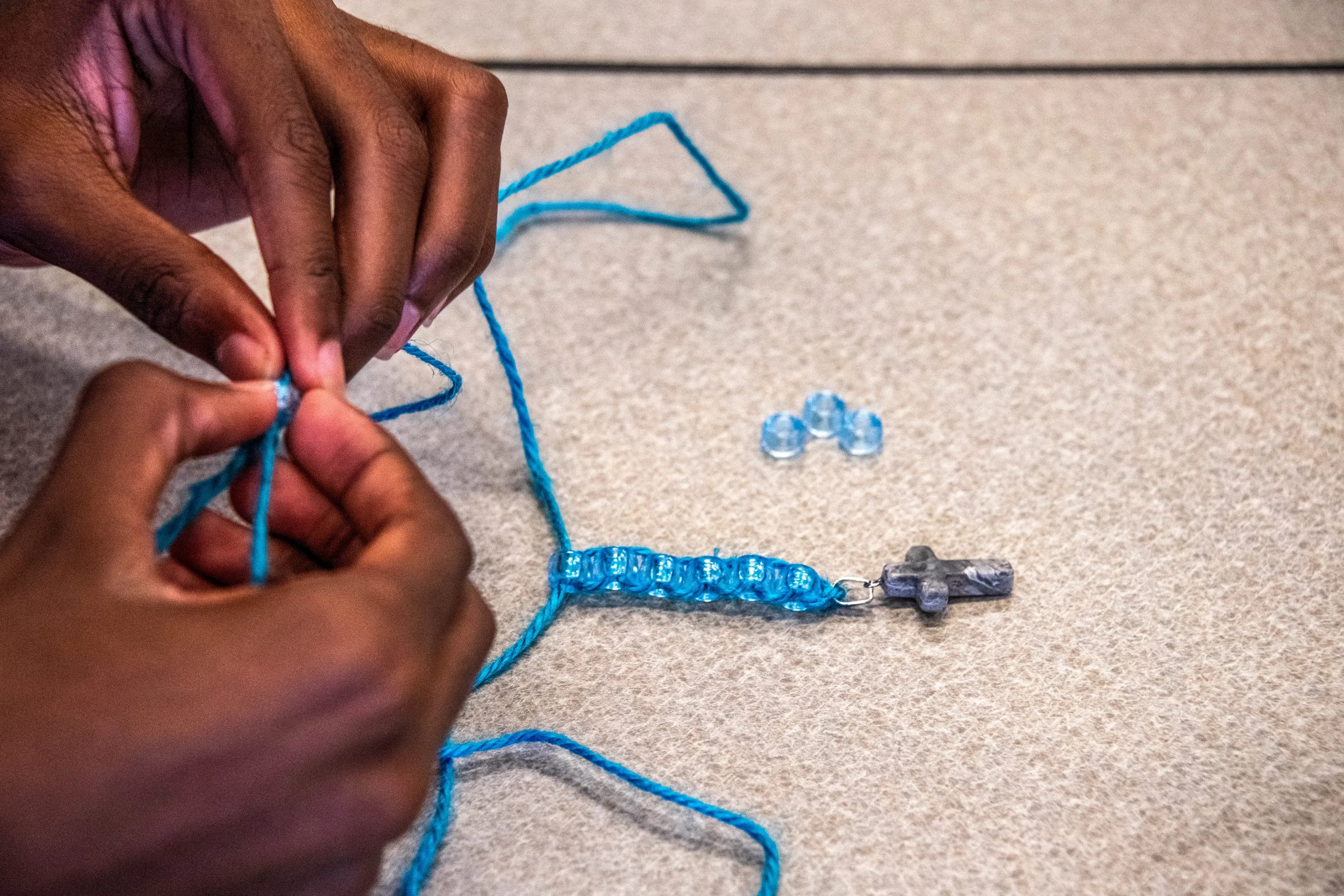
A lot of prayer beads and have been just happening and just showing up in my life recently. And so this is actually one of the, I guess activities we did with the youth. We presented prayer beads to them and they got to make their own out of just their basic beads to make friendship bracelets and some string with a little cross. And I made one that looks just like that in blue as well. And I just got to capture one of the youth making it.
— Alan-Joshua Carrasco
![[My husband] spending time in prayer, reading his Bible. He actually was crying a little bit, so this is a very vulnerable moment. You can kind of see him wiping his face. I thought that was just a really beautiful moment. It just captured his heart](https://images.squarespace-cdn.com/content/v1/63d93b6bae4f3935a0789bee/89653fe8-da6d-4459-91ff-7f84e397d6fc/Schaus-Photo-6.jpg)
[My husband] spending time in prayer, reading his Bible. He actually was crying a little bit, so this is a very vulnerable moment. You can kind of see him wiping his face. I thought that was just a really beautiful moment. It just captured his heart for the Lord and his faith and his love for God. And it's just really cool being married to him. I get to see those moments that not anyone else might not get to see. And so it just kind of is this beautiful representation of what faith and the sacred moments that happen that not that everyone might not be able to see. — Joanna Schaus
![[When my husband is] praying, he'll oftentimes will hold his necklace. I find that really cool, just like this piece of his life that he carries with him all the time. — Joanna Schaus](https://images.squarespace-cdn.com/content/v1/63d93b6bae4f3935a0789bee/b798ee29-593e-4e89-a564-3ea029fa2d5b/Schaus-Photo-11.jpg)
[When my husband is] praying, he'll oftentimes will hold his necklace. I find that really cool, just like this piece of his life that he carries with him all the time.
— Joanna Schaus
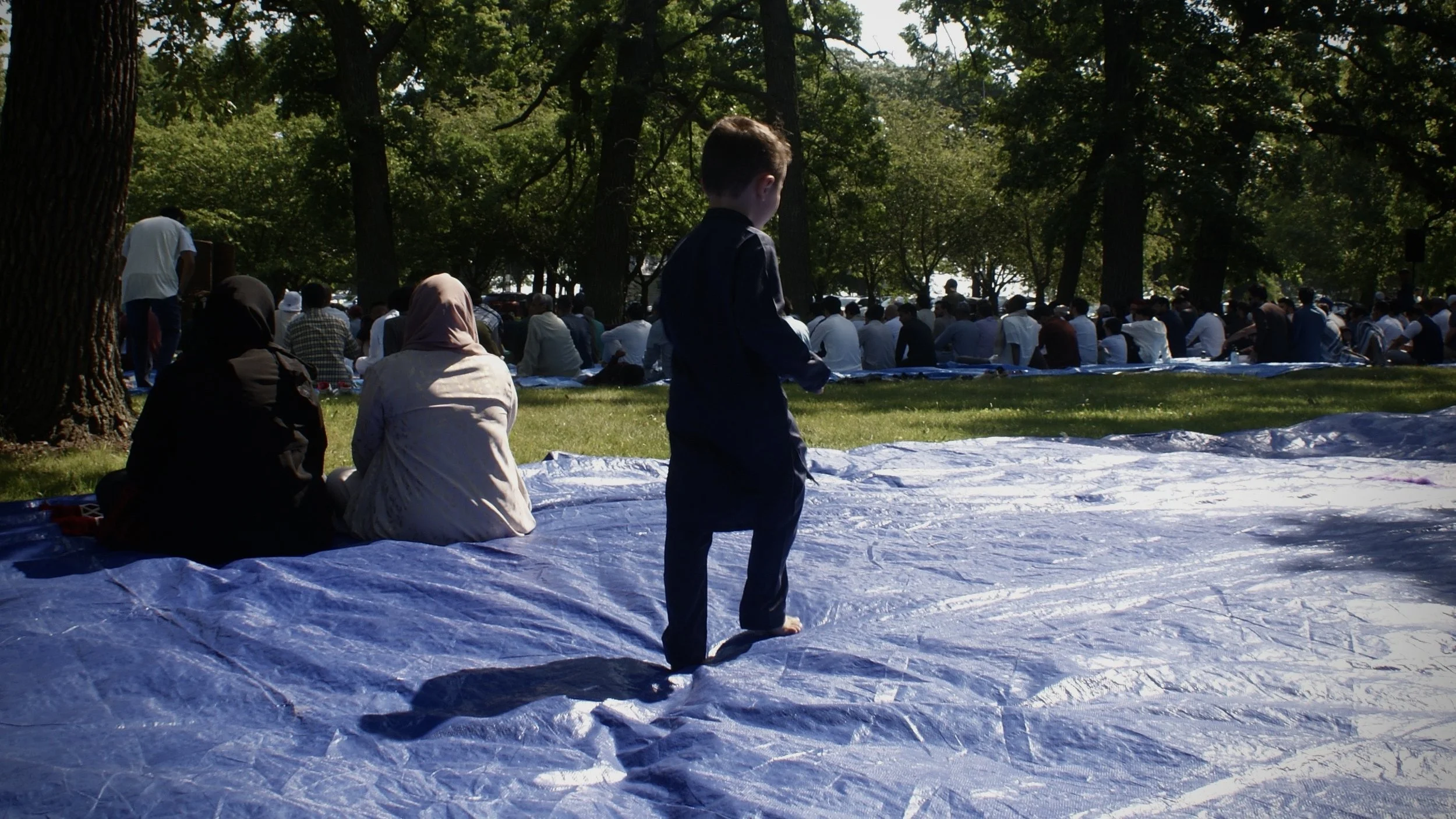
This was from Eid prayer, we were all sitting and listening to the sermon that was being given, and I saw this little boy running around and having the time of his life goofing off. I captured him as quick as I could. He was mid run and I thought it was really beautiful that he's goofing off while the Sheikh was giving his talk. It was an amusing sight. The Eid prayer was held outside, in a park. The weather was beautiful, the trees were surrounding us. I loved the imagery that was going on there.
— Fatima Zaid
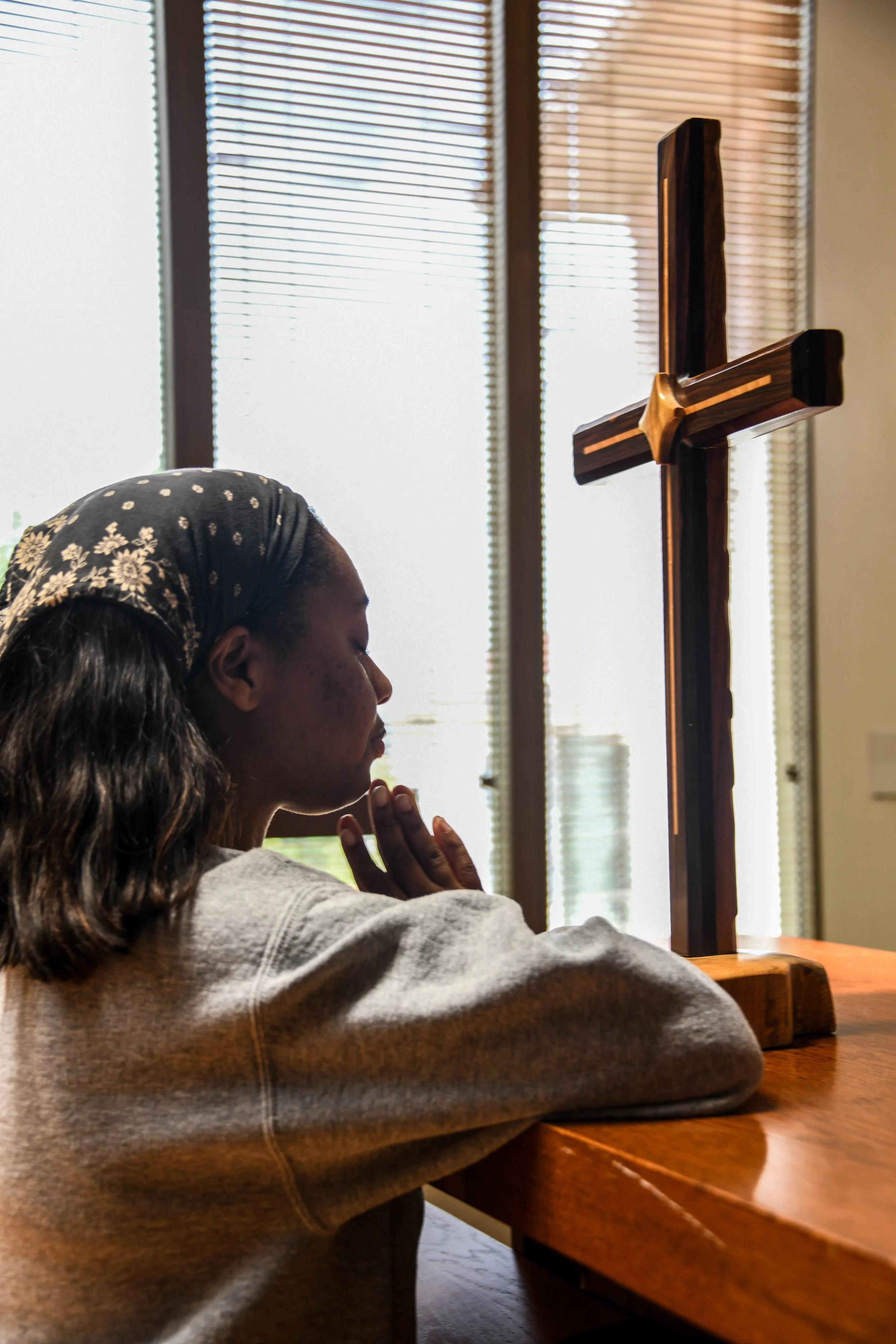
This is inside the chapel that we use for the school chapel at my school. And it is another of my coworker that does a lot of praying. Praying is how she practices her spirituality. And I really like the contrast of this image and just how connected just her facial expression gives and the close proximity to the cross.
— Alan-Joshua Carrasco
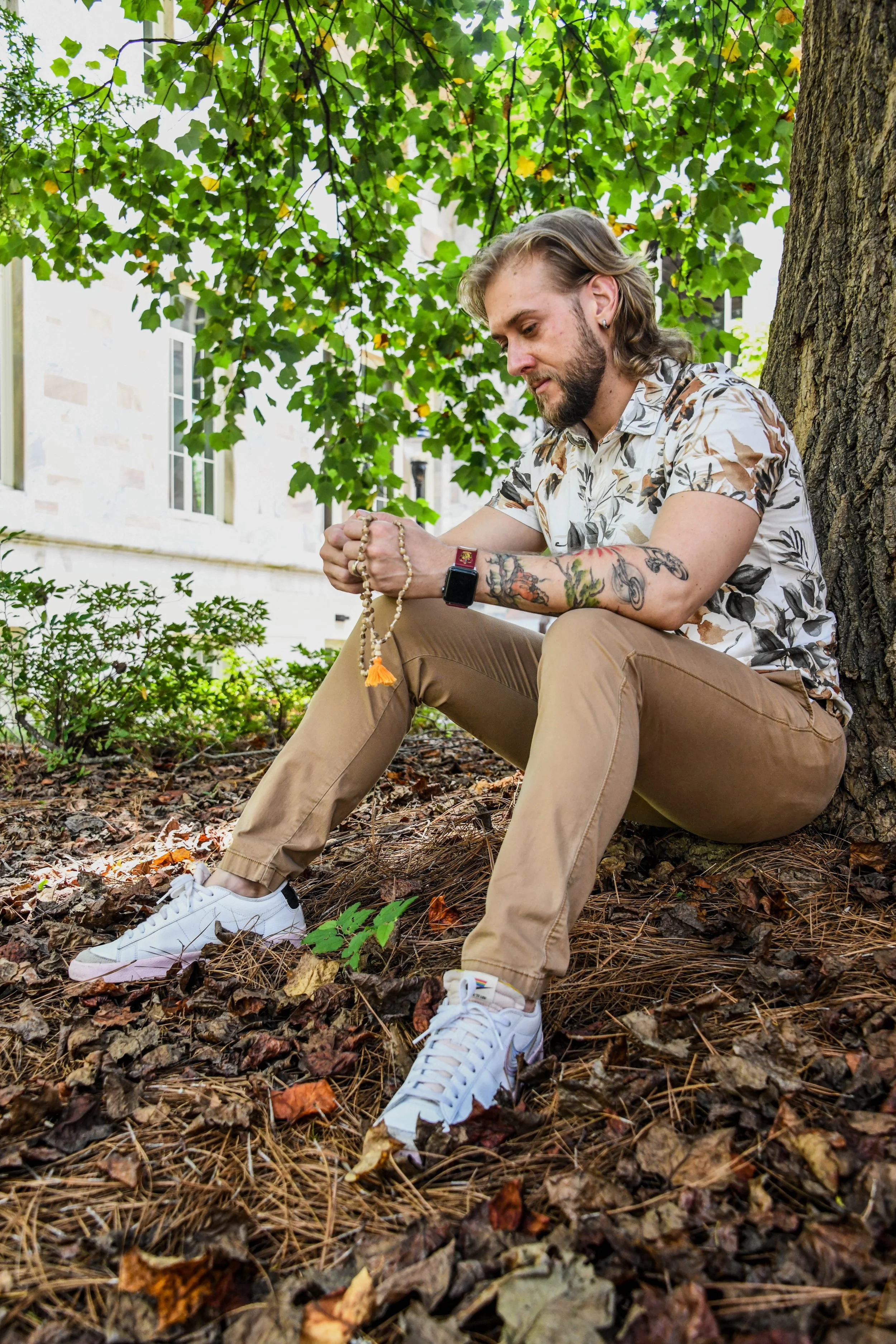
This is Dr. Keith, one of my favorite professors in my program. He teaches chaplaincy, spiritual care, world religions, and he has been one of the most more formative professors I had while I've been in this program and I've learned so much from him. And so it was not planned. I ran into him because I'm on campus teaching youth skills about a theology and stuff. And he just happened to be one of our guest speakers. And so I was talking to him about web and NEP two and telling him about this program and we decided to have a little shoot.
— Alan-Joshua Carrasco
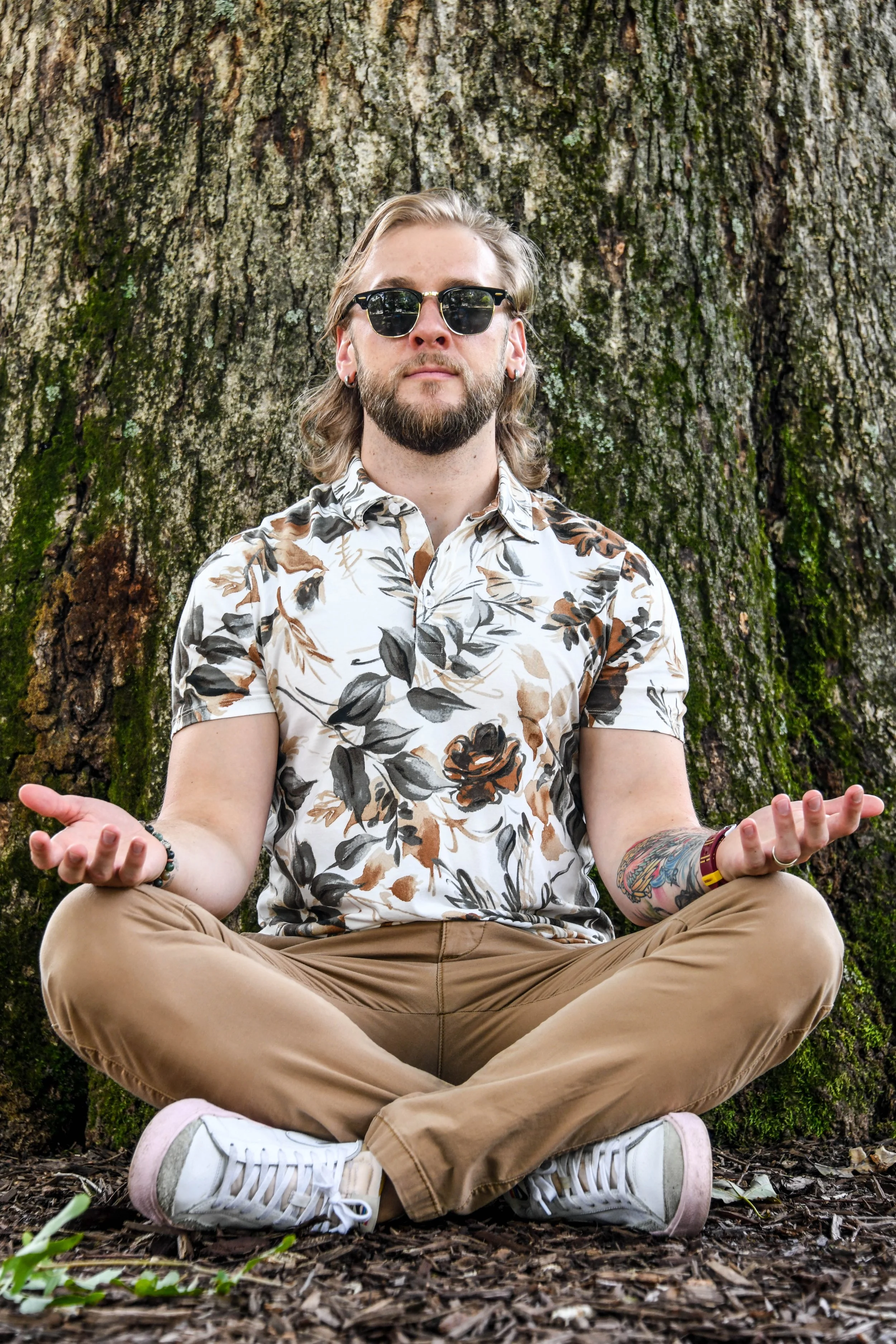
Dr. Keith meditating. And to me it reminded me of other Buddhism classes where you have the Buddha behind the bodhi tree and just enlightenment. So to me it did depict his personality, but also things I've learned modern day.
— Alan-Joshua Carrasco
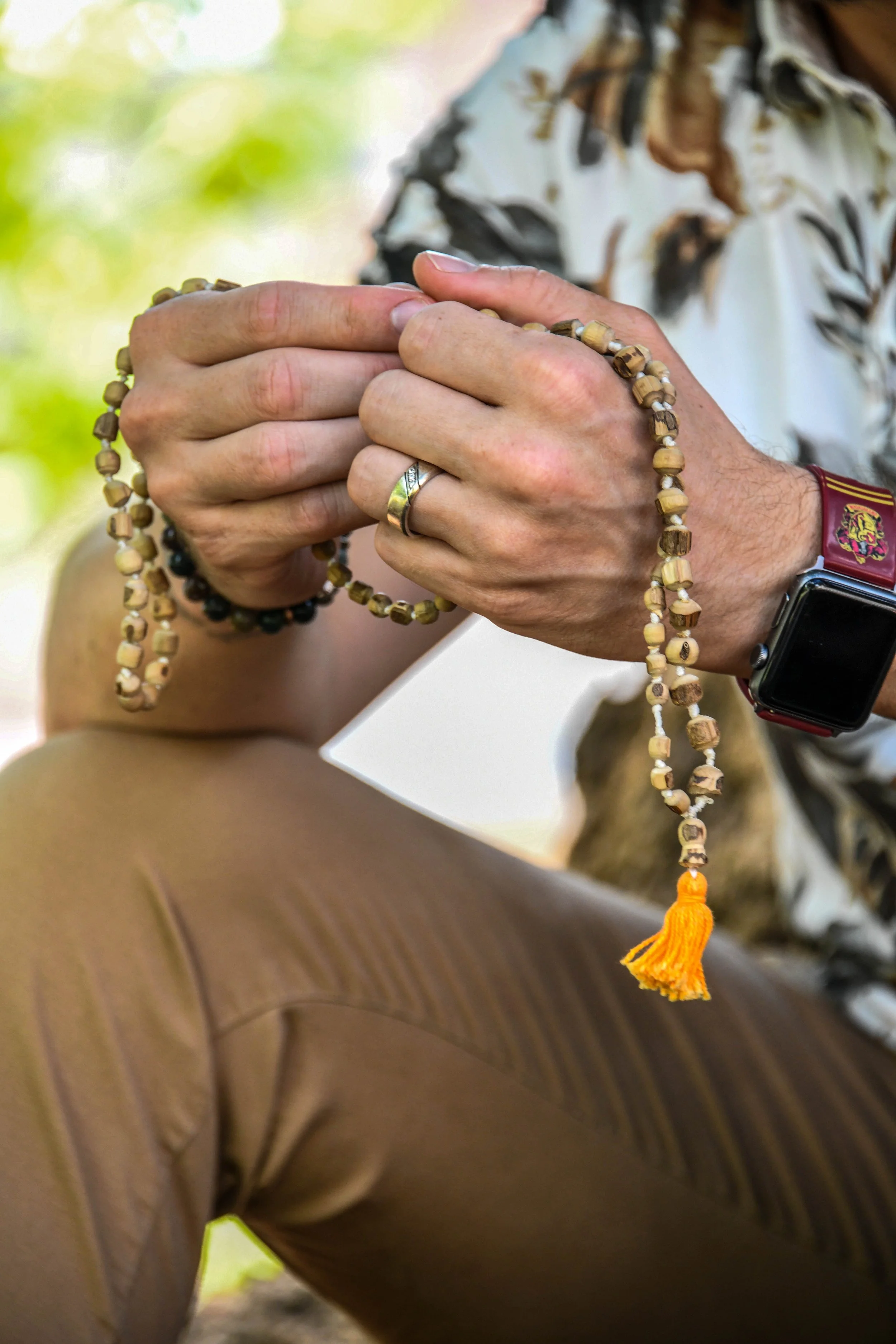
Fun fact, he was always out in the patio, the quad just on campus with his beads meditating. He does lots of mindfulness practices, meditation practices. And so it really is just how he is as a person. He had multiple prayer beads on him. I do not recall which one he ended up using for this, but many traditions have prayer beads include Buddhism, Hinduism, Islam and some Christianity denominations. And so yeah, I just got him in his prayer beads and a more zoomed in picture of the prayer beads itself.
— Alan-Joshua Carrasco
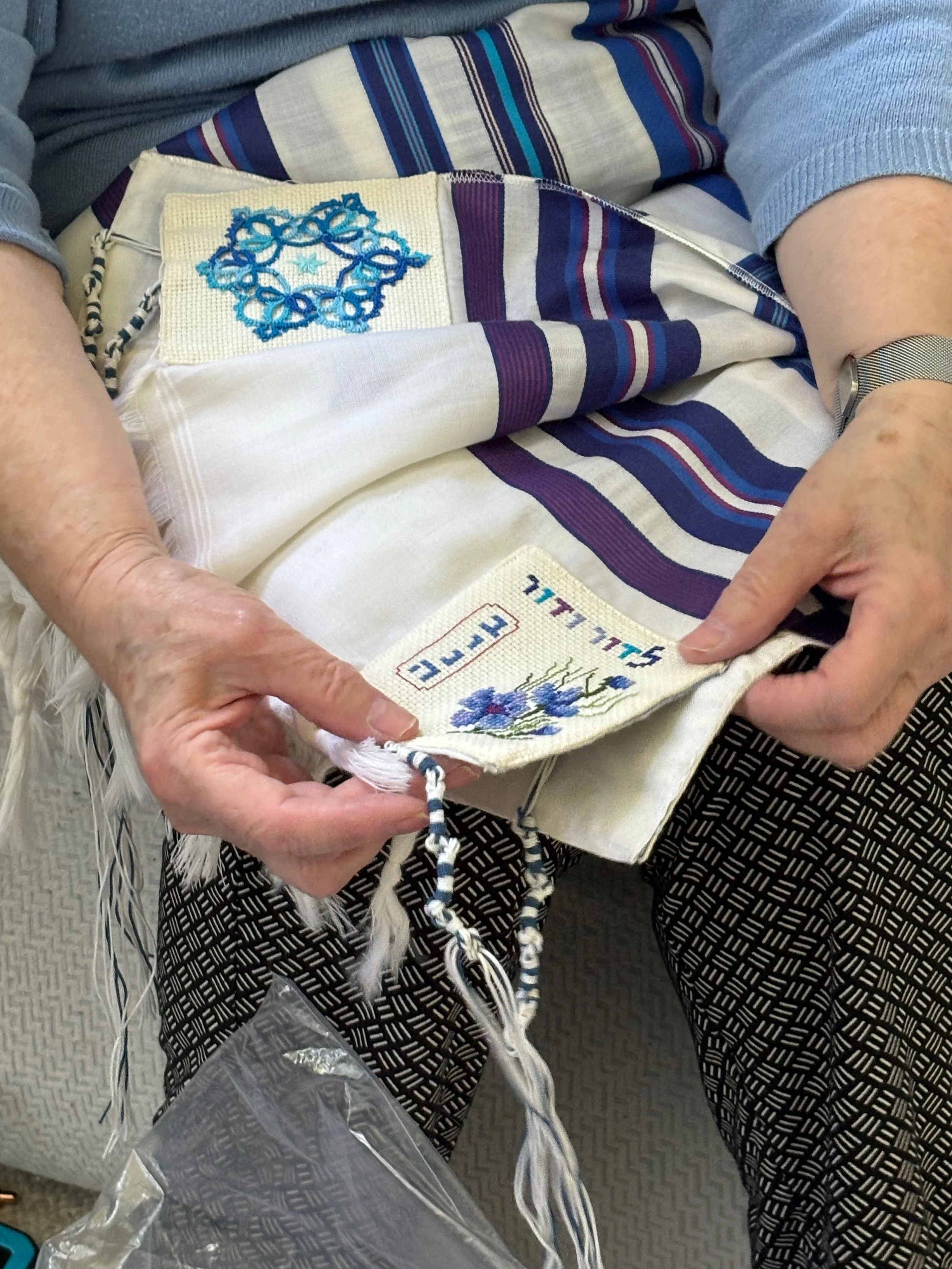
I helped this woman who's like 98 years old and she's like this amazing artisan and this is a Talit, which is, it's a Jewish prayer shawl, but she's showing me the embroidery that she did for her grandson and I just think it's pretty cool and she did all the flowers from his different ethnicities and she has a lot of pride in that and it's noted in a specific way.
— Rachel Gucwa
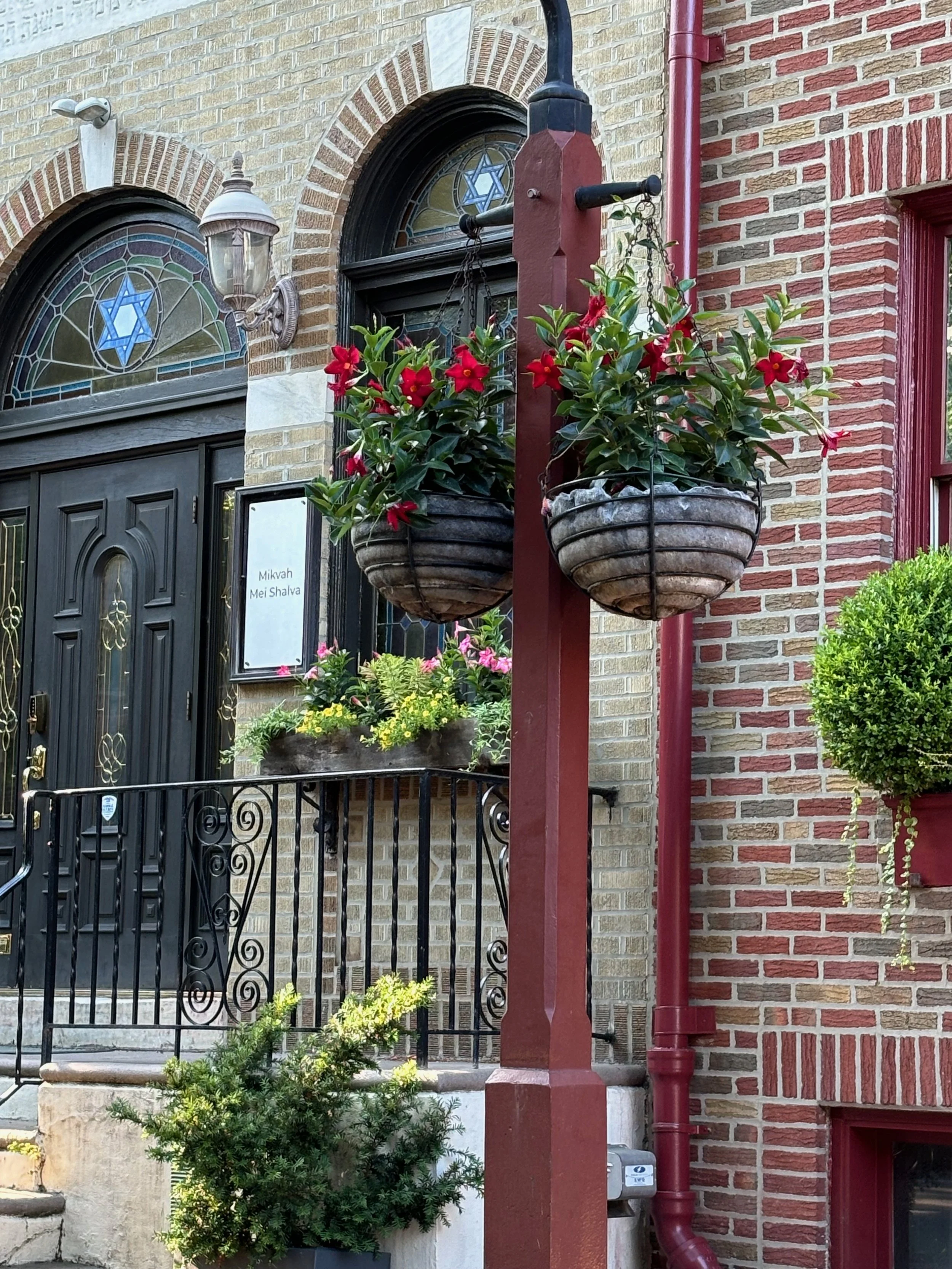
Flowers bloom outside the
old synagogue, claiming
where’s there life, there’s hope
— Rachel Gucwa
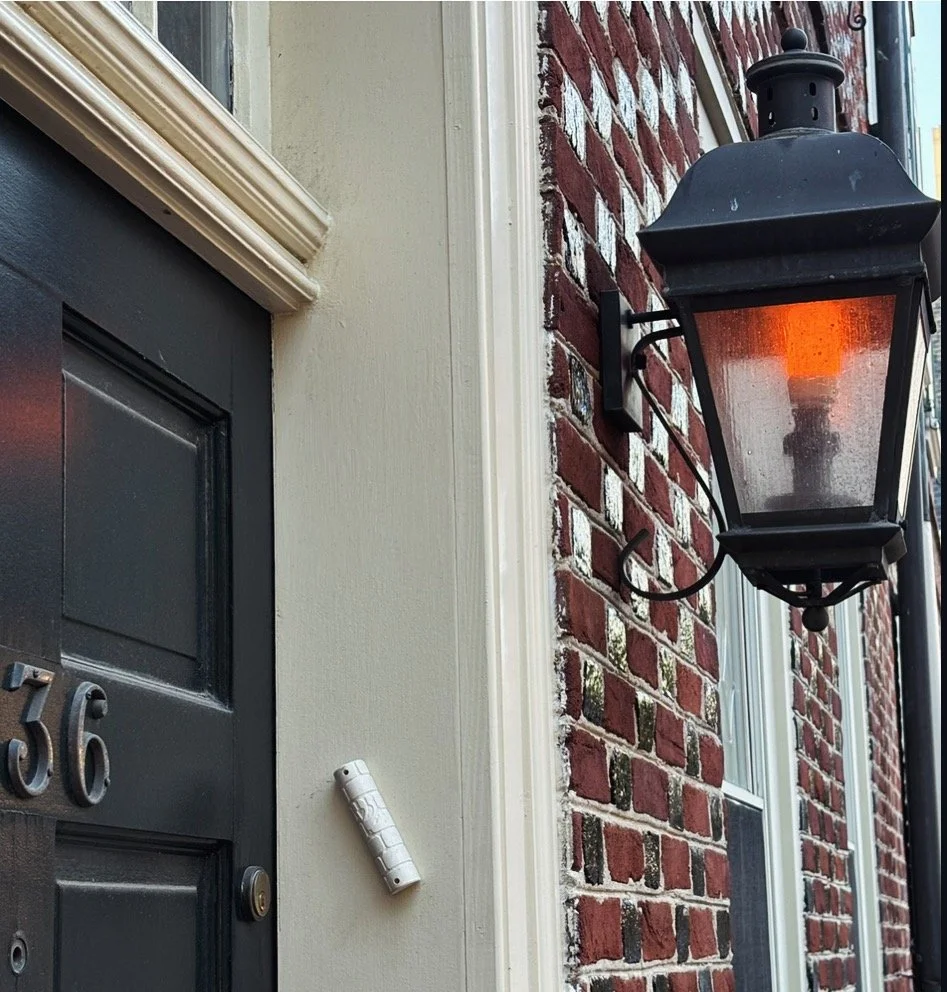
This next picture is this little square on the wall. It's called a mezuzah and it's like a house blessing and a lot of Jewish people have this on the side of their house. And also this picture 36 is a special number in Jewish because any multiple of 18 means life. So that means double life. So if you get a present from a Jewish person, you might get 18, 36, 54, 70 $2. It's supposed to be a good luck number. And this photo's kind of cool because of the light there. It's just kind of shining on and it's illuminating and giving warmth and light and hope.
— Rachel Gucwa
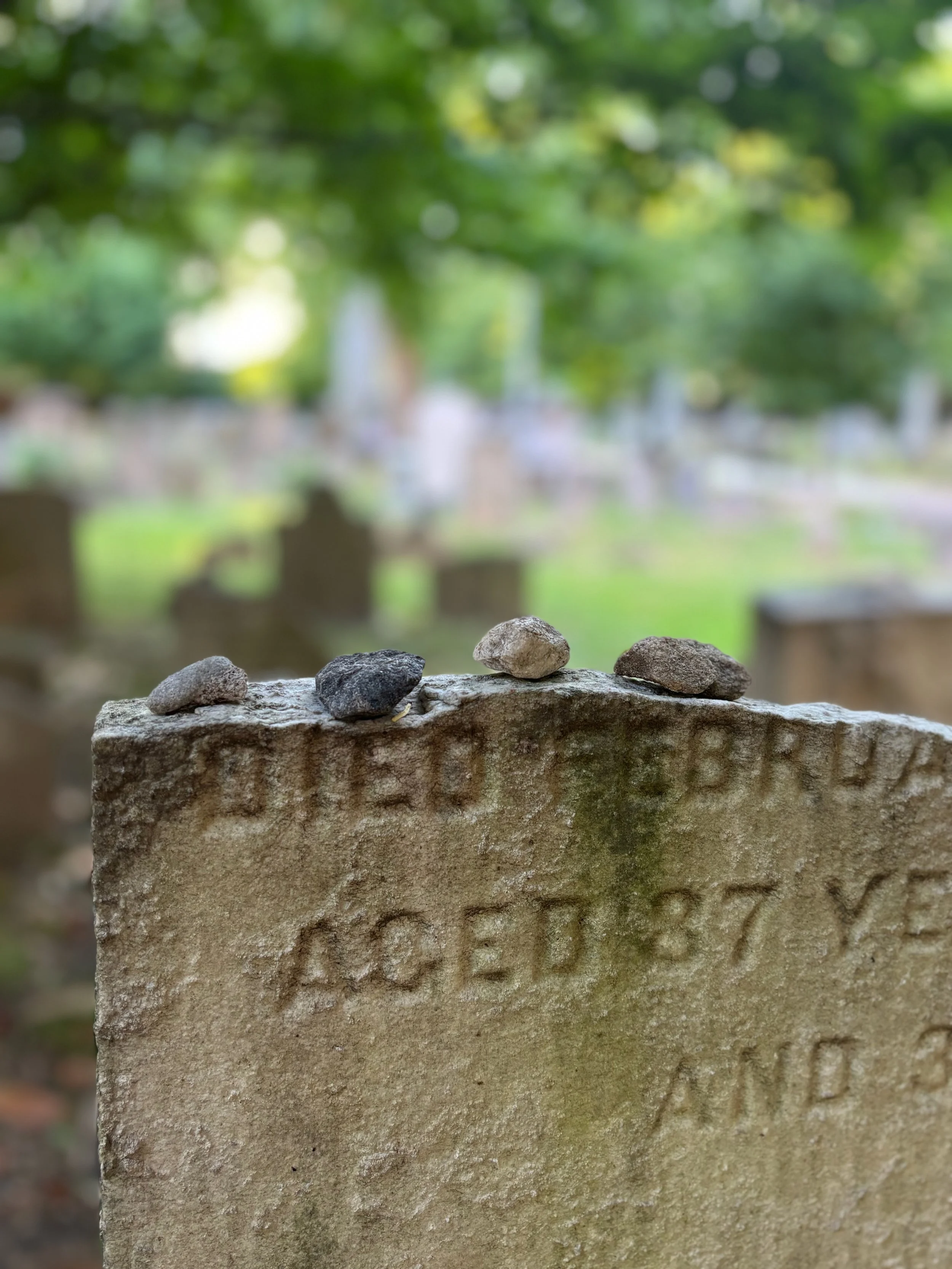
If you are Jewish, whenever you visit a grave, you don't put flowers, you put stones and it's just a piece of a grave with stones on it and the stones represent that someone visited and carved in stone and that was just kind of cool.
It is traditional to place stones on the graves to honor deceased, comfort mourners, and to help anchor soul to this world, meaning stones attest to permanence of the soul.
— Rachel Gucwa
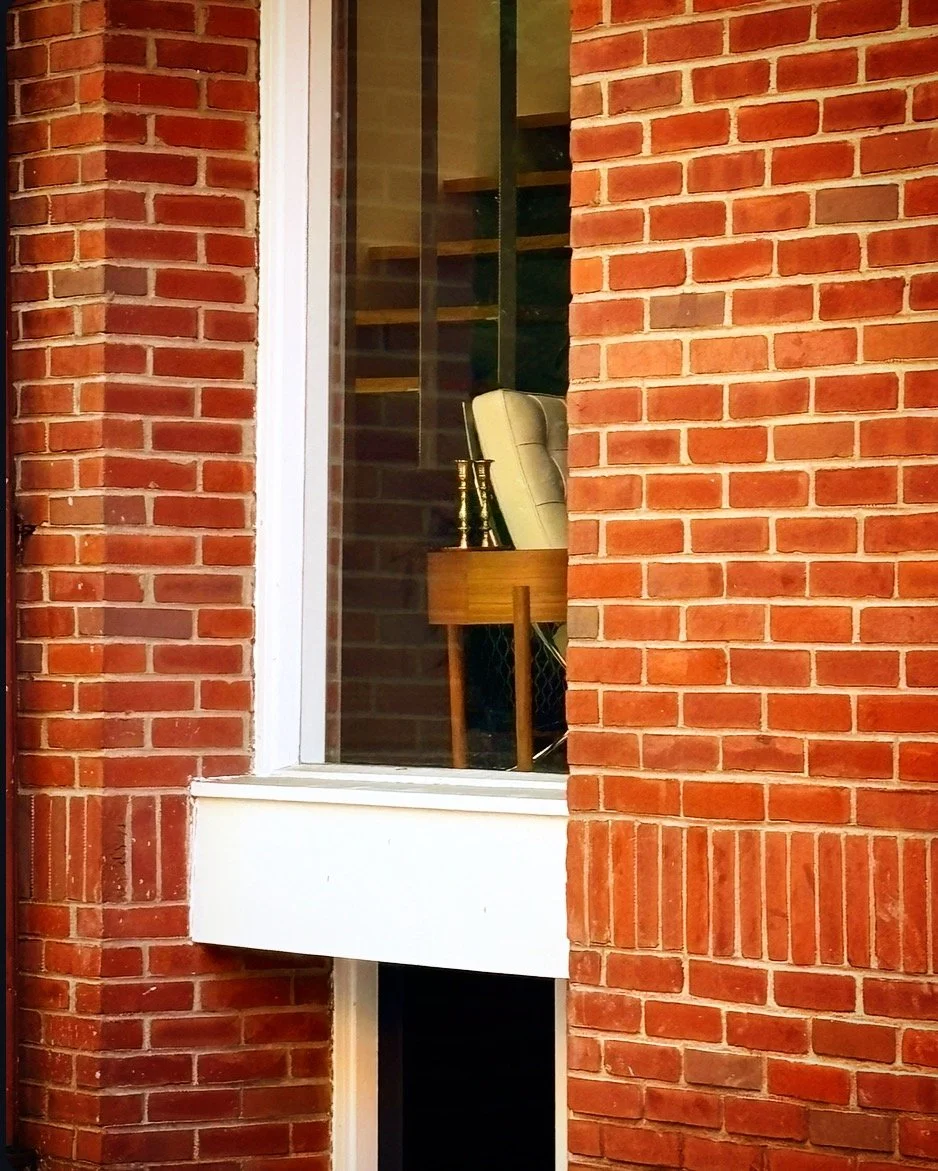
This is someone's house that I was creepy looking into, but there's two Shabbat candle holders in the window and they were in the front of the window and it just was very beautiful.
— Rachel Gucwa
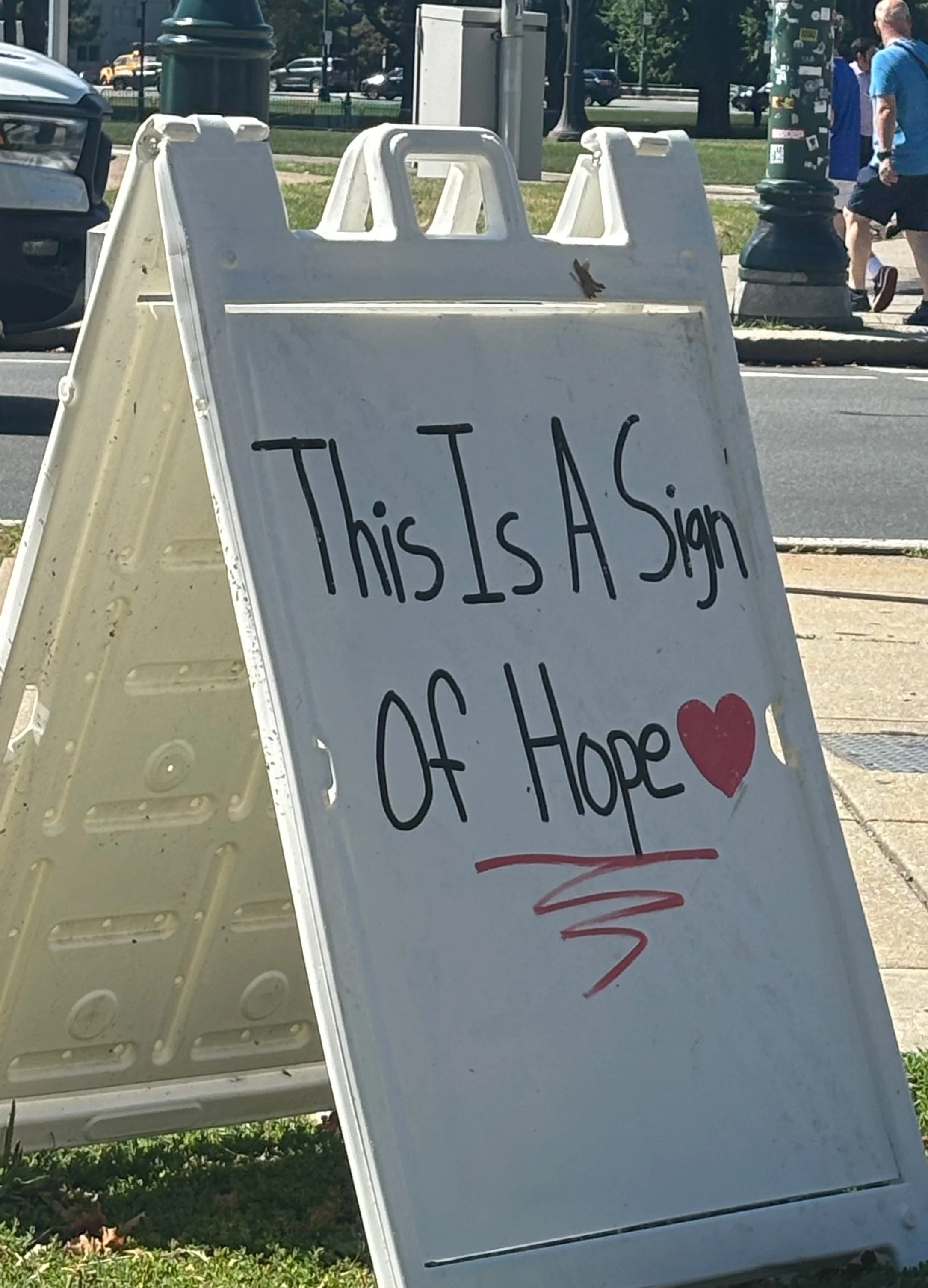
Gentle acts of love,
Small unexpected kindness,
These are signs of hope
— Rachel Gucwa
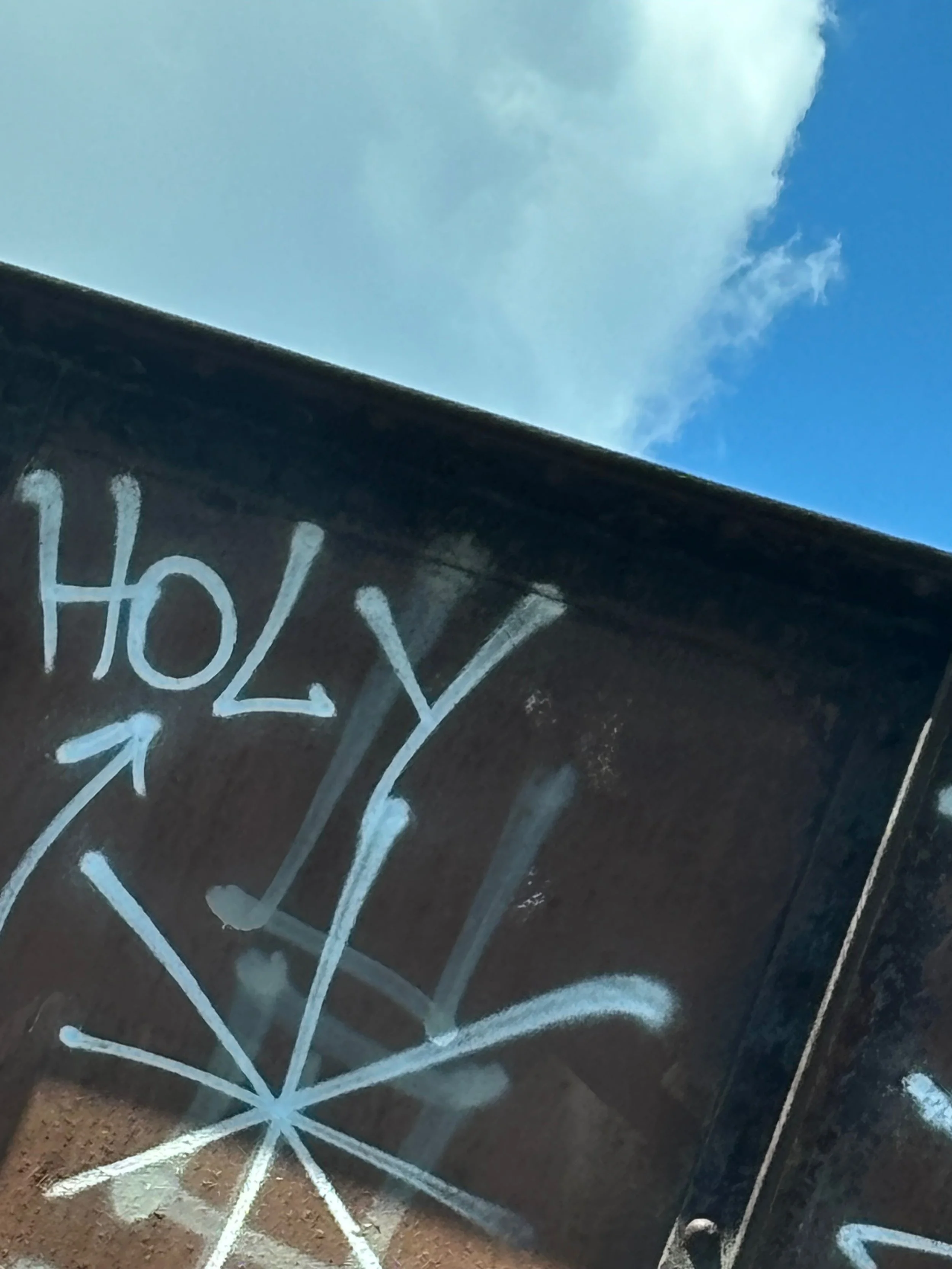
To be holy means to sense
The precious sacred
in the Every day
— Rachel Gucwa
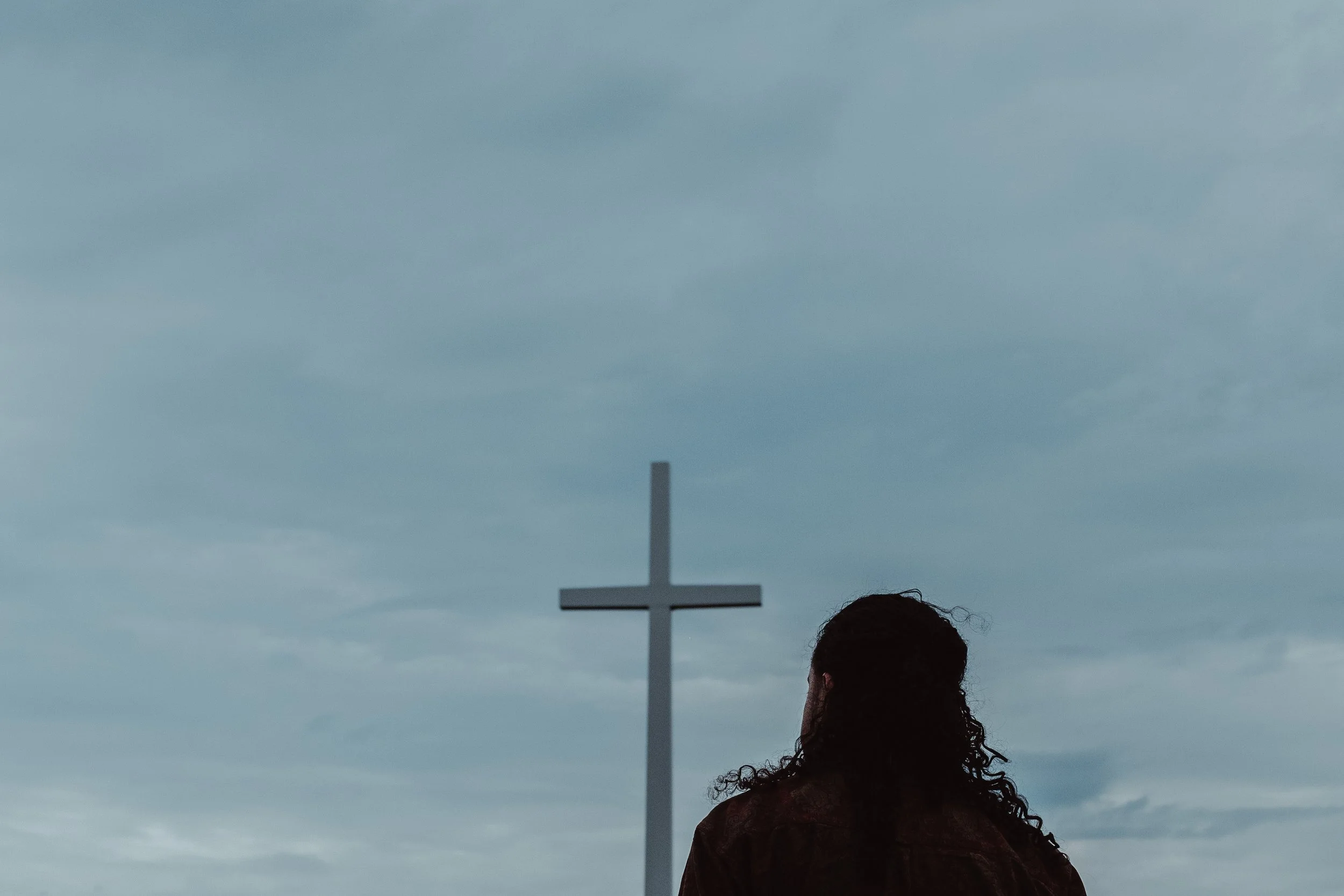
We went on a little road trip recently and there's this huge cross, you could see it for miles away and I was like, oh my gosh, we have to stop and take pictures for this project. It just was so unique. I'd just never seen a cross that big at a church before. And so we got out to these pictures and I had him stand and have him looking at the cross. I just wanted it to be kind of more moody and just, yeah, I thought they turned out really cool.
— Joanna Schaus
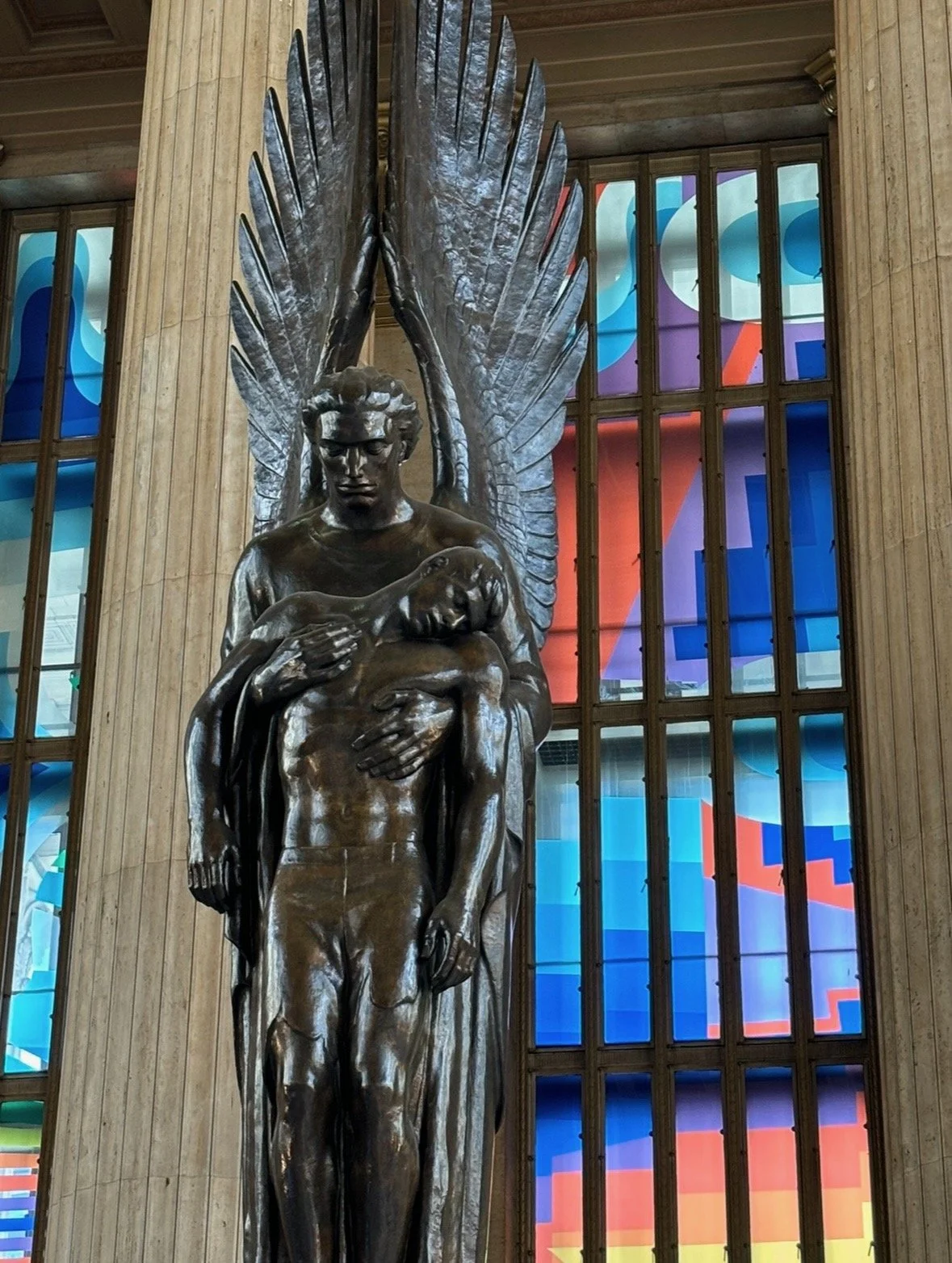
Unbreakable ties,
Fluid relationship, yet
Lasting covenant
— Rachel Gucwa
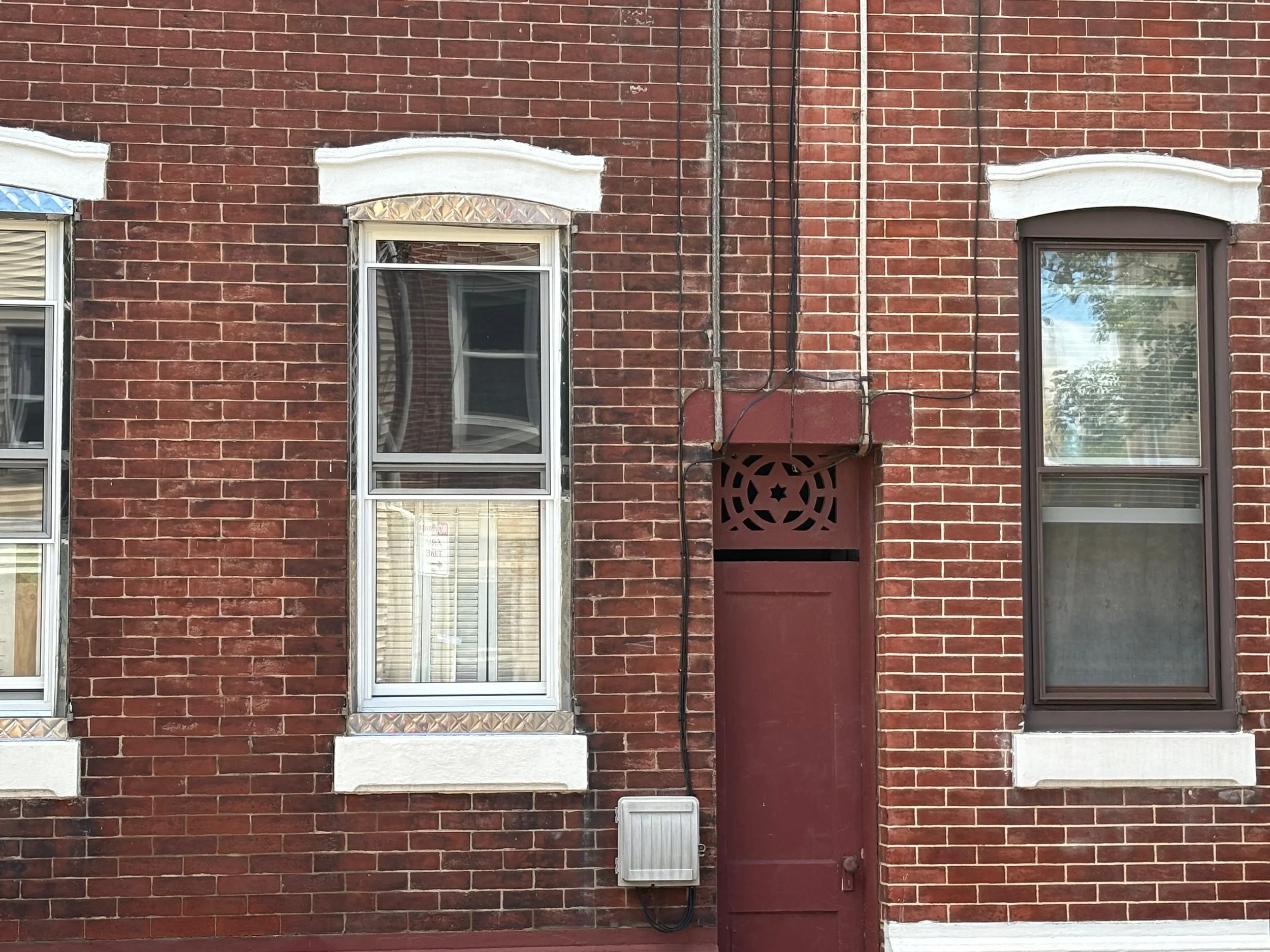
The Star of David (above the doorway) symbolizes connection between God, Israel, the Torah, and people. The seven spaces represent the seven virtues: kindness, severity, harmony, perseverance, splendor, foundation, and royalty.
— Rachel Gucwa
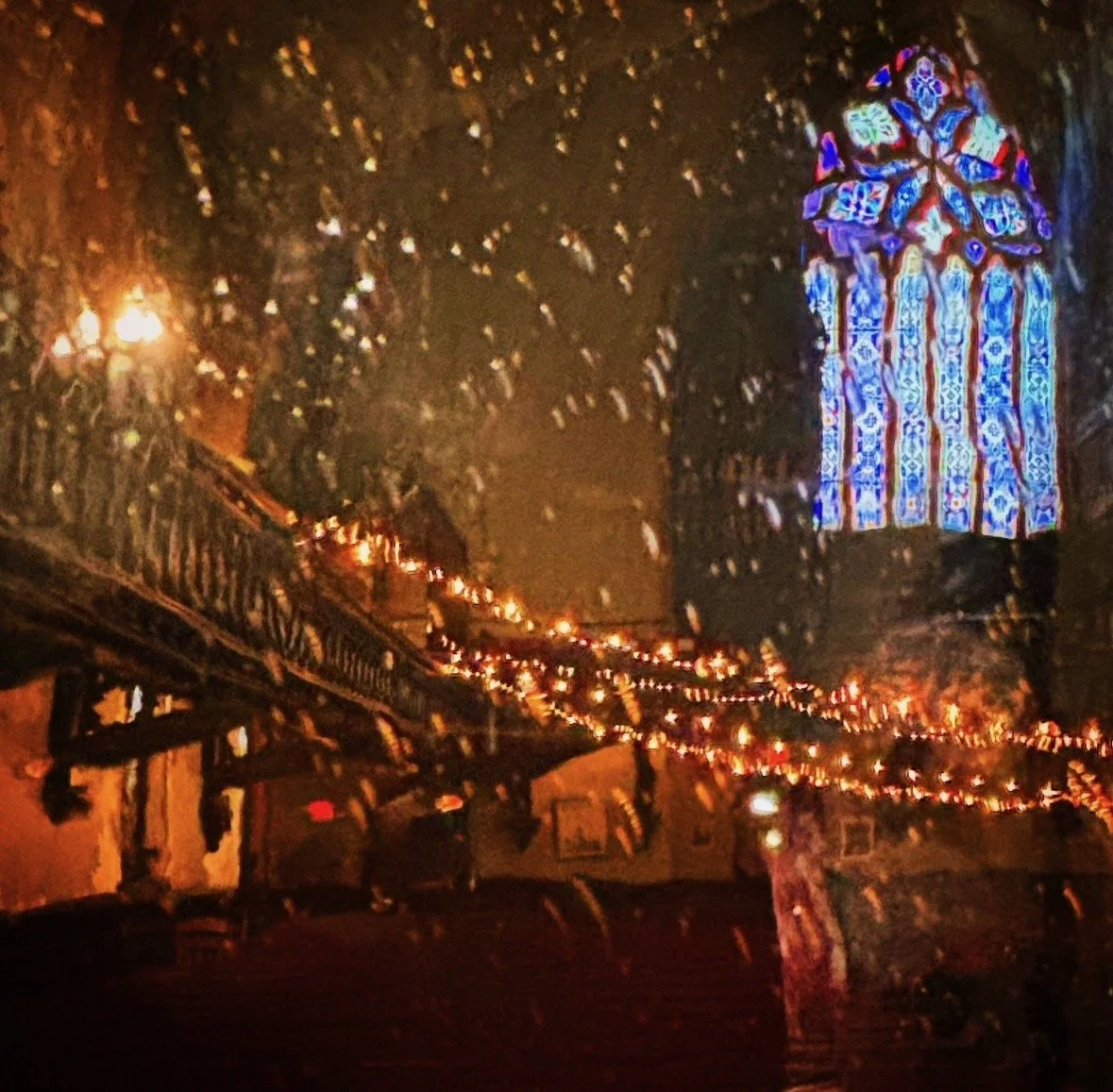
This is actually a church, but just the way the light was playing in there, it looked like a celebration.
— Rachel Gucwa
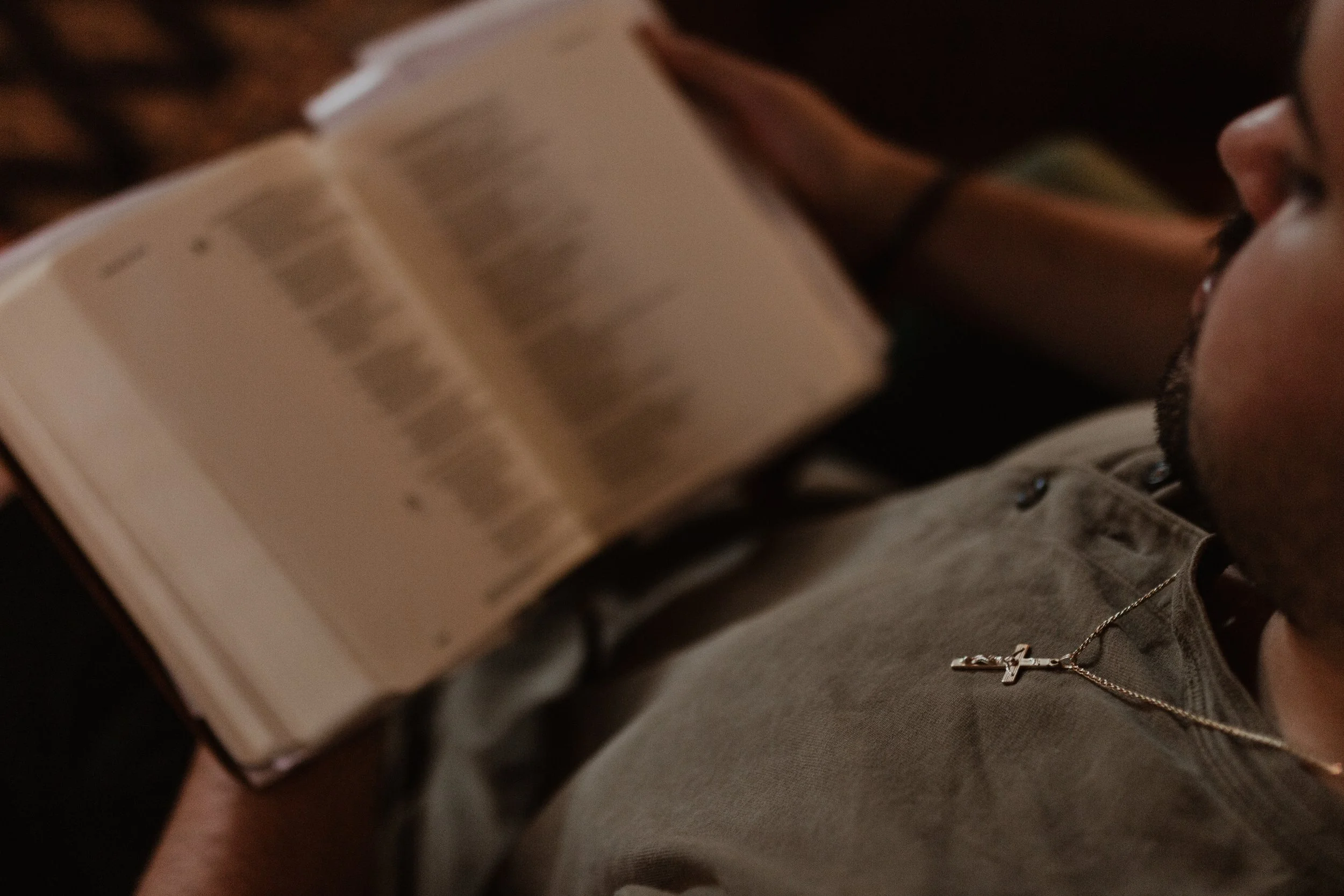
I photographed my husband (Alejandro) quite a bit for this prompt just because his faith is really beautiful to me. He has a very strong faith and he's just a really interesting in that. This picture is just him flipping through the Bible. I wanted to capture just this idea of movement and your faith not being linear, and it's always kind of changing. You're always growing and learning new things in any faith.
— Joanna Schaus
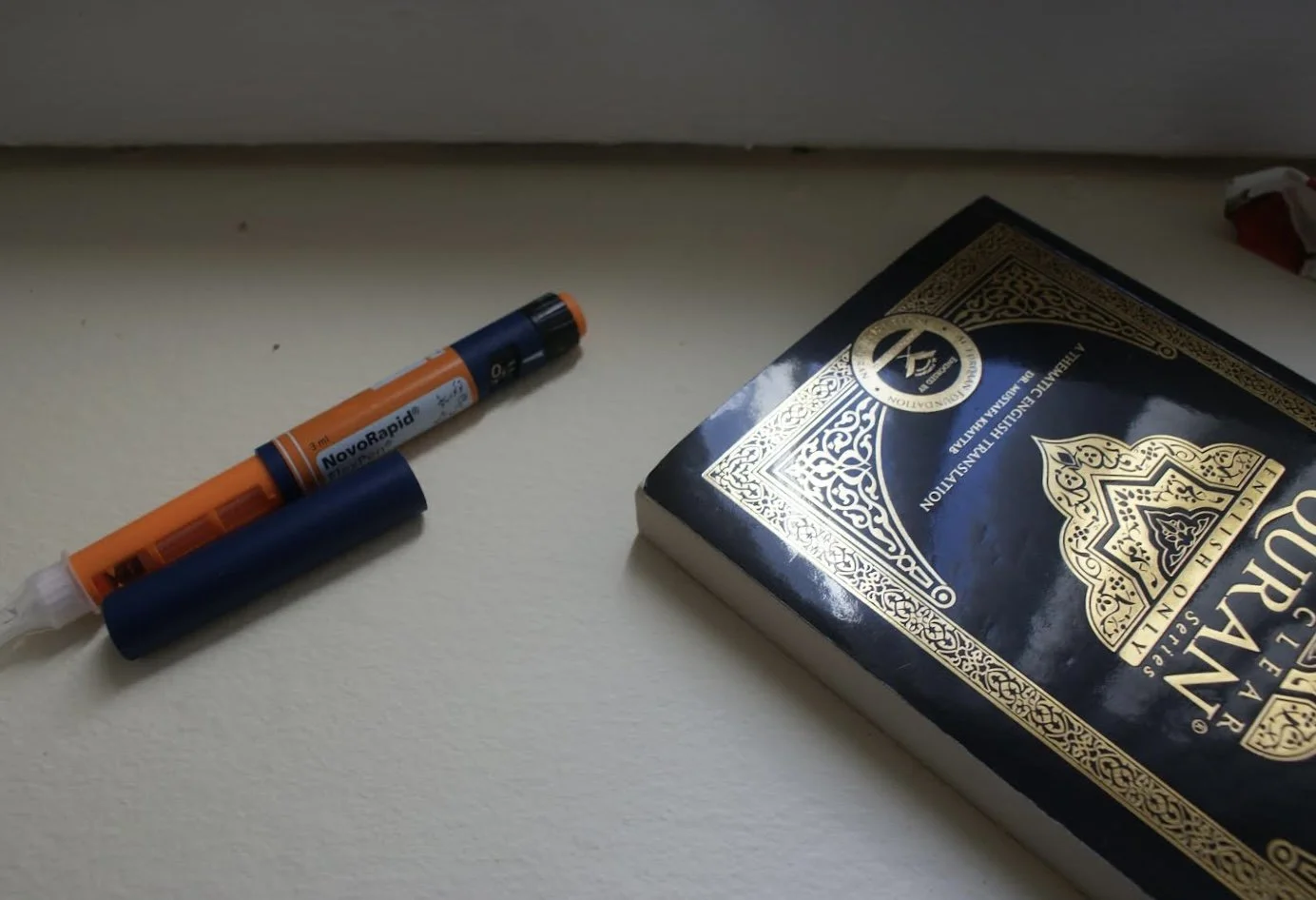
Two things that keep me alive, side by side. My Qur’an and my insulin pen.
— Fatima Zaid
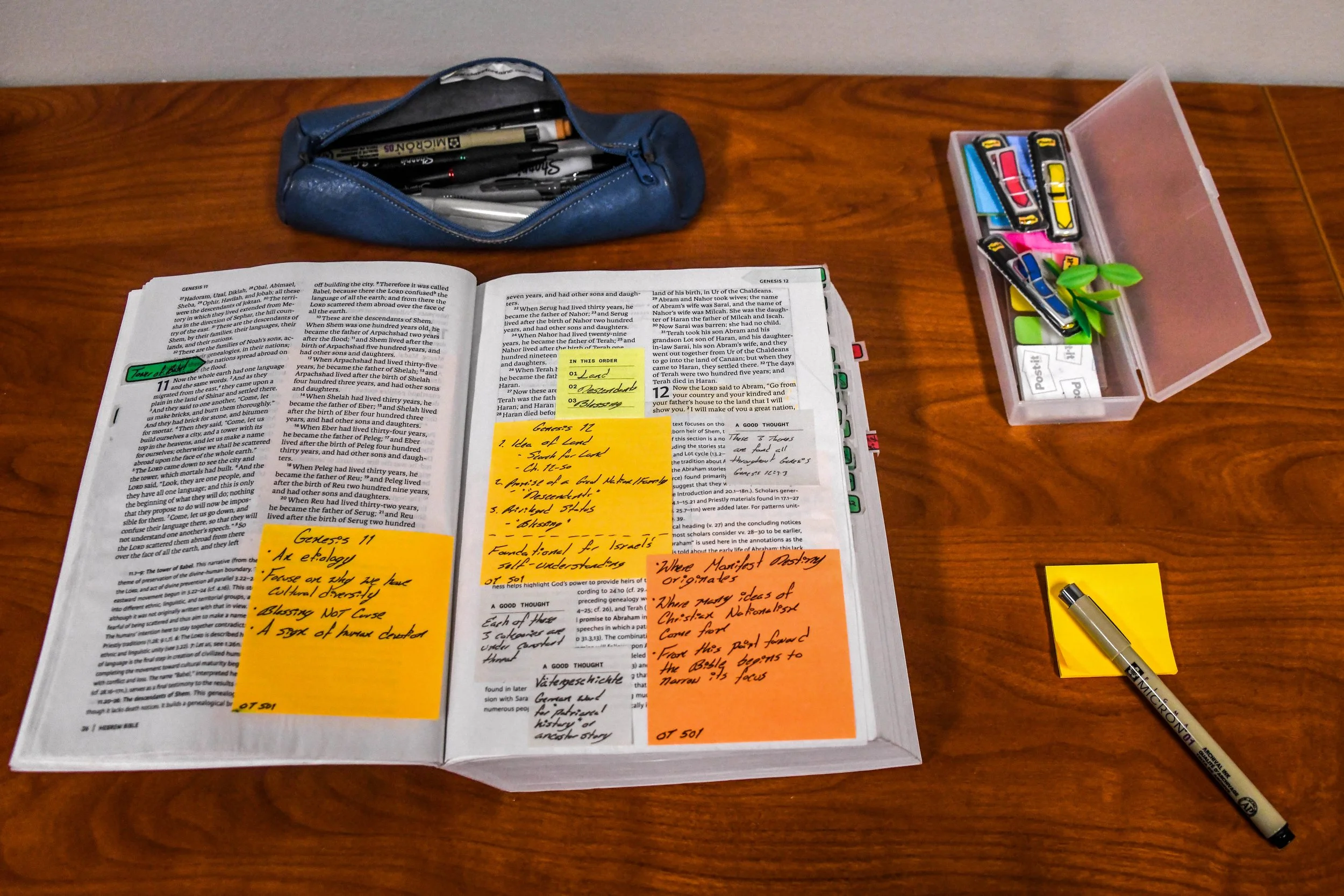
The Bible I use to take notes in. So I study divinity and currently I'm refreshing on old notes because I'm working at a summer type camp academy that empowers youth to think more theologically and intentionally about the divine. And so yeah, it just represents, I guess me also my spiritual practice where as someone that wants to be a scholar, this is how I interact with the text. And I feel like I grow both in terms of knowledge, but also there's a spiritual connection to me taking notes and studying I guess in a more academic setting.
— Alan-Joshua Carrasco
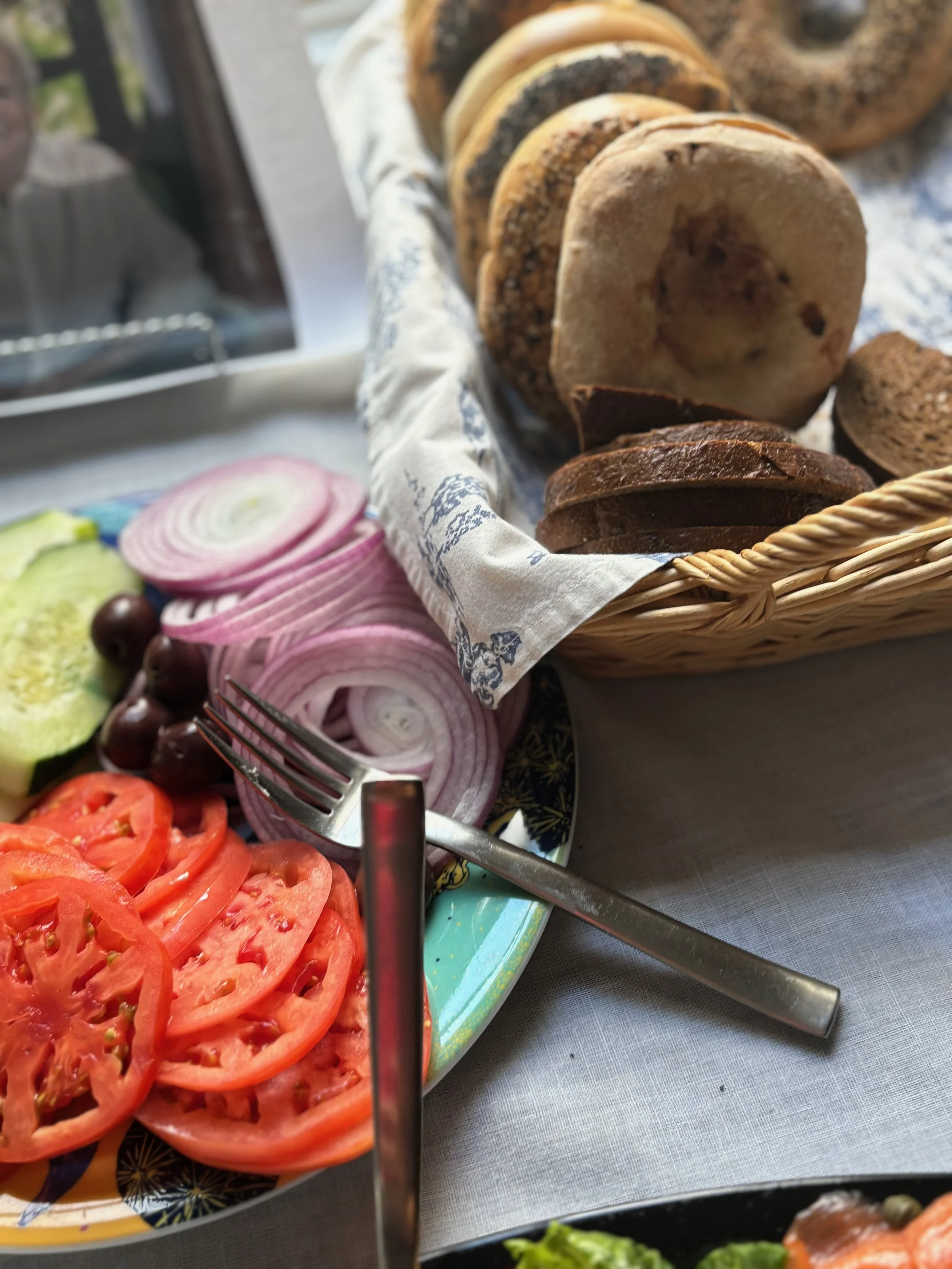
I got invited to a shiva. A shiva is like a memorial. It's not memorial. It's like after people die and you go to someone's house and you eat. And I really wanted to, I was having trouble hiding the man's face just for his own whatever, his own protection. But bagels are very traditionally Jewish and they show up at lots of Jewish events. The next one is my aunt has tons of junk laying around her house.
— Rachel Gucwa

This is just the Bible app. It's part of my spirituality. To me it represents me and my generation of just living and constantly being on the phone, but also having those positive reminders to me. It's late at night and it's the time to myself, and it's just a reminder to really focus on myself. And it's the time I probably am the most productive in terms of self-care, spirituality, right before bed.
— Alan-Joshua Carrasco
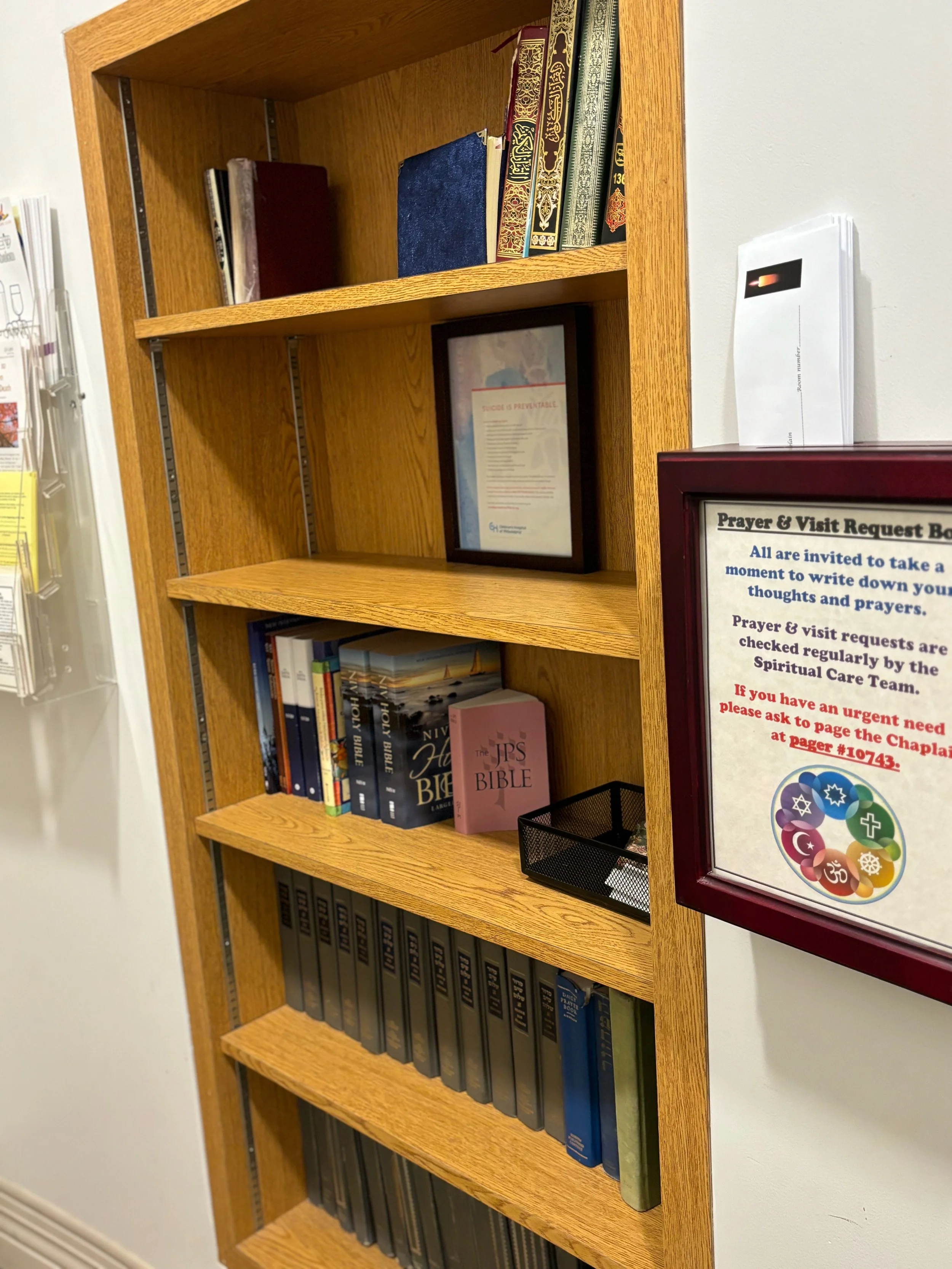
No matter your voice, beliefs, values, healing prayers all sound the same.
Hospital prayers rise, protect my love,
Grant peace in our bodies and hearts.
— Rachel Gucwa
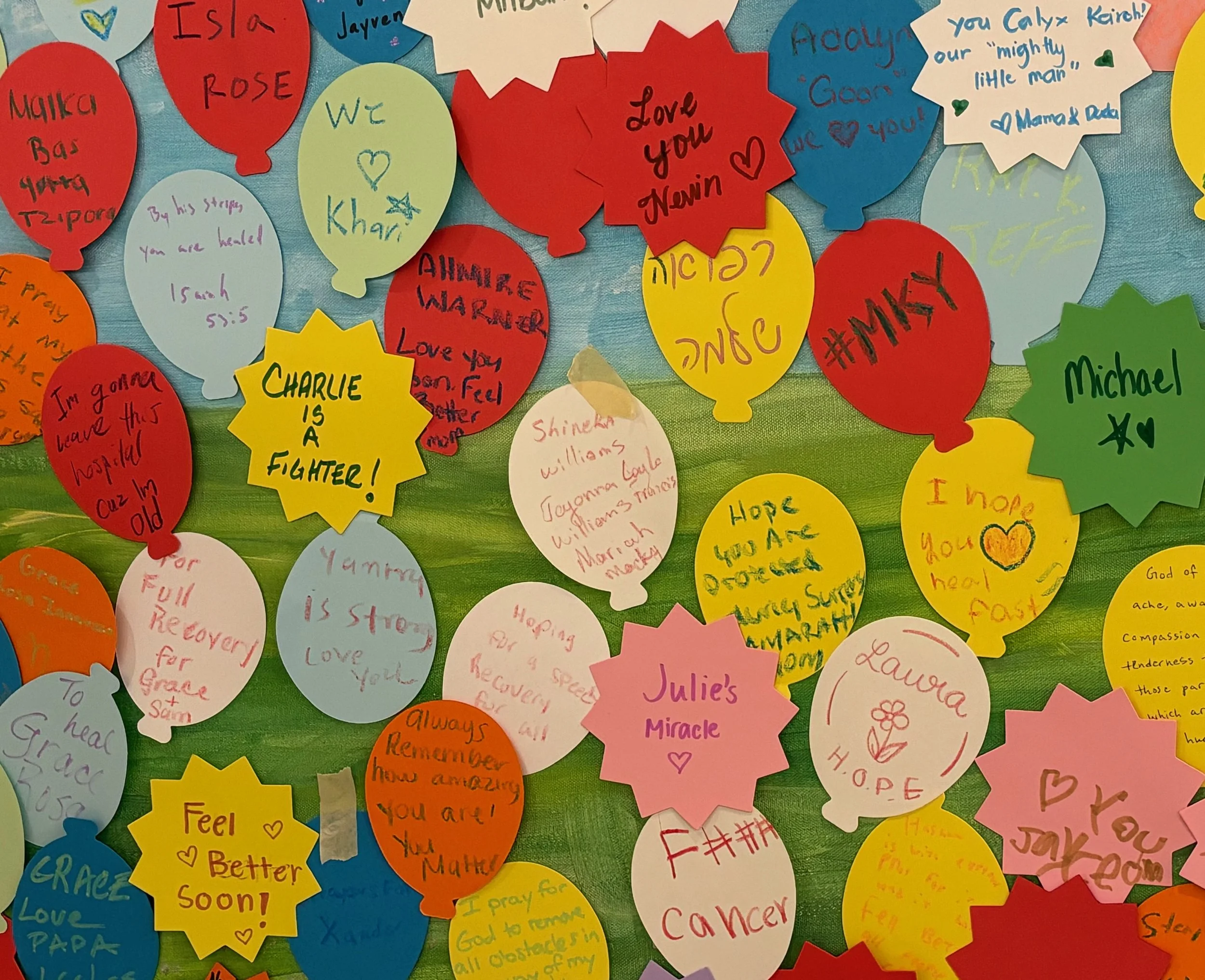
Notice the prayer written in Hebrew script.
— Rachel Gucwa
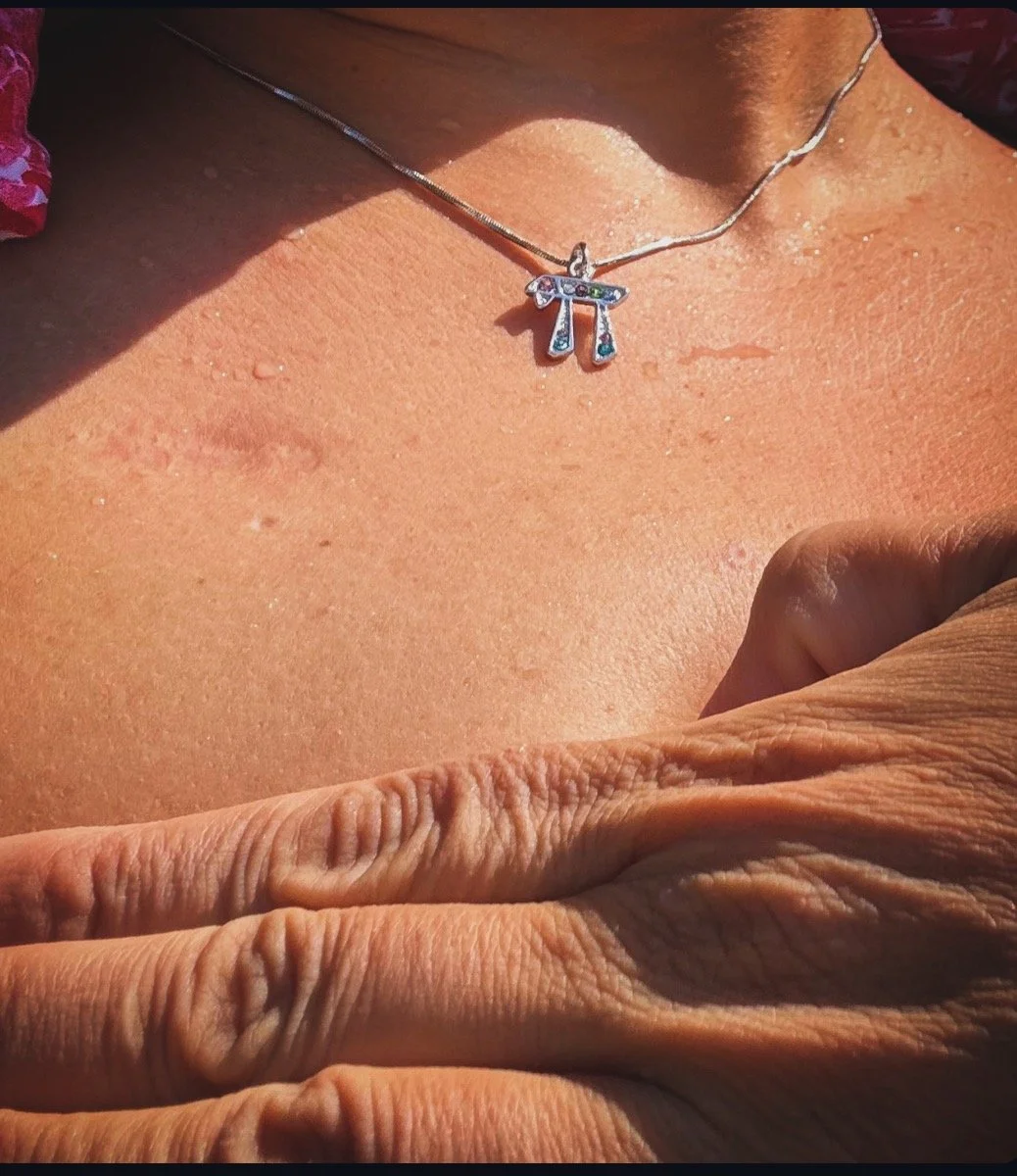
BRCA Mutation: Ashkenazi Jews have a higher risk of BRCA gene mutations than the general population. These mutations can increase risk of breast, ovarian, pancreatic, and prostate cancer.
Ashkenazi Jews: Jewish people who ancestors lived in France and Central and Eastern Europe.
Chai necklace: Hebrew word for life.
— Rachel Gucwa
![I was doing a mosaic class and I love the idea of bits and pieces coming together and this says shalom, which means peace. And it's like all these broken things coming together to form something beautiful and that's just a good message.
[The] pi](https://images.squarespace-cdn.com/content/v1/63d93b6bae4f3935a0789bee/b3df9ddd-4eb3-4973-a4bf-50abb19afb6b/Gucwa-Photo-32.jpeg)
I was doing a mosaic class and I love the idea of bits and pieces coming together and this says shalom, which means peace. And it's like all these broken things coming together to form something beautiful and that's just a good message.
[The] piece says Shalom, Hebrew word for peace.
— Rachel Gucwa
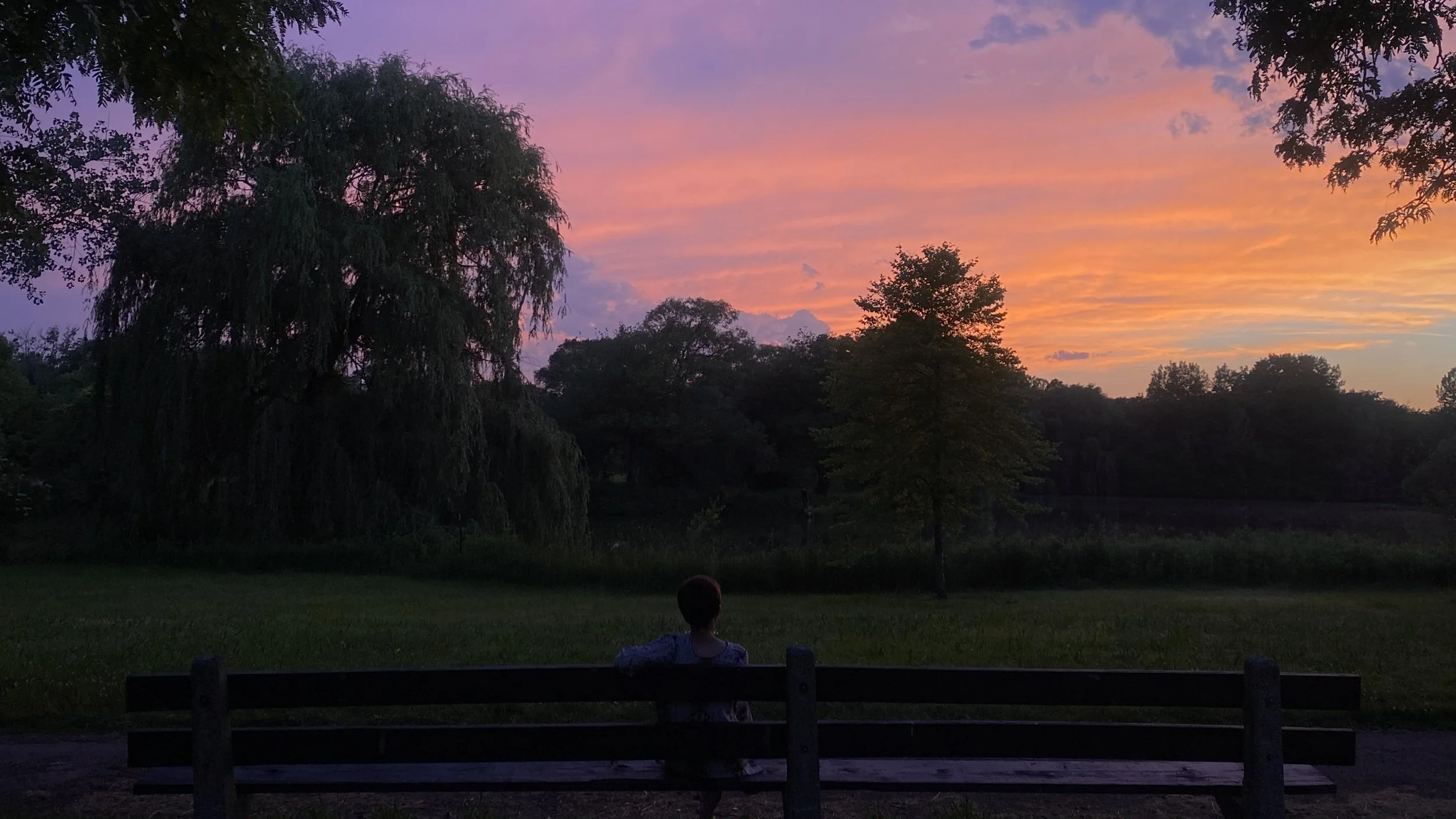
I've been trying to see spirituality through my friends. I love to witness how they use their spirituality or how they practice their faith. For me, I feel the most spiritual in solitude and when I'm praying or I'm one-on-one with God and I'm talking to Him, communicating with Him. I was trying to push myself to decompartmentalize my spirituality and also feel it when I'm in communal settings. In this image, I was on a walk in my neighborhood with a dear friend, and we found this most amazing sunset and it felt like a sign to just sit down and reflect. We had a very deep and intense conversation about different parts of our lives, and I knew I needed to document this moment.
— Fatima Zaid
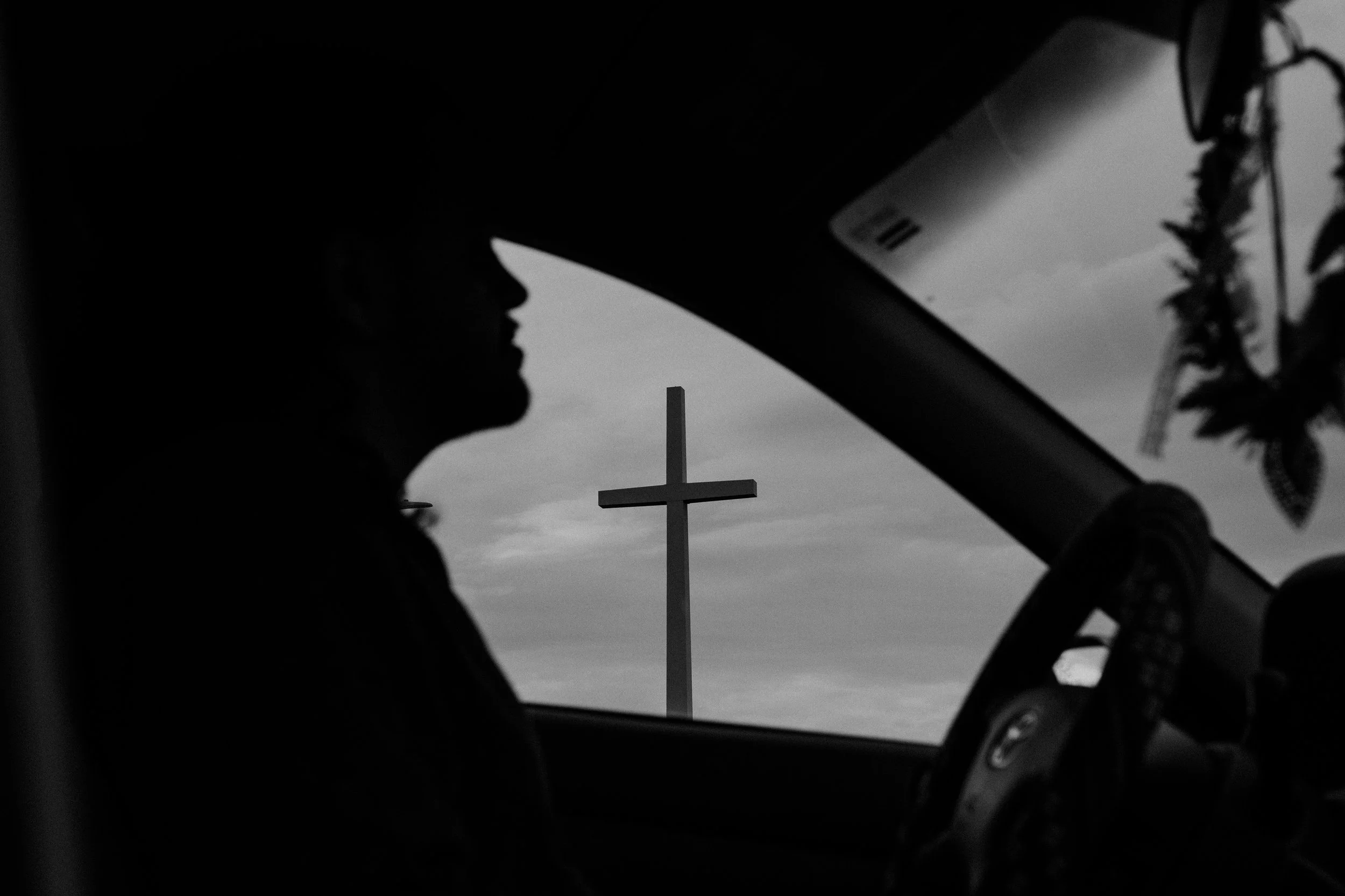
This is my husband, Alejandro, in the car as he's driving, so you can kind of see the cross there in the distance.
— Joanna Schaus
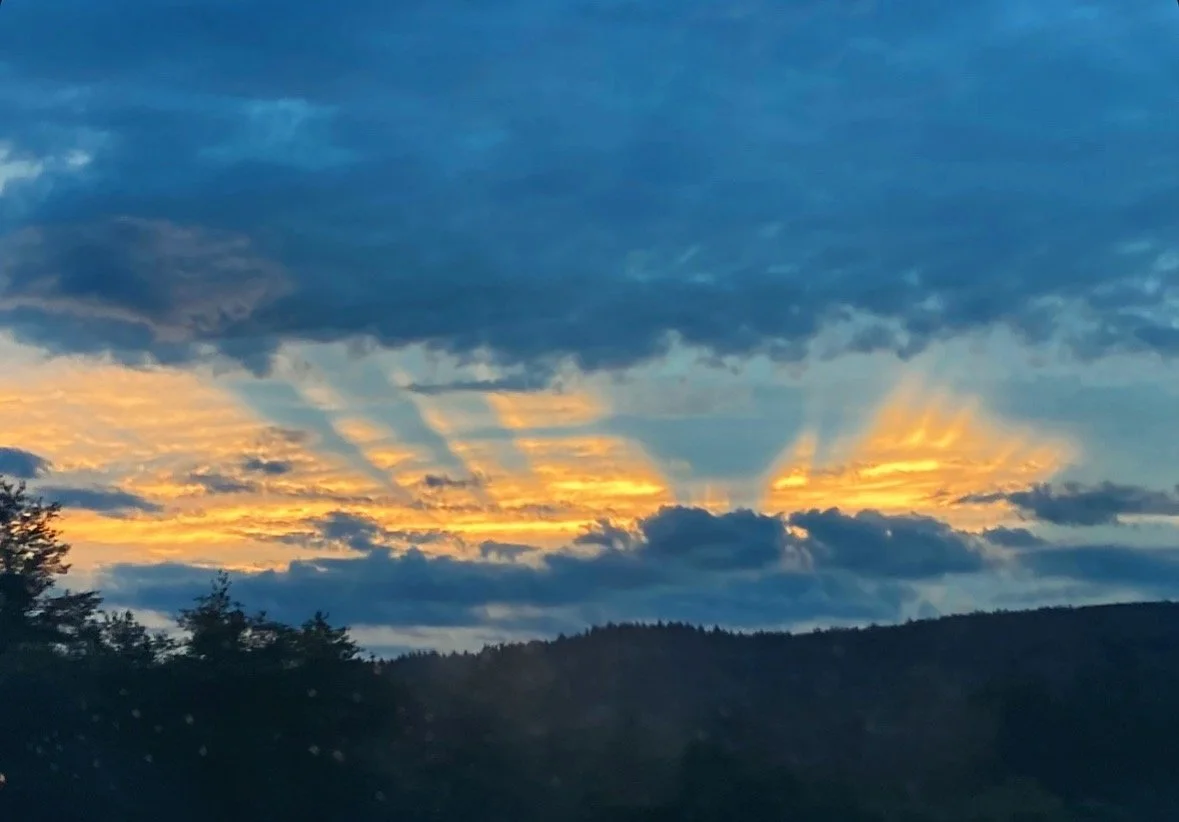
Sometimes God is loud
“Here, I am.”
Sometimes God is found
In the silence
— Rachel Gucwa
![[My husband is] actually sick in bed in this photograph right here. And that kind of spoke to me just because the light was coming in on his face and I just thought it was a beautiful moment of, because I'd spent the week taking care of him and just](https://images.squarespace-cdn.com/content/v1/63d93b6bae4f3935a0789bee/613d50f5-f85d-4a99-873d-40ad43bb561e/Schaus-Photo-5.jpg)
[My husband is] actually sick in bed in this photograph right here. And that kind of spoke to me just because the light was coming in on his face and I just thought it was a beautiful moment of, because I'd spent the week taking care of him and just that reminds me of God and how he takes care of me and just being hospitable towards someone and caring for them is just a way of showing the love of God. And that moment spoke to me. — Joanna Schaus
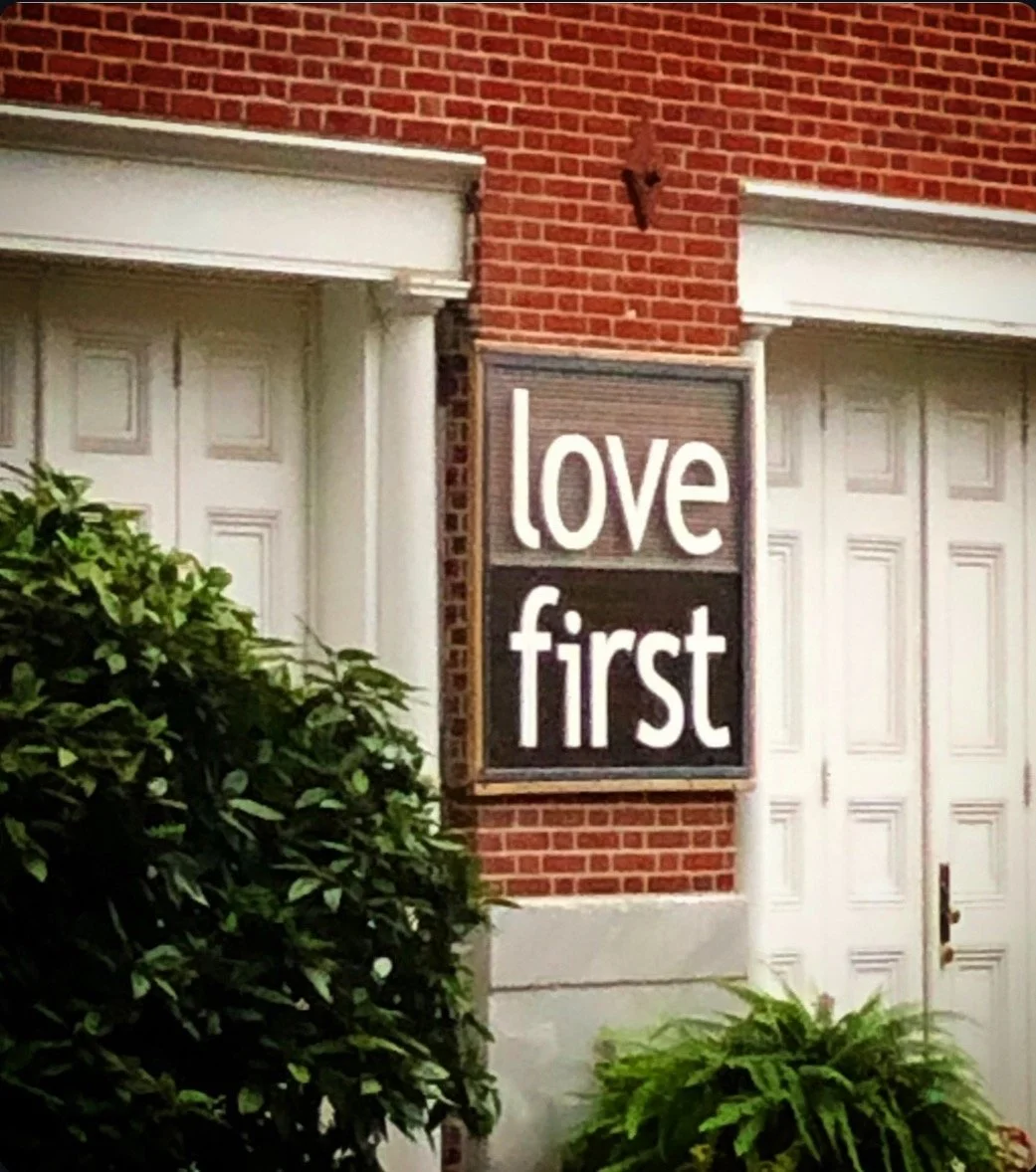
Every day is a special day
to show and tell
people you love them
— Rachel Gucwa

My dog's name is Cyan, and my cat's name is Alo. We go for daily walks. My cat does enjoy walks, and they got this toy years ago, back when my dog was a puppy, and I used to have Jewish roommates, and they got him a little squeaky toy that's a dog with holding a little dreidel. And this is one of those toys that my dog goes to a lot that still hasn't fully ripped up.
— Alan-Joshua Carrasco
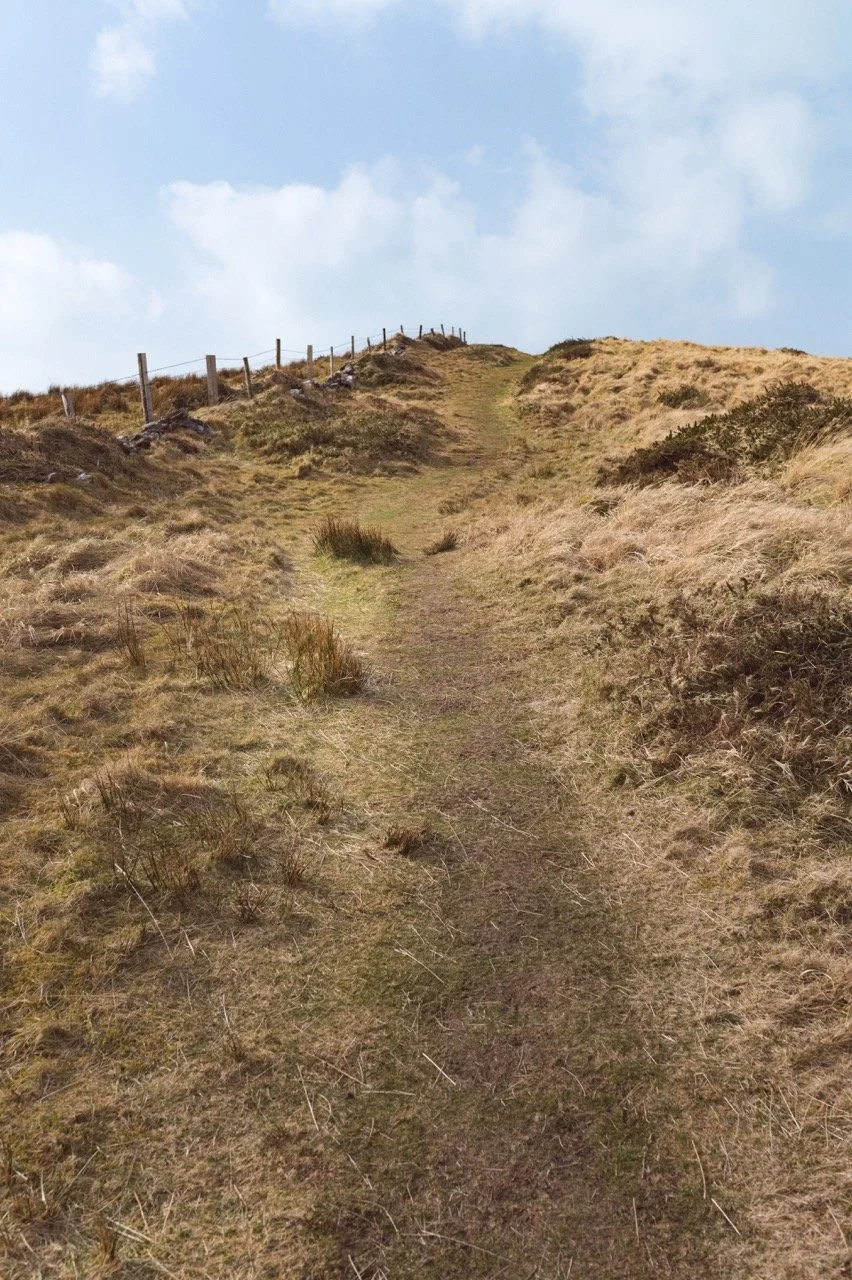
These photographs are from County Kerry, Ireland.
I was trying to give myself permission at the residency to play, explore and photograph things that spoke to me, even if they were not part of a story or project. This was at the top of a hill over the sea cliffs and I was playing around with the fence and the path leading up, just trying to feel.
A lot of spirituality is a feeling. It's not necessarily a cognitive thing that makes sense in any logical way. It's more about emotion. And seeing that path and not knowing quite where it went, but up to the light felt spiritual.
— Julianne Gauron
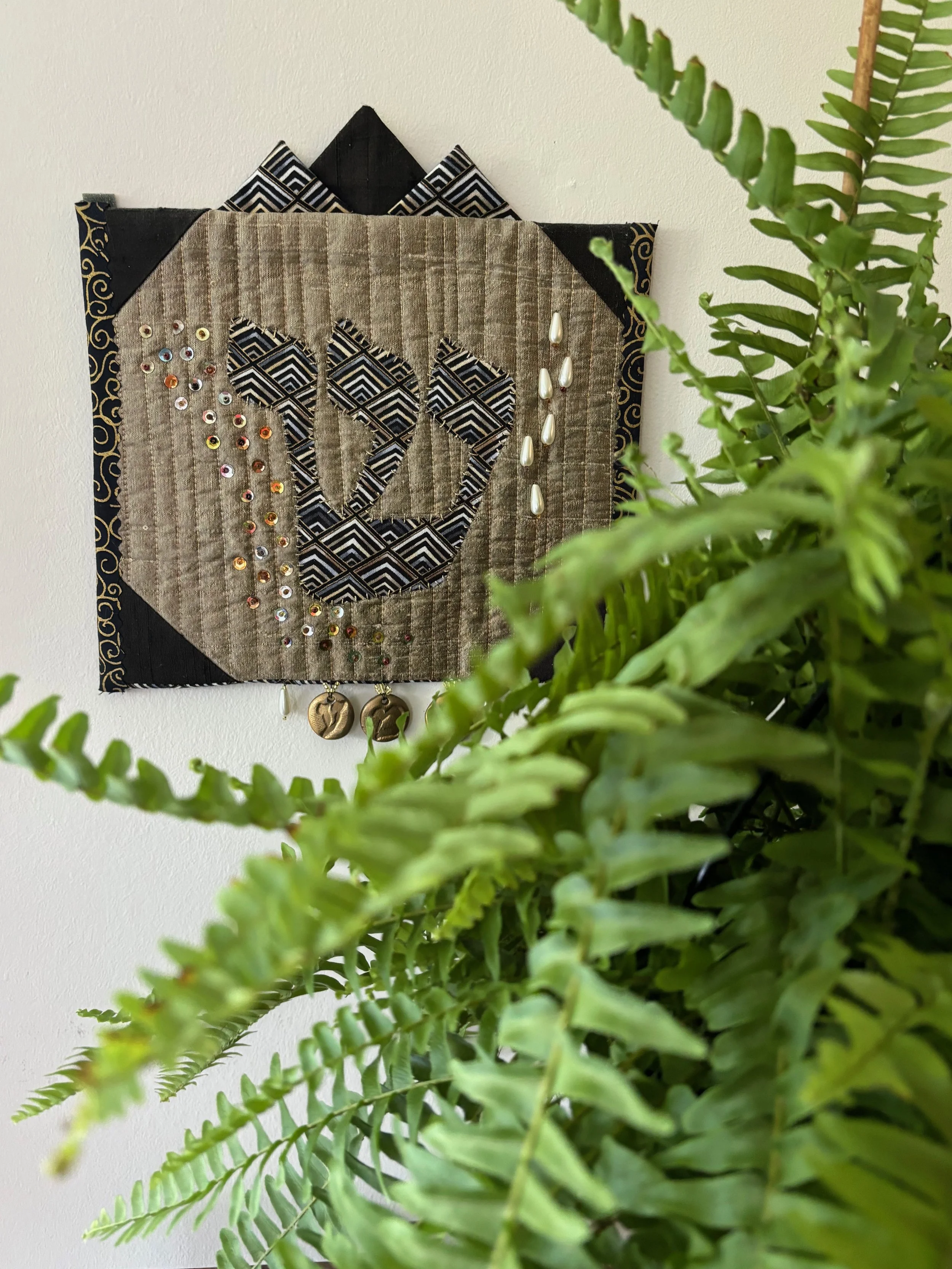
Shema: a Jewish prayer that is a central affirmation to Judaism. This prayer is the centerpiece of morning and evening Jewish prayer services.
— Rachel Gucwa
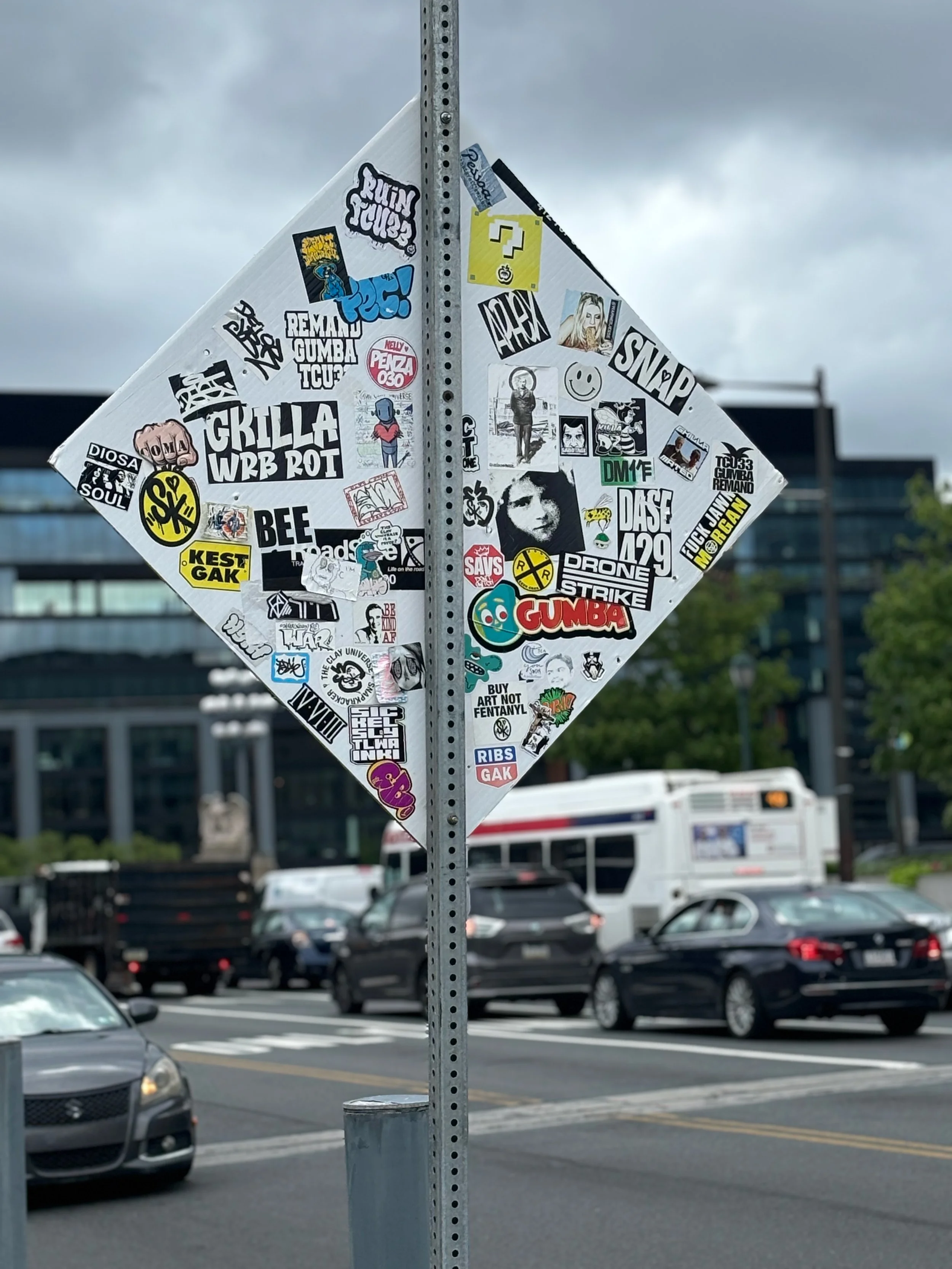
This image in the center of the street sign looks like Anne Frank, a young Jewish-German girl who died at the Bergen-Belsen concentration camp in 1945. However, it is a just an image from a German postcard and some unrelated propaganda. It would be interesting messaging to use a picture of Anne Frank or other well-known images of people died unjustly in this street art kind of style. — Rachel Gucwa
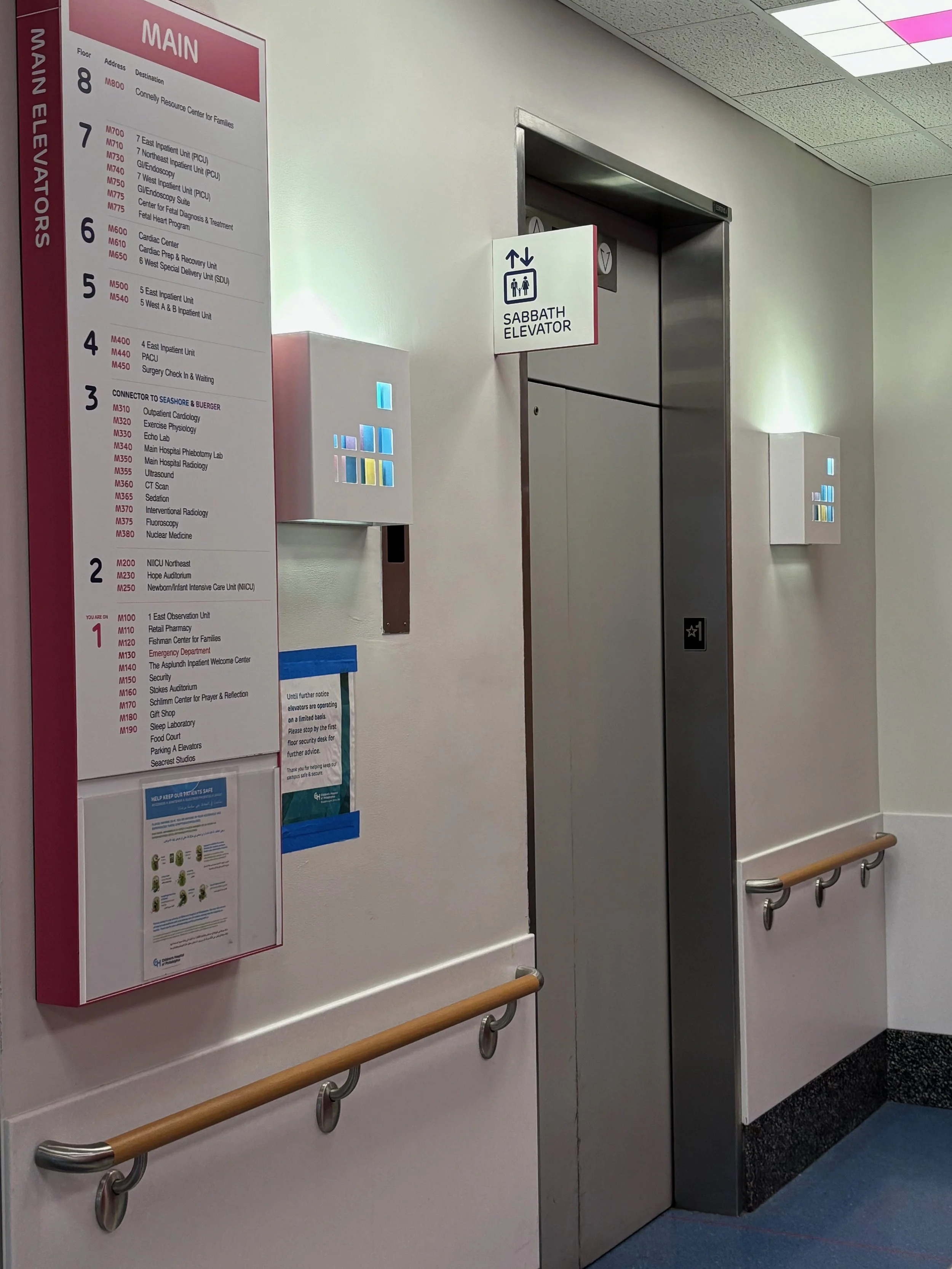
Shabbat elevator: an elevator that stops on every floor during the Jewish Sabbath and holidays, allowing people to use the elevator without pressing any buttons, which would be considered work.
— Rachel Gucwa
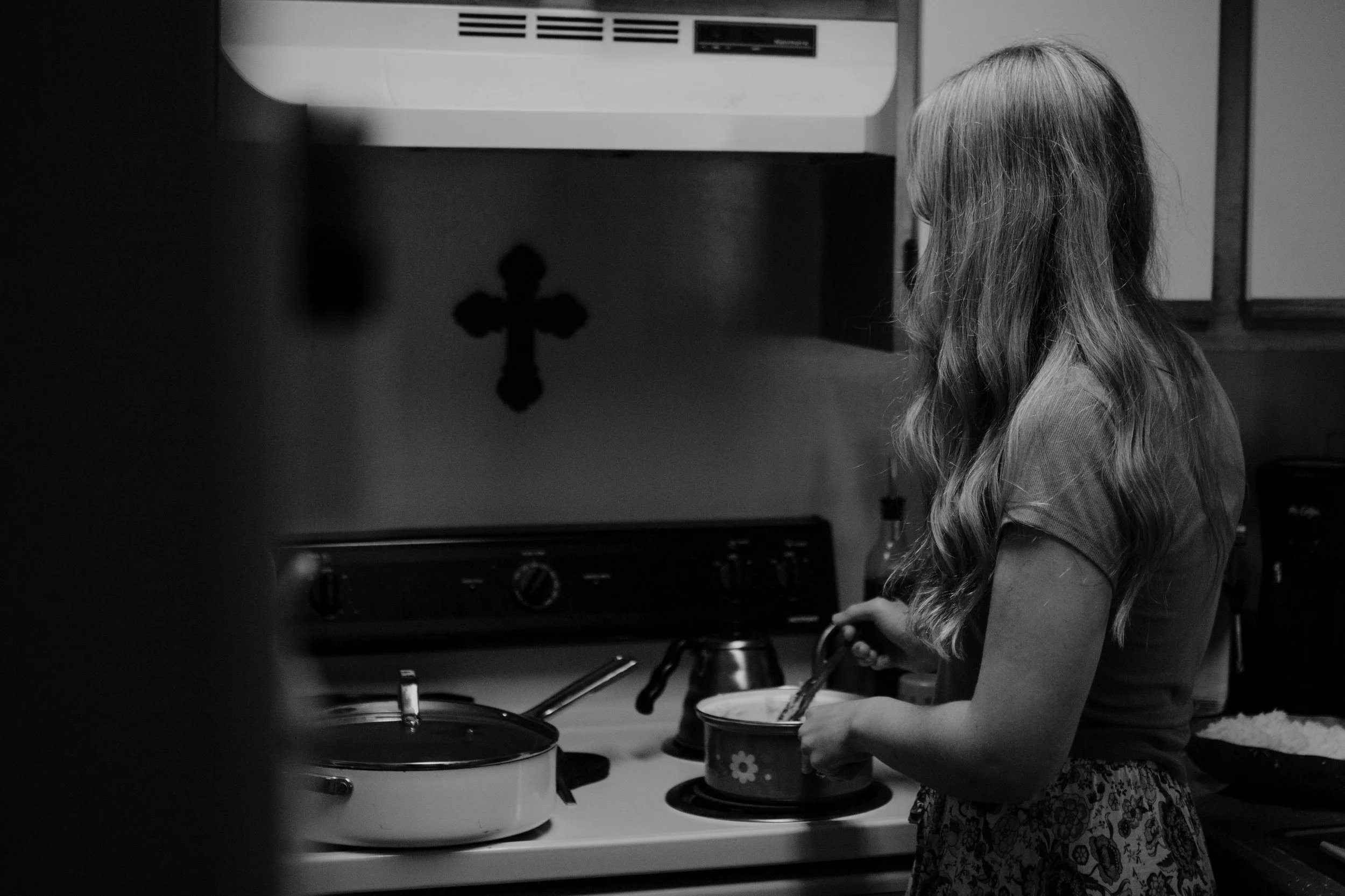
Tessa was making some rice and they have this cross on their wall.
— Joanna Schaus
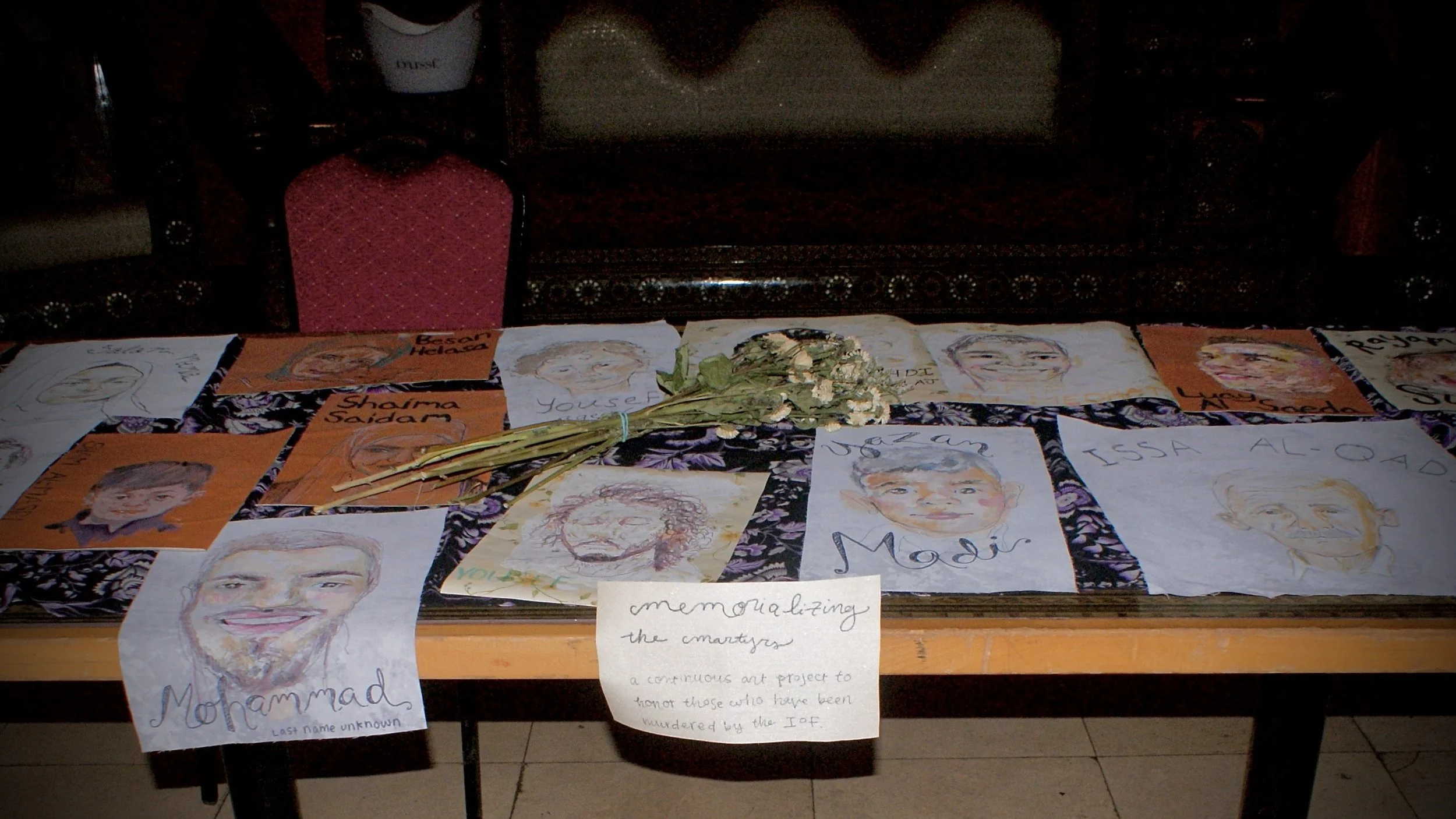
This was from a fundraising event, Stand with Gaza. Me and my friend, we have been memorializing the martyrs who have been killed in the genocide in Gaza. We've been painting the portraits of martyrs, the Palestinian martyrs, and we held a memorial service for them there. We simply wanted to honor them as much as we could.
— Fatima Zaid
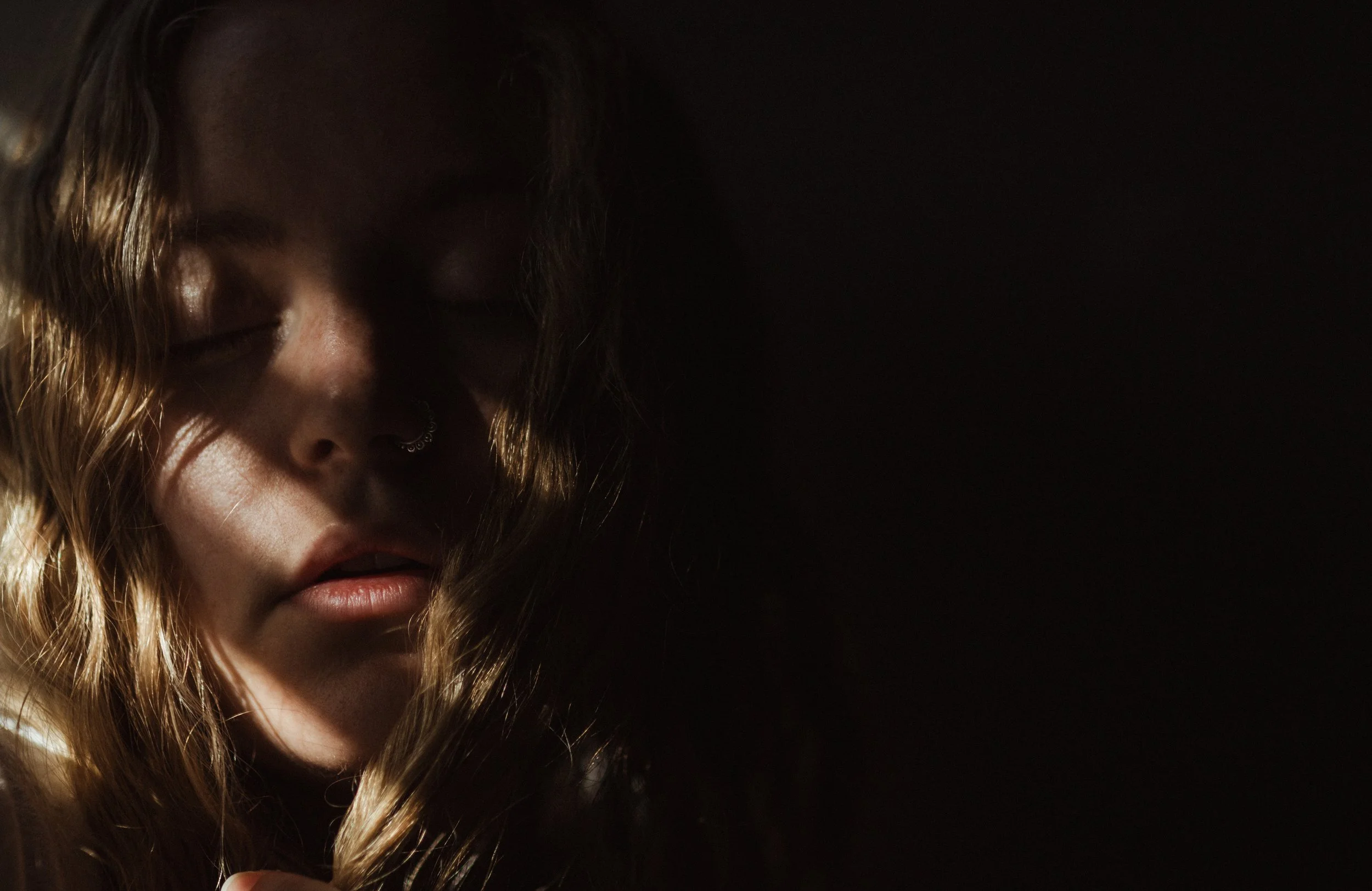
I really wanted to document this idea of light and dark. I think that's kind of been the theme in my own faith story of just searching for the light. And I wasn't even planning on taking these pictures at the top of these self-portraits, but I went into my room and the light was just coming in really beautifully. And so I kind of captured this idea of prayer and what prayer means to me as a Christian. I think it's a lot of solitude for me. And so I set up this self portrait of just me kind of in the space of solitude and prayer. — Joanna Schaus
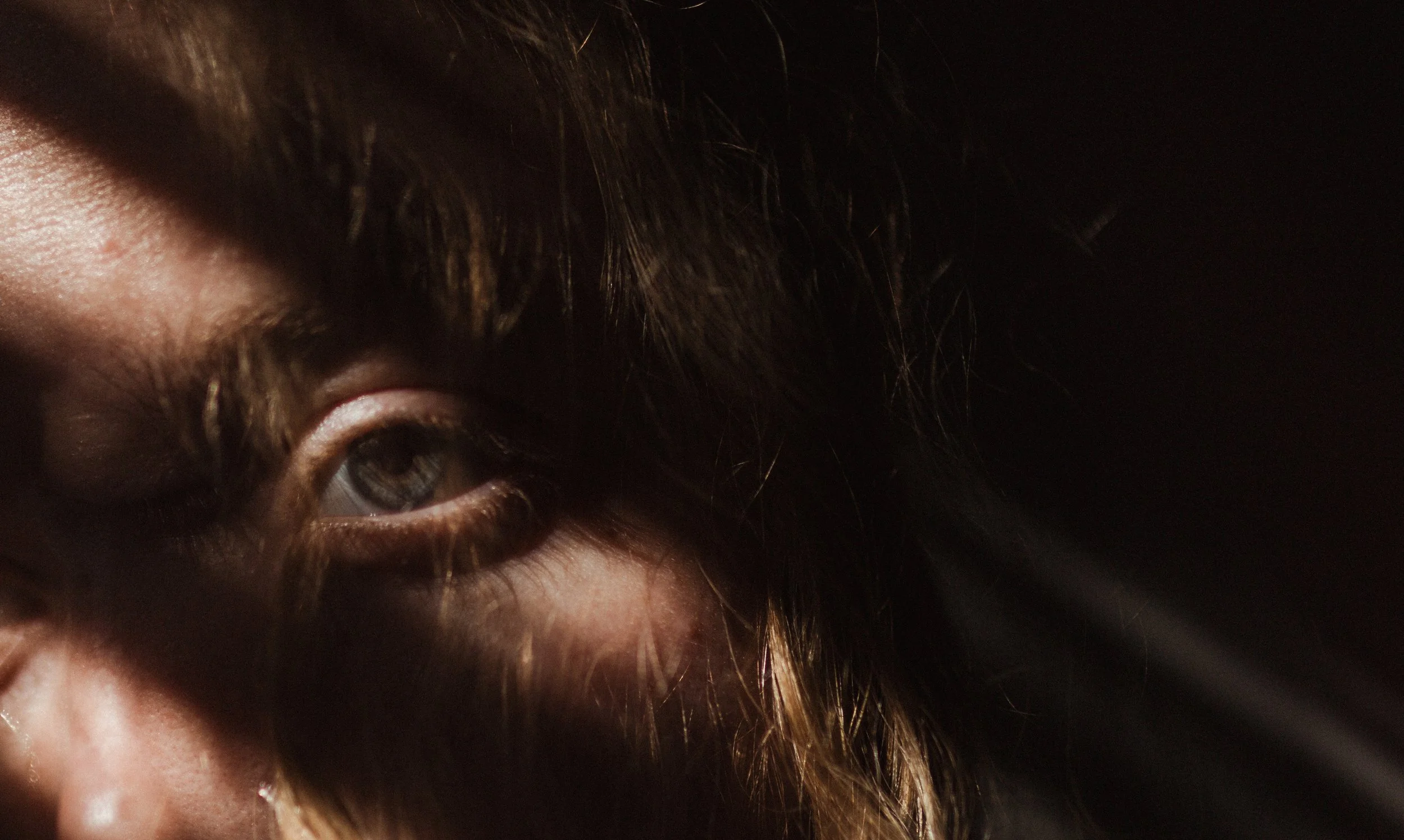
I photographed my eye because I feel like I see God so much in other people and I just see him in the everyday instances, in the little instances. And so sight is just a huge way that I experienced God as a very visual person.
— Joanna Schaus
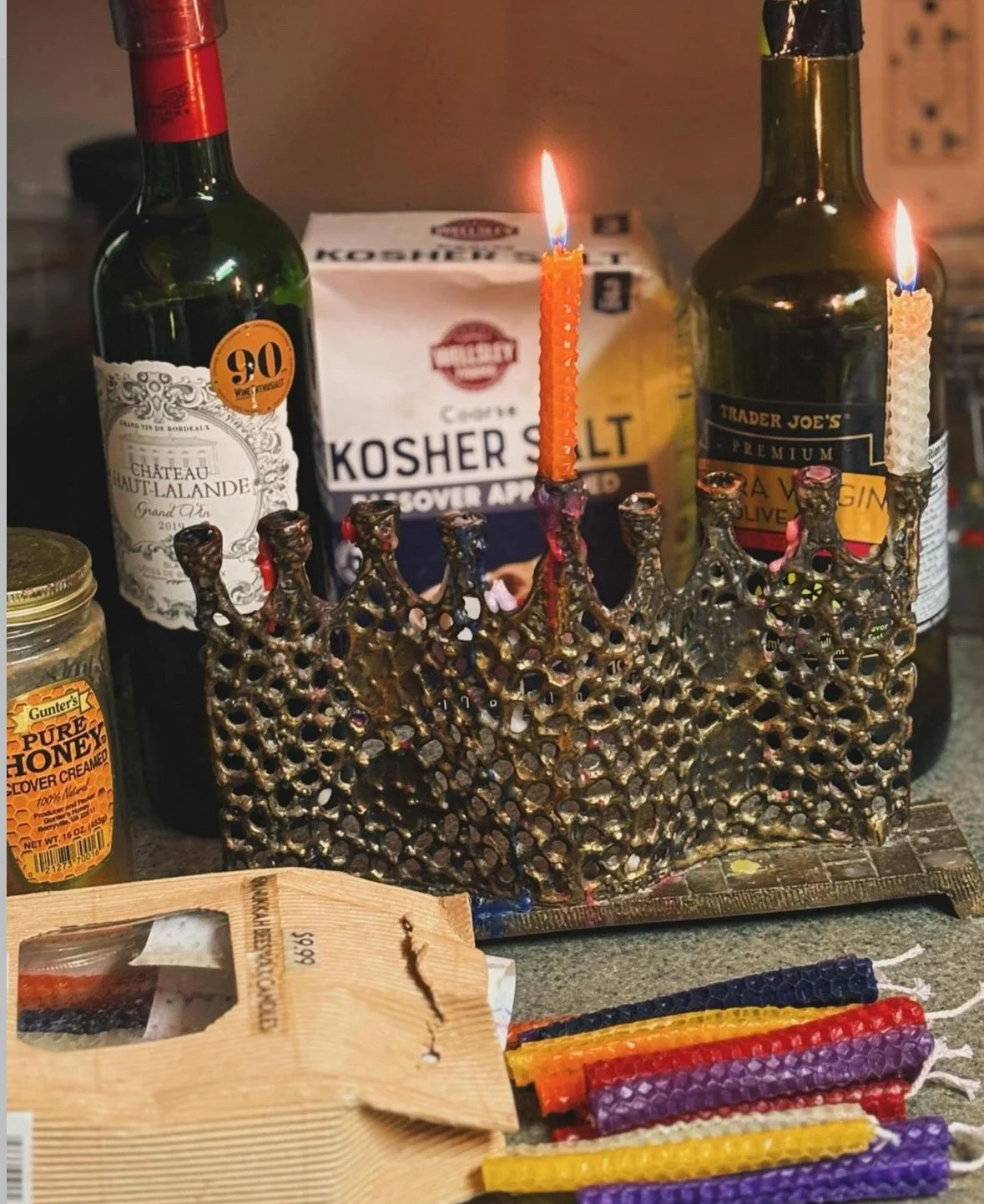
Let us find light in the darkness
Let us be the light in the darkness
Share your light like a candle
Growing brighter with each share
— Rachel Gucwa
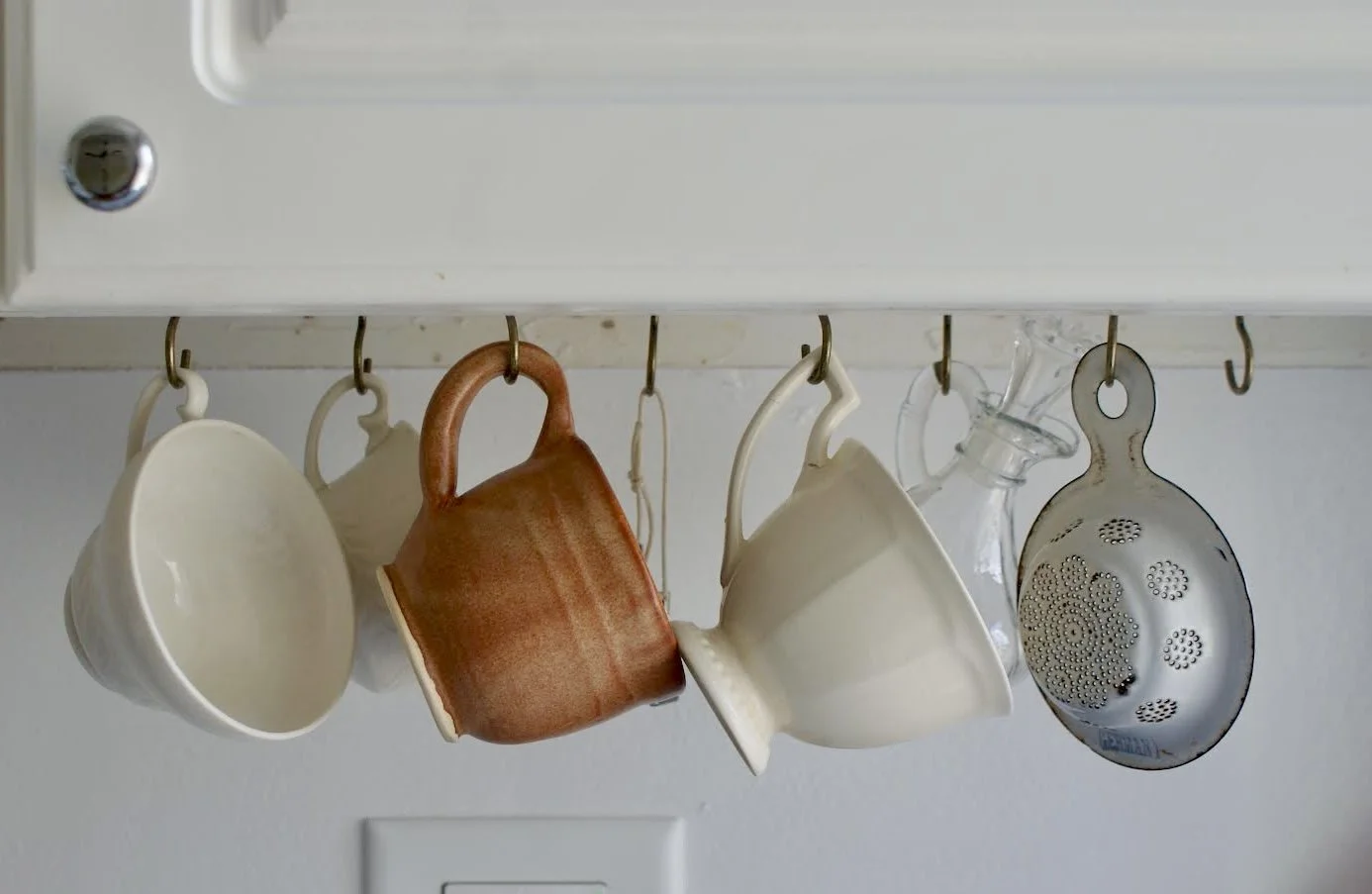
I love chai and I can’t get enough of it. Having little moments and things to appreciate each day really keep my spirituality alive. I am so grateful for times where I can connect with people over chai, or make a family member a cup of tea after a long day. All of these are acts of worship in their own right. (Also, metaphorically speaking, perhaps I am a brown teacup in the midst of many white teacups.)
— Fatima Zaid
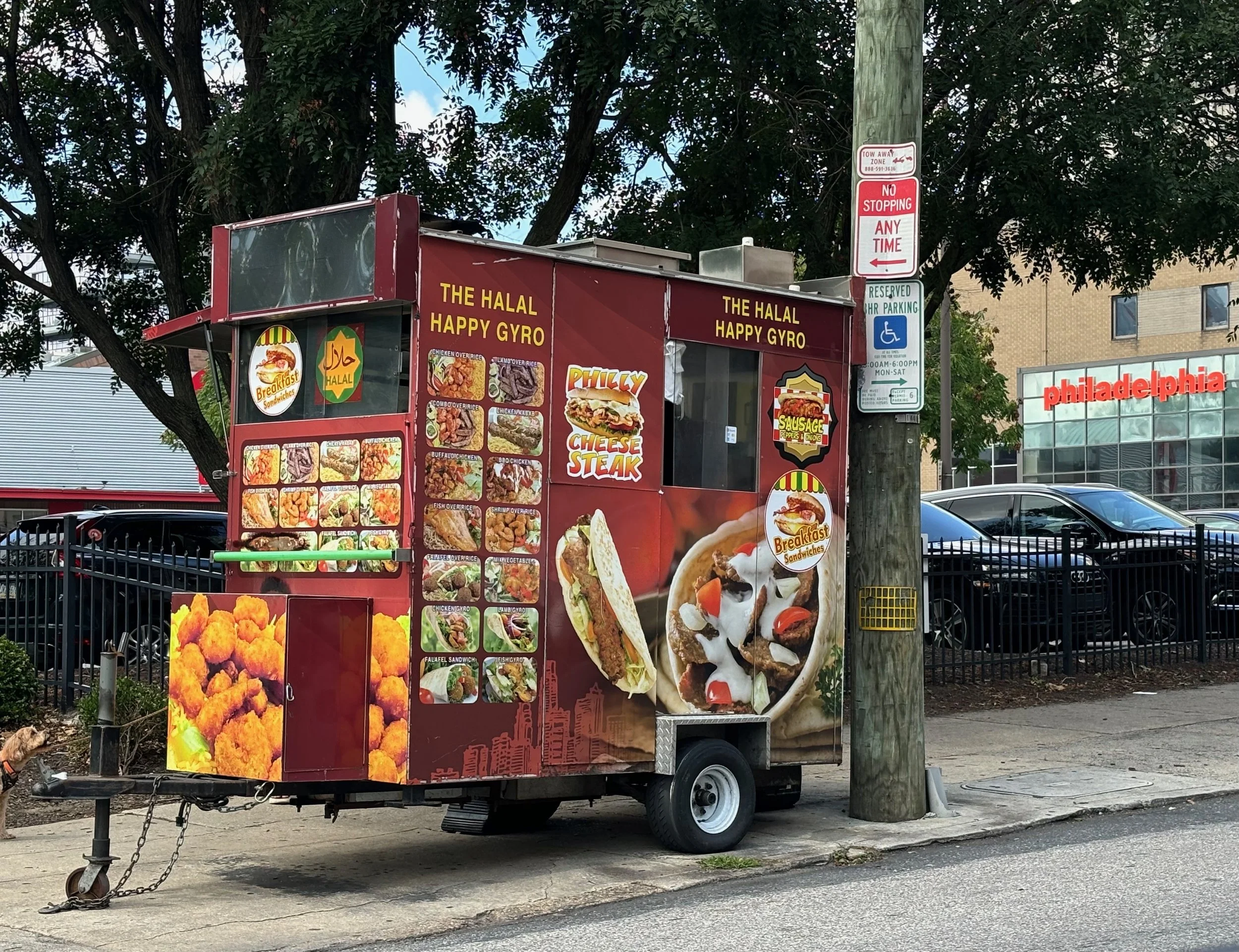
Halal and Kosher
Different faith laws, yet both urge
Compassionate care
— Rachel Gucwa
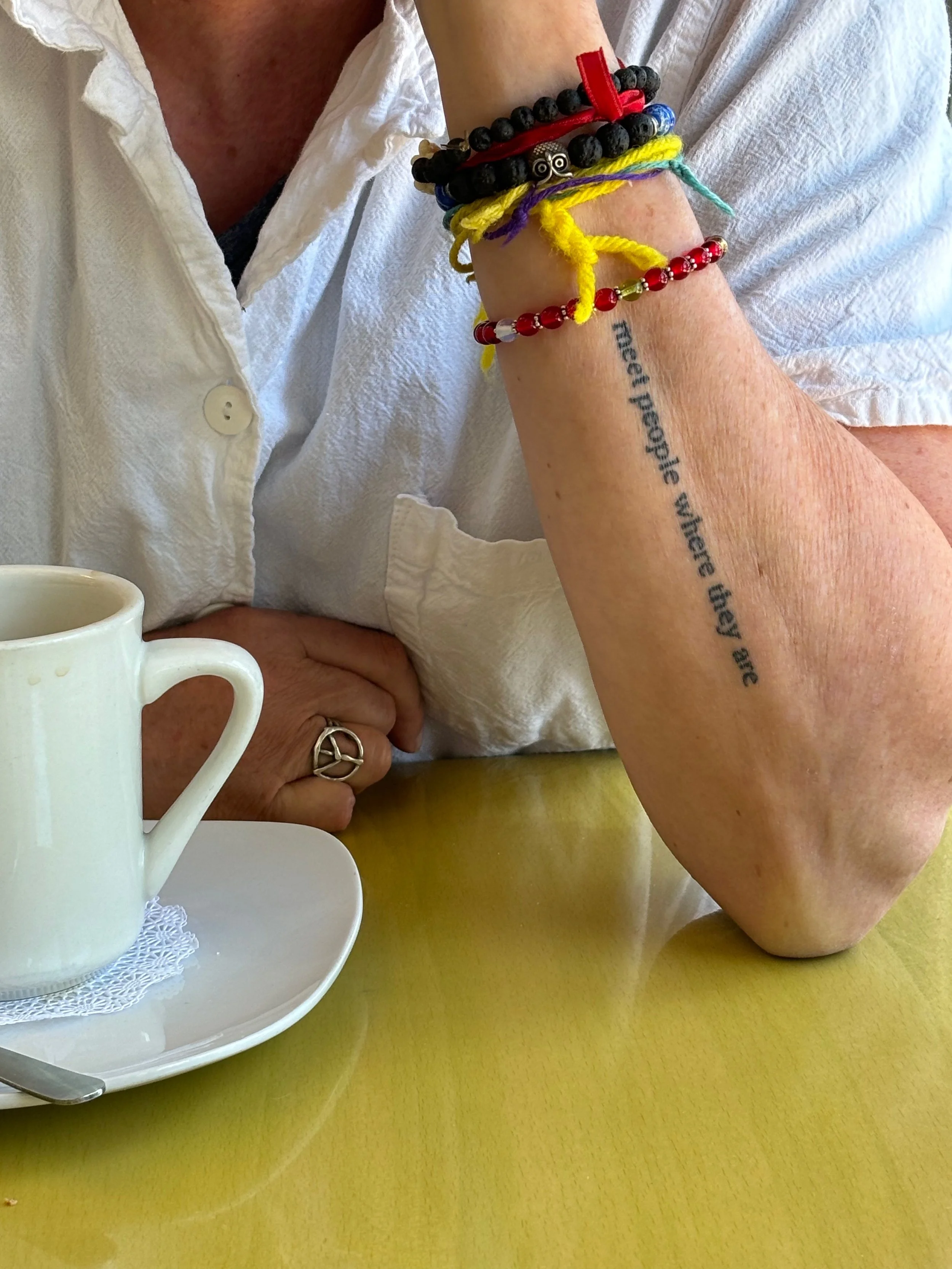
This one is my friend's arm, which I love that message, but she's wearing a red string, like a cabal string, and it's like it's a protection string and her peace ring and whatever.
Red string: Jewish folk custom meant to protect people from harmful forces or the evil eye.
— Rachel Gucwa
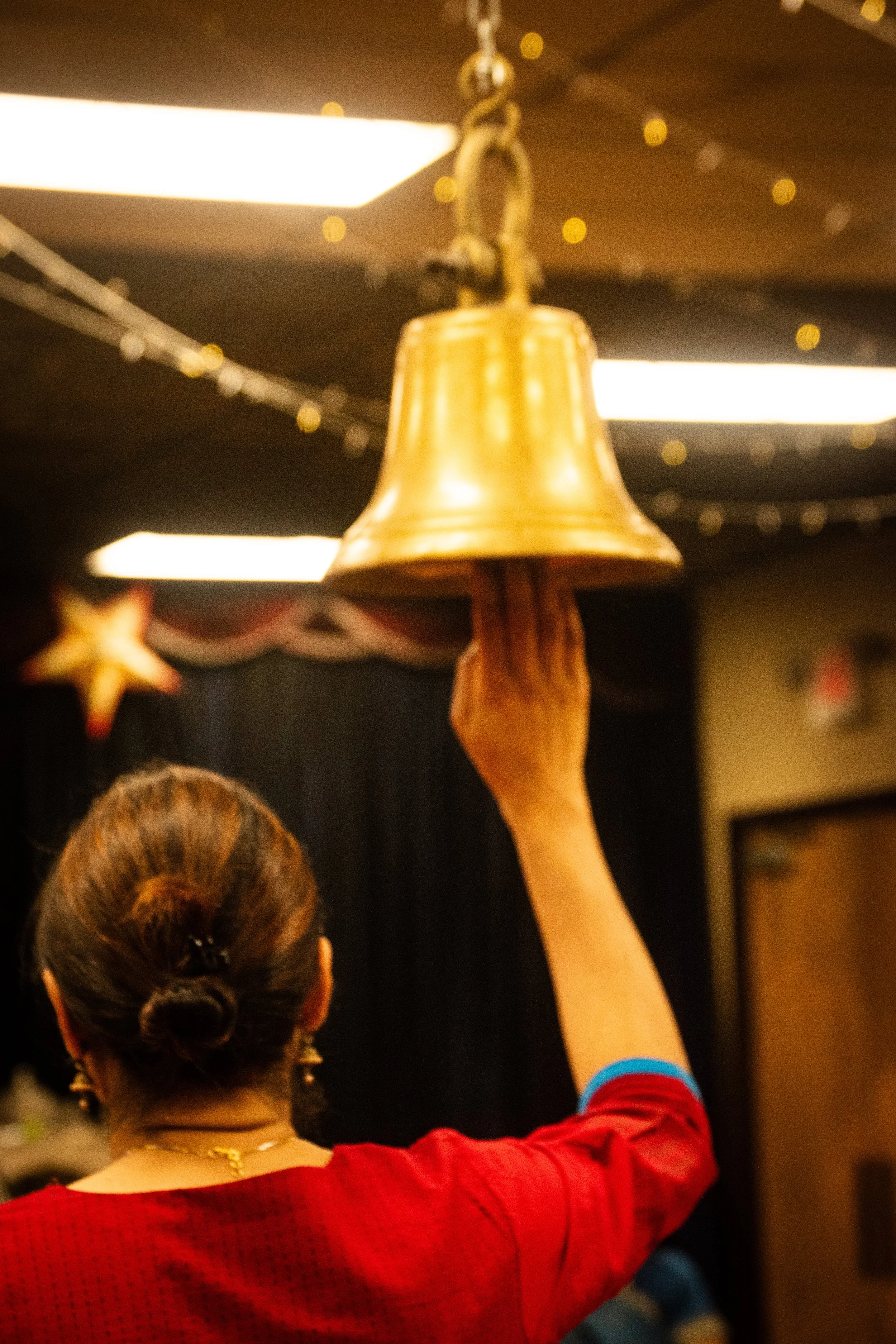
This image represents the significance of the bells in the Temples, especially in Hinduism. Bell is believed to be the spiritual holy seat, the spiritual place, the seat of the holy deities. Also when you ring the bell it vibrates the Om sound. Hence when it says Om, the sound brings a lot of positive vibrations around the ambience. It is also believed to align your chakras, and reflect a meditation feeling. It thus brings a lot of high energy in oneself and the people around you. The body of the bell is a belief to be symbolic of the infinity, which is the God itself. So this is how it is all connected. When we go to any Hindu temple, the first thing we do is we ring the temple bell. It brings a pure loud sound, a lot of high energy and high vibrations to oneself and the atmosphere.
— Sumeet Mehta
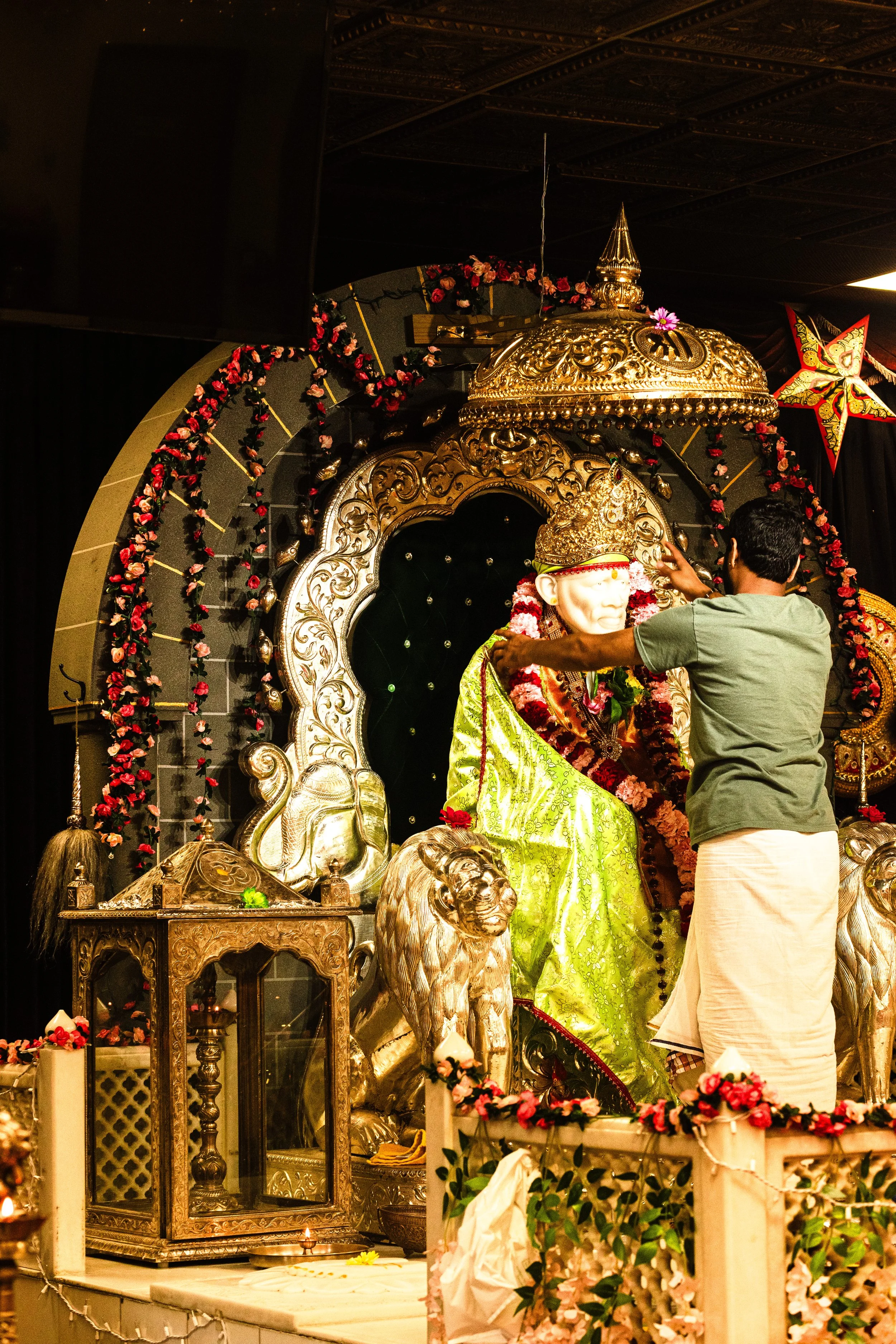
This is the story in itself, where the priest puts the garland on to the God, known as ‘Sai Baba’. This ritual they do every day, every morning and evening for Arti. This is a ritual to groom the God, keeping it more lively, the itar (perfume), the smell and their presence. So I have a friend of mine who buys the fresh flowers and then they make the garland at home according to the size of the Statue. These are very huge statues. They along with other devoted families offer their time and respect to the Sai baba temple by beading the garland and bringing it to the temple on every Thursday and Saturday consistently be it a snowstorm or a heavy rainfall apart from the closings.
— Sumeet Mehta
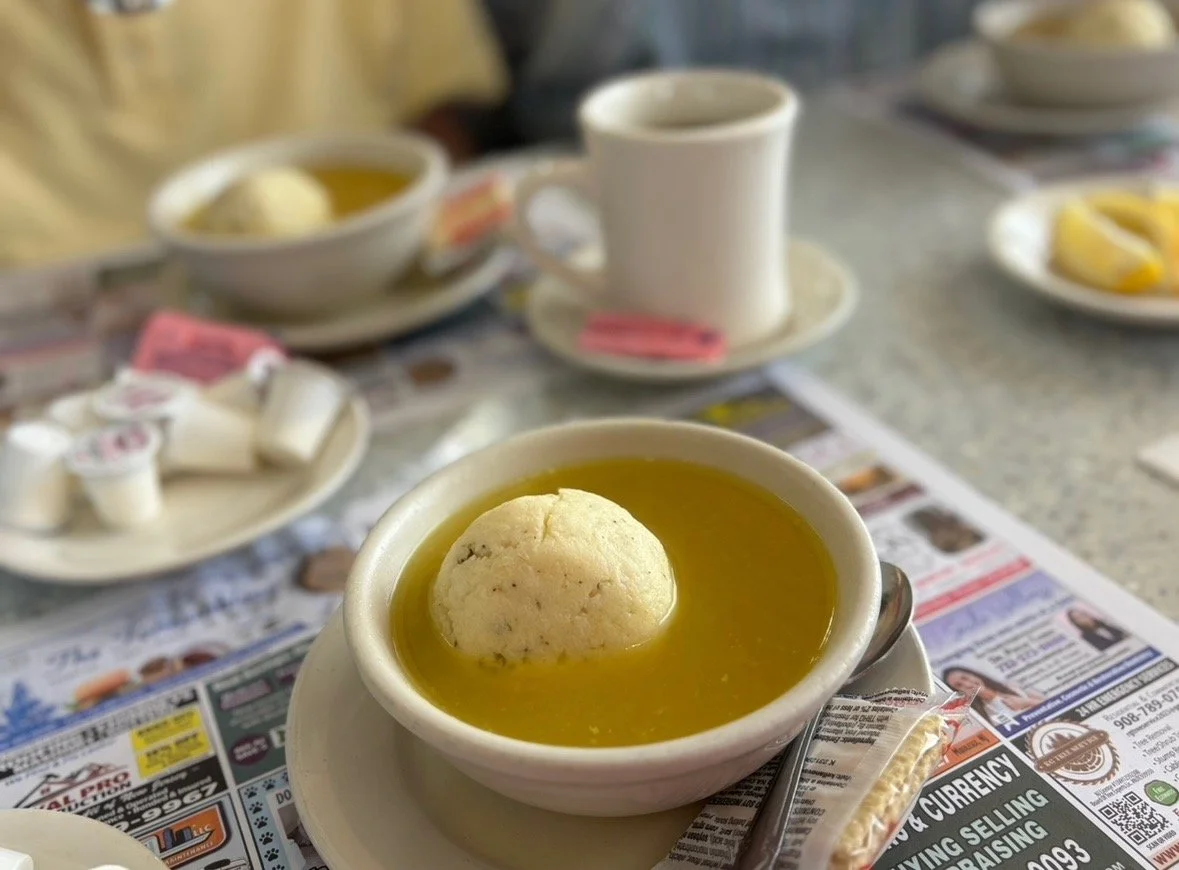
Diners make Jewish food
mainstream;
Blintzes, latkes, and
Matzah ball soup
— Rachel Gucwa
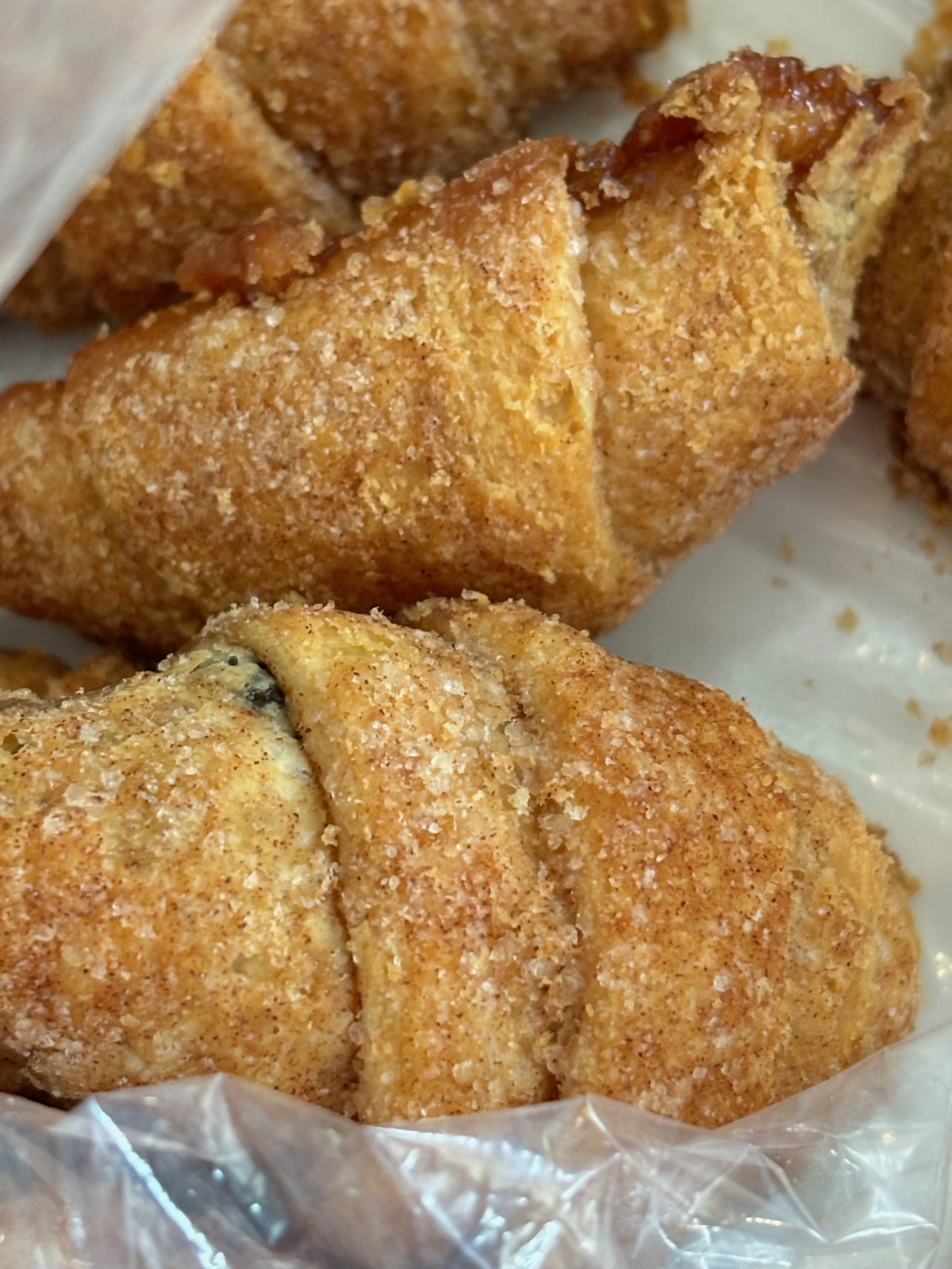
Rugelach: traditional Jewish cookie
— Rachel Gucwa
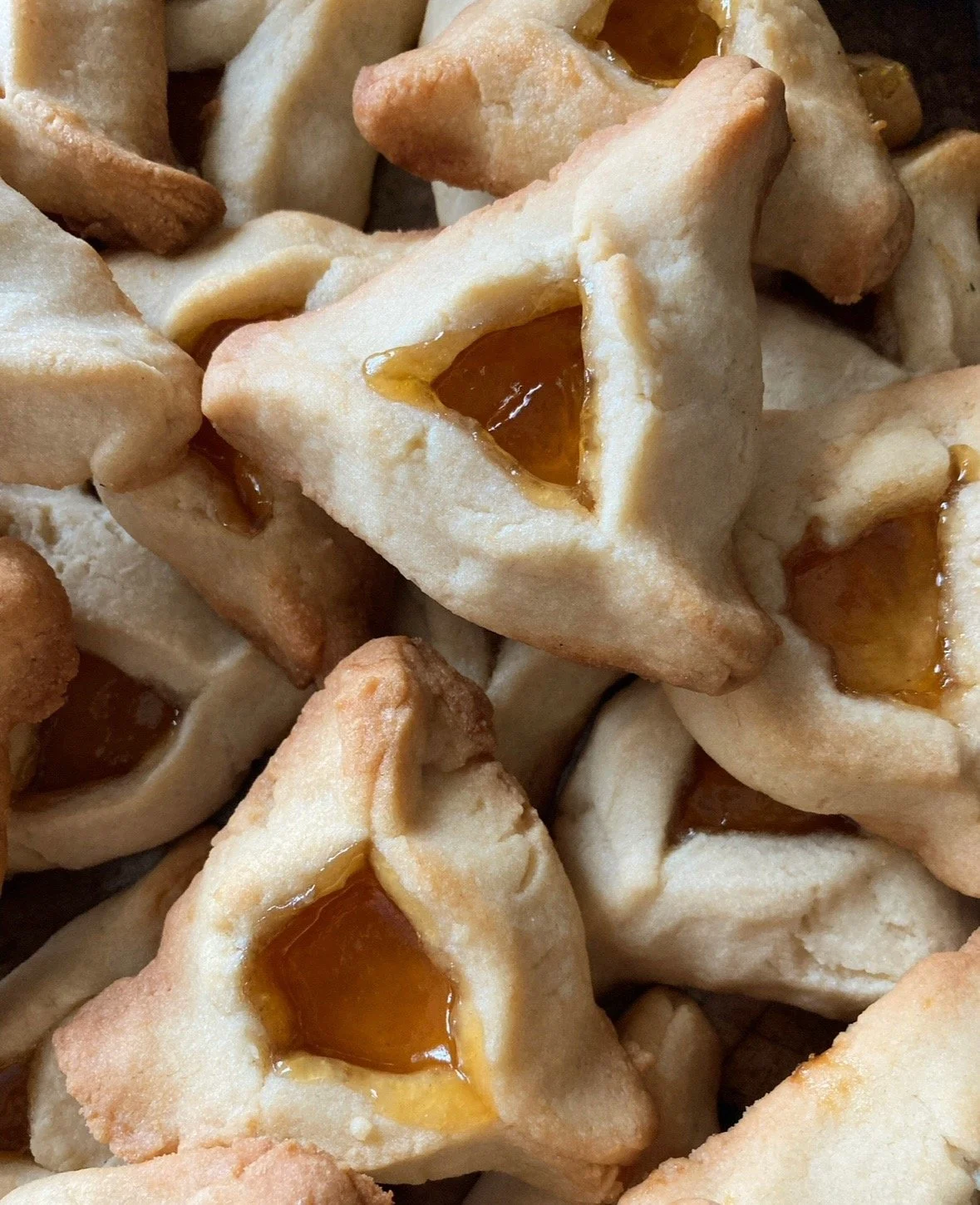
Hamantaschen: pastries made for the Jewish holiday Purim that symbolize the defeated enemy of the Jewish people.
— Rachel Gucwa
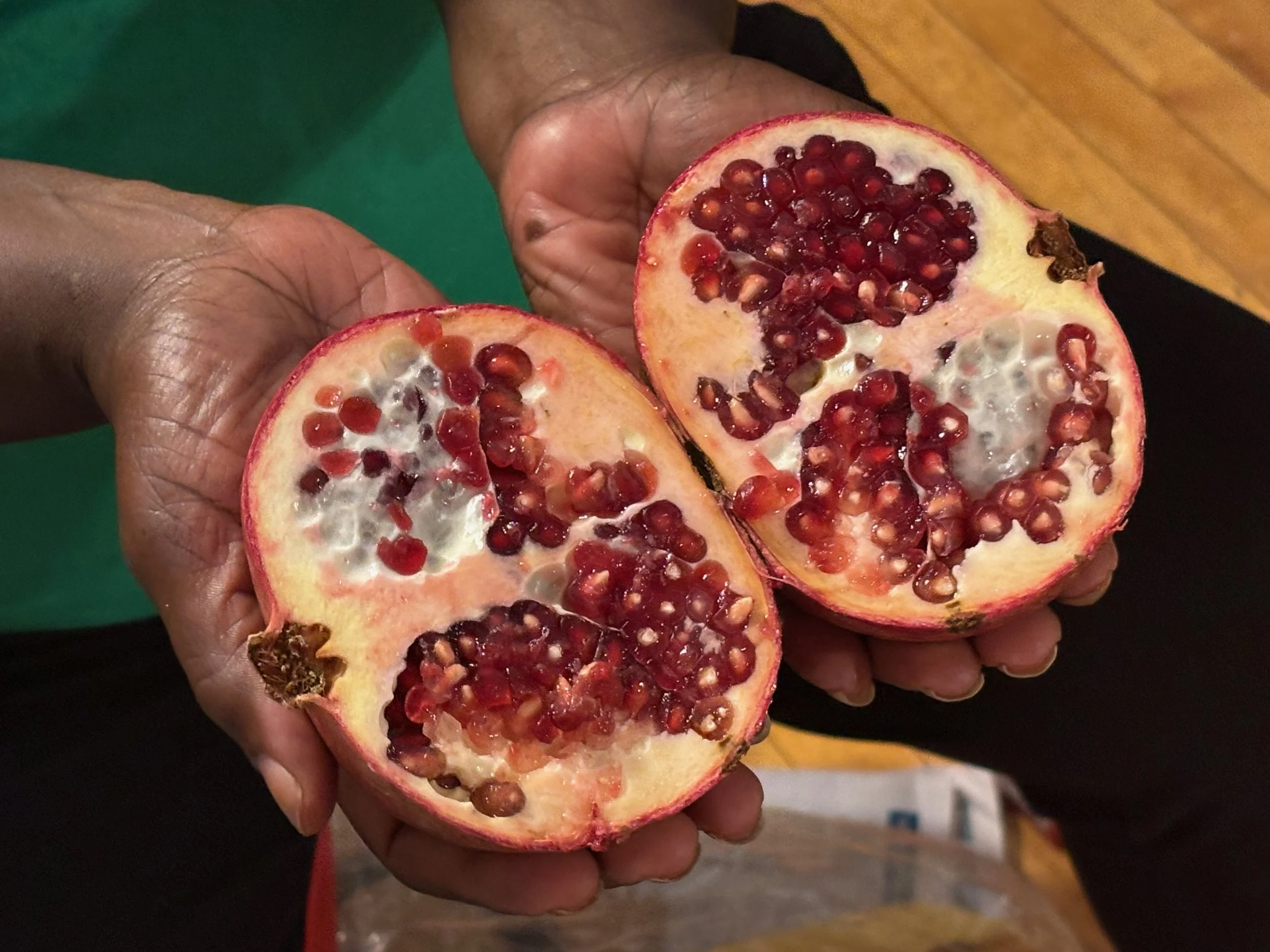
In Judaism, pomegranates are a symbol of fertility, abundance, sanctity, righteousness, knowledge, and wisdom. It is believed that pomegranates have 613 seeds which corresponds to the 613 commandments in the Torah (The Jewish Holy Book).
— Rachel Gucwa
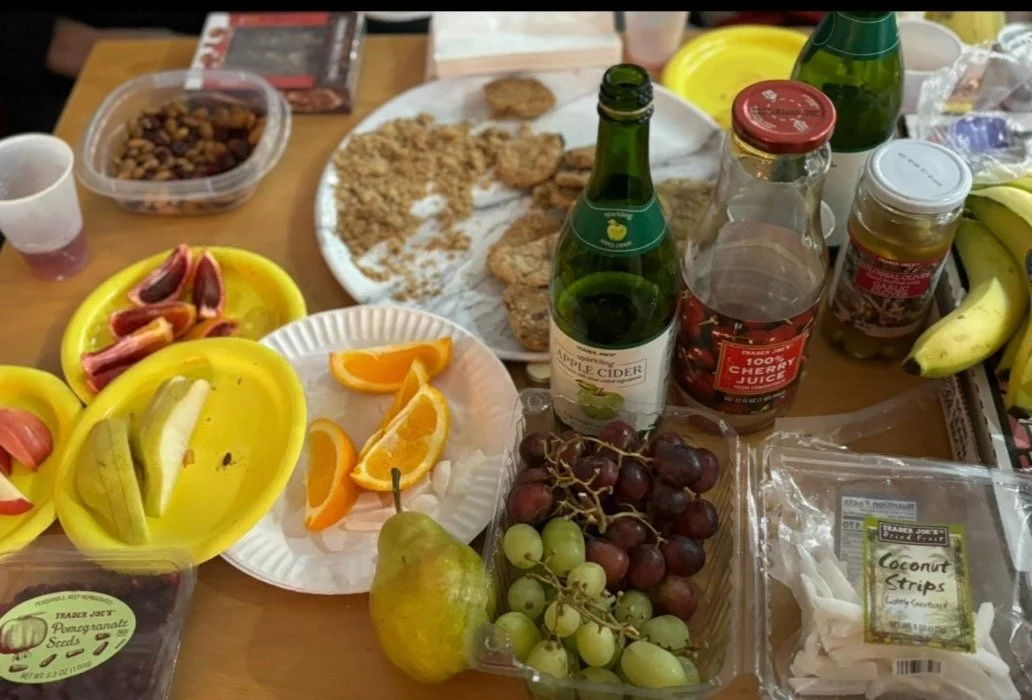
Remnants of Tub ’Shevat Seder, where we celebrate the birthday of trees with assorted fruits and the discussion of the relationship between people and nature.
— Rachel Gucwa
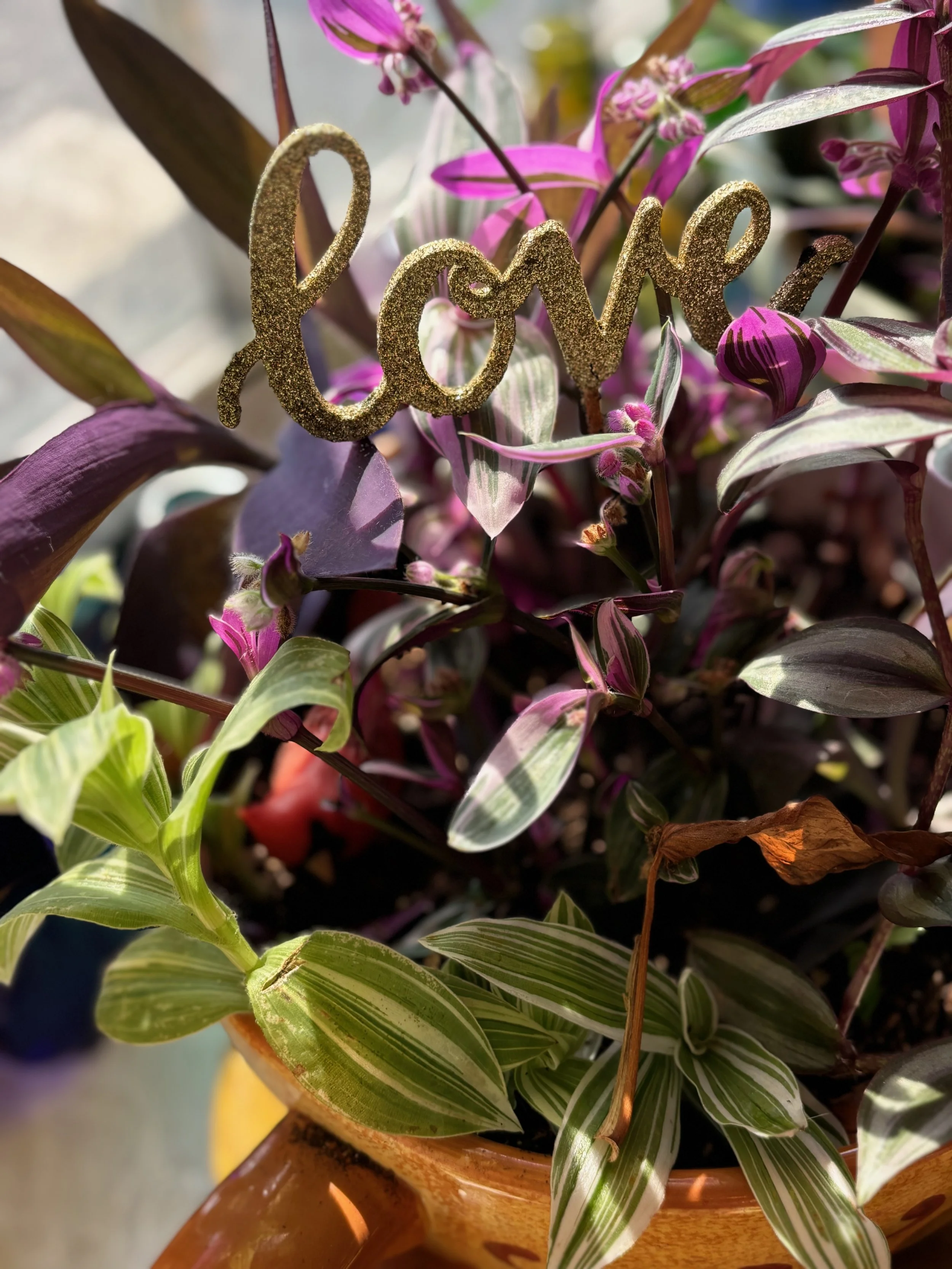
This is love picture with the plants. I think they have changed the name somewhat, but there's four different kinds of “Wandering Jew” plants in there and I really wanted the image to. Jewish people come in lots of colors and there's a lot of diversity within the group, so the fact that these are all called wandering Jews, but they're all different I think is important.
— Rachel Gucwa
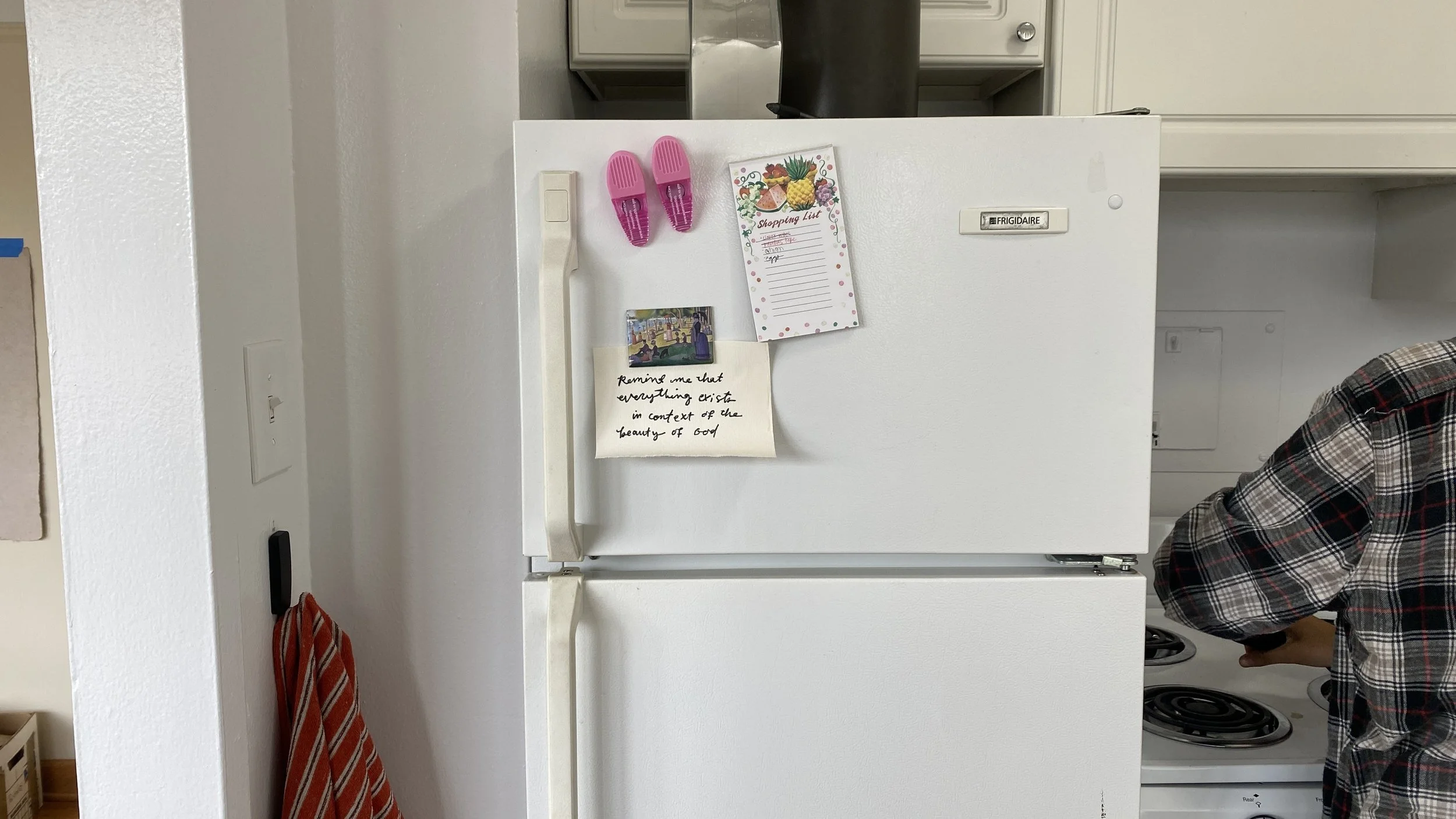
That is my friend's apartment, and she had this written on her fridge; “remind me that everything exists in the context of the beauty of God.” She's such a powerful person in my life and I really respect her. I thought that it was really beautiful that she has something so profound casually placed on her fridge.
— Fatima Zaid
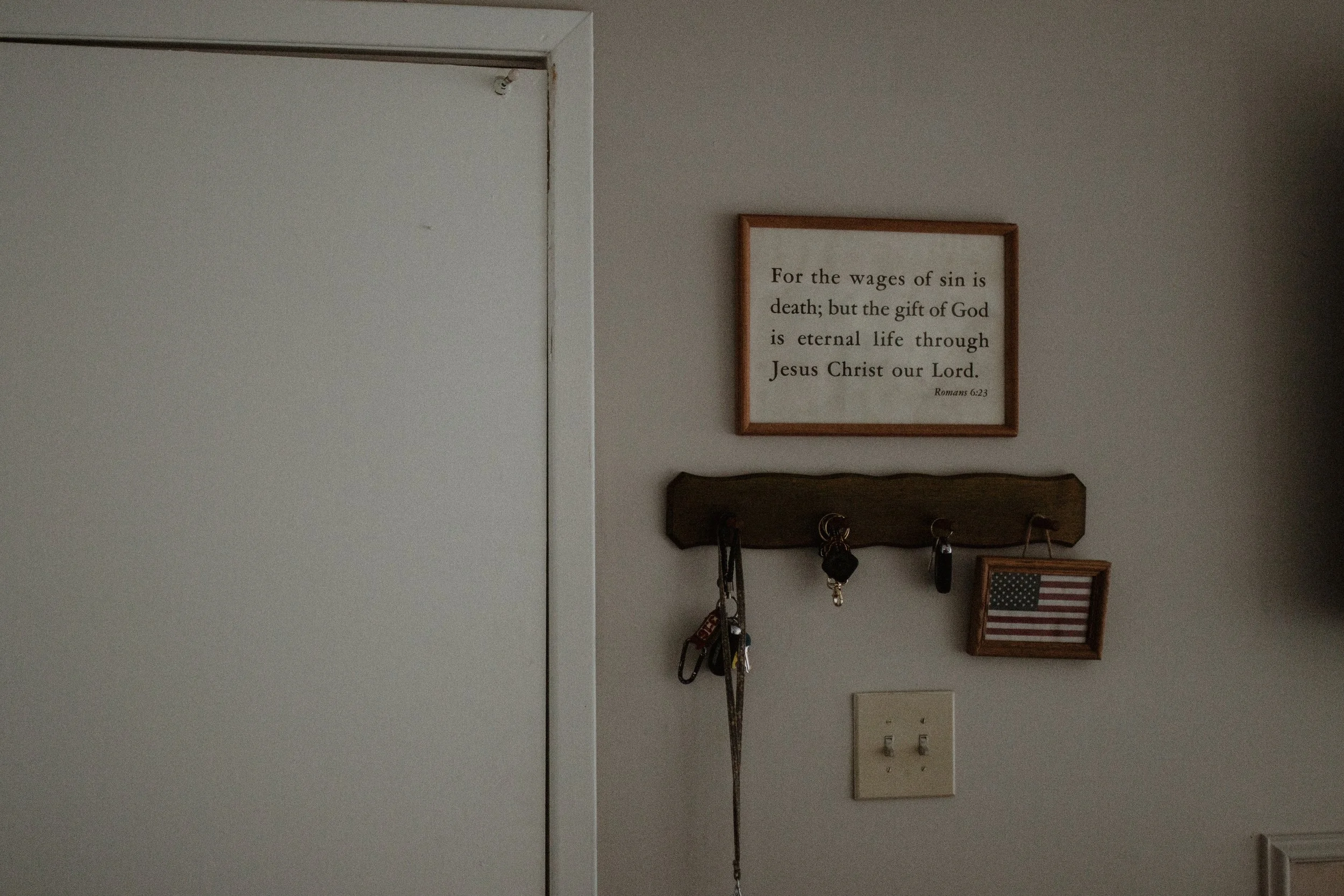
This was a verse that was on their wall: “For the wages of sin is death, but the gift of God is eternal life through Jesus Christ our Lord.” I also think that it kind of ties into that Christian nationalism idea that I just really personally reject. I do think it's interesting though. I think it does tie into that idea of religion. If it's something that other people are going to find offensive, then I don't really want to submit it. I don't want to offend someone or give the impression that I agree with that. But I do think it's interesting. I think these people who I photographed that are in our small group, I don't think that they think about it in that way. And so I know that they didn't intend for it to be interpreted in that way by putting it in their house. But for me it is something that I just would never have next to for that reason. So yeah, I'm not sure if it's something that's going to offend. I definitely don't want to submit it, but it is something I definitely thought about and it was intentional to photograph. And also with it being an election year, it's just something that I'm thinking about all the time and it's just really a very subject.
— Joanna Schaus
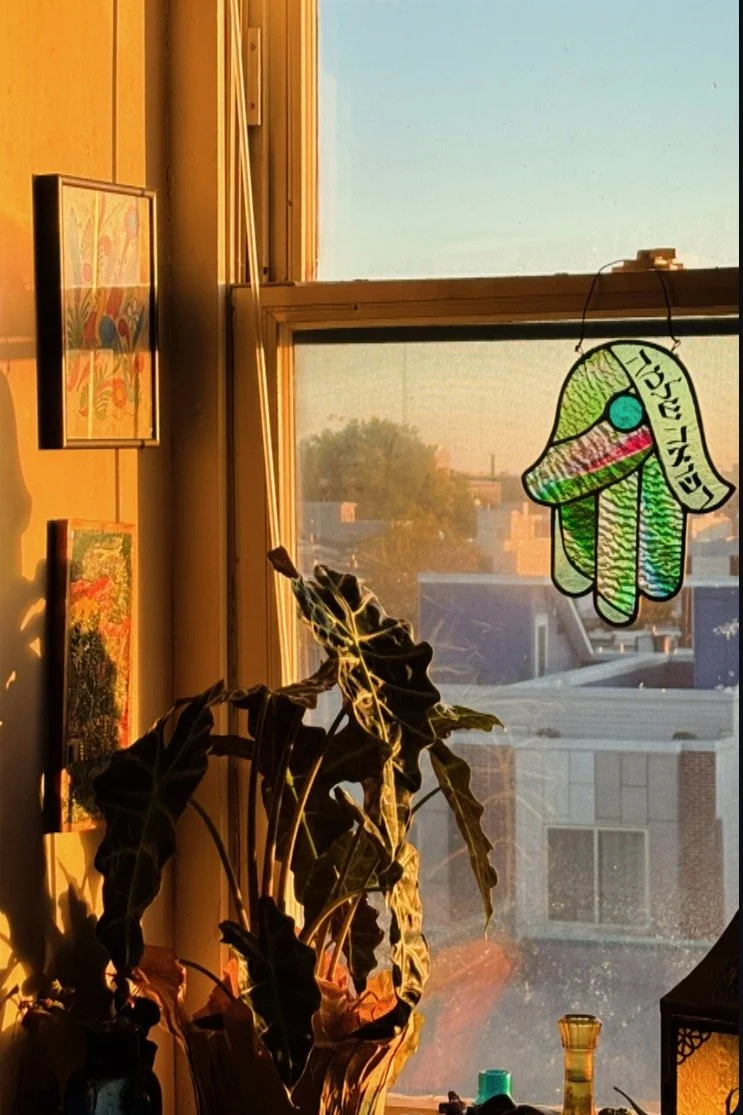
I really like the hand of God imagery and that's just the light coming in.
Hebrew words: prayer for healing and renewal
— Rachel Gucwa
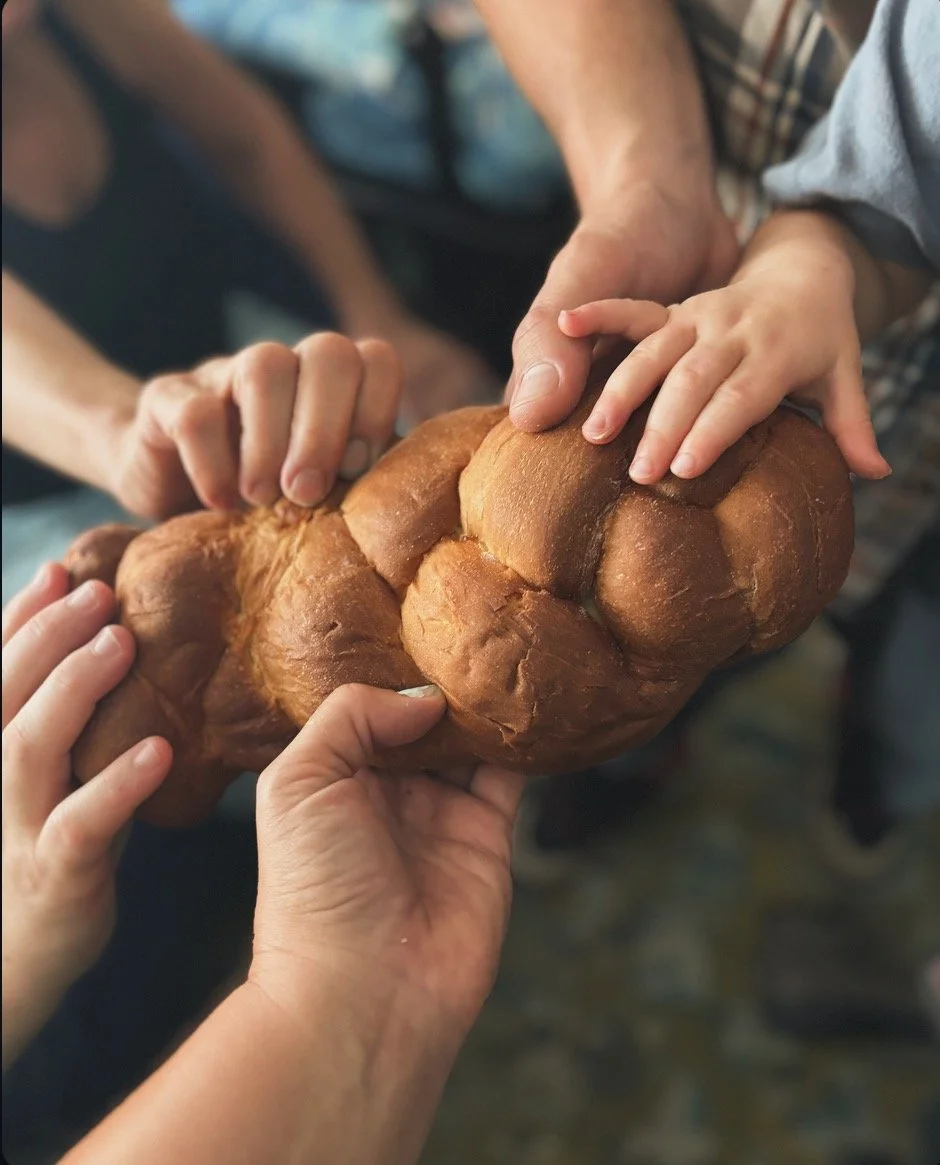
The next picture is a challah bread, and that is the bread you eat on Shabbat. So it's like a special sweet egg bread. And in some traditions you're supposed to touch somebody who's touching the call and it's a way to connect people and build community and connection amongst people.
Challah: sweet, braided bread eaten on Shabbat. It is believed to have many mystical and symbolic meanings.
— Rachel Gucwa
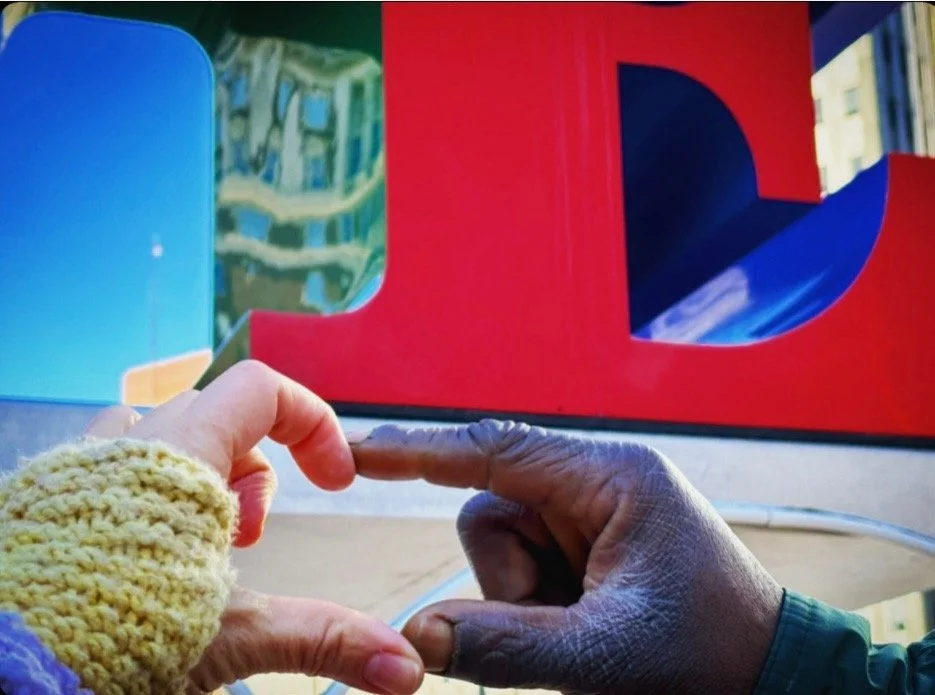
I know love is real because I
exist and love’s the
language, I speak
— Rachel Gucwa
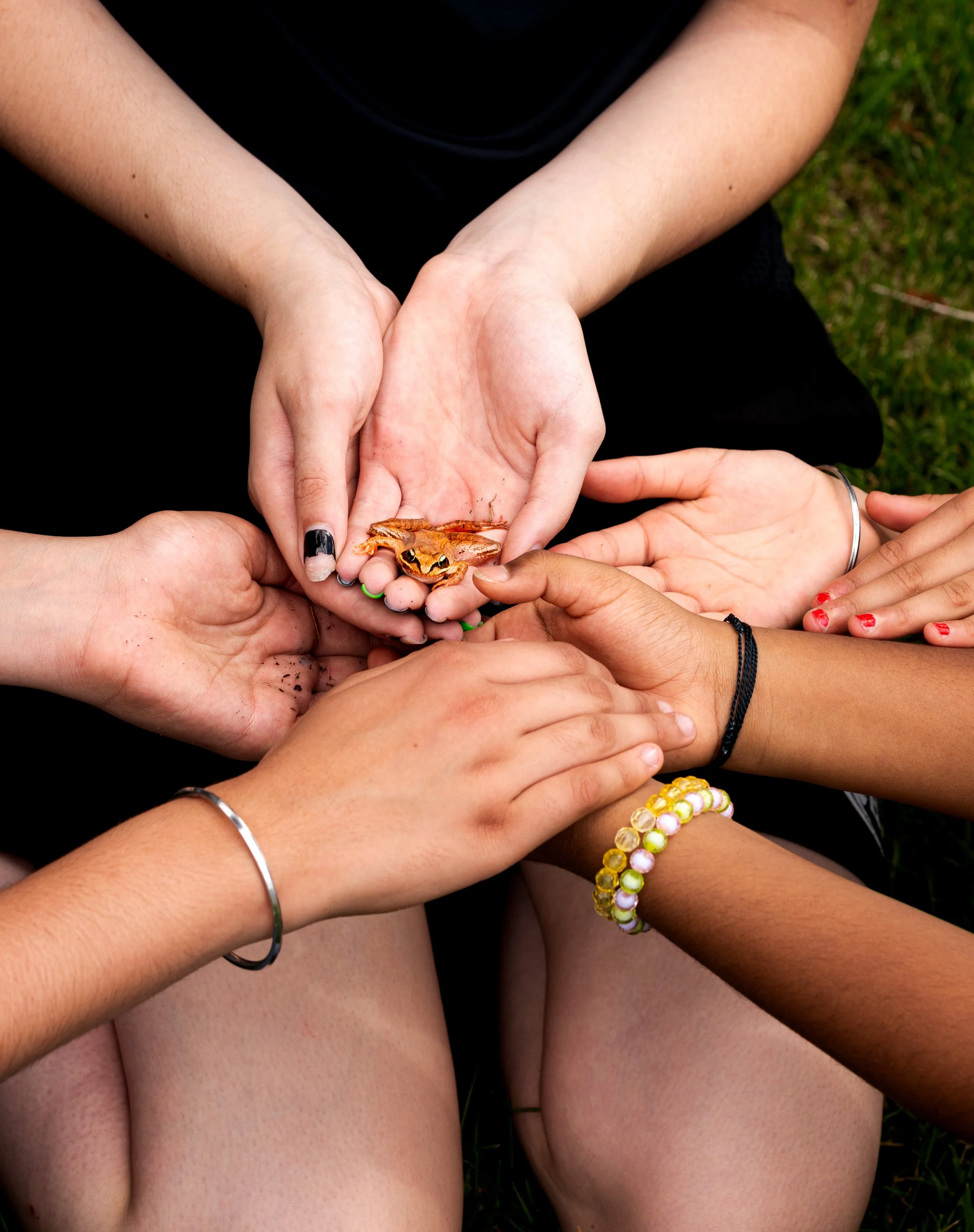
We have a community swimming pool and the maintenance was cleaning the frogs out of the pool. While they were pulling the frogs out, my younger daughter came and she was calling me to take the photo of that frog. By the time I grabbed my camera, I realized these children from my community were trying to save the frog, although it was from the pool out, but then they were taking it near the shower and putting the water on the frog to be alive and survive. My elder daughter who is now twelve Indian American and her friend Zoey who is American and there were other friends from different cultures like from Southern India, Northern India, and the people who are born up here, they were all trying to save the frog with same intention and same hope although born on different lands or in different cultures.
— Sumeet Mehta
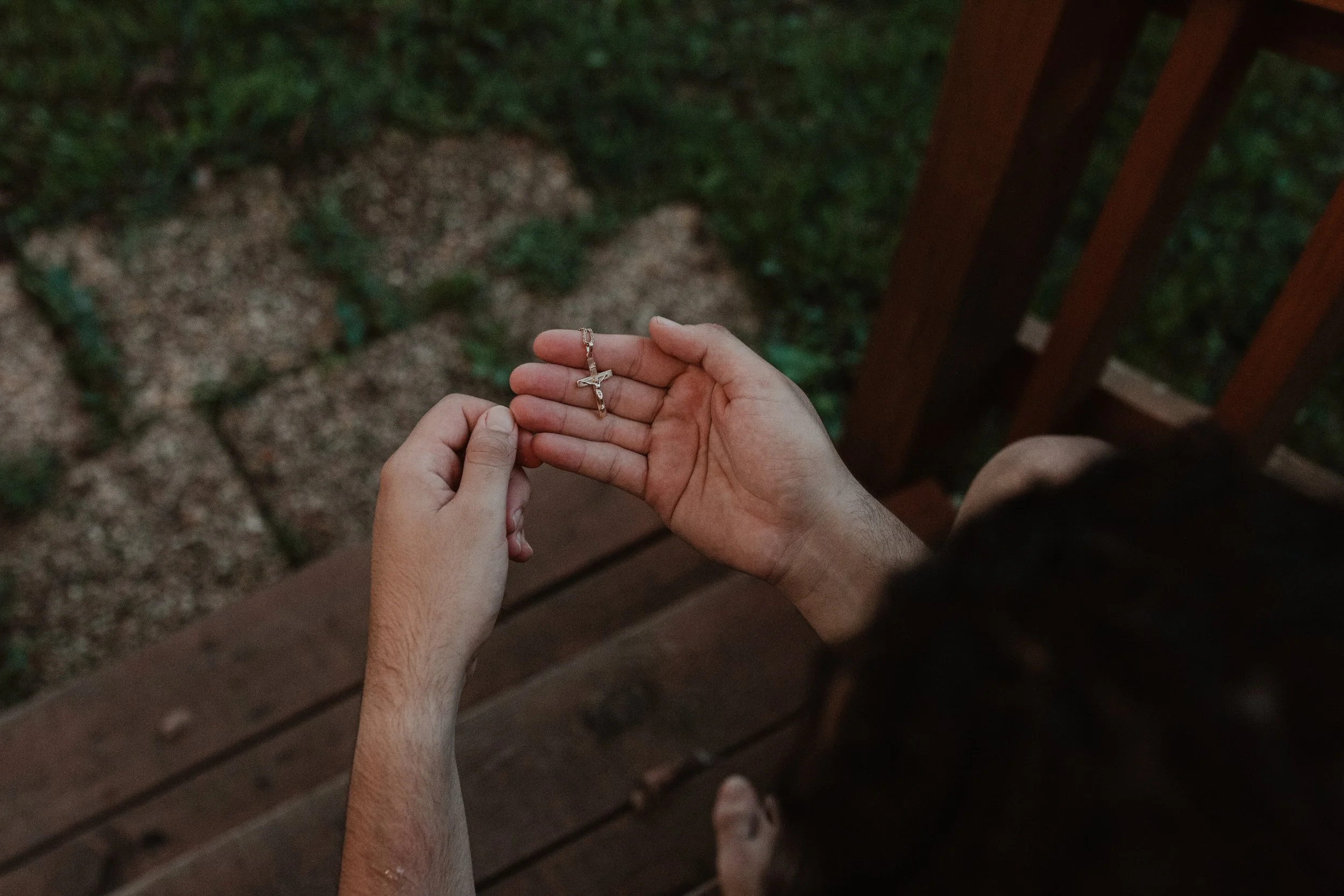
That's what I did this week with the hands and with his necklace and I thought it turned out really cool and we also photographed it at sunset, which has kind of been a theme for me throughout this project. I'll just photograph during sunset. I really love the light and so I'm trying to stay consistent with that, just photographing, making sure that they're the same tone and everything. — Joanna Schaus
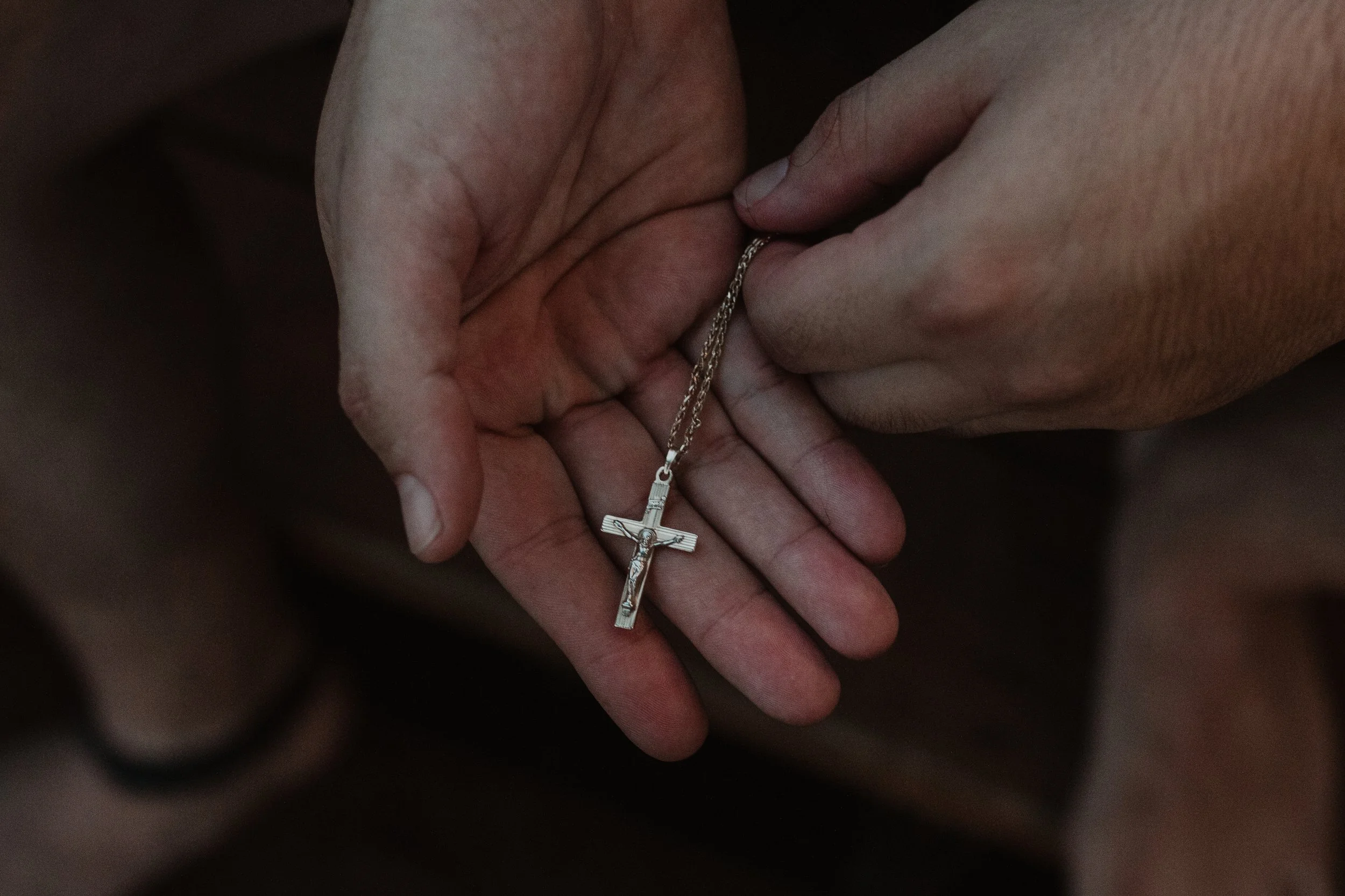
I really see God in hands and people's hands and I just feel like God is reaching towards me or holding me in the palm of his hands. So I wanted to kind of touch on that too and photograph his necklace and his hands.
— Joanna Schaus
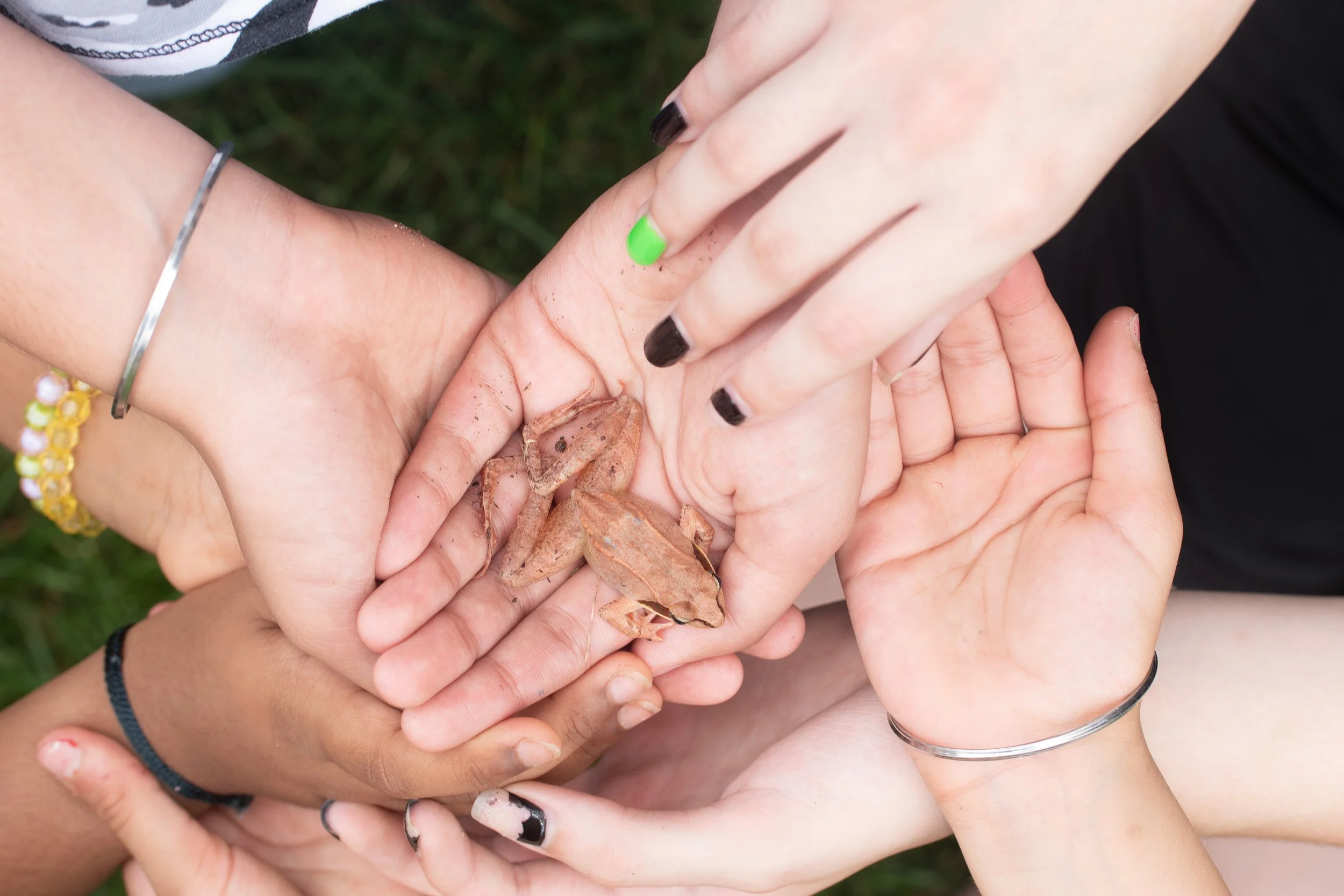
Steel bangles here are the symbol of Sikhism, black thread is for protection from evil eye in hindus and the green and black nail paint here looks like some flag colors to me of different countries.
In Sikhism we have five Ks and this is one of the most simple and very prominent symbols. Either way they will go with steel or either they will go with gold. Gold is just for adults if they ever have to go. But these are easily available in the Sikh temples, known as Gurudwaras. I have also seen these black threads tied up in the monuments, like Muslim monuments in Taj Mahal for fulfilling the wishes. In Hinduism or in a few temples we tie red threads known as ‘moli’ or a ‘kalawa’. So this thread is very important and it brings a lot of desires, wishes and connection to God. So I just felt related to these symbols like a multiculture mixed up and when the children were trying to play with the frog, I just brought the camera and I set up their hands up and down and clicked the photo.
— Sumeet Mehta
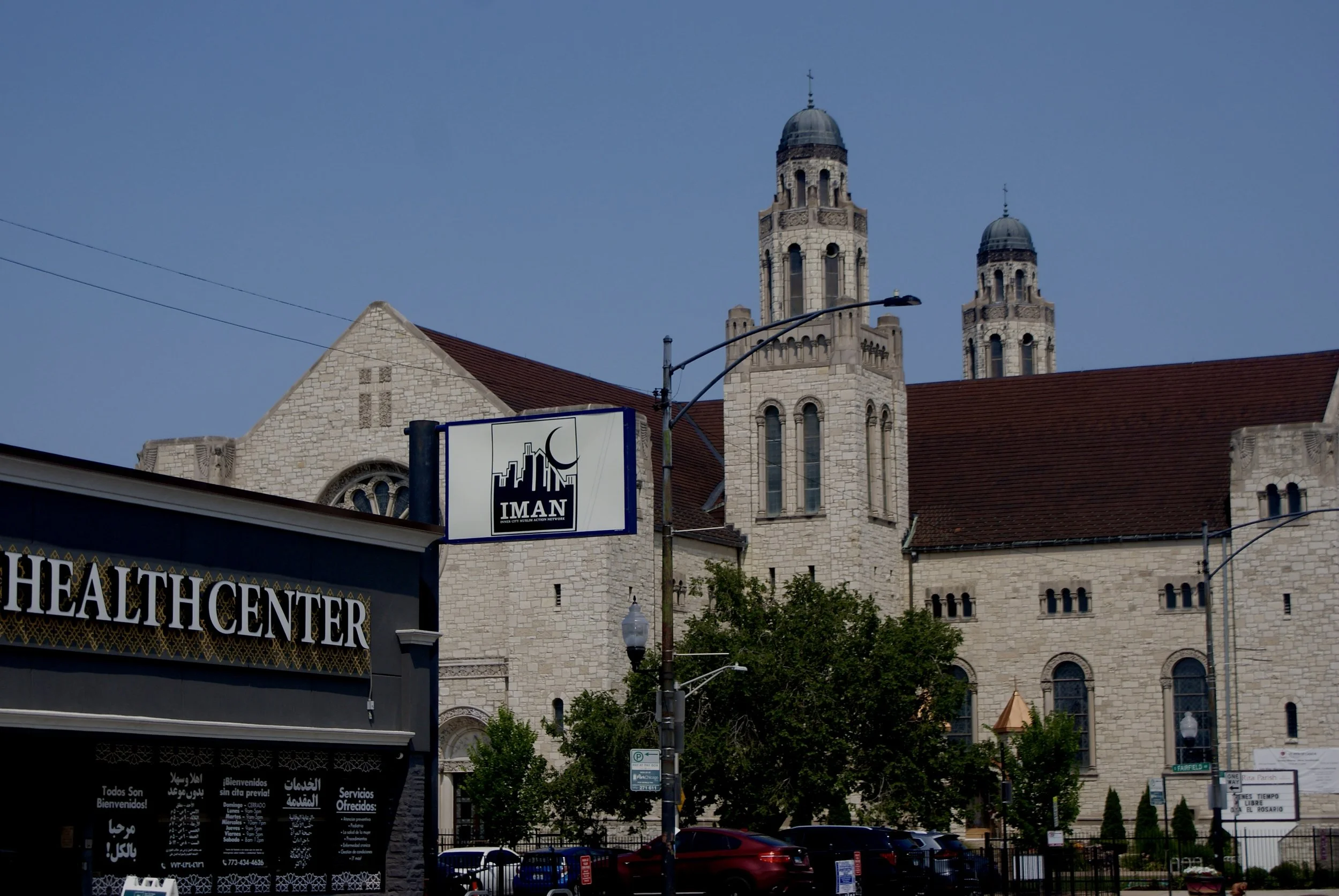
That's the IMAN Health Center next to a church, which I thought was a cool juxtaposition, a nice showing of coexistence and love. — Fatima Zaid
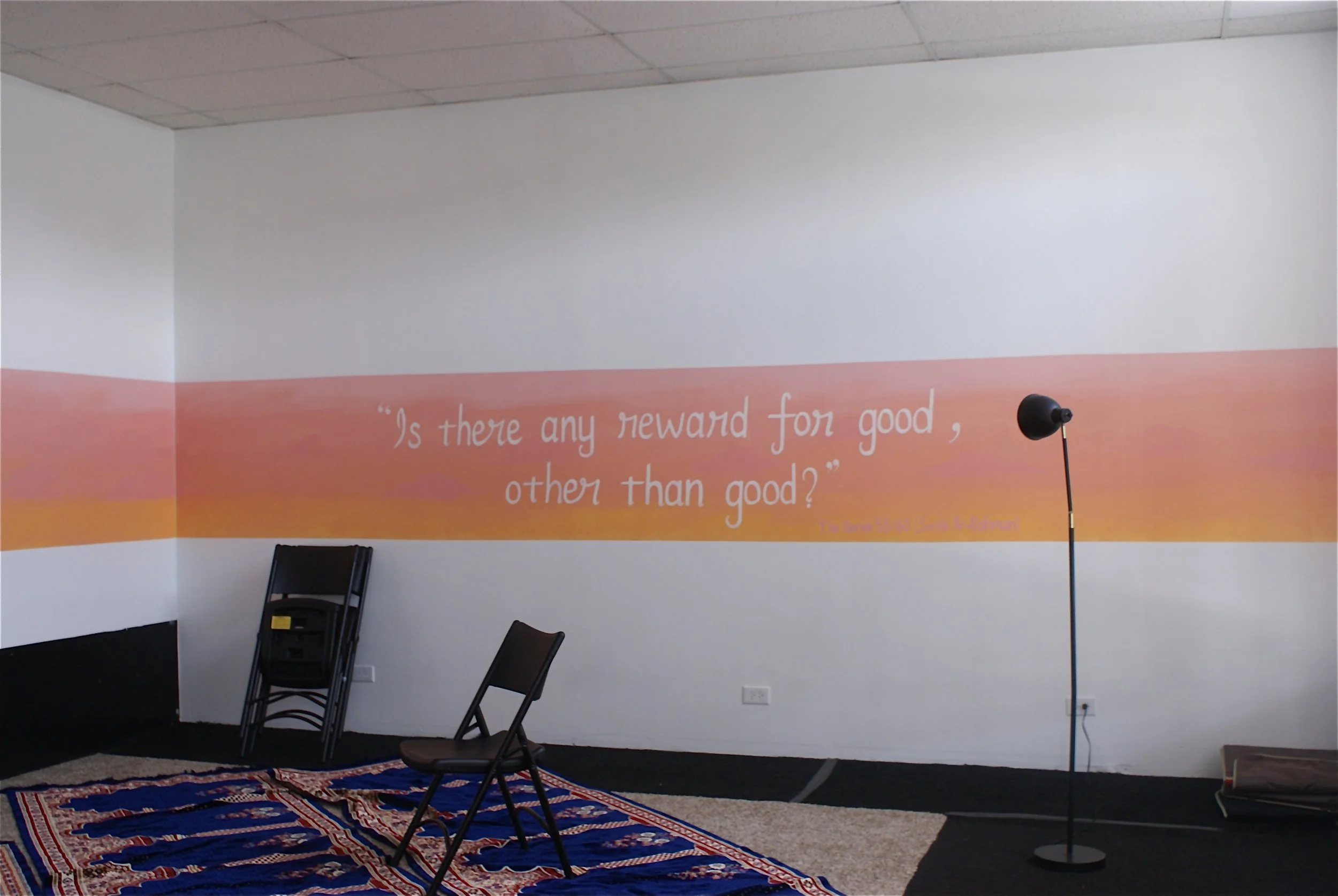
This quote is part of a mural inside the IMAN building. “Is there any reward for good other than good?” It really speaks to the essence of Islam and how Muslims need to conduct themselves and how I hope that I do.
— Fatima Zaid
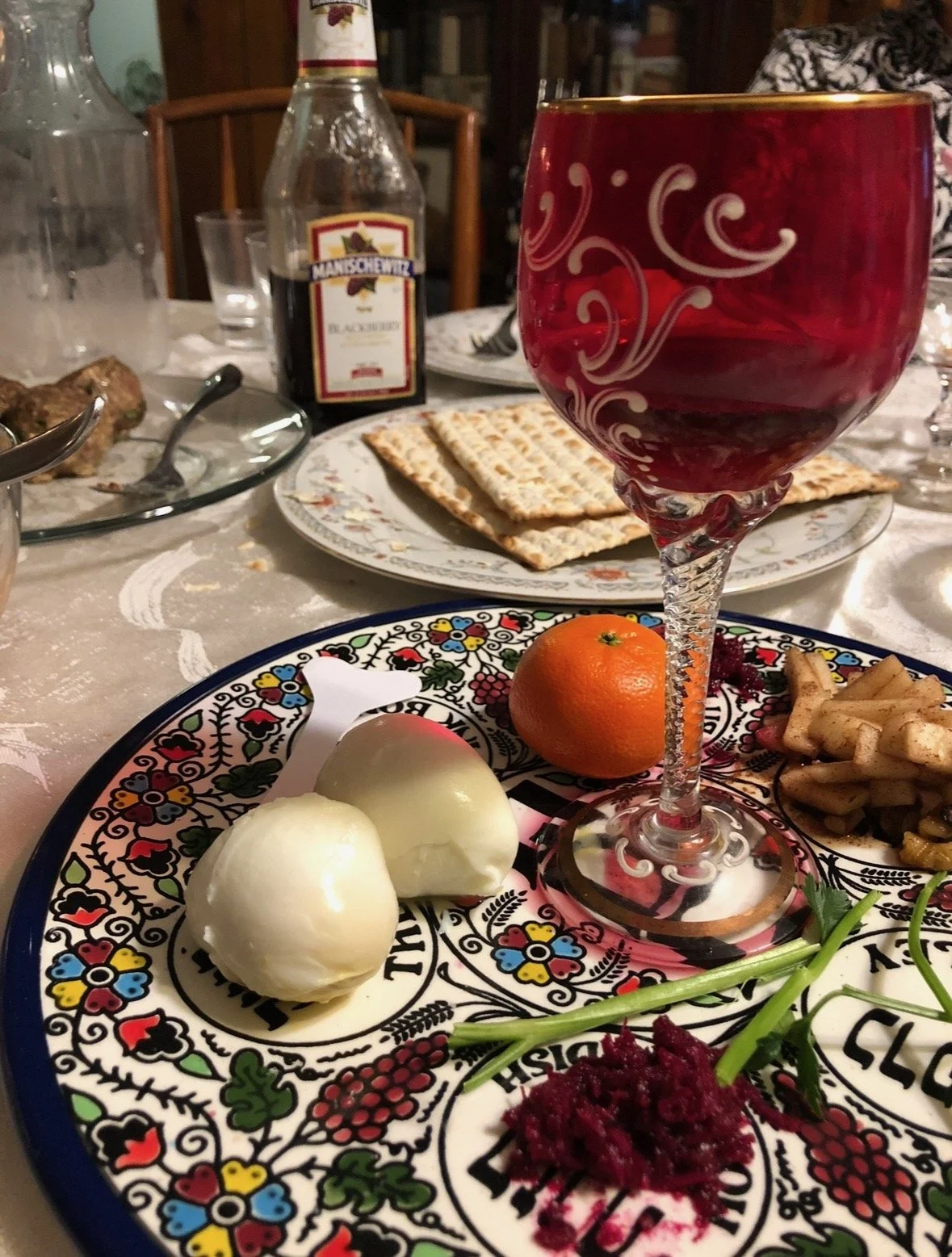
We celebrate our freedom
And remember those who
are still oppressed
— Rachel Gucwa
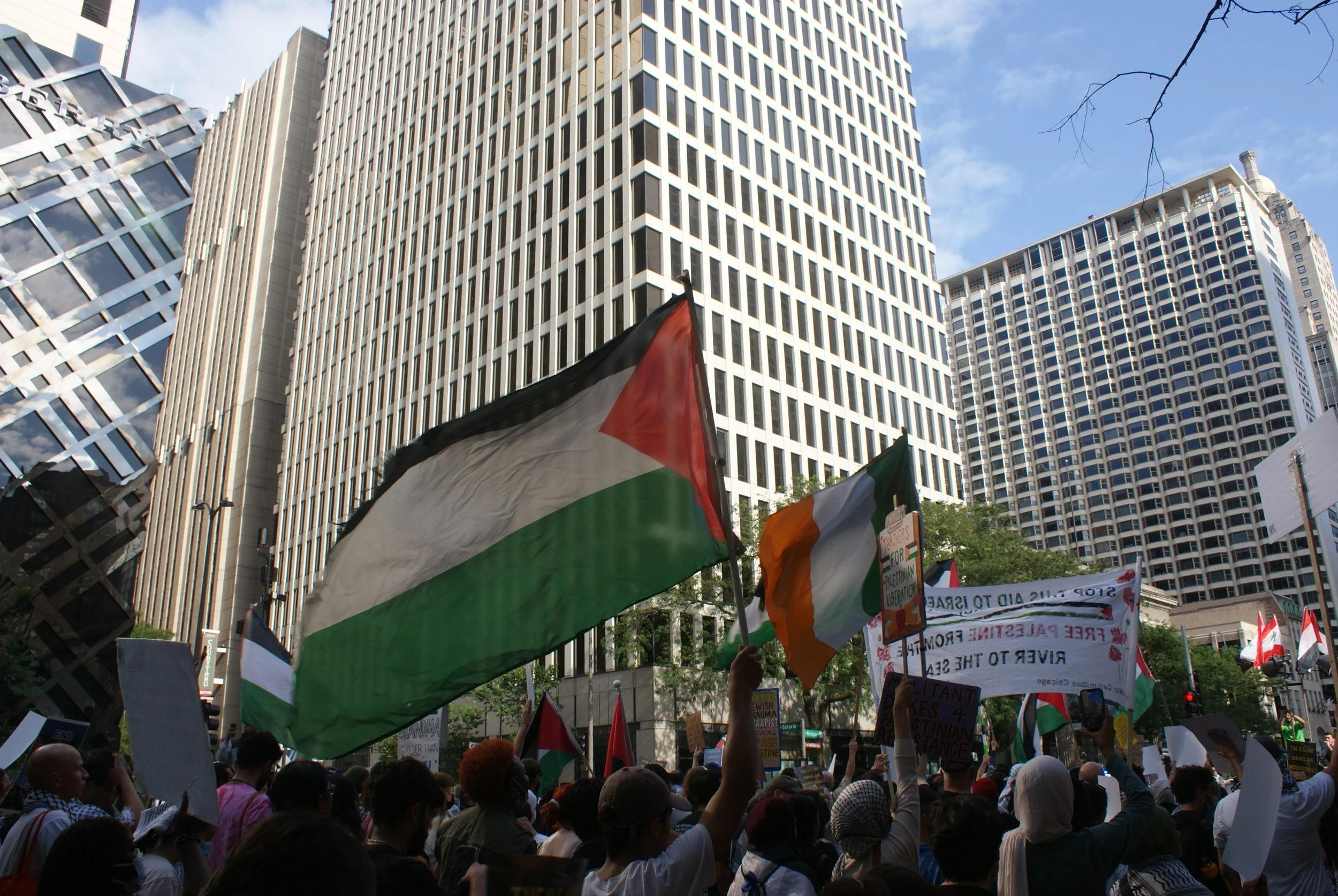
This is downtown Chicago. This was a protest on July 4th. Independence Day for the US; I think organizers thought it would be fitting to raise awareness for Palestinian liberation on this day. We are in such a privileged place in the world, it’s the least we can do. I think that that really resonates for Muslim America, not just Muslim America of course, but a lot of Muslims here feel obligated to raise awareness about it. It is a duty for most of us.
— Fatima Zaid
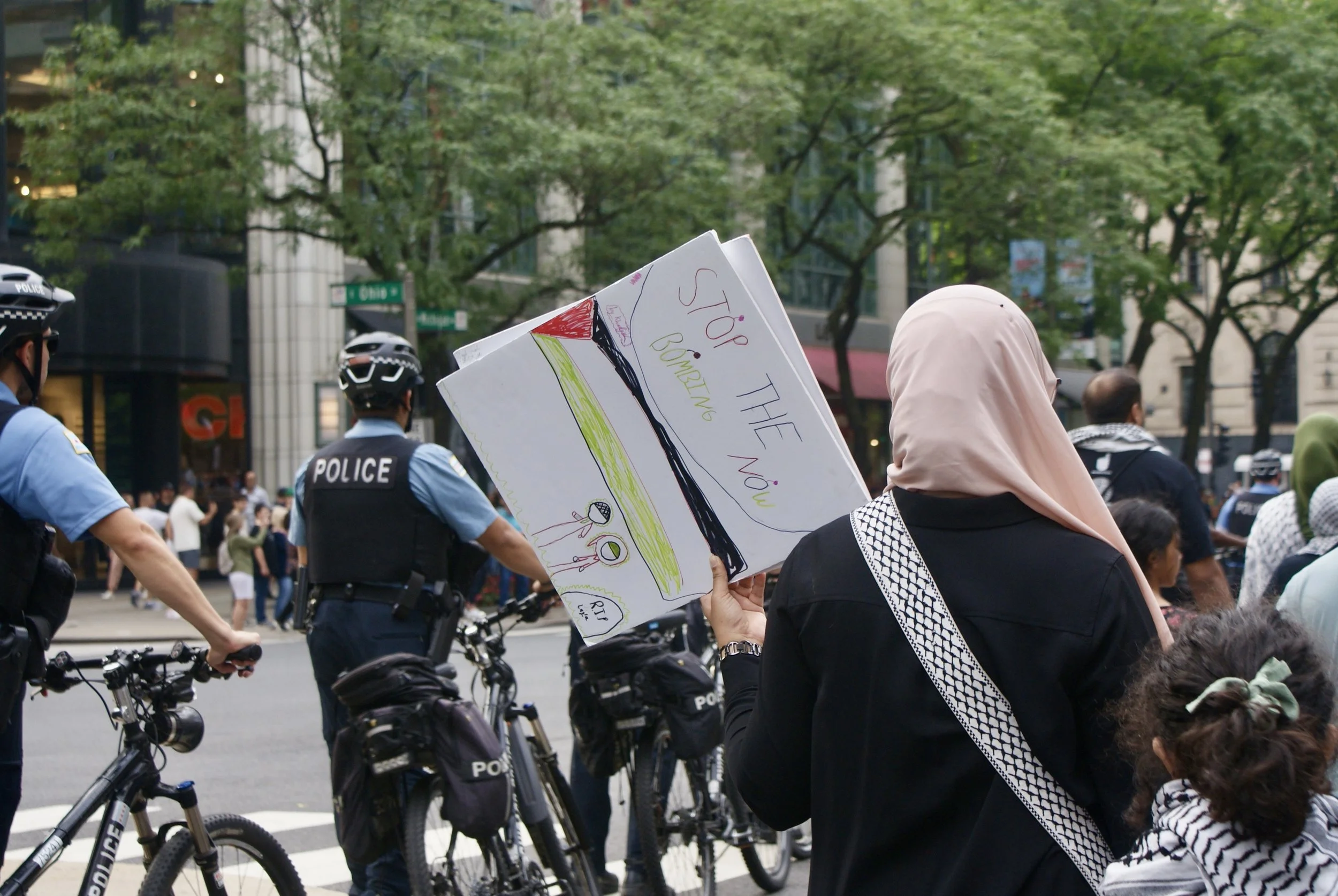
— Fatima Zaid
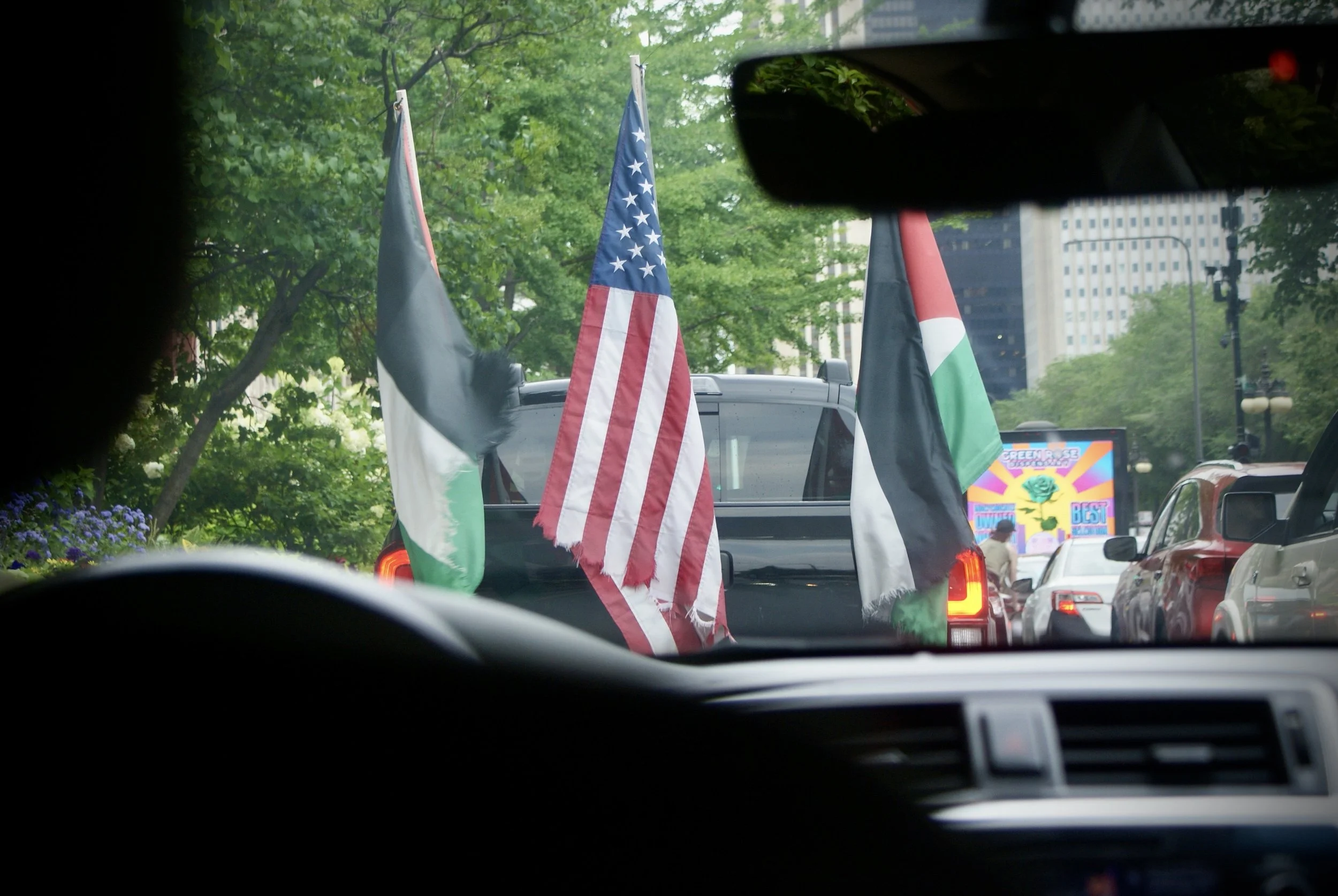
— Fatima Zaid
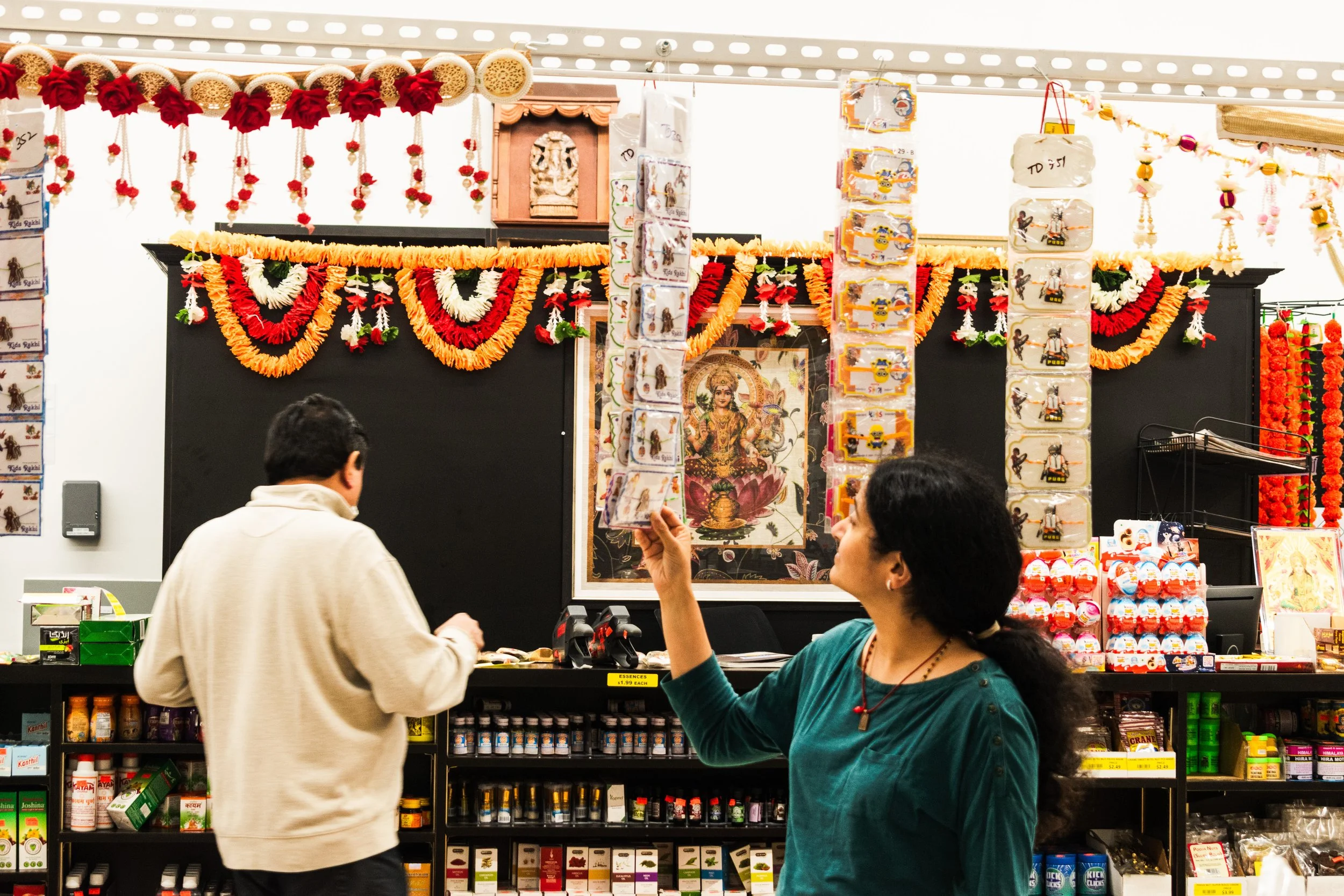
In this photo the lady is trying to pull the Rakhi’s for the festival and the garlands. The man standing behind her is the owner of the Patel brothers. Indians every day when they are coming to their shops or stores in the morning time, they pray and worship in the stores with lighting the incense sticks, dhoop or diya which they are doing everyday as their daily chores. — Sumeet Mehta
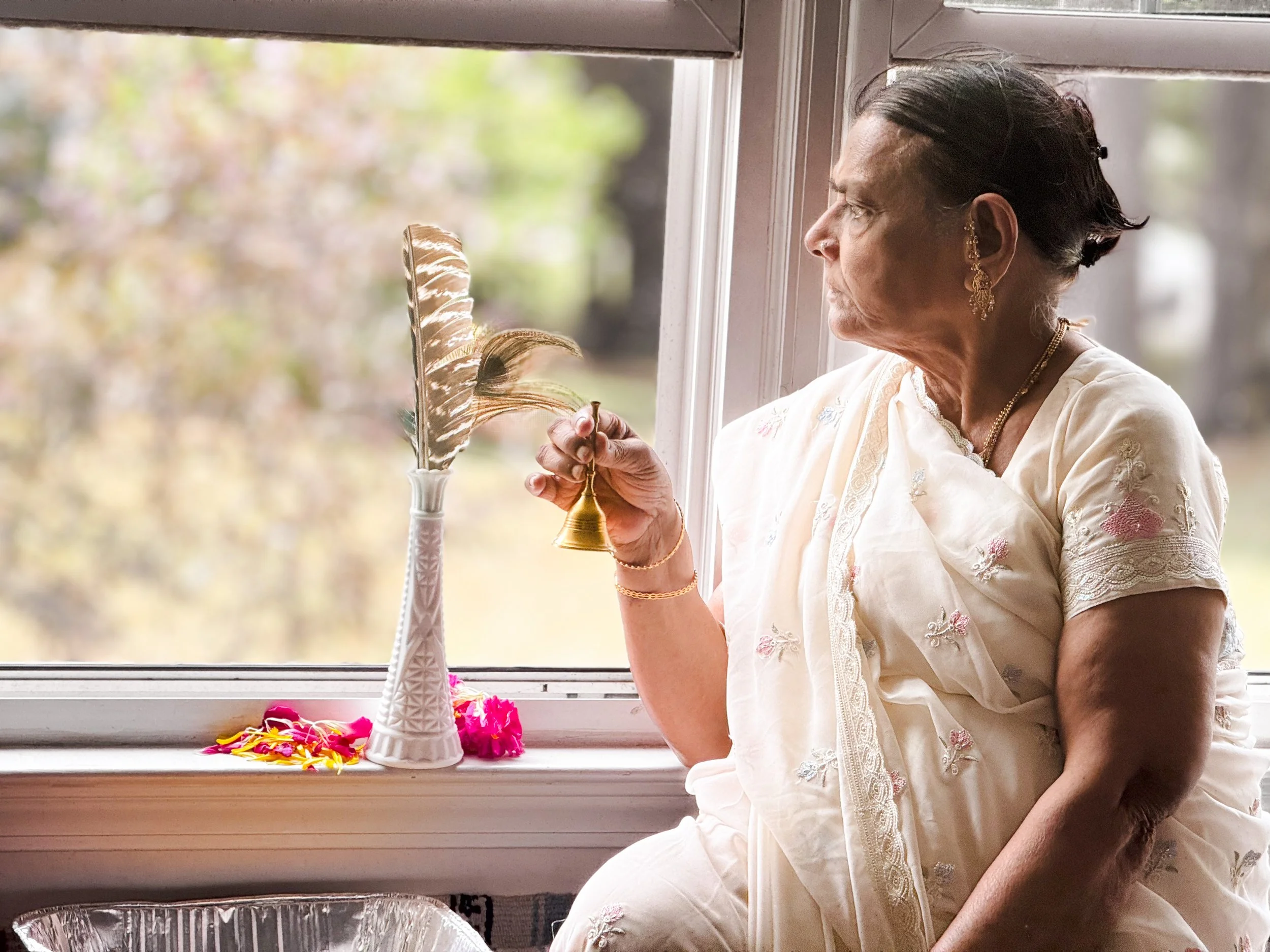
This grandma is visiting her son and his family from India. Despite now residing far away from her own hometown she doesn’t forget to pray, meditate and remember her chanting and reading scriptures. When her grandchildren, son and daughter in law go out to work and school she utilizes most of her time by reciting her chants, ringing this bell at home which she is now holding. Small temple bell that is again the symbol of Hindu temples. Those rose mixed flowers behind the peacock feather are the offerings to god. Peacock feather is again the strong symbol of Lord Krishna. Another famous deity of Hindus. She at the age of seventies takes the duties of her god to worship him on time everyday in the same way she follows back in India. — Sumeet Mehta
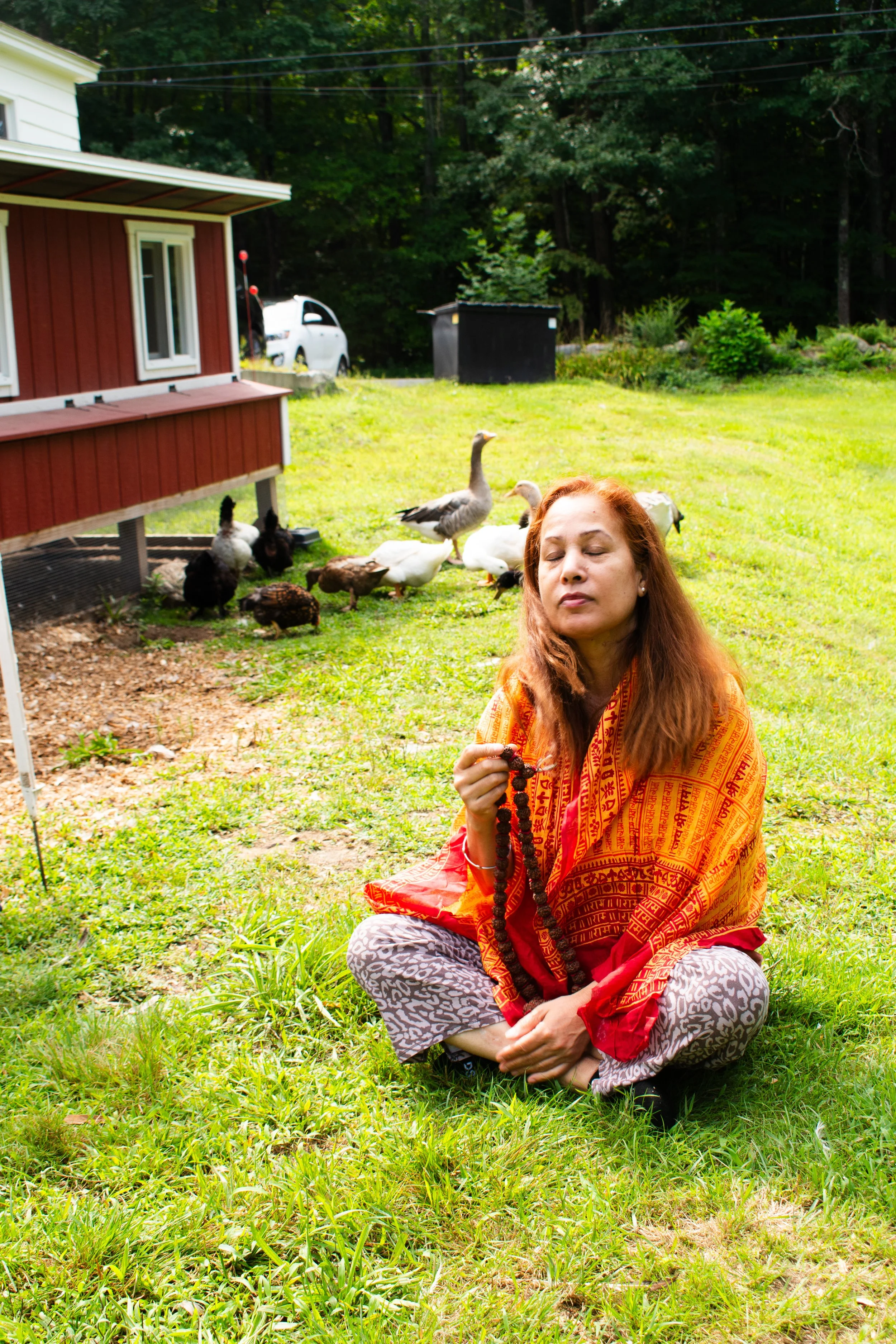
This lady lives in Mt. Vernon, New Hampshire. A lot of things have happened to her in her life medically but the faith and boldness have not faded from her soul. She owns her small farm with chickens, geese and a few ducks. This is her own time where she talks to nature, meditates and chants. Those rudraksha beads are original beads she was gifted by her father. She said she feels so much connected to her dad this way. Sara is originally from Nepal. The shawl is again the strong symbol of temples and deities. I was so glad to spend a day with her to learn more about her spiritual connection with God along with her busy daily chores where she hardly gets any help nor she is able to visit temples for a long time. — Sumeet Mehta
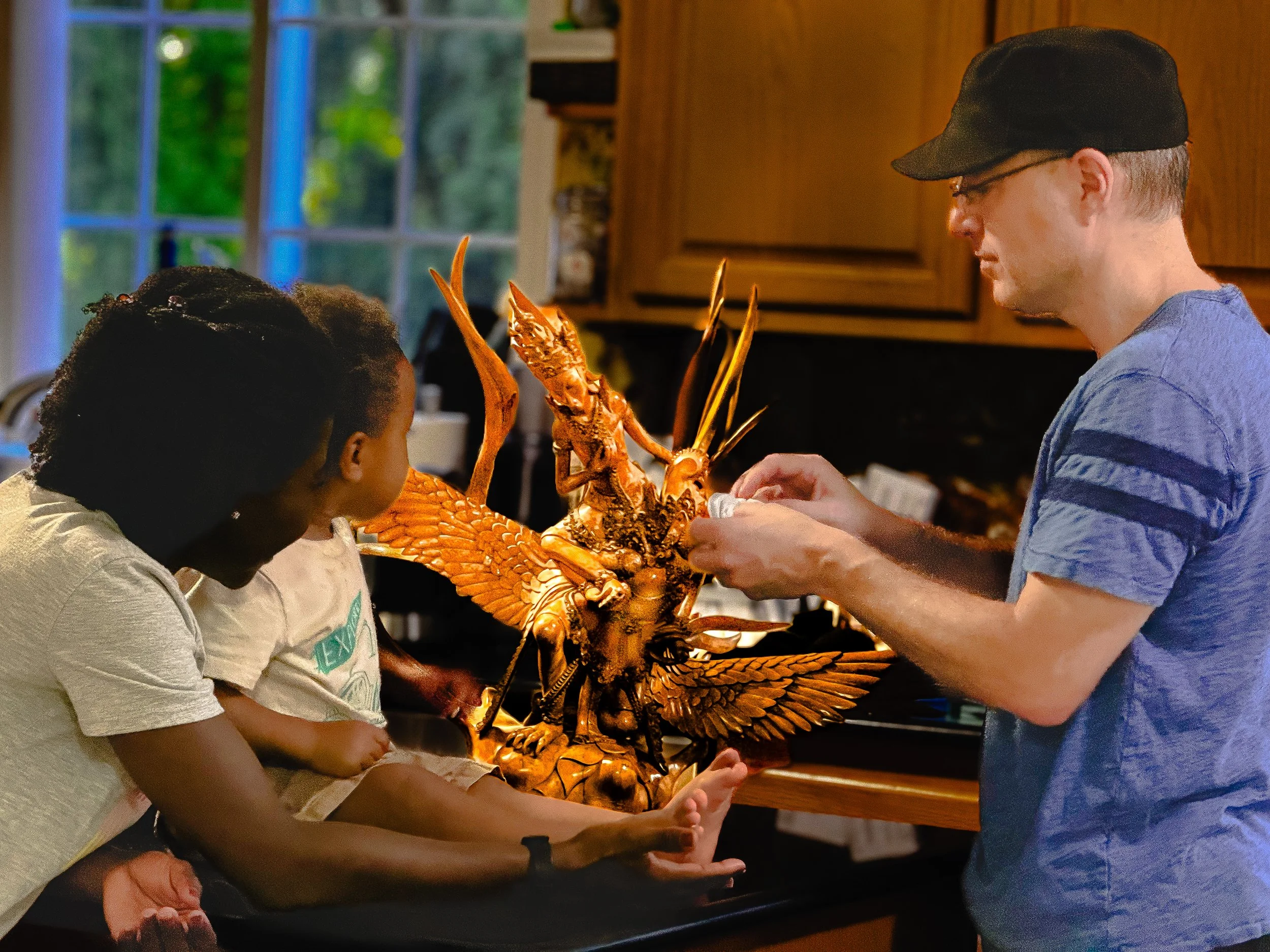
She's my friend, a beautiful close neighbor friend from Uganda. I'm always curious to know as she's married to an American guy and how their life goes on. So I just went there with my camera and I was talking to them about how they connect to God and everything having two different religions. So she told me, my husband doesn't believe in going to church and all, and I was surprised that they didn't have any cross at home. But while talking to her husband, he got so excited that he went upstairs and brought this statue sculpture. So this is an Indian sculpture statue, which he purchased from thousands of dollars like a long time back from Bali, Indonesia. He Said it very, very close to his heart. This is a sculpture of the Lord Vishnu and Garuda, that is from the Hindu mythology story. He once brought this from Bali, Indonesia years back and he so much followed Hinduism. He learned about these back then and he also told me there are millions of sculptors dispersed after the division of the country. Bali is the only Hindu island there. Those sculptors are making these kinds of beautiful sculptures and selling them at a very high price. I then captured the moment right away when he was telling this story again to his wife and his youngest son only wanted to play with that sculpture. What I liked is how he's cleaning that sculpture, keeping it safe untouched by his three young boys and his devotion and attachment to Hinduism being an American. — Sumeet Mehta
![I wanted to do a photo shoot with that necklace and the symbolism that it has for [my husband] personally. He was raised Catholic and he now is Christian, but he wears this necklace all the time. I just did a photo shoot surrounding this necklace. —](https://images.squarespace-cdn.com/content/v1/63d93b6bae4f3935a0789bee/0868e615-1cb8-49cb-b8fc-b25c01229382/Schaus-Photo-7.jpg)
I wanted to do a photo shoot with that necklace and the symbolism that it has for [my husband] personally. He was raised Catholic and he now is Christian, but he wears this necklace all the time. I just did a photo shoot surrounding this necklace. — Joanna Schaus
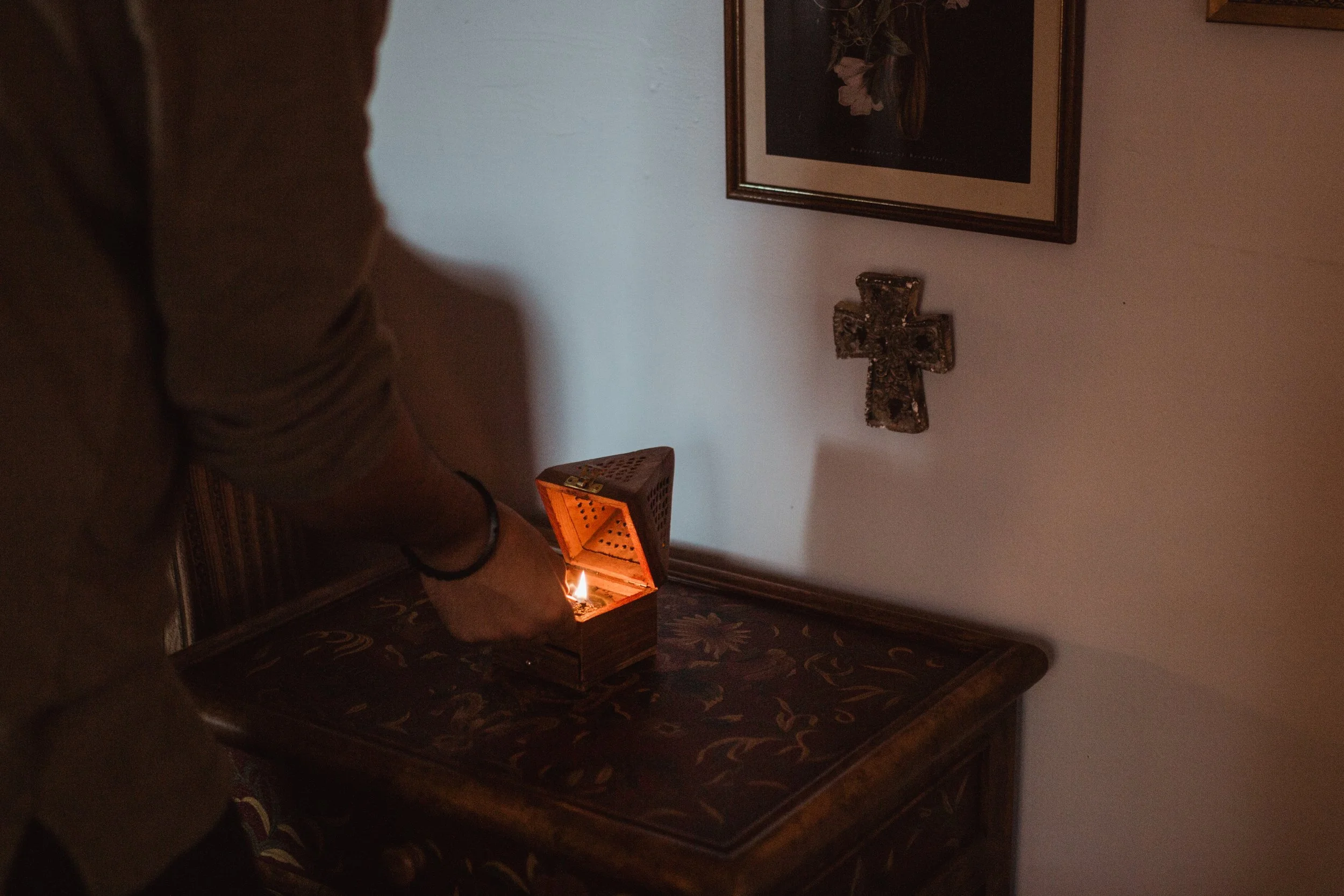
I photographed my husband lighting the oud (incense) because he connects to God through smell. He always does that before he spends time with God and just kind of experiencing God through smell is a way that he describes himself experiencing God. And so that was fascinating to me. I actually hadn't really thought of that before. I wanted to document that moment.
— Joanna Schaus
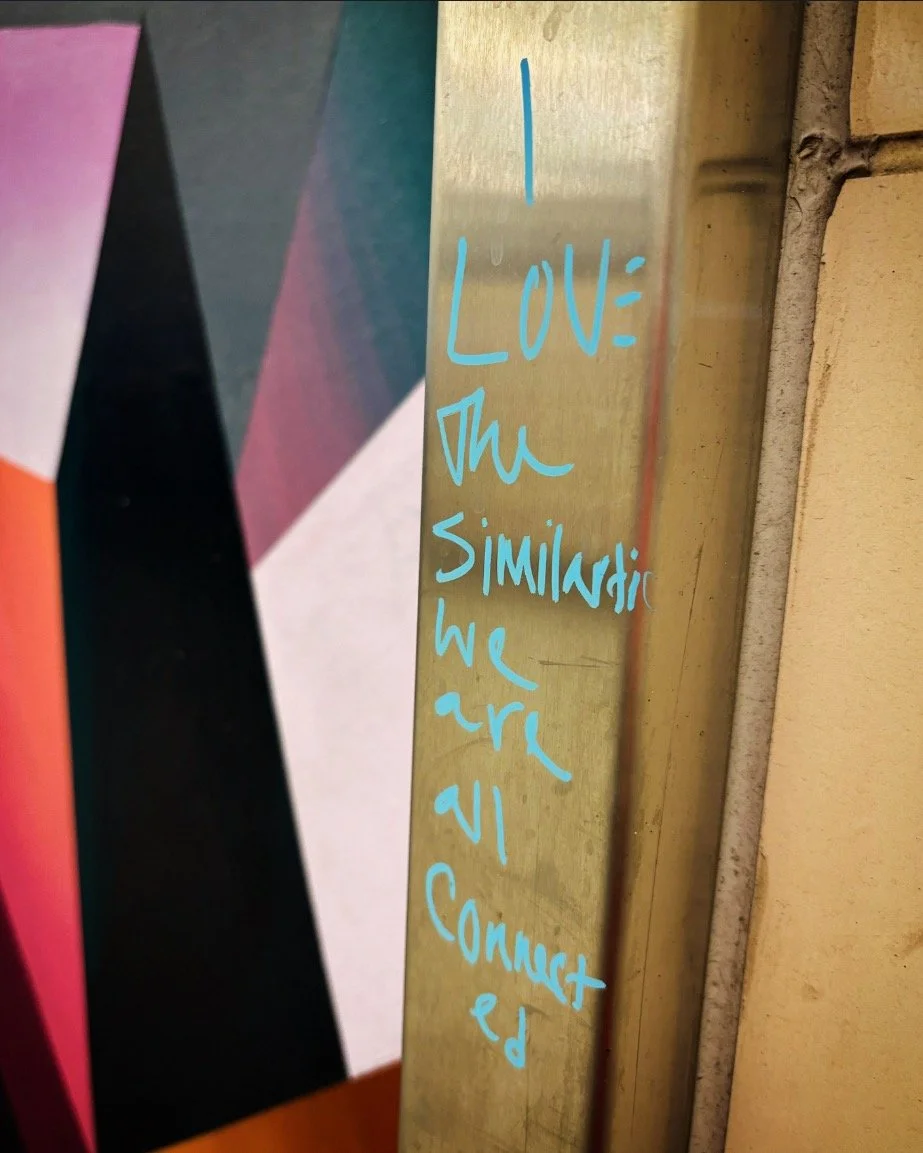
This is just some graffiti scrawled like a prayer wall in a city train station that I like and I think it kind of summarizes this whole program and it just says, I love the similarities. We are all connected. But actually I took this picture, I work for this organization with people who are homeless and we do a good Friday service in the train station. And so we go around the train station doing this Good Friday service. And that was one of the graffiti. And it's kind of cool how people use the walls as prayer walls. People are always looking for a place to pray.
— Rachel Gucwa
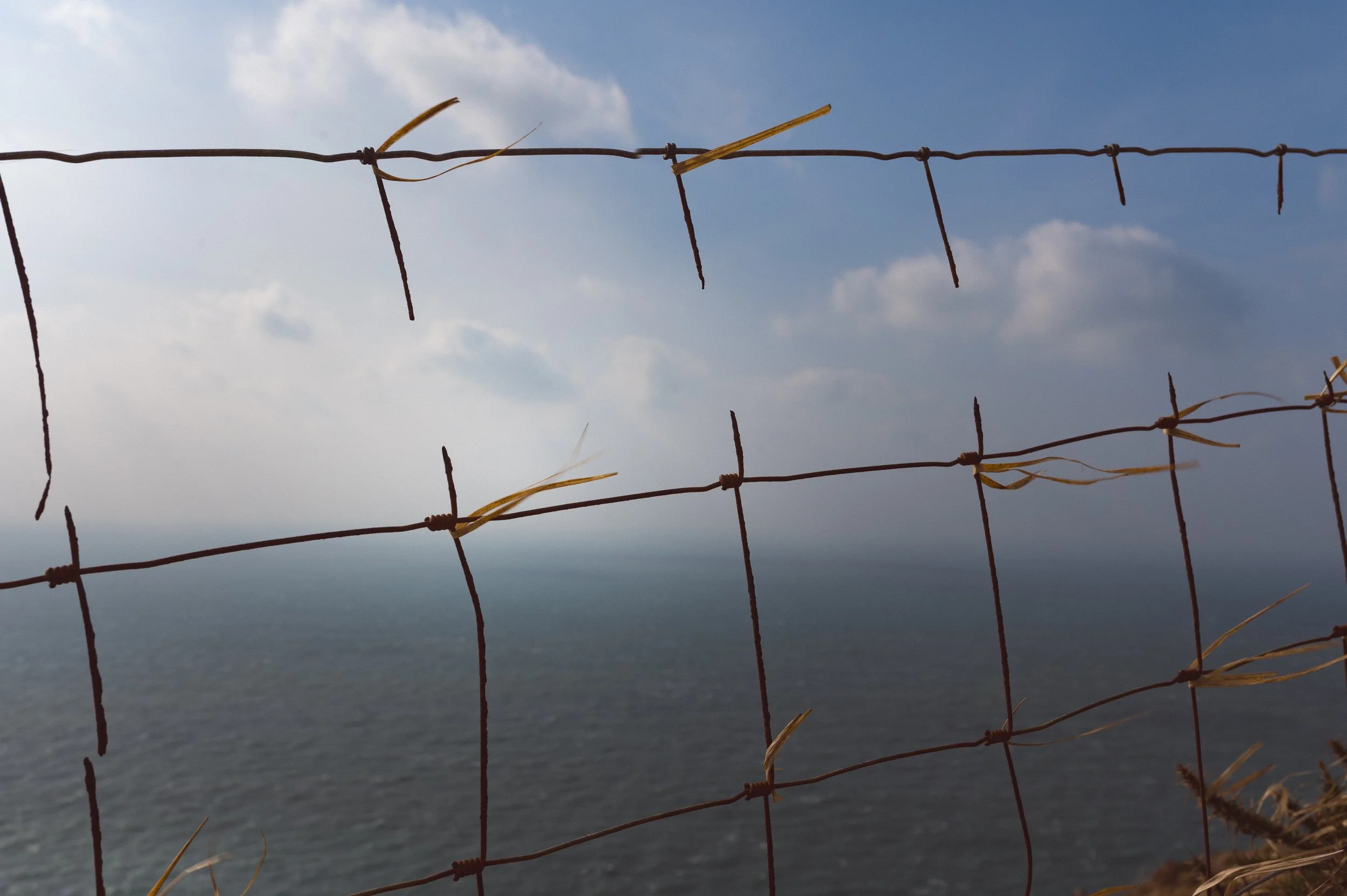
These pieces of grass grasp they were stuck to the fence and were buffeted in the wind. It looked like something familiar, I think we have all felt this way in hard times in our lives. Like we are just hanging on, trying to remember that things will get better. I don't know. I can't quite articulate any better than that, why it feels so human and spiritual.
— Julianne Gauron